

![[For Seniors] Prevent Dementia with a Look-Alike Kanji Quiz! Introducing Commonly Confused Characters in a Multiple-Choice Format](https://media.ragnet.co.jp/img/1200__png__https://www.ragnet.co.jp/files/2025/10/6d1464e67bd0c2ee50bb60cb4440f3c9.webp)
[For Seniors] Prevent Dementia with a Look-Alike Kanji Quiz! Introducing Commonly Confused Characters in a Multiple-Choice Format

Can you immediately tell which kanji are correct: “貸す” or “貨す,” “失敗” or “矢敗”? Even words we use every day often have similar-looking kanji that make us hesitate when we go to write them.
So this time, we’re introducing a quiz on look-alike kanji that seniors can also enjoy.
The questions use familiar, everyday expressions like “measure blood pressure” (血圧を測定する) and “take a vision test” (視力検査をする), making them easy to engage with.
Spend a pleasant time with family or friends, thinking together about which kanji are correct.
[For Seniors] Prevent Dementia with a Look-Alike Kanji Quiz! Commonly Confused Characters in Multiple-Choice Format (1–10)
This issue is extremely complex. Which kanji for “fuku” is correct?
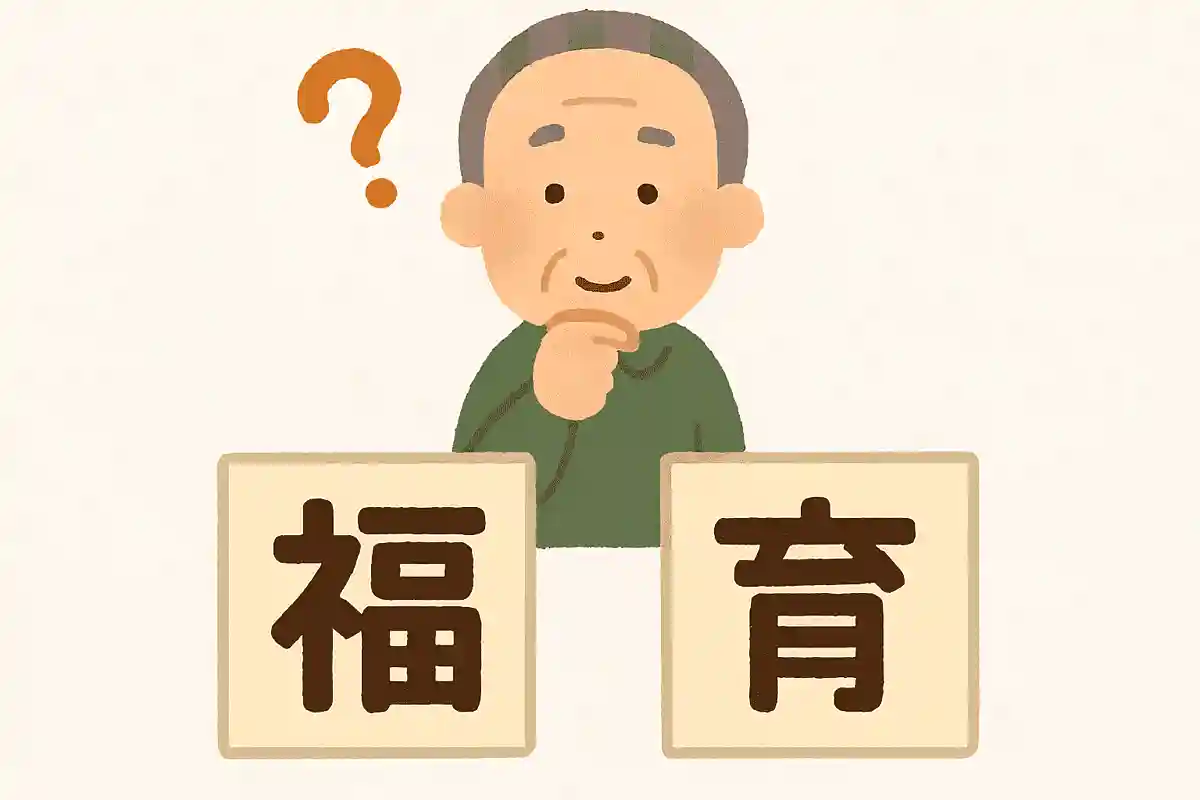
- duplicate
- return; restore; repeat
See the answer
duplicate
The correct character is “複.” The word “複雑” (complex) expresses that many things overlap and the structure is intricate. “複” means overlapping or more than one, and it’s used in words like “複数” (multiple) and “複製” (replication). On the other hand, “復” means to return to the original state or to repeat, and appears in words like “復習” (review) and “復活” (revival).

The climate in this region is suitable for agriculture. Which is the correct kanji for “kou” here? → 気候
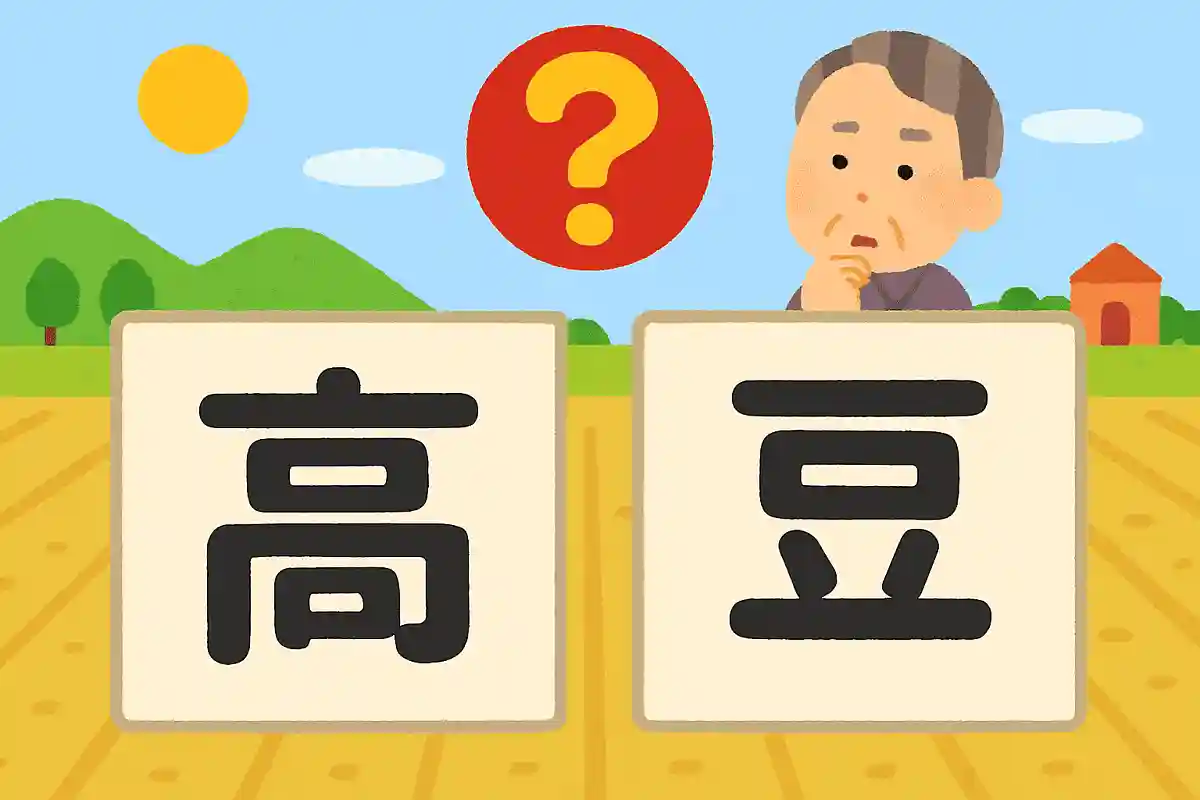
- candidate
- marquis
See the answer
candidate
“Kikō” refers to the long-term conditions of weather, temperature, humidity, and so on in a particular region or place, and it is written as 気候. In this case, the character for “kō” is 候. 候 also carries meanings such as “season” or “time of year,” and is used in words like 天候 (weather) and 気候 (climate). By contrast, 侯 is a different character used to indicate a rank or title, such as a noble or official position.
There’s a lot to learn from failure. Which is the correct kanji for “shitsu” (しつ)?
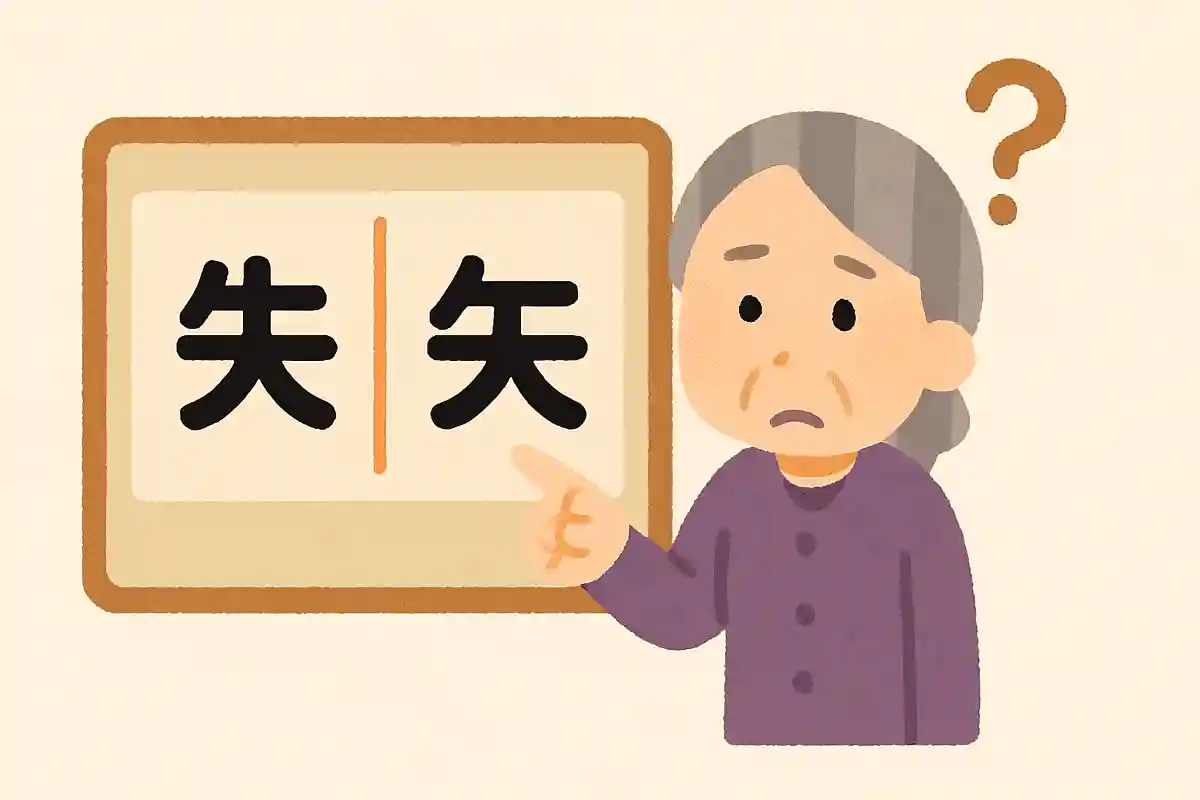
- loss; mistake; fail; to lose (as a prefix, e.g., 失礼 = rudeness). Context is needed for a precise translation of the single character 失.
- arrow
See the answer
loss; mistake; fail; to lose (as a prefix, e.g., 失礼 = rudeness). Context is needed for a precise translation of the single character 失.
The correct kanji used for the “shitsu” in “shippai” is 失. 失 means “to lose” or “to miss,” and 失敗 (shippai) is used when you don’t achieve the desired result or when you make a mistake. On the other hand, 矢 is read as ya and means “arrow,” as in bow and arrow, and it has a completely different meaning and usage. They may look somewhat similar, but their uses are very different, so be careful not to mix them up.
Find the area of the triangle. Which kanji is correct for ‘seki’ in this context?
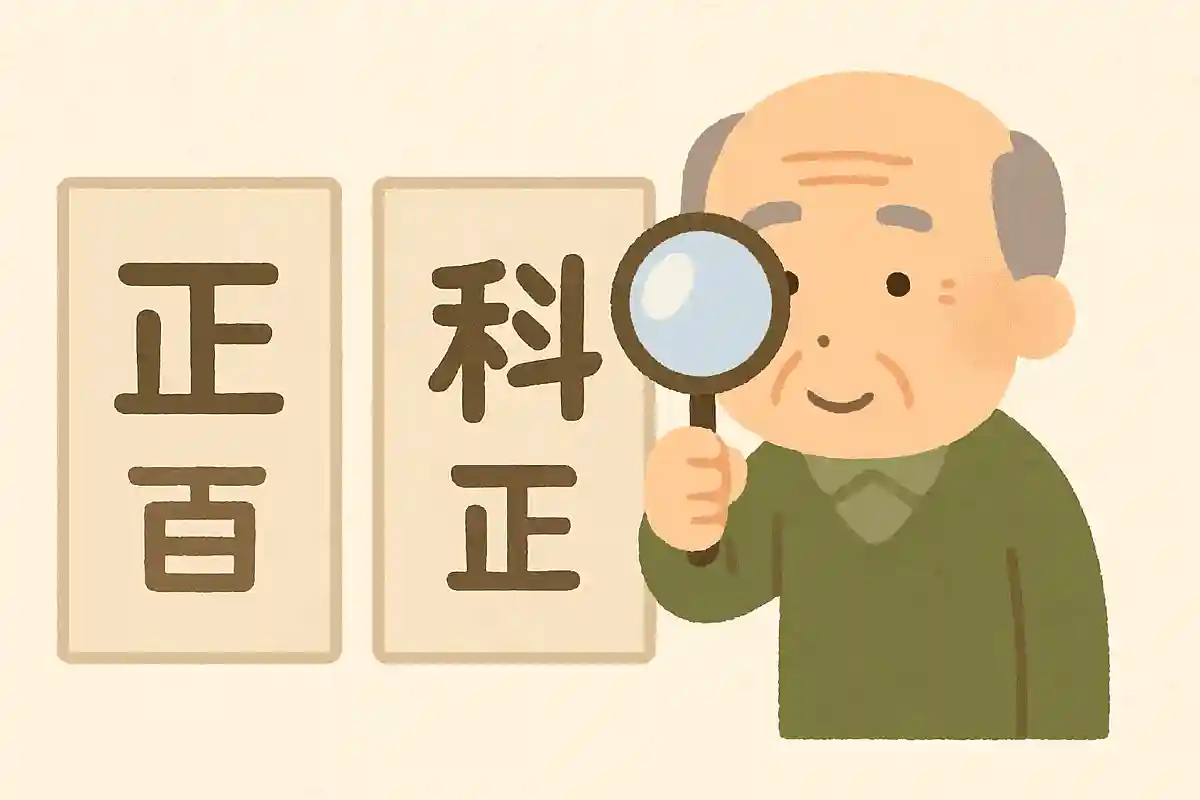
- product; sum; volume; pile; accumulation (context-dependent). Most commonly, in math, 積 = product.
- results
See the answer
product; sum; volume; pile; accumulation (context-dependent). Most commonly, in math, 積 = product.
The correct character is “積.” In mathematics, values obtained by multiplication—such as the area of a triangle or volume—use the character “積.” “積” carries the meanings “to pile up” and “the result of multiplication,” whereas “績,” as in “実績” (achievements) and “成績” (grades), refers to the results or outcomes of effort.
I’m going to lend a paperback book to a friend. Which kanji for “kasu” is correct?
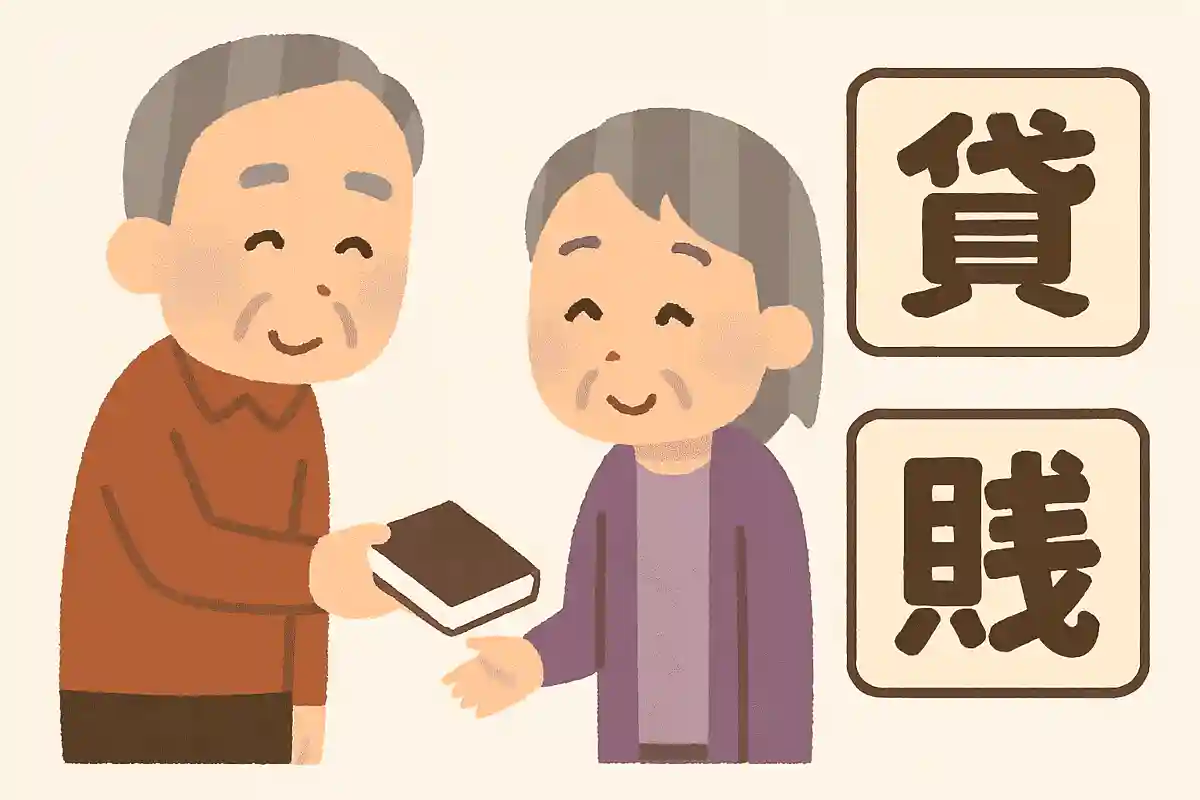
- loan; lending; lease; to lend
- cargo; goods; freight; money (as wealth)
See the answer
loan; lending; lease; to lend
“貸” is used with the meaning “to temporarily entrust something like an item or money to someone else.” In contrast, “貨” refers to money (currency) or goods in general, such as property or merchandise. In the present sentence, you are temporarily giving a paperback book to a friend—in other words, “lending” it—so the correct kanji is “貸.”
Write about your travel memories in a diary. Which is the correct kanji for “ki”?
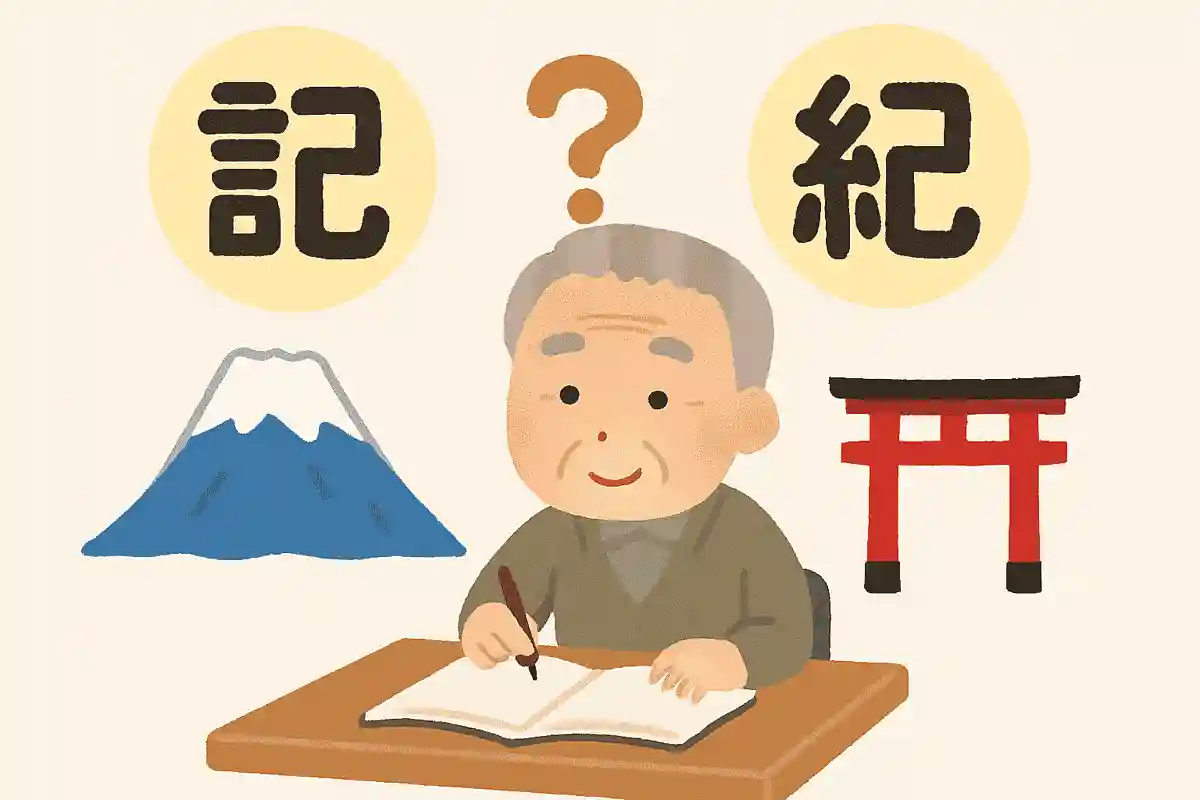
- chronicle; era; period
- Entry
See the answer
Entry
“Writing ‘niki’ as a memory of a trip” means writing down the events and feelings you experienced during your travels—in other words, keeping a “diary.” The correct kanji used here is 記. 記 means “to record” or “to write down,” and appears in words like 記録 (record) and 記念 (commemoration). By contrast, 紀 carries meanings such as “era” or “rules,” and is used in words like 紀元 (era/Anno Domini) and 世紀 (century).
The illness gets better. Which is the correct kanji for “naoru”?
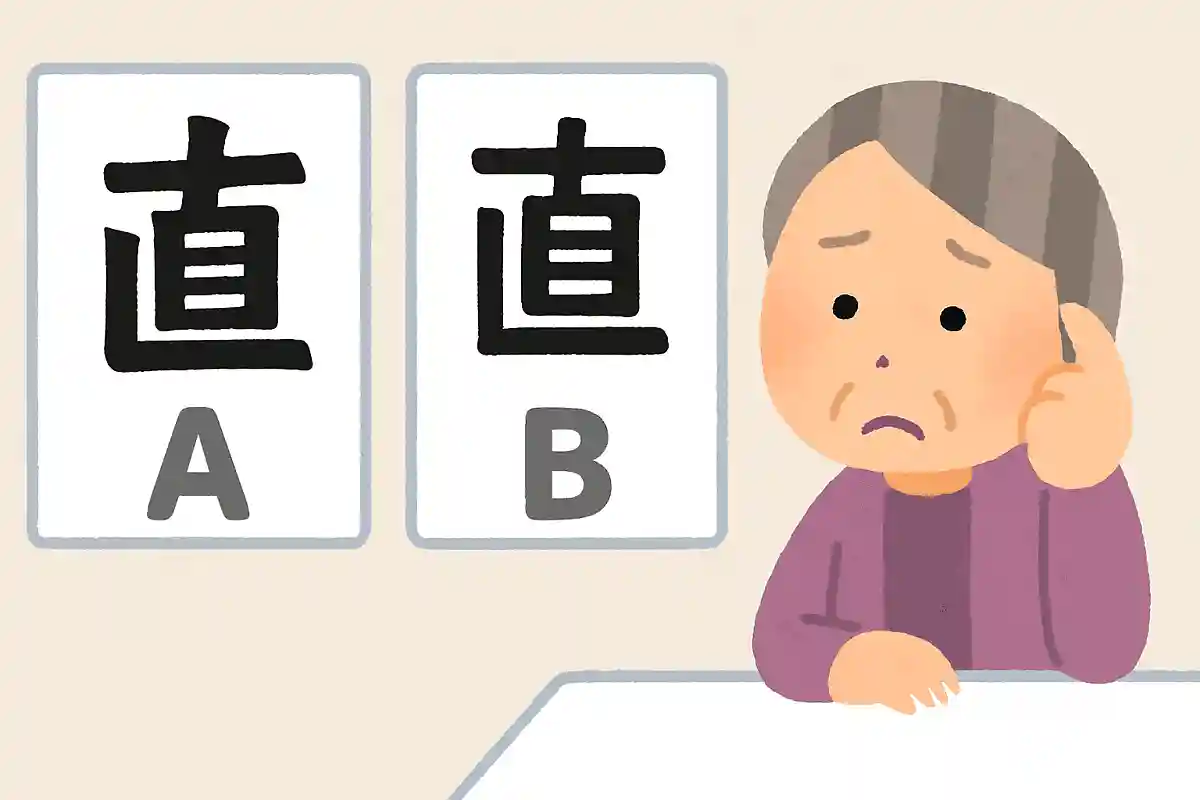
- metallurgy; smelting
- govern; cure; heal; reign; rule; calm
See the answer
govern; cure; heal; reign; rule; calm
In the sense of returning an illness or injury to its original healthy state, we use 治. 治 is a character often used in medical and health contexts. On the other hand, 冶, which can also be read as ya, is used in meanings related to manufacturing and mining/industry, such as in 冶金 (metallurgy), which refers to melting metal to shape it.