

Recommended for seniors’ brain training! Kanji quiz workbook of fish names

Fish names often use many difficult kanji, don’t they?
On TV quiz shows, questions that ask you to read fish-related kanji frequently appear.
In this article, we’ll introduce that kind of fish kanji quiz!
In this article, we didn’t just include kanji with the fish radical; we mainly chose fish names written with two or more characters.
So that older adults can enjoy it, it’s important not to focus only on getting the right answer, but to think together with the people around you.
Doing so helps activate the brain and supports mental and physical health, so please enjoy it together with everyone.
Recommended Brain Training for Seniors! Kanji Quiz Collection of Fish Names (1–10)
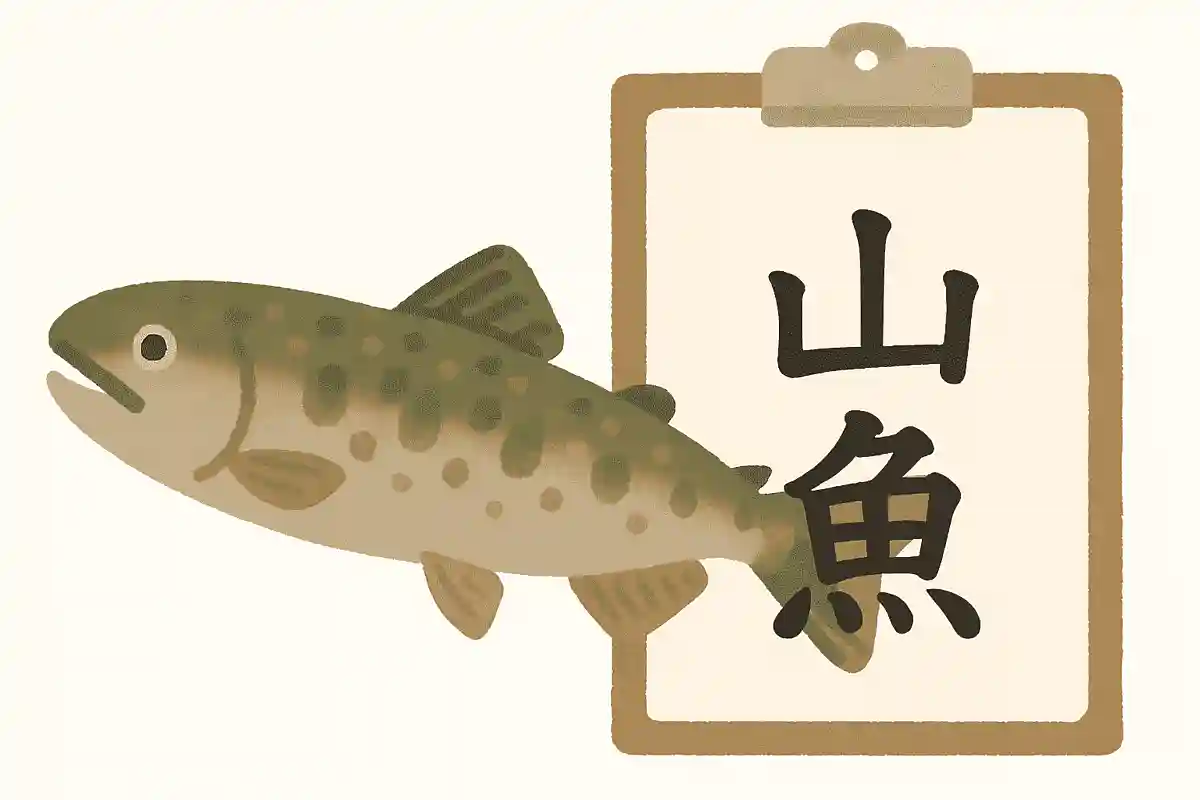
yamame (landlocked masu salmon; also called Japanese cherry salmon)
Yamame, read as “yamame,” is also called the queen of mountain streams for its beautiful pink appearance and delicious flesh.
It is a river-resident fish found across a wide range from Hokkaido to Kyushu.
Besides being written with the characters for “mountain woman” (山女), it’s known by various regional names such as “yamabe,” “yamo,” “hae,” and “enoha.” The kanji make sense when you consider the meaning: a fish as beautiful as a woman in the mountains.
It’s a popular fish, perhaps an easy quiz topic for older adults.

jellyfish
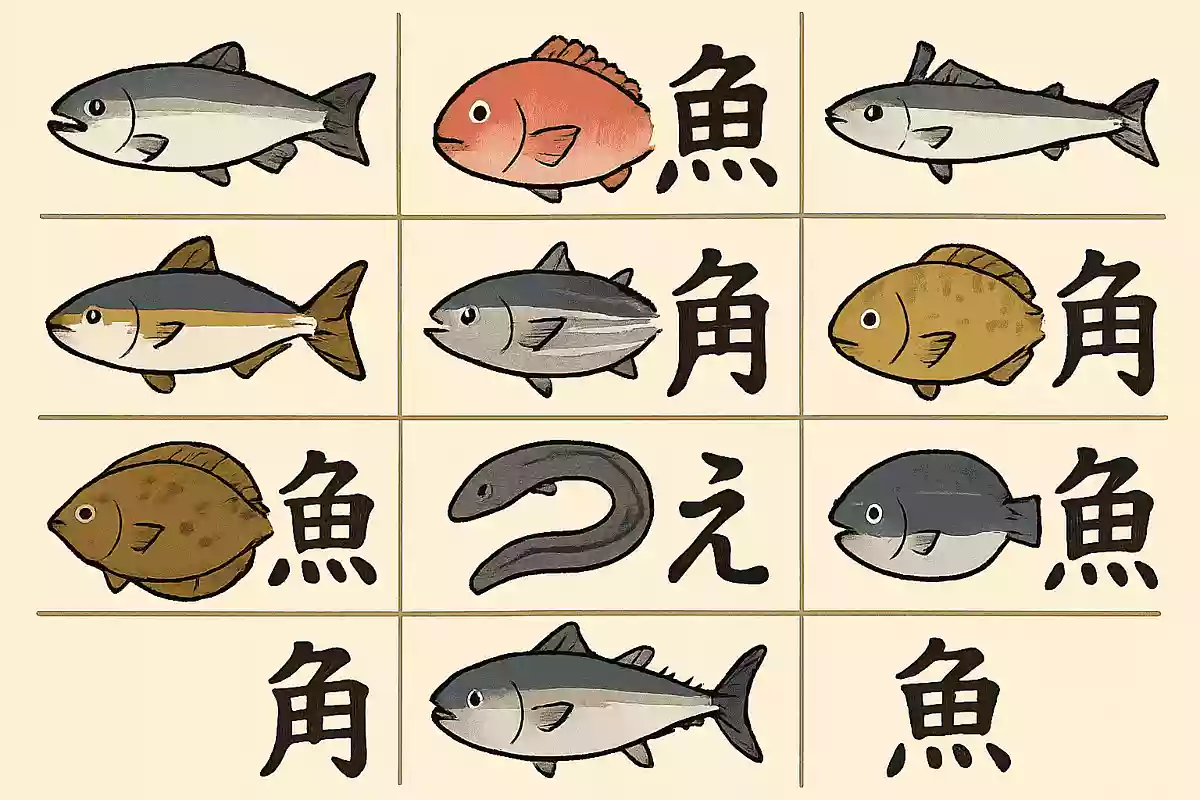
Kaigetsu is read as “kurage,” referring to jellyfish—creatures known for their softly floating presence in the sea and their distinctive texture.
The way they reflect light streaming into the water and shine like the moon is why they’re expressed with the characters for “sea” and “moon,” though they’re also sometimes written with the characters for “water” and “mother.” Their umbrella-like bells with trailing legs give them a variety of appearances and forms; some species are venomous, making them a surprisingly complex group of animals.
They are also enjoyed as food, especially in Chinese cuisine, and their unique texture is part of the appeal.

kohada (gizzard shad)
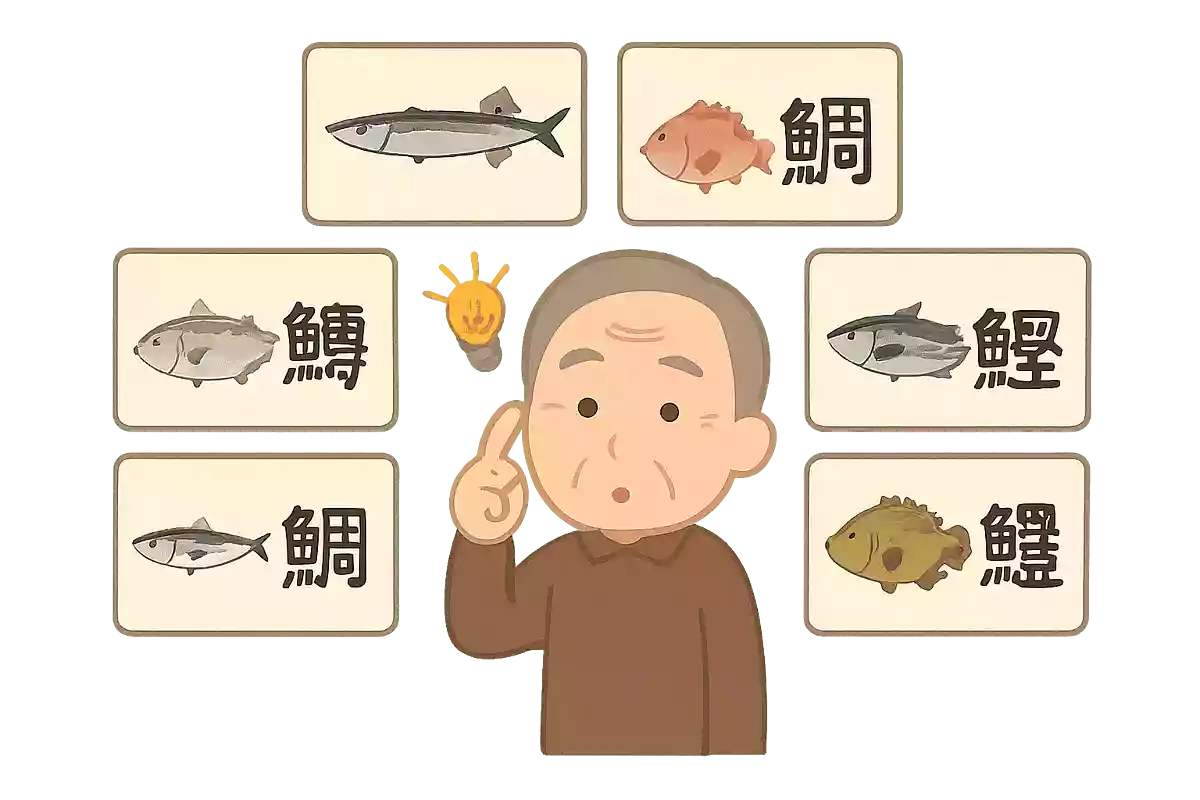
Kohada, read as “kohada” even though it’s written with characters meaning “small fin,” is a marine fish in the herring family (order Clupeiformes, family Clupeidae) and is a classic sushi topping.
Its name is said to come from its glossy, child-like skin, with the character for “fin” used as a phonetic substitute.
It is also known as a growth-stage fish with different names as it matures: smaller than kohada are called shinko, while larger ones are called nakazumi or konoshiro.
Considered auspicious, it also appears in celebratory New Year’s dishes (osechi), making it a fish well worth knowing.
Heavenly Fish
https://www.instagram.com/p/CqZ3vzMvBkX/Tengyo is the name given to the river-resident form of the masu salmon that descends to the sea or lakes (satsukimasu), and it is read as “amago.” It can also be written with the characters for “rain child,” “rain fish,” “sweet child,” or “Huan,” and the characters for “heaven” or “rain” are used because the fish is often caught during the rainy season and early summer, when it tends to rain.
It is also said that the character for “sweet” is used to suggest that it is a delicious fish.
Depending on the region, it is also called “Ame,” “Amego,” “Amenouo,” or “Amenoio,” and it is designated as the “Prefectural Fish” of Nara Prefecture.
sailfish
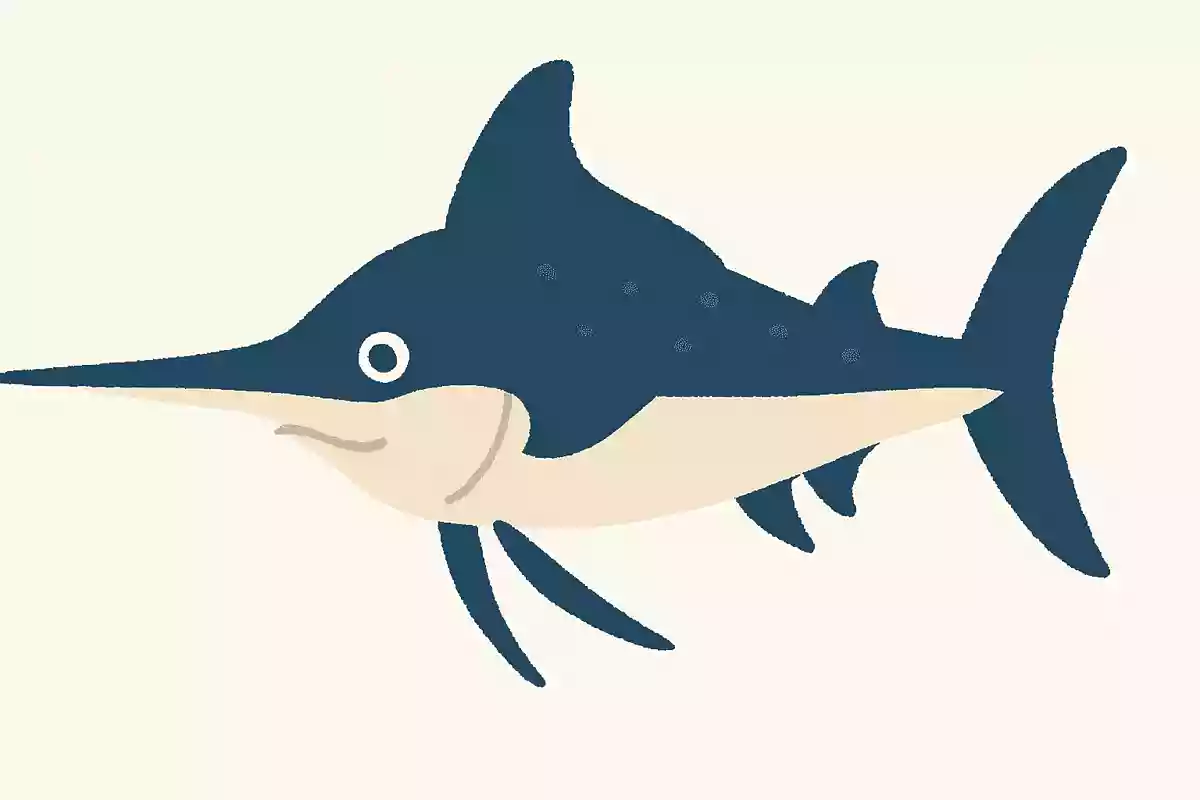
Flagfish is pronounced “kajiki,” and it can also be written as 梶木, 舵木, 羽魚, or 鮙.
When you hear “kajiki,” most people think of the fish with a sword-like upper jaw they’ve surely seen at least once in an illustrated reference, and it’s also familiar as a fish that often appears on the dining table.
Its name is said to come from its large dorsal fin, which looks like a flag.
It is also a large, carnivorous marine fish, and another origin of the name is that with its sharp upper jaw it can pierce the hard wooden board used as a ship’s rudder, known as a kajigi (rudder board).
shishamo
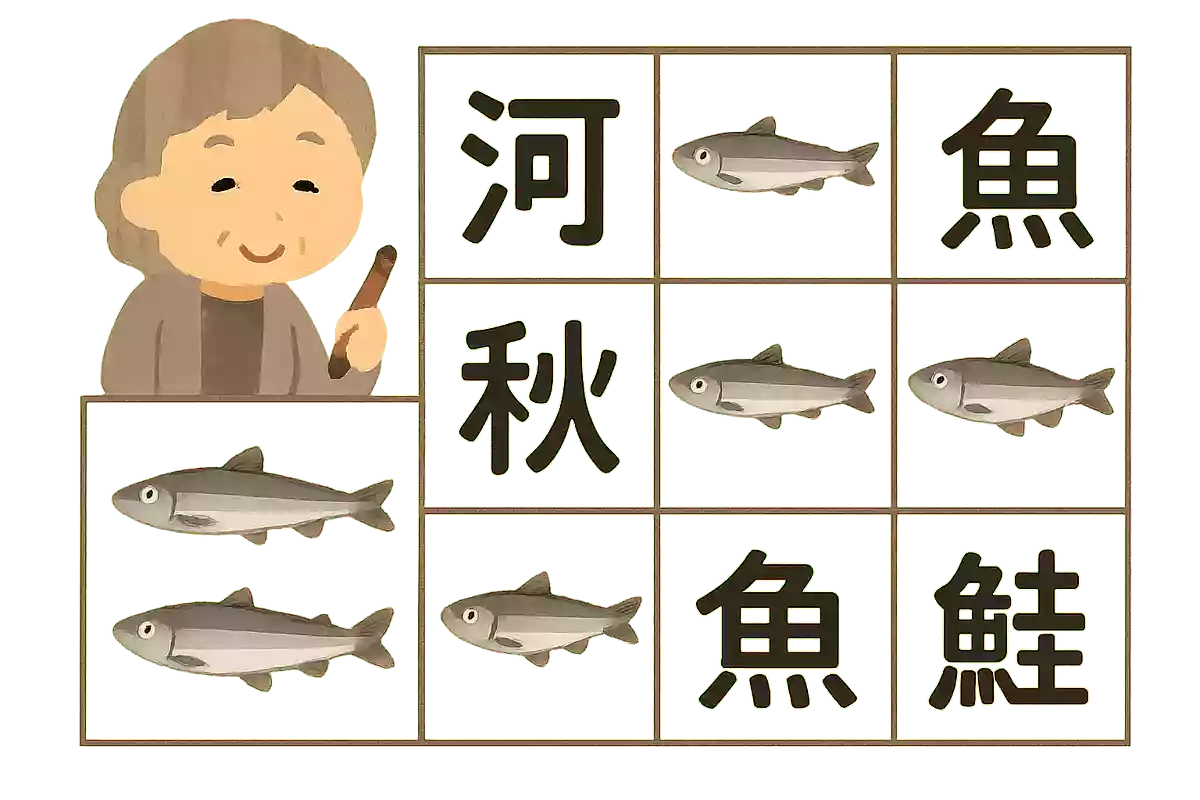
Yanagibashira is read as “shishamo,” and it’s known for being full of eggs.
Its name is said to derive from the Ainu words “susamo” or “sushamo,” which express willow leaves, and from this you can sense how the fish came to be loved.
The fact that there are no other common written forms besides 柳葉魚 or シシャモ also conveys the strength and history of its origin.
It’s said that most of the shishamo served at the table are actually a substitute species, the capelin, and that chances to encounter true shishamo are rare.
Knowing this, you can’t help but become curious about what genuine shishamo is really like, can you?
pufferfish
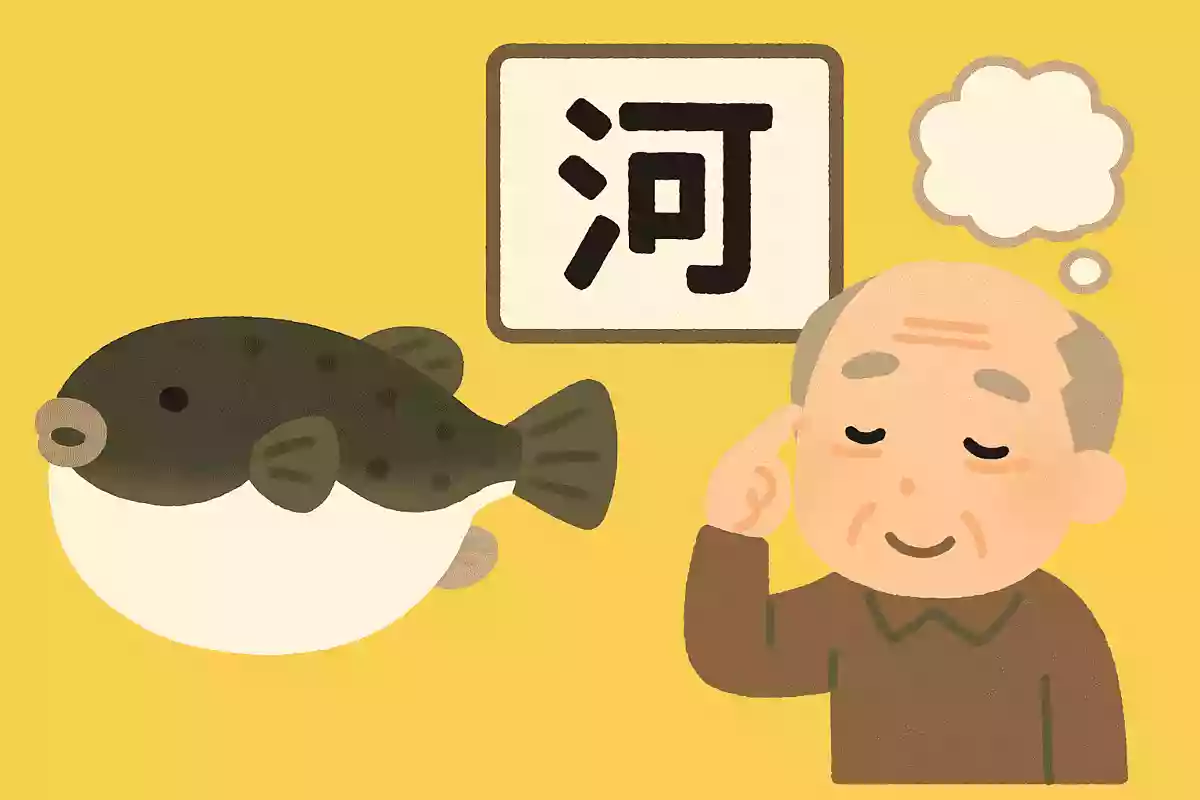
Fugu is pronounced “fugu,” and while it is considered a luxury fish, it is also known for being highly poisonous.
Its name is said to come from the fact that the tiger puffer eaten in China lives in freshwater and makes a pig-like grunting sound.
It’s called a “puffer fish” in English because it inflates its body to intimidate enemies—a fish that puffs up. It is also written with various kanji, such as 鰒, 鮐, 魨, 鯸, 鯺, and 吹吐魚.
It’s a fish many people hope to try at least once in their lifetime.