

![[For Seniors] How many can you read? A kanji quiz of familiar things that look readable but aren’t](https://media.ragnet.co.jp/img/1200__png__https://www.studiorag.com/files/2025/10/587a252a36ae586b8e914d289c544b96.webp)
[For Seniors] How many can you read? A kanji quiz of familiar things that look readable but aren’t

There are many kanji that we’ve been familiar with since ancient times yet, surprisingly, can’t quite read or write even though they look familiar.
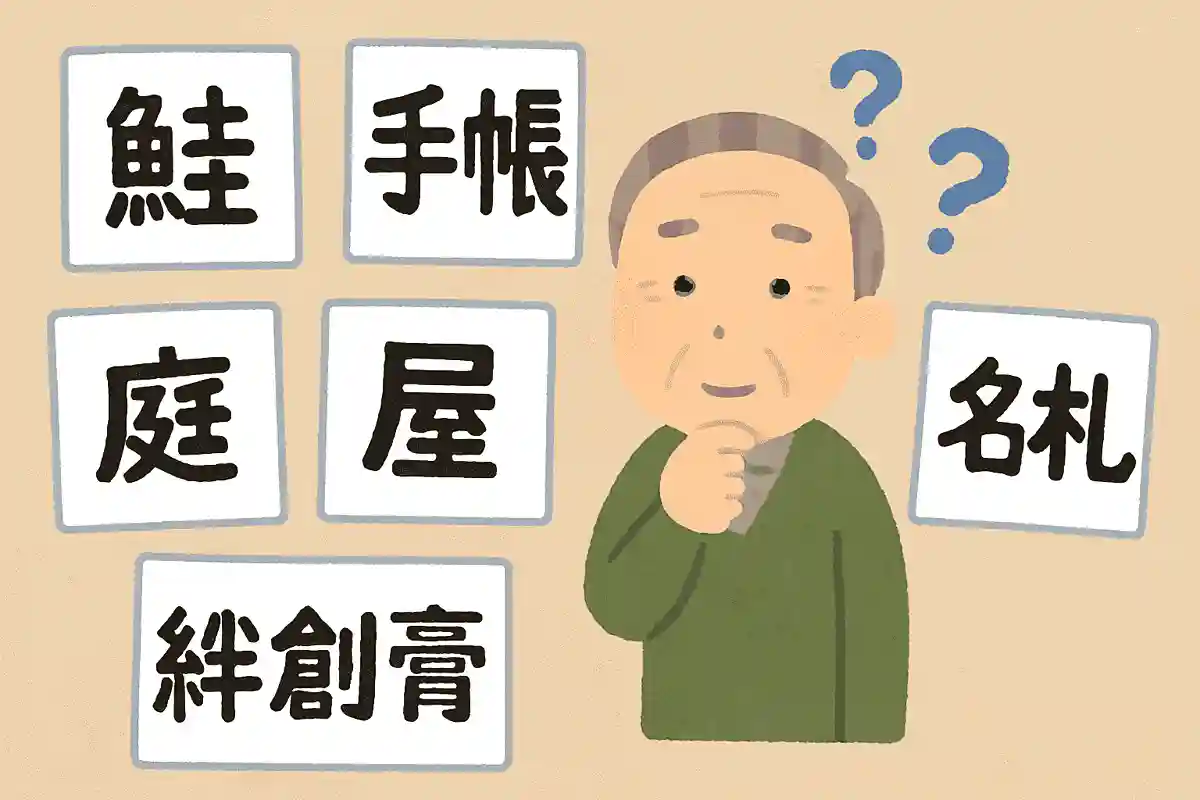
Even everyday items like “燐寸 (match),” “案山子 (scarecrow),” and “束子 (scrubbing brush)” can be baffling when written in kanji.
How about enjoying a reading quiz that gathers nostalgic kanji and words to stimulate the brain together with older adults and spark lively conversation? You’re sure to hear exclamations of surprise at the unexpected readings.
Once you’ve mastered how to read them, it’s also great practice to try writing them!
[For Seniors] How many can you read? A kanji quiz of everyday items that look readable but aren’t (1–10)
tokoroten (gelled noodle-like jelly made from agar)
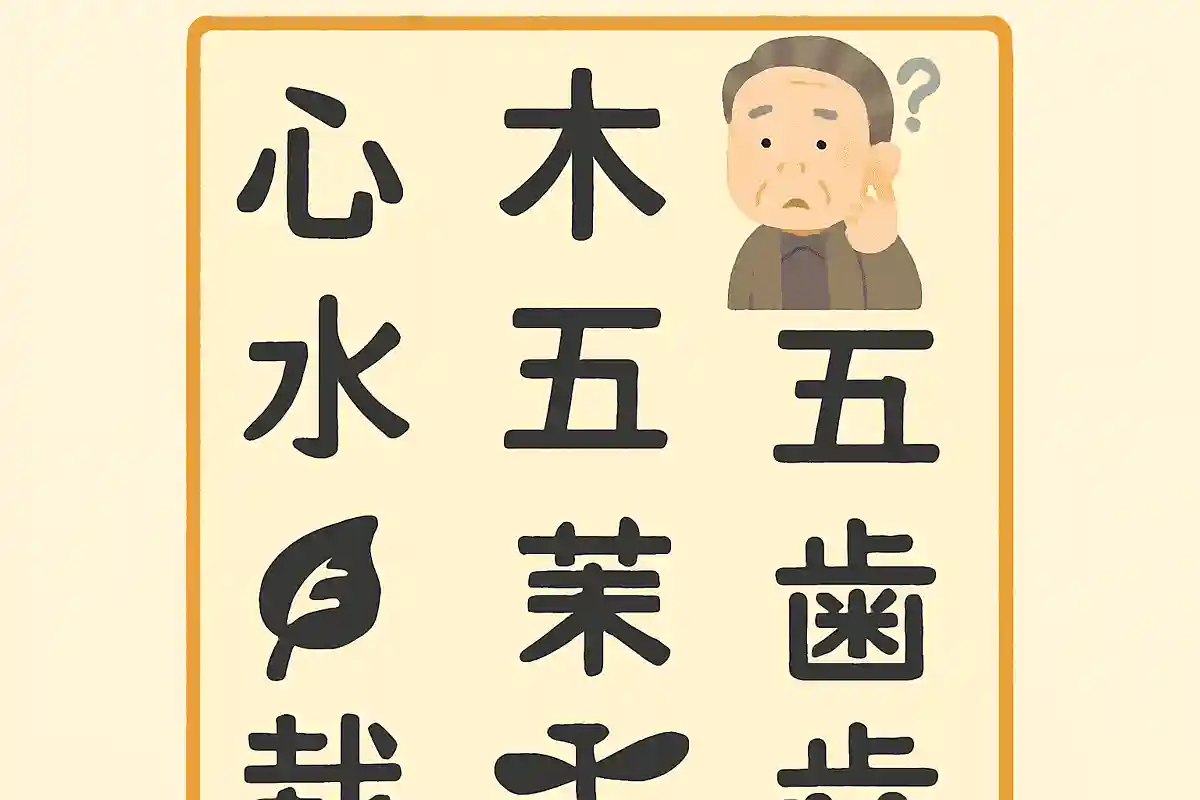
See the answer
tokoroten (gelled agar noodles)
Tokoroten is a food made by boiling and dissolving the seaweed called tengusa, chilling it to set, and then extruding it into long, noodle-like strands. It has been enjoyed since the Edo period as a refreshing summer treat. As for the origin of its reading, writing it as the kanji '心太' and reading it 'tokoroten' is ateji (phonetic kanji usage). It is said to derive from the Chinese term '心太,' which came to Japan and acquired a unique reading. Because it is usually written in katakana or hiragana, the kanji form is quite difficult to read.

Early summer rain
See the answer
early-summer rain
“五月雨” is read as “samidare.” In the old lunar calendar, the period around the fifth month corresponds to modern June and overlaps with the rainy season. Although it contains the character for “May,” it refers to a different time than the modern month of May, so be careful. The term has appeared in Japanese life and literature since ancient times and refers to long, gentle, persistent rain. The kanji seems readable but is surprisingly easy to misread, so make sure to remember it correctly.
yawn
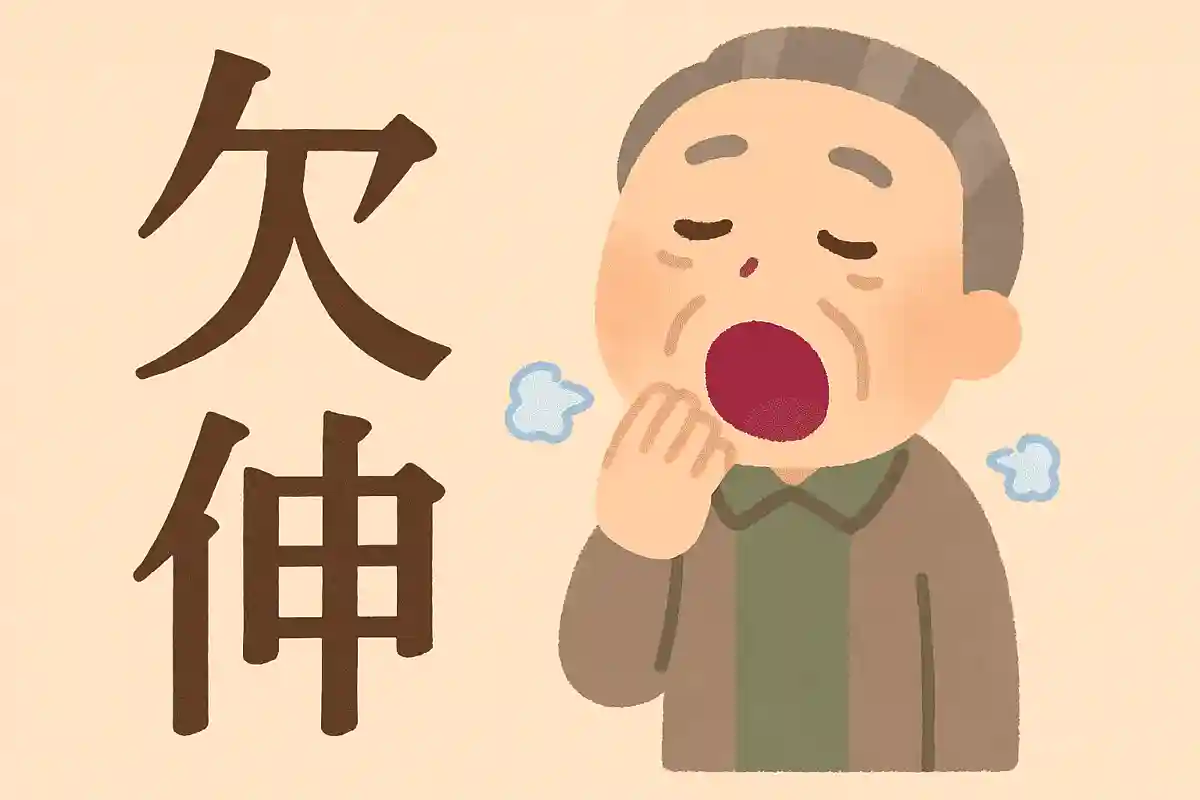
See the answer
yawn
“欠伸” is composed of the kanji “欠” (ketsu) and “伸” (shin), and it means the involuntary act of opening your mouth when you’re sleepy or bored—that is, a yawn. Although the reading isn’t obvious from the kanji alone, this is an ateji (phonetic/associative borrowing), coined from the image of “opening the mouth as if something is missing and stretching.” It’s one of those difficult-to-read kanji that even many older adults surprisingly can’t read, so it’s worth committing to memory.
udon
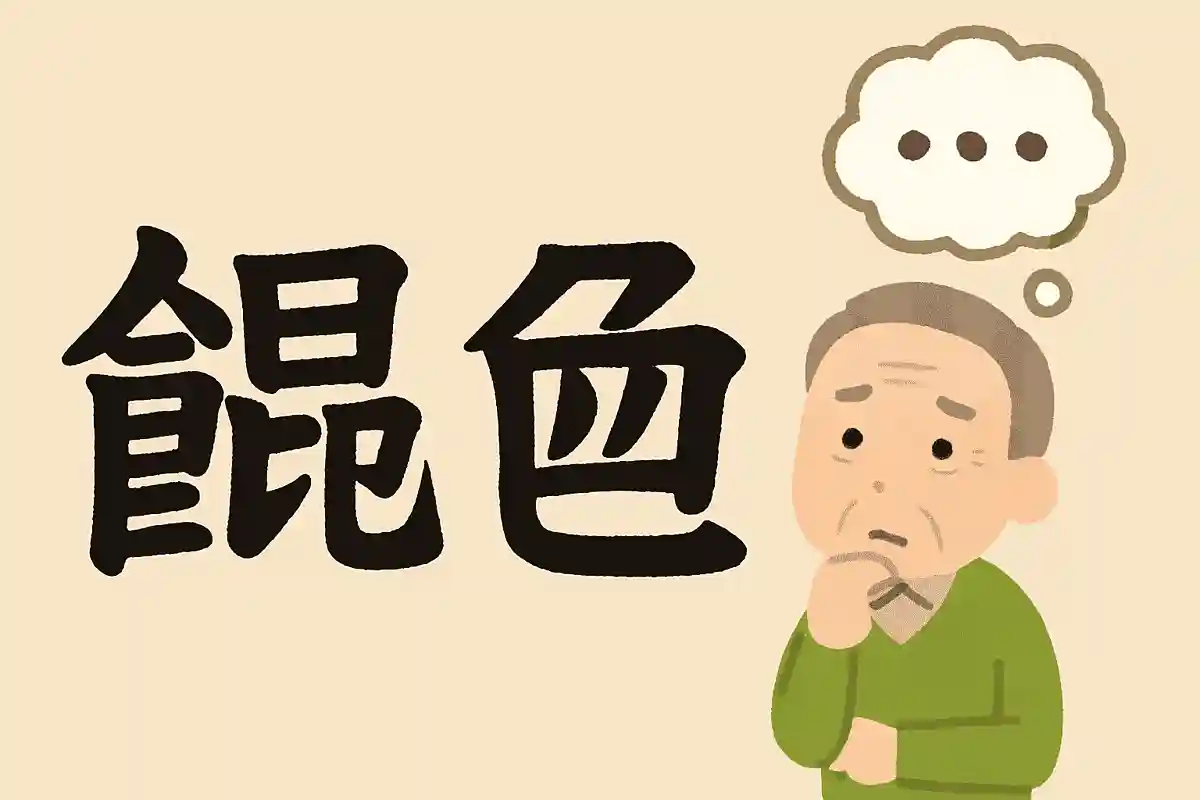
See the answer
udon
“Udon” refers to a traditional Japanese noodle dish. These kanji are uncommon, so few people may be able to read them, but “饂” is read as “u” and “飩” as “don.” The term originally came from China, but after arriving in Japan it developed independently into the current form known as udon. Udon is enjoyed by people of all ages—why not learn the kanji as well?
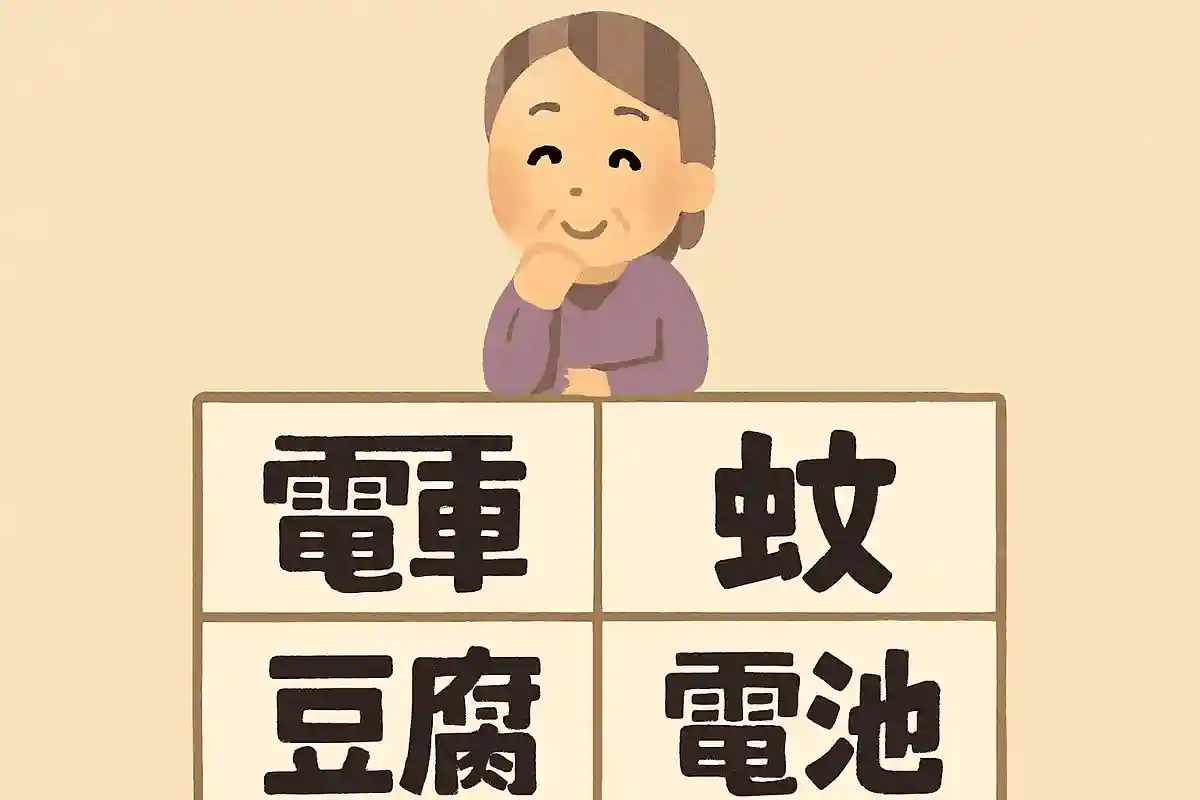
small fire
See the answer
small fire; minor blaze; grumble/complaint (context-dependent)
“Kobyo (boya)” refers to a small-scale fire or outbreak of fire, generally read as “boya.” It denotes a minor fire that can be extinguished quickly before it grows into a large blaze. This term is often used in newspapers and news reports, but in recent years it has appeared less in everyday conversation, leading to more people not knowing the correct reading. While the expression “小火 (boya)” is relatively familiar to older generations, younger people often misread it as “shōka.”
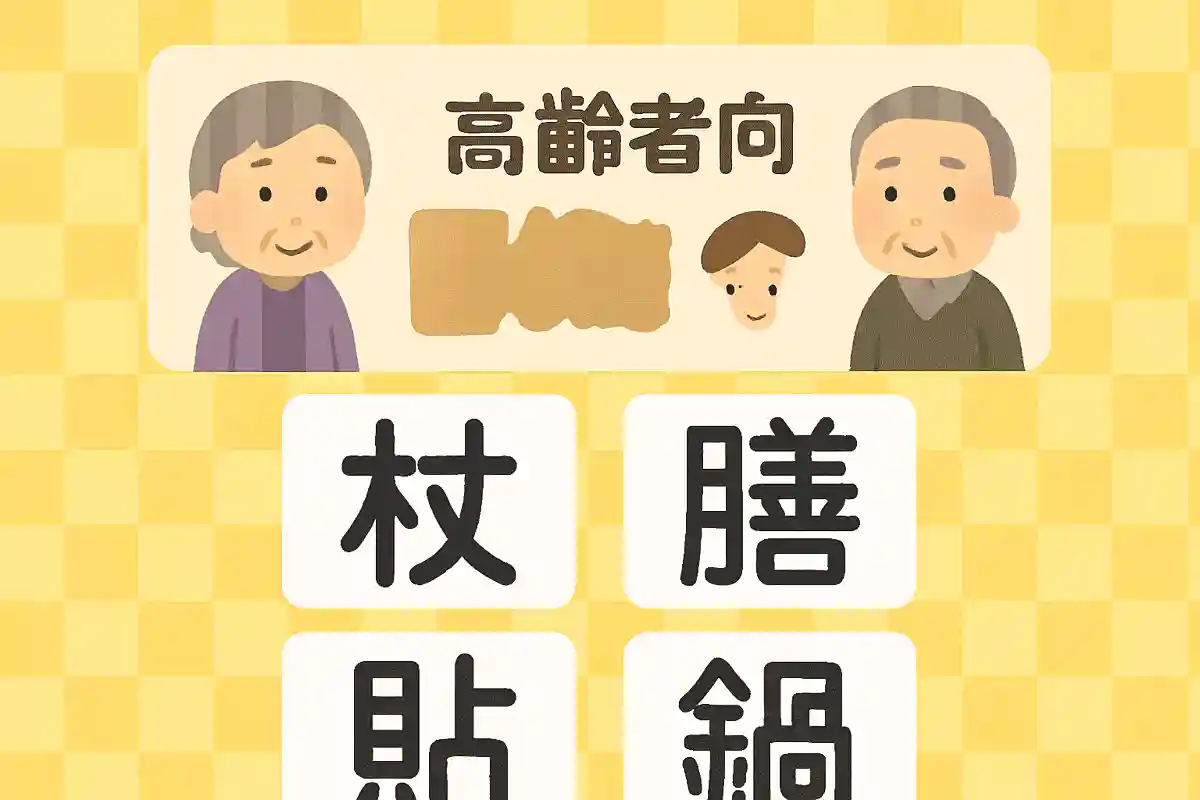
tawashi (scouring brush)
See the answer
scrubbing brush
A tawashi is a cleaning tool made by bundling fibers, used for washing dishes and vegetables. The character 束 (taba) means “to bundle,” and 子 (ko) is a suffix that denotes a tool. It’s familiar to many older people as tawashi, but surprisingly few know it’s written with the kanji 束子, so it often appears in kanji quizzes aimed at seniors. Because it’s usually written in hiragana in daily life, the kanji form is considered more difficult.
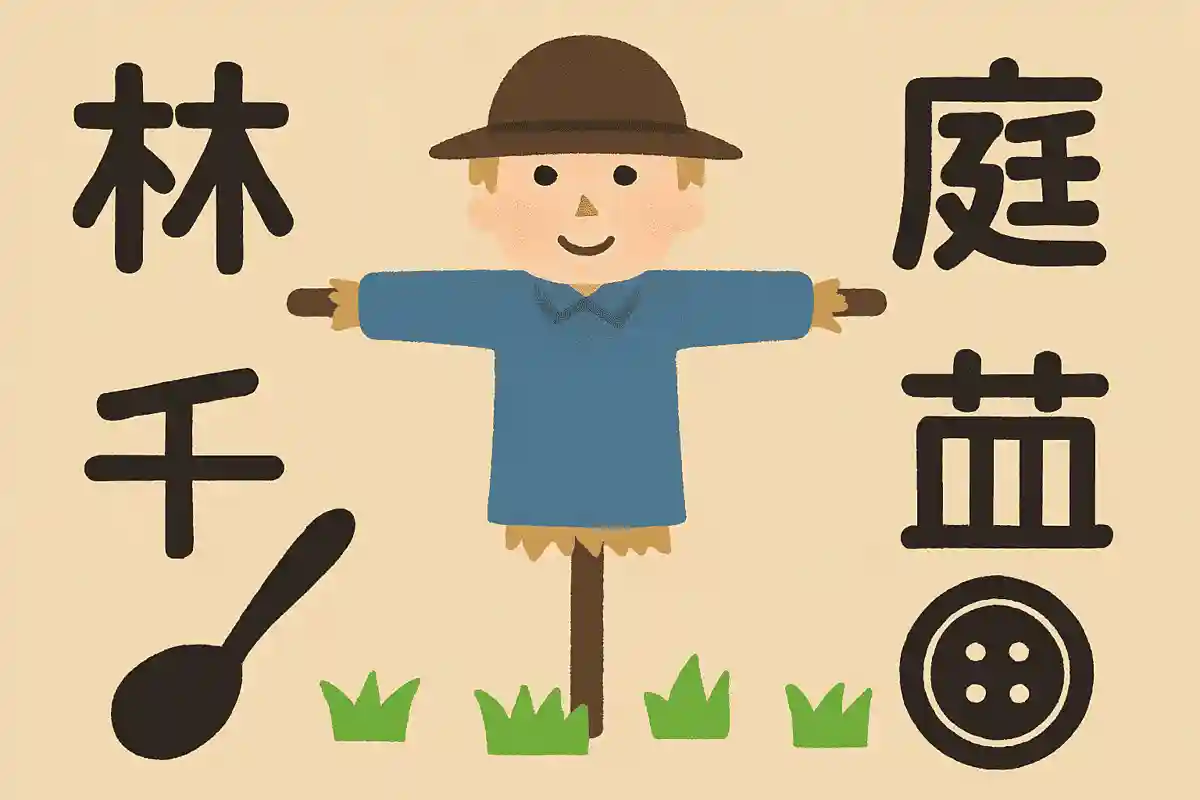
scarecrow
See the answer
scarecrow
“案山子” is read as “kakashi.” It has been made to stand in fields to protect crops by driving away birds and other animals. Sometimes it’s dressed in clothes like a doll or has a face drawn on it. Because we rarely encounter this kanji in everyday life, it’s known as one of those characters that look readable but often aren’t. Many people find it difficult because it includes the character “案,” but the correct reading is “kakashi.”