

[For Seniors] How many can you read? A kanji quiz of familiar things that look readable but aren’t

There are many kanji that we’ve been familiar with since ancient times yet, surprisingly, can’t quite read or write even though they look familiar.
Even everyday items like “燐寸 (match),” “案山子 (scarecrow),” and “束子 (scrubbing brush)” can be baffling when written in kanji.
How about enjoying a reading quiz that gathers nostalgic kanji and words to stimulate the brain together with older adults and spark lively conversation? You’re sure to hear exclamations of surprise at the unexpected readings.
Once you’ve mastered how to read them, it’s also great practice to try writing them!
- [For Seniors] Difficult-to-Read Kanji for Everyday Items: Take on a quiz full of surprises and discoveries
- [For Seniors] Fun and Exciting! Difficult Kanji Quiz
- [For Seniors] How many can you read? A comprehensive showcase of difficult food kanji
- [For Seniors] Challenging but Exciting! Kanji Quiz
- [For Seniors] Quiz on Kanji with Many Strokes
- [For Seniors] Looks readable but you can't read it! Fish Kanji Quiz
- [For Seniors] Prevent Dementia with a Look-Alike Kanji Quiz! Introducing Commonly Confused Characters in a Multiple-Choice Format
- [For Seniors] Let’s Have Fun with an Autumn Flower Kanji Quiz! A Collection of Kanji That Look Readable but Aren’t
- [For Seniors] Perfect for Dementia Prevention! Jumbled Kanji Quiz
- [For Seniors] Let’s Get Excited with a Winter Flower Kanji Quiz! Introducing Some Challenging Questions
- [For Seniors] Kanji Decomposition Quiz: Assemble the scattered characters
- [For Seniors] Kanji Quiz on Flowers: From Easy Questions to Tough Challenges, All in One Go
- [For Seniors] Difficult Country Names Kanji Quiz
[For Seniors] How many can you read? A kanji quiz of everyday items that look readable but aren’t (1–10)
wasabi
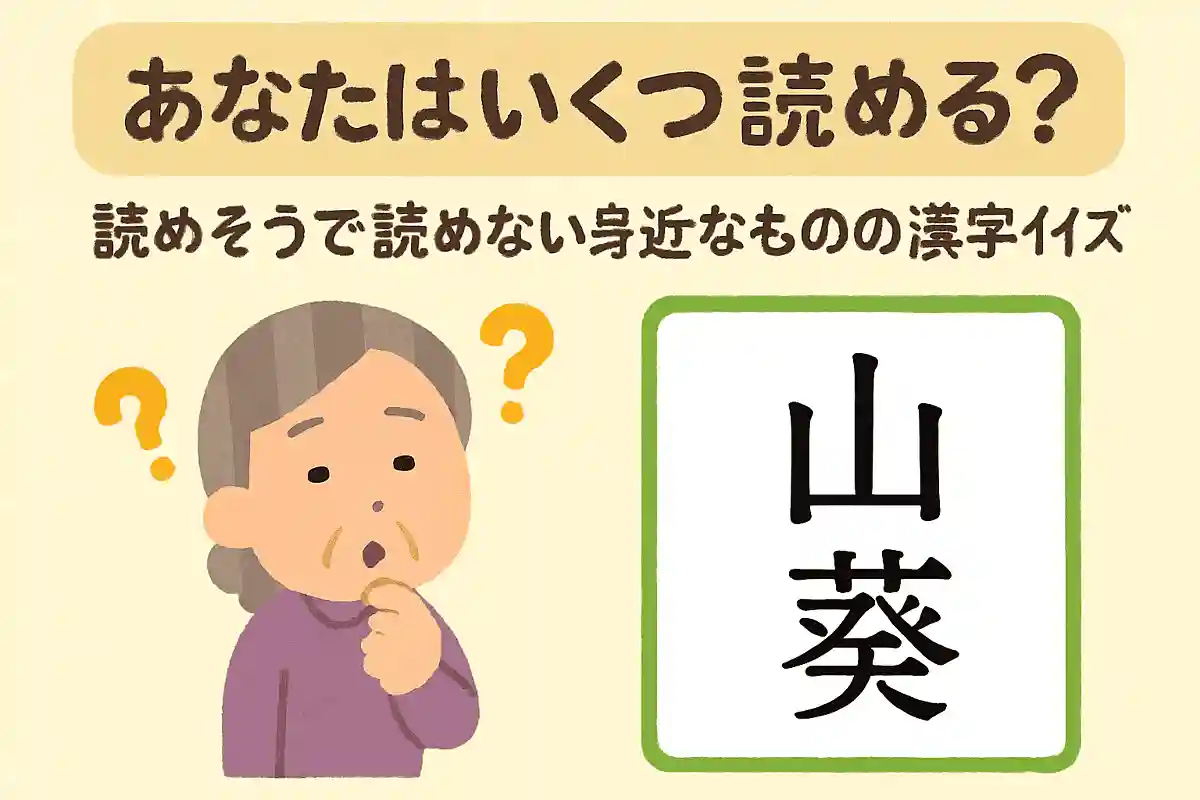
See the answer
wasabi
It’s written as “山葵” and read “wasabi.” Wasabi is a plant native to Japan, and its rhizome is grated and used as a condiment. It’s known for its distinctive pungency and aroma, and is often served with sashimi and sushi; it’s also sold in tubes. Because it uses the difficult character 葵 under 山, many people can’t read it at a glance, but it’s one of the kanji worth knowing for anyone familiar with Japanese cuisine and washoku culture.

Yubaba
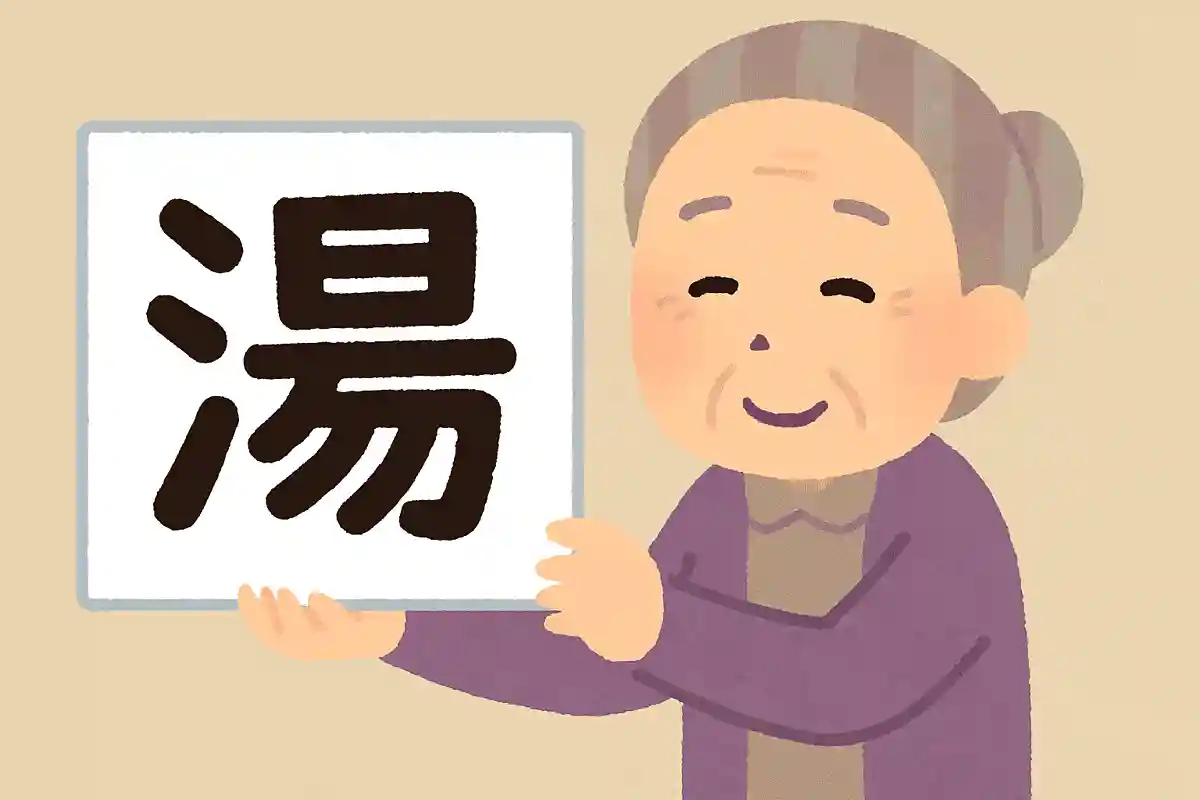
See the answer
hot water bottle
“湯湯婆” is read as “yutanpo.” Nowadays it’s often written as “湯たんぽ” using kanji and hiragana, but this kanji-only spelling is the traditional form. It’s a device you fill with hot water to keep warm; by placing it in your bedding, it helps keep your body warm while you sleep. It’s a familiar everyday item for many older people, and recently it’s been drawing renewed attention as an eco-friendly heating option.
match(es)
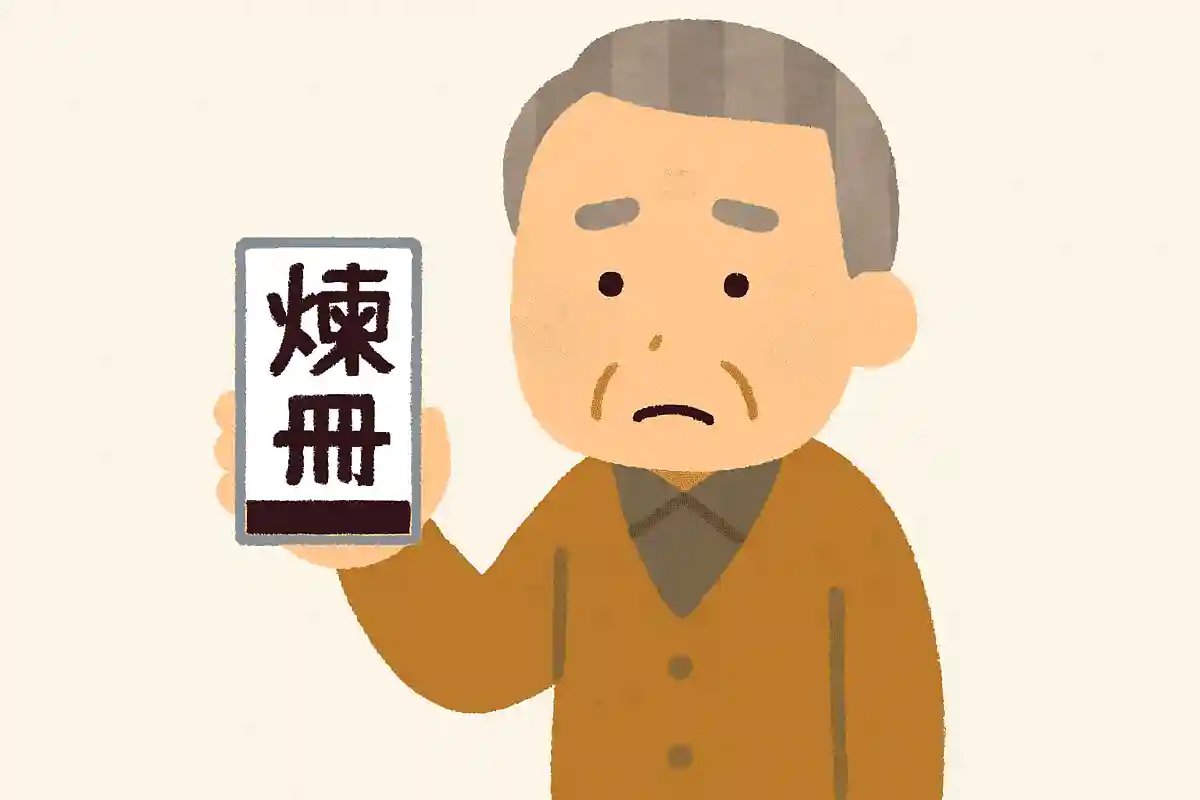
See the answer
match
“Rinchin (match)” refers to small sticks used to start a fire. The name comes from the fact that phosphorus, a chemical substance, was used in the past. In everyday writing, it’s usually written in katakana as “マッチ” (match), and the kanji form is rarely seen. It’s a familiar tool for older people, but younger generations may have fewer opportunities to use it. The kanji reading is difficult, but knowing it can be a good conversation piece.
[For Seniors] How many can you read? A kanji quiz on everyday things that look readable but aren’t (11–20)
dandelion
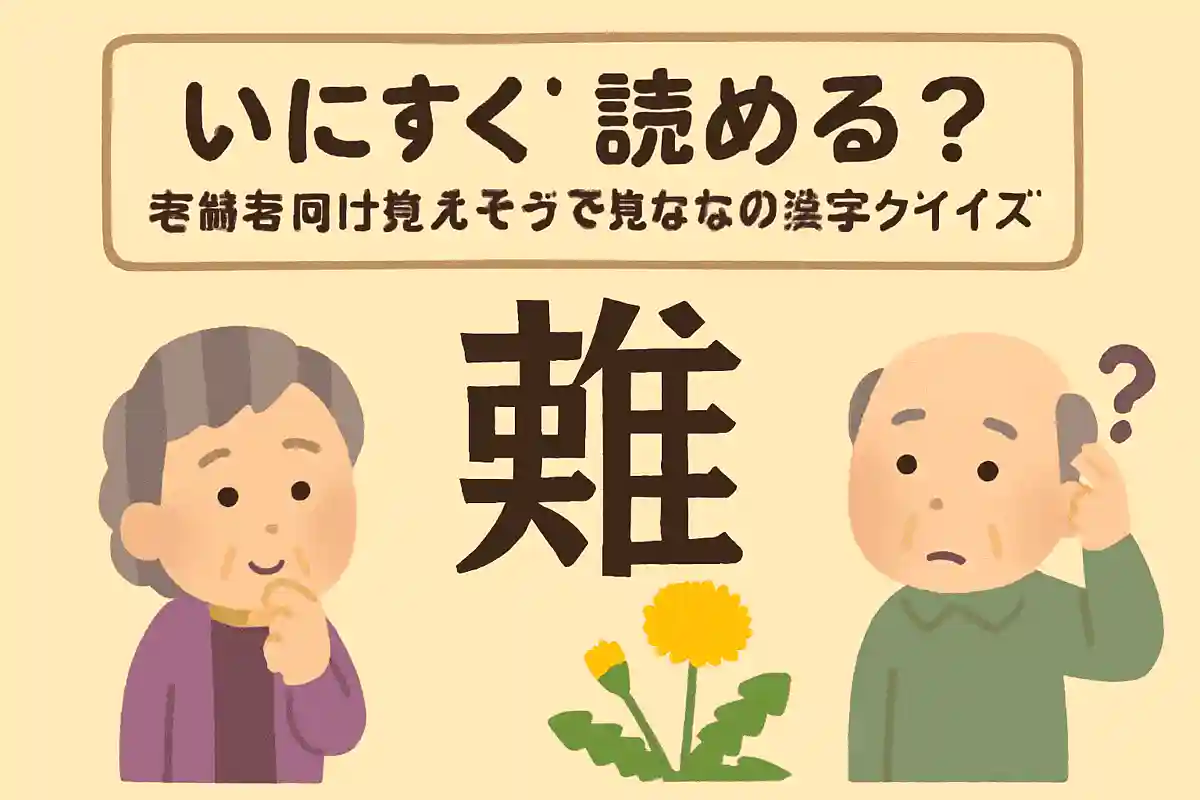
See the answer
dandelion
“Dandelion (tanpopo)” is the name of the yellow flower you see along roadsides and in fields in spring, and it’s a very familiar plant in Japan. The kanji were transmitted from China: “蒲” refers to cattail, and “公英” is said to have been named based on the flower’s characteristics. However, in Japanese it is generally called “tanpopo,” usually written in hiragana or katakana, and the kanji rendering is somewhat difficult to read.
chonmage (traditional Japanese topknot hairstyle)
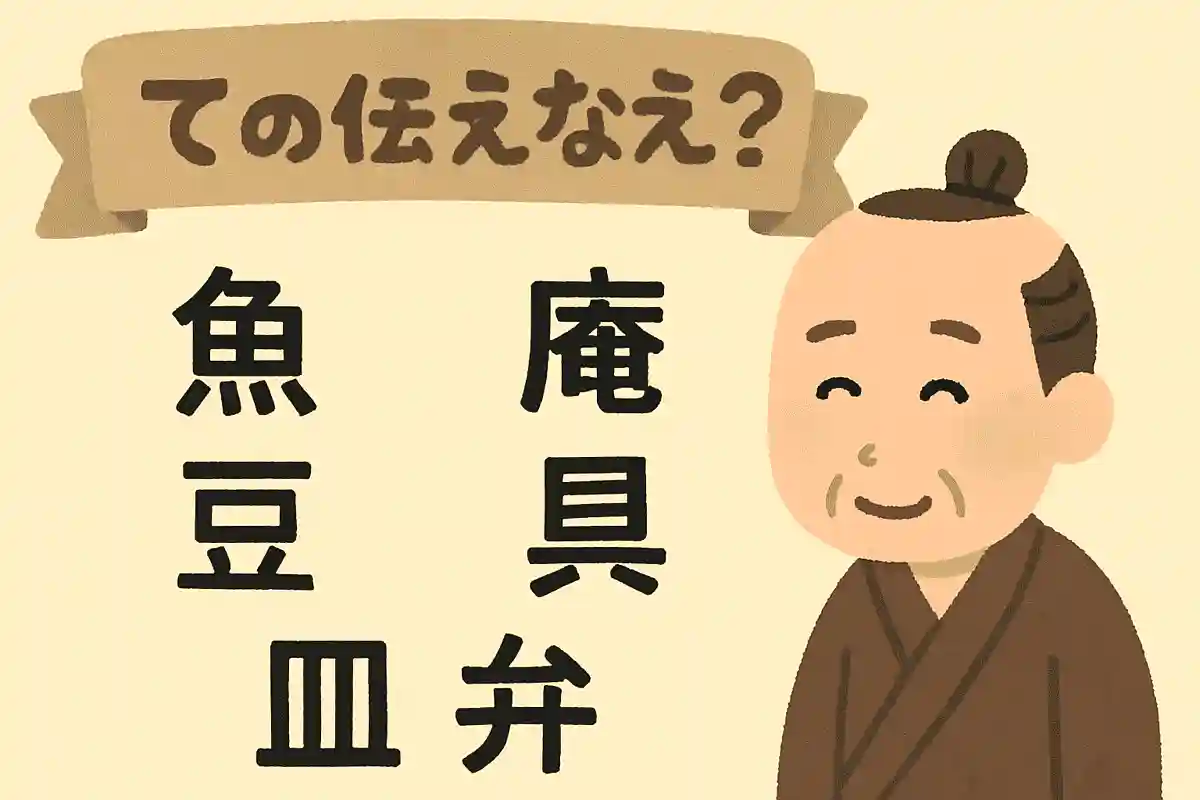
See the answer
chonmage (a traditional Japanese topknot hairstyle)
“丁髷” is read as “chonmage.” It is one of Japan’s traditional hairstyles, mainly worn by samurai and townspeople during the Edo period. The hair on the crown of the head is shaved, and the remaining hair is gathered at the back and tied into a ring-like topknot. In modern times, it is rarely seen in everyday life and is recognized as a hairstyle often seen on sumo wrestlers or in period dramas. Also, the character 丁 is an ateji (phonetic substitute) read as “chon,” and 髷 (mage) means “tied-up hair.” The kanji can be unexpectedly tricky to read, so knowing it can make for a good conversation topic.
garlic

See the answer
garlic
“大蒜” is read as “ninniku” (garlic). Garlic is known for its use in flavoring dishes and for its health benefits, but the kanji spelling is not very common. “大” means big, and “蒜” is a character that refers to plants of the Allium genus. In old Japan and China, garlic was valued as an herbal medicine, and its effects have long been familiar. Because it’s often written in hiragana or katakana in everyday use, many people surprisingly can’t read this kanji.
Singapore
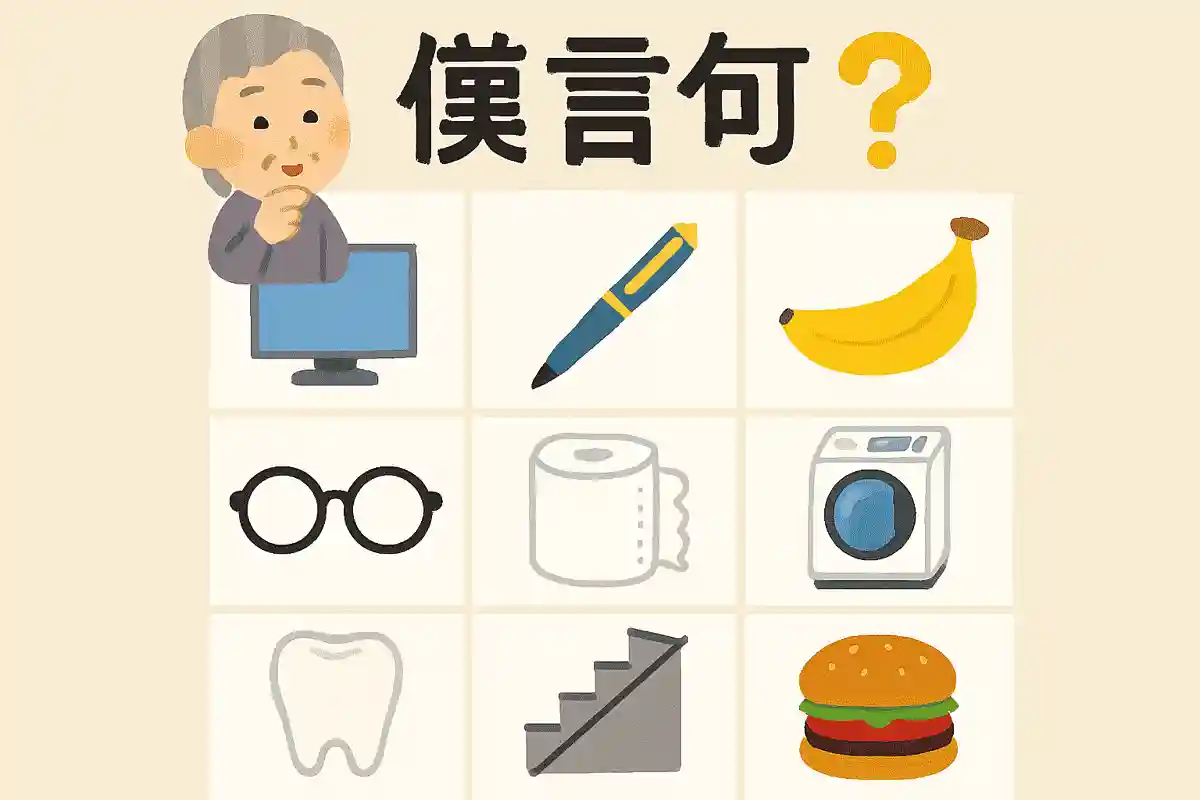
See the answer
Singapore
“新嘉坡” is an ateji (phonetic kanji rendering) for present-day Singapore. This notation was commonly used to write foreign place names in kanji, especially in newspapers and books from the Meiji era through the early Showa period. The characters approximate the sounds: 新 = shin, 嘉 = ga, 坡 = pō (po/por). Today, Singapore is almost always written in katakana as シンガポール, but many older people may recognize this kanji form from news reports or archival materials.