

[For Seniors] How many can you read? A kanji quiz of familiar things that look readable but aren’t

There are many kanji that we’ve been familiar with since ancient times yet, surprisingly, can’t quite read or write even though they look familiar.
Even everyday items like “燐寸 (match),” “案山子 (scarecrow),” and “束子 (scrubbing brush)” can be baffling when written in kanji.
How about enjoying a reading quiz that gathers nostalgic kanji and words to stimulate the brain together with older adults and spark lively conversation? You’re sure to hear exclamations of surprise at the unexpected readings.
Once you’ve mastered how to read them, it’s also great practice to try writing them!
- [For Seniors] Difficult-to-Read Kanji for Everyday Items: Take on a quiz full of surprises and discoveries
- [For Seniors] Fun and Exciting! Difficult Kanji Quiz
- [For Seniors] How many can you read? A comprehensive showcase of difficult food kanji
- [For Seniors] Challenging but Exciting! Kanji Quiz
- [For Seniors] Quiz on Kanji with Many Strokes
- [For Seniors] Looks readable but you can't read it! Fish Kanji Quiz
- [For Seniors] Prevent Dementia with a Look-Alike Kanji Quiz! Introducing Commonly Confused Characters in a Multiple-Choice Format
- [For Seniors] Let’s Have Fun with an Autumn Flower Kanji Quiz! A Collection of Kanji That Look Readable but Aren’t
- [For Seniors] Perfect for Dementia Prevention! Jumbled Kanji Quiz
- [For Seniors] Let’s Get Excited with a Winter Flower Kanji Quiz! Introducing Some Challenging Questions
- [For Seniors] Kanji Decomposition Quiz: Assemble the scattered characters
- [For Seniors] Kanji Quiz on Flowers: From Easy Questions to Tough Challenges, All in One Go
- [For Seniors] Difficult Country Names Kanji Quiz
[For Seniors] How many can you read? A kanji quiz on everyday things that look readable but aren’t (11–20)
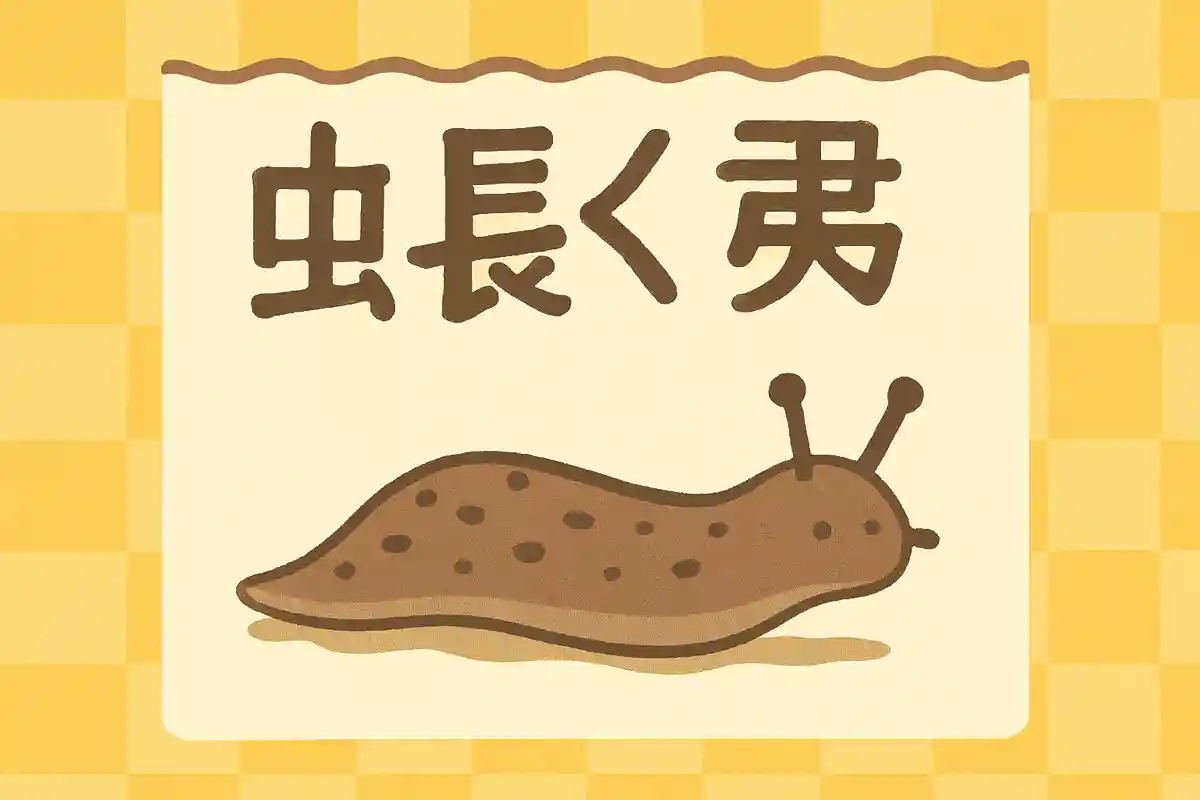
slug
See the answer
slug
“蛞蝓” is read as “namekuji,” meaning slug. It’s a mollusk without a shell, like a snail, and in Japan it’s often seen during the rainy season or in damp places. The kanji came from China and is famous as a difficult-to-read character. Along with “蝸牛” (katatsumuri, snail), it’s one of the characters that even older people often mistake.

In conclusion
Even with kanji we’re used to seeing, there are surprisingly many that look readable but leave us stumped. When you encounter an unfamiliar character, exploring the origins and meanings hidden in each kanji may lead to new discoveries. Let’s enjoy the depth of the Japanese language together through kanji quizzes—which can also be great conversation starters with older adults.