

[For Seniors] Prevent Dementia with a Look-Alike Kanji Quiz! Introducing Commonly Confused Characters in a Multiple-Choice Format

Can you immediately tell which kanji are correct: “貸す” or “貨す,” “失敗” or “矢敗”? Even words we use every day often have similar-looking kanji that make us hesitate when we go to write them.
So this time, we’re introducing a quiz on look-alike kanji that seniors can also enjoy.
The questions use familiar, everyday expressions like “measure blood pressure” (血圧を測定する) and “take a vision test” (視力検査をする), making them easy to engage with.
Spend a pleasant time with family or friends, thinking together about which kanji are correct.
- [For Seniors] How many can you read? A kanji quiz of familiar things that look readable but aren’t
- [For Seniors] Fun and Exciting! Difficult Kanji Quiz
- [For Seniors] Difficult-to-Read Kanji for Everyday Items: Take on a quiz full of surprises and discoveries
- [For Seniors] How many can you read? A comprehensive showcase of difficult food kanji
- [For Seniors] Challenging but Exciting! Kanji Quiz
- [For Seniors] Quiz on Kanji with Many Strokes
- [For Seniors] Perfect for Dementia Prevention! Jumbled Kanji Quiz
- [For Seniors] Looks readable but you can't read it! Fish Kanji Quiz
- [For Seniors] Let’s Have Fun with an Autumn Flower Kanji Quiz! A Collection of Kanji That Look Readable but Aren’t
- [For Seniors] Kanji Decomposition Quiz: Assemble the scattered characters
- [For Seniors] Kanji Quiz on Flowers: From Easy Questions to Tough Challenges, All in One Go
- [For Seniors] Let’s Get Excited with a Winter Flower Kanji Quiz! Introducing Some Challenging Questions
- [For Seniors] Difficult Country Names Kanji Quiz
[For Seniors] Prevent Dementia with a Look-Alike Kanji Quiz! Commonly Confused Characters in Multiple-Choice Format (1–10)
At the ophthalmology clinic, you undergo a vision test. Which is the correct kanji for “ken” in this context?
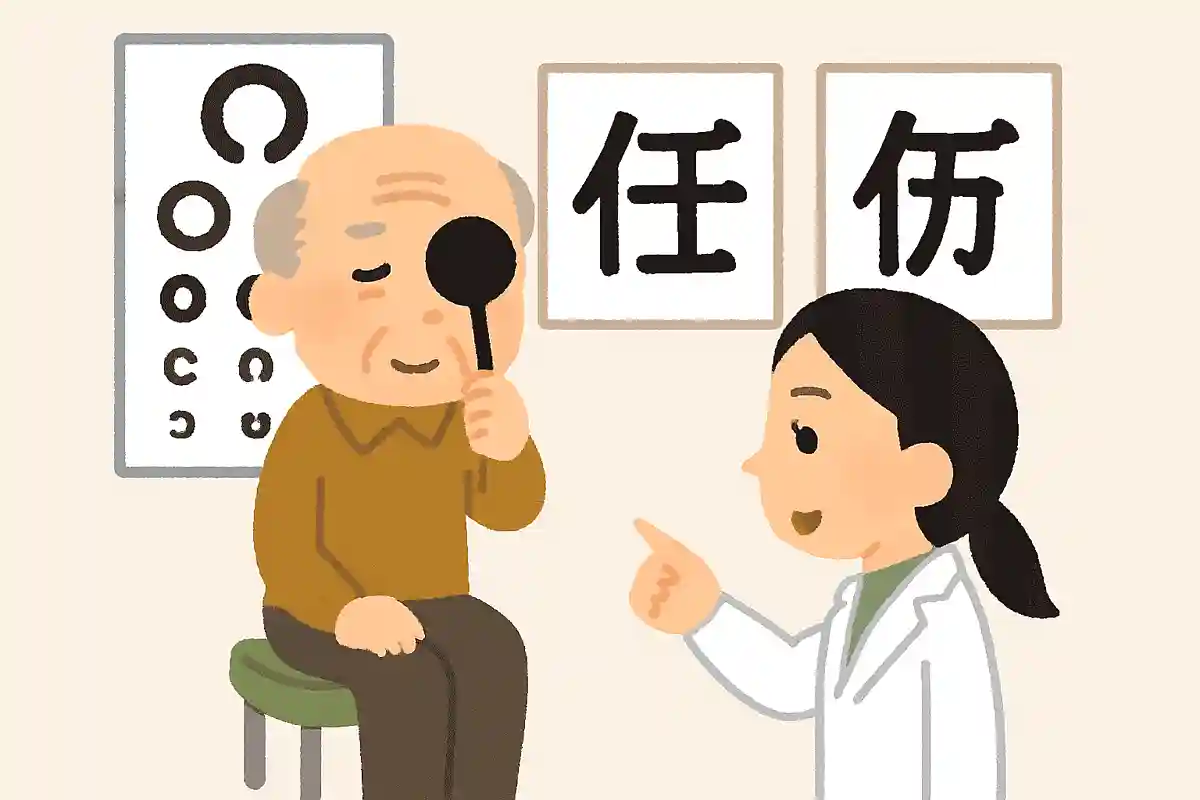
- inspection
- precipitous; steep; perilous
See the answer
inspection
The correct answer is “検.” “検査” means to examine or inspect something. On the other hand, “険,” as in “危険” (danger) or “険しい” (steep/harsh), primarily represents something dangerous or a rugged condition. In ophthalmology, a “visual acuity test” (視力検査) is performed to examine the condition of the eyes.

My hobby is reading short stories. Which is the correct kanji for “setsu”?
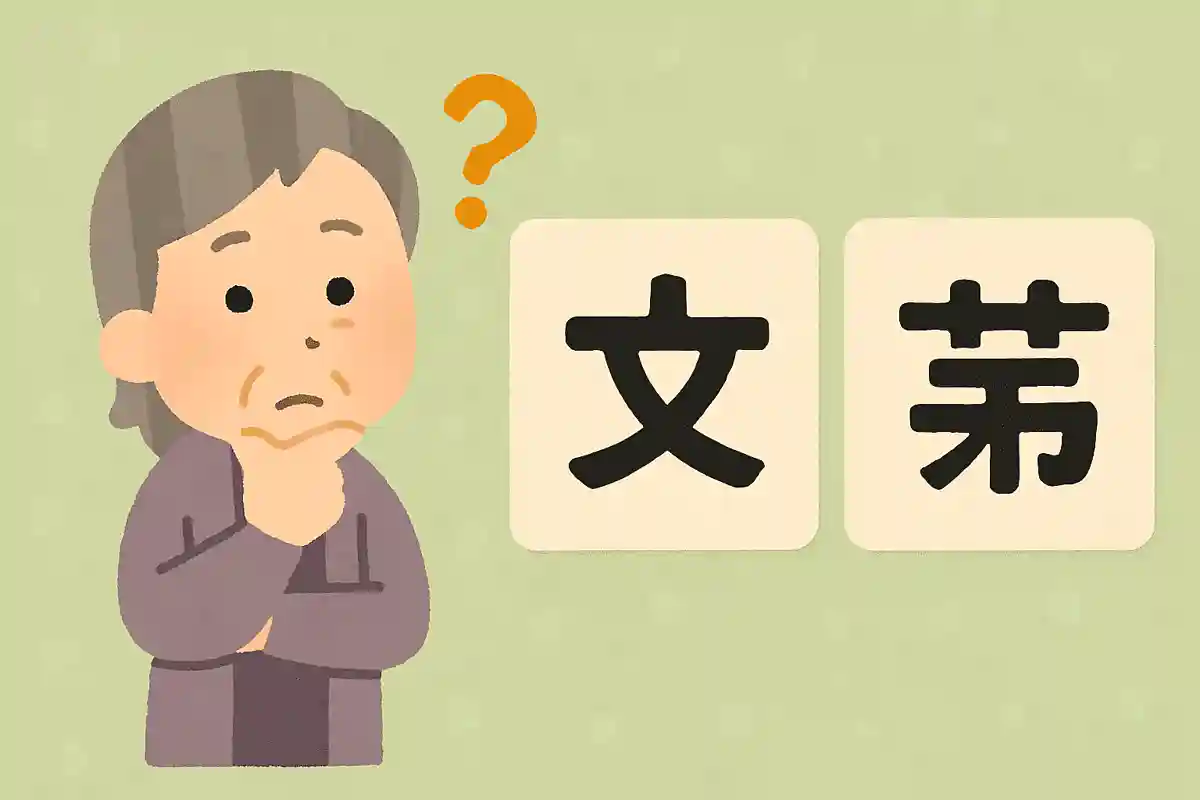
- establish; set up; provision; plan (depending on context)
- theory; explanation; opinion; doctrine; view
See the answer
theory; explanation; opinion; doctrine; view
The correct answer is “説.” “小せつ” is written as “小説” and refers to literary works of stories or fiction. “説” carries the meaning of “to speak in words” or “to narrate.” On the other hand, “設” is used in words like “設計” (design) and “設置” (installation), and mainly means to build structures or to set up facilities or systems.
Measure blood pressure. Which kanji is correct for “soku” in this context? (Answer: 測 — 血圧を測定する)
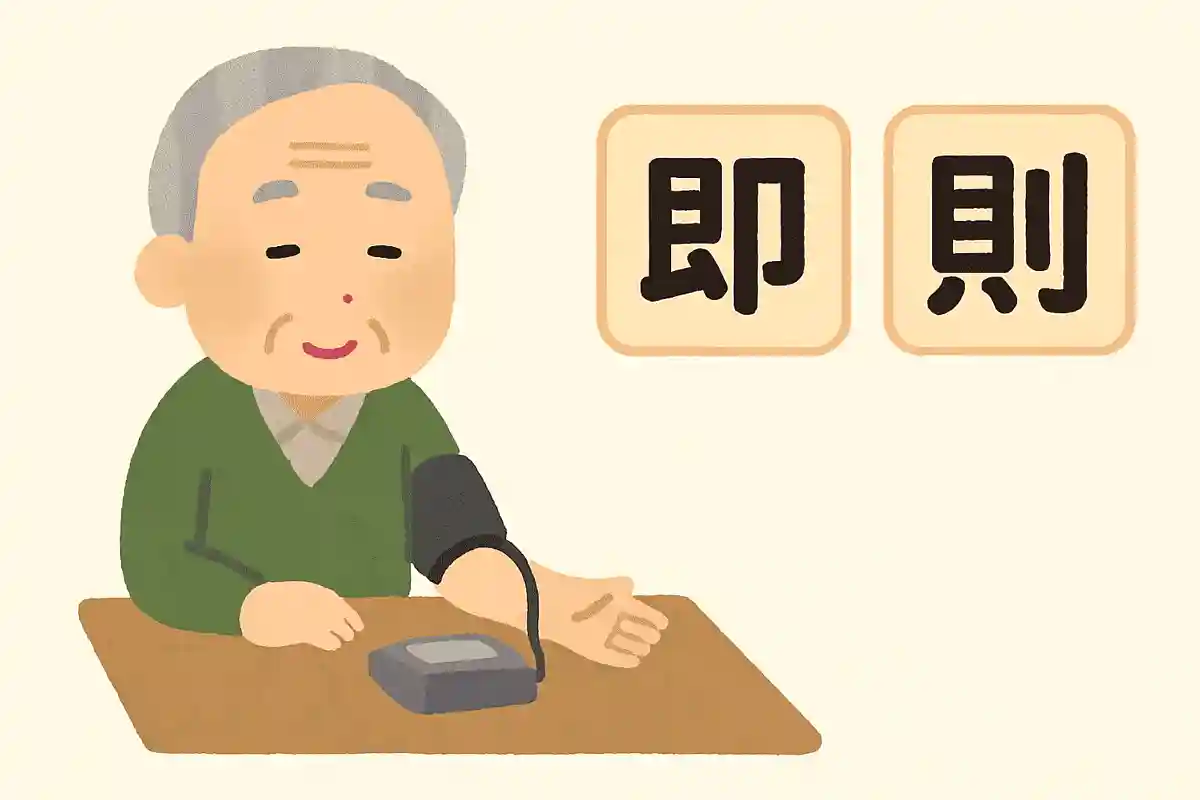
- side
- measure
See the answer
measure
The “soku” used in the expression “血圧をそく定する” is the character 測. 測 means “to measure” and is used for measuring things as numerical values, such as length, height, quantity, temperature, and blood pressure. On the other hand, 側 means “side” or “beside” and is used to indicate the position or direction of people or objects.
[For Seniors] Prevent Dementia with Look‑Alike Kanji Quizzes! A Multiple-Choice Introduction to Commonly Confused Characters (11–20)
At this zoo, the mother and baby bears are popular. Which is the correct kanji for “kuma” (bear)?
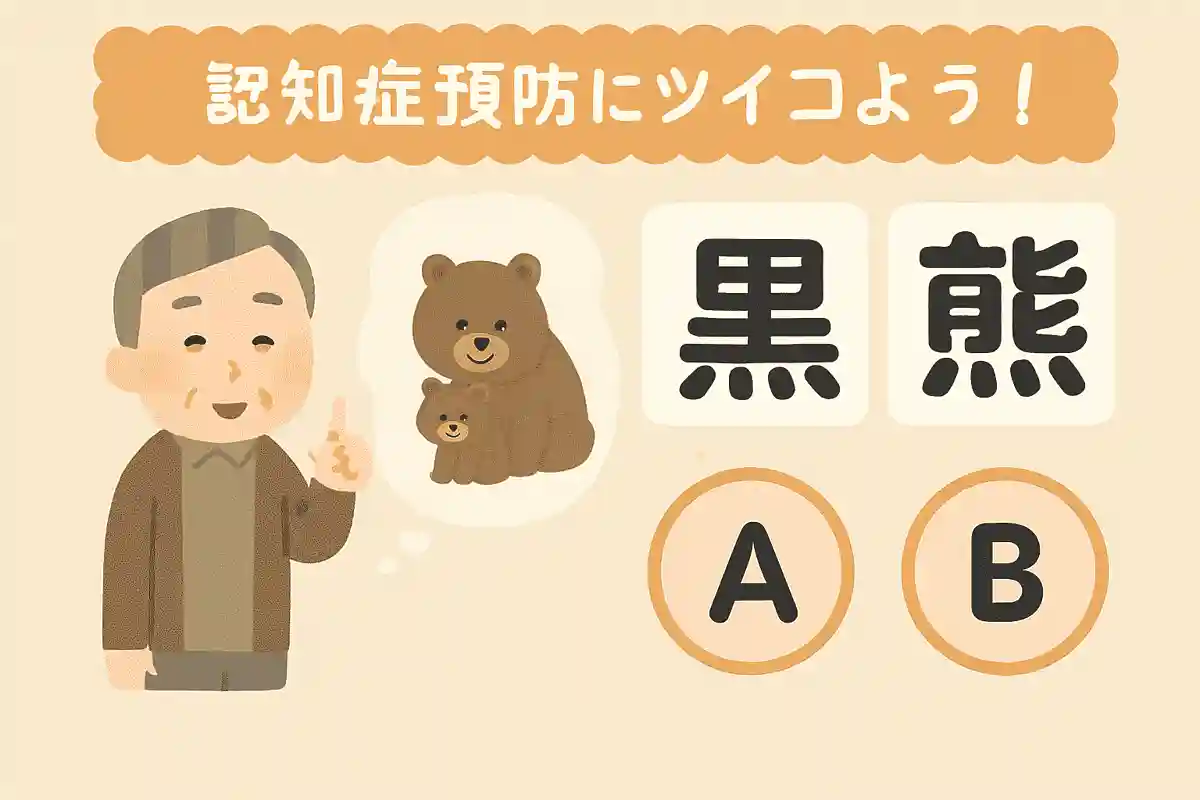
- state; condition; appearance; manner; attitude (depending on context)
- bear
See the answer
bear
The correct kanji that represents the animal “kuma” (bear) is 熊. 熊 is the kanji that denotes the animal bear, while 態 is used in words like 状態 (state) and 態度 (attitude) and is unrelated to animals.
There is no uniform at my grandchild’s elementary school. Which is the correct kanji for “sei”?
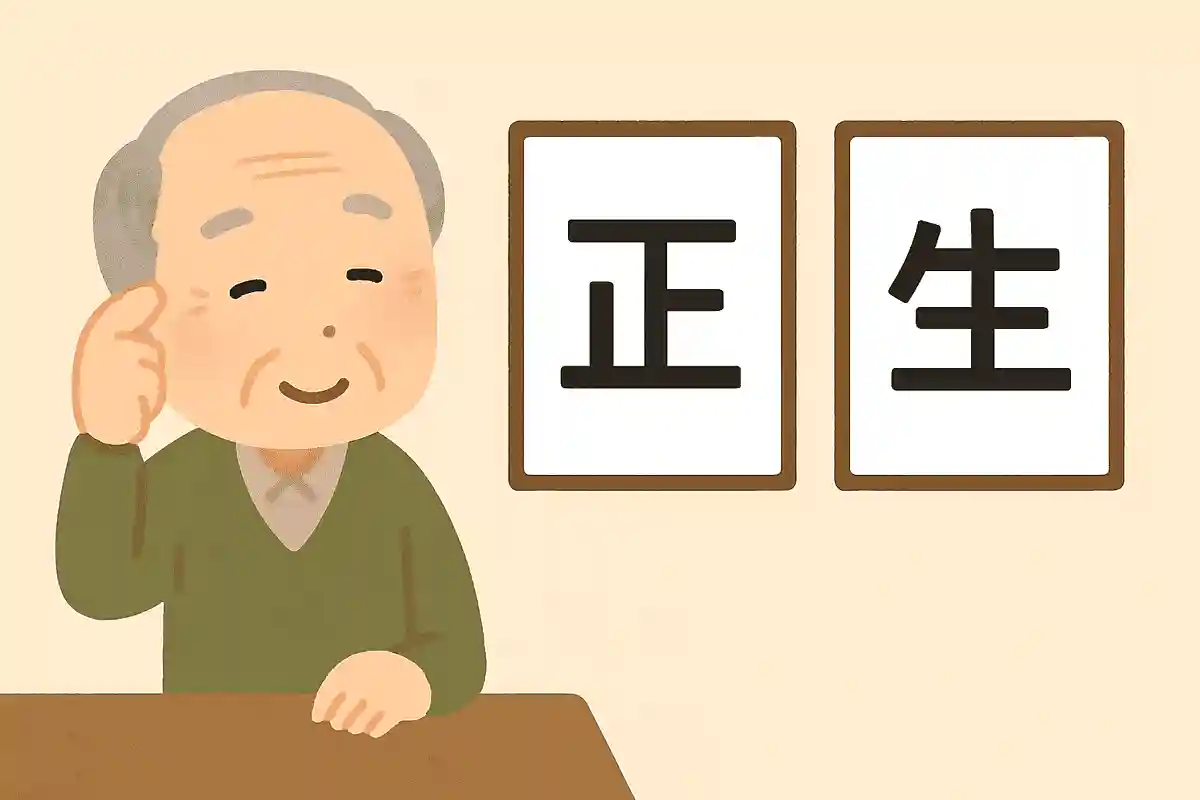
- control
- made; manufactured; product of
See the answer
control
The correct answer is “制.” “制服” refers to clothing designated by a school or similar institution. “制” expresses rules or regulations, so “制服” means clothing that is prescribed. “製” means “to make/produce,” and is used in words like “製品” (product) and “製造” (manufacturing).
My father is a furniture craftsman. Which kanji is correct for ‘shoku’?
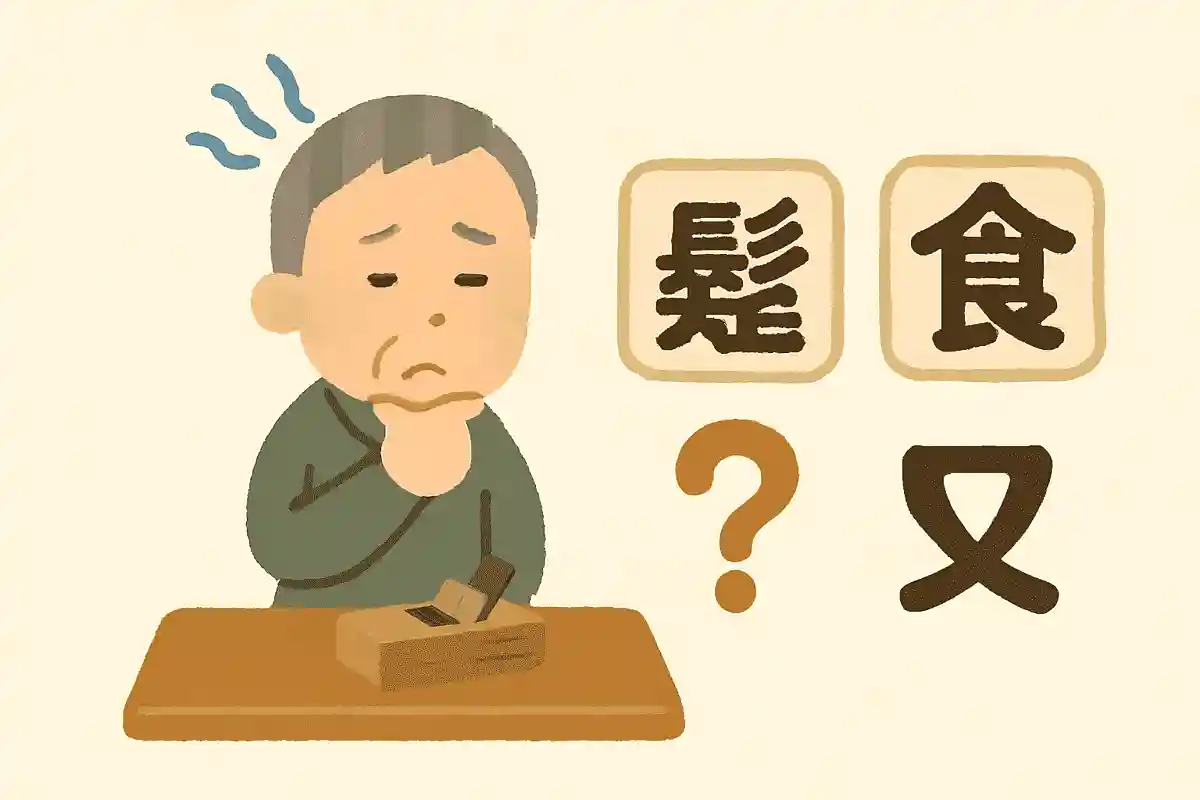
- weave
- job; occupation; profession; work; position
See the answer
job; occupation; profession; work; position
The correct answer is “職” (shoku). A “家具職人” (kagu shokunin) refers to a person whose occupation is making furniture. The character “職” means occupation or work. On the other hand, “織” (ori) is a character used with meanings like “to weave cloth.”
I live in Tokyo Metropolis. Which is the correct kanji for “sumu” (to live)?
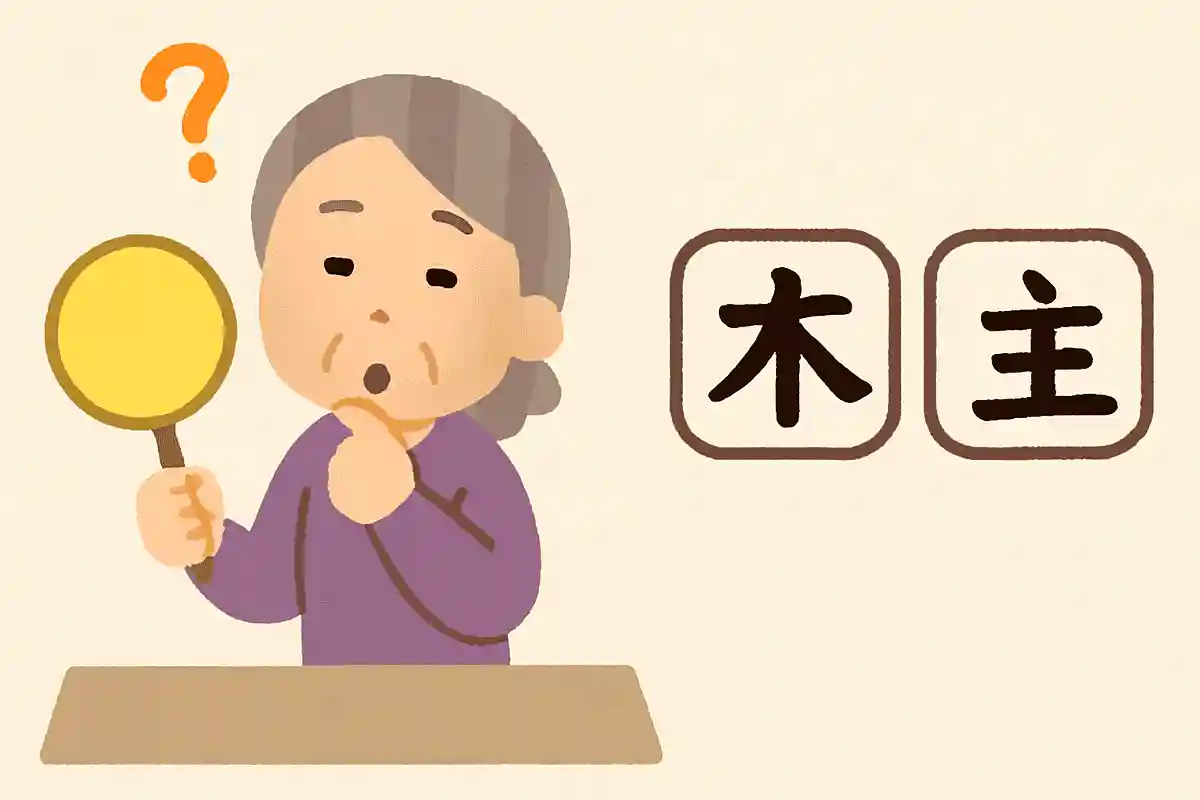
- live; reside; dwelling (context-dependent)
- to go; to head toward; past (as a prefix, e.g., former)
See the answer
live; reside; dwelling (context-dependent)
The word “sumu” is written with the kanji 住む. This means that a person settles down and lives in a house or on land. On the other hand, 往 means “to go” or “to head toward,” and is used in words like 往復 (round trip) and 往来 (coming and going).