

[For Seniors] Where Do You Break It? Liven Things Up with a Fun Word-Splitting Quiz

“Tōryūmon,” “Sei Shōnagon,” “helicopter”…
Even words we use without thinking can be surprisingly tricky when you stop to consider where the proper breaks are.
Quizzes about where to split words can spark curiosity about their origins and etymology, and they’re also fun brain teasers.
In this article, we present word-splitting quizzes—focused on terms familiar to older adults—that will make you think, “Aha, that makes sense!” We’ve gathered words that are especially often misunderstood, so you’re sure to encounter surprises and delights.
Try pondering them together with family or friends and rediscover the fun of language.
- [For Seniors] Difficult-to-Read Kanji for Everyday Items: Take on a quiz full of surprises and discoveries
- [For Seniors] Fun and Exciting! Difficult Kanji Quiz
- [For Seniors] Kanji Decomposition Quiz: Assemble the scattered characters
- [For Seniors] How many can you read? A kanji quiz of familiar things that look readable but aren’t
- [For Seniors] Challenging but Exciting! Kanji Quiz
- [Brain Training] Lively Word Quiz for Seniors
- [For Seniors] Quiz on Kanji with Many Strokes
- [For Seniors] Fun and Lively! Recommended Quiz Questions
- [For Seniors] Lively True-or-False Quiz: Fun Questions You Think You Know but Don’t
- [For Seniors] Perfect for Dementia Prevention! Jumbled Kanji Quiz
- [For Seniors] Laugh-Out-Loud, Crowd-Pleasing! Fun Quiz
- Recommended for seniors! Liven up your event with a Respect-for-the-Aged Day quiz!
- [For Seniors] How many can you read? A comprehensive showcase of difficult food kanji
[For Seniors] Where do you split it? Let’s have fun with a word-splitting quiz (1–10)
lost in a thick fog; completely at a loss
- lost in a thick fog; completely at a loss
- lost in a fog
- In the thick of a dense fog
See the answer
In the thick of a dense fog
“Gori-muchū” is an idiom that means being completely unable to grasp a situation, as if you were in a dense fog. “Gori-mu” refers to a fog that extends for five ri (a traditional unit), in other words, a very thick fog. “Chū” means “in” or “within,” which completes the overall meaning. Therefore, the correct segmentation is “五里霧・中.” If you divide it as “五里・霧中,” the original meaning no longer holds, and “五・里霧中” is also incorrect.

gateway to success
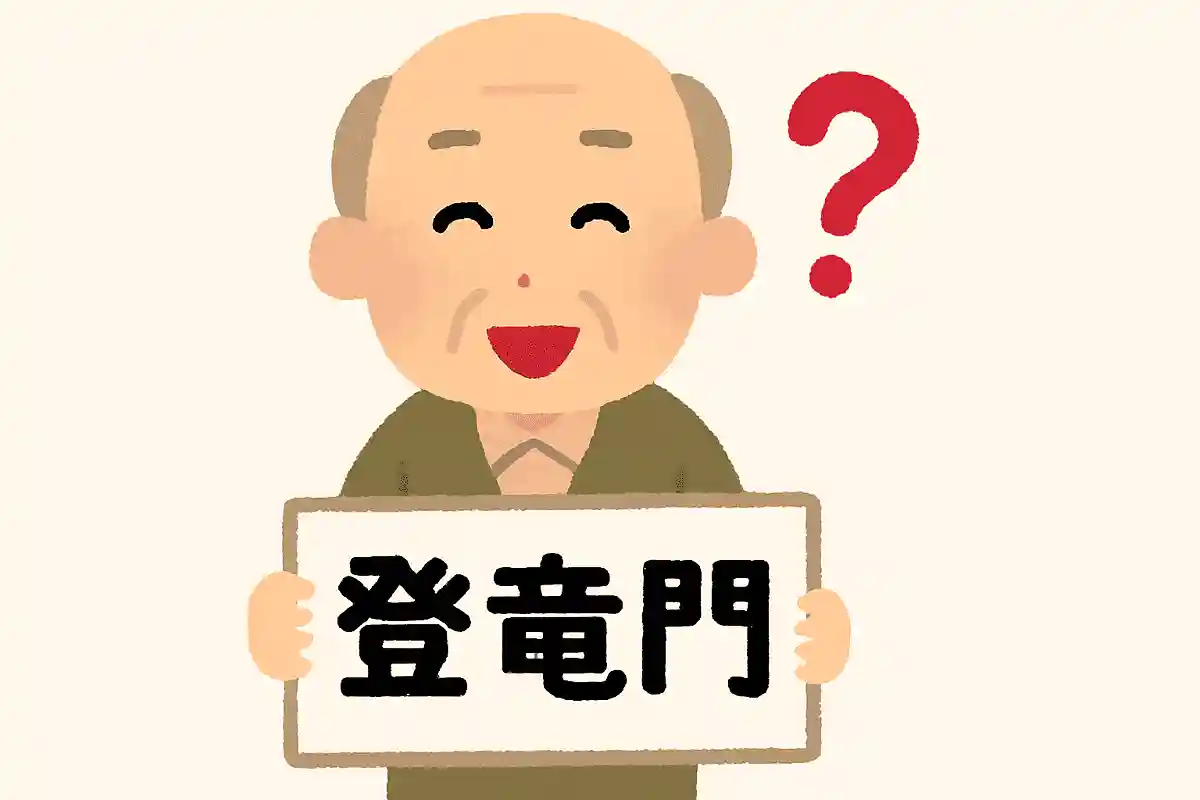
- Dragon Gate
- Dragon Gate
- Gateway to Success
See the answer
Dragon Gate
"Tōryūmon" (登竜門) should correctly be divided into "tō" (登) and "ryūmon" (竜門), as "登・竜門." Its origin comes from a Chinese legend about the Dragon Gate (Ryūmon), a rapid on the Yellow River: a carp that manages to swim up through it becomes a dragon. From this, the term came to be used to mean that after overcoming a difficult barrier, success or advancement awaits. Separating it as "tōryū" and "mon," or breaking all the characters apart, is incorrect.
helicopter
- He-ricopter
- helicopter
- helicopter
See the answer
helicopter
The word “ヘリコプター” (helicopter) comes from the English “helicopter.” “Helico” means “spiral” or “helical,” and “pter” refers to “wing.” Therefore, the correct division is “helico-pter.”
[For Seniors] Where do you break it? Let's have fun with a word-segmentation quiz (11–20)
common vetch
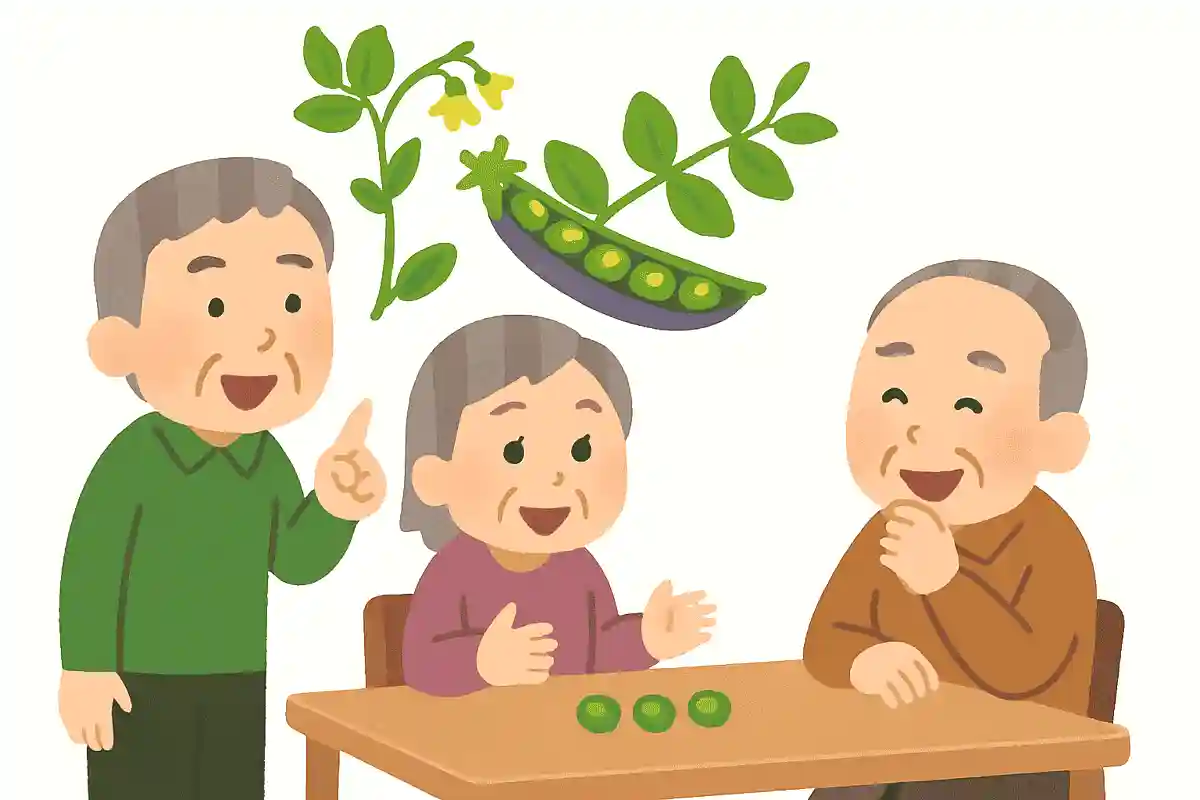
- vetch (Vicia sativa subsp. nigra) / black pea (common name: Karasu-no-endou)
- spring vetch
- Kalasuno-e Ndo
See the answer
vetch (Vicia sativa subsp. nigra) / black pea (common name: Karasu-no-endou)
The common vetch is a legume you can spot along roadsides in spring. The name actually comes from two words: “karasu” and “no-endo.” “No-endo” refers to peas that grow wild in fields, and “karasu” is used to mean “smaller than usual” or “mixed/variegated.” In other words, the correct segmentation is “karasu-no-endo.”
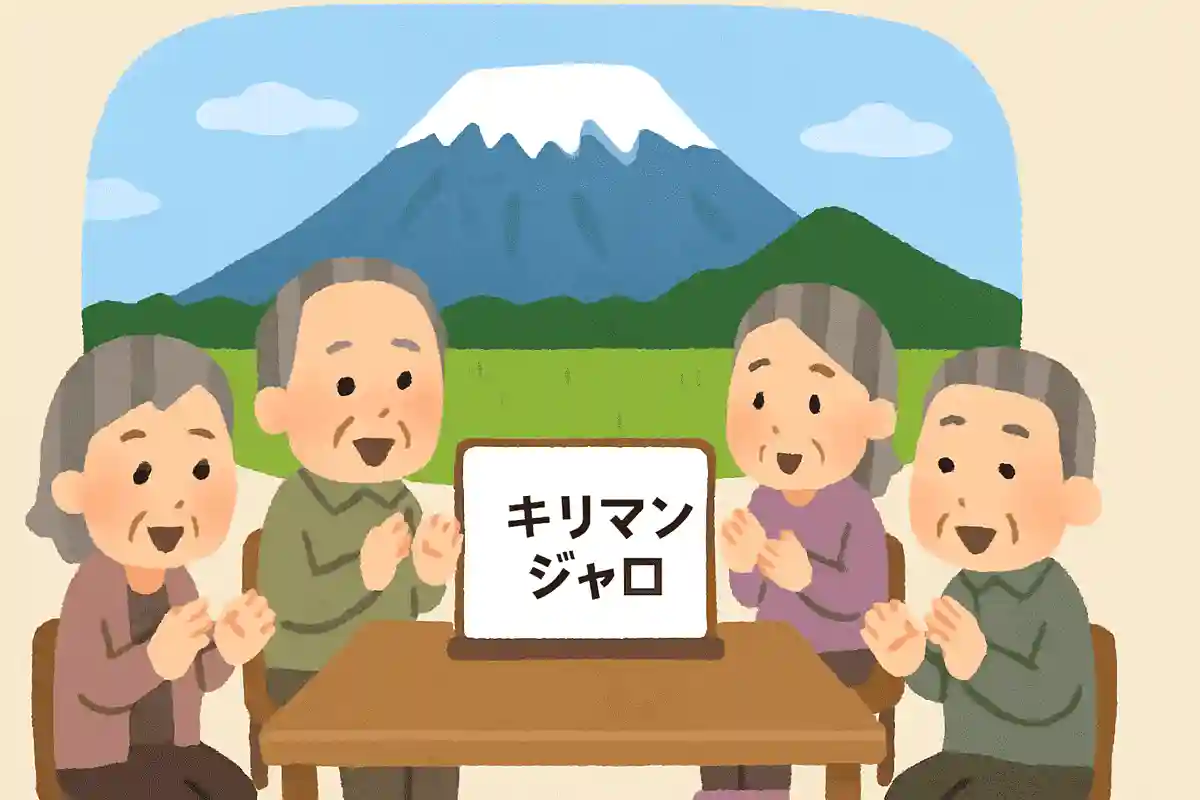
Kilimanjaro
- Kilimanjaro
- Kilimanjaro
- Kilimanjaro
See the answer
Kilimanjaro
“Kilimanjaro” is the name of the highest mountain on the African continent. The word originates from Swahili, where “kilima” means “mountain” and “njaro” means “shining.” Therefore, the correct segmentation is “Kilima Njaro.” In Japanese it is often written together as “Kilimanjaro,” but the name originally comes from a combination of two words.
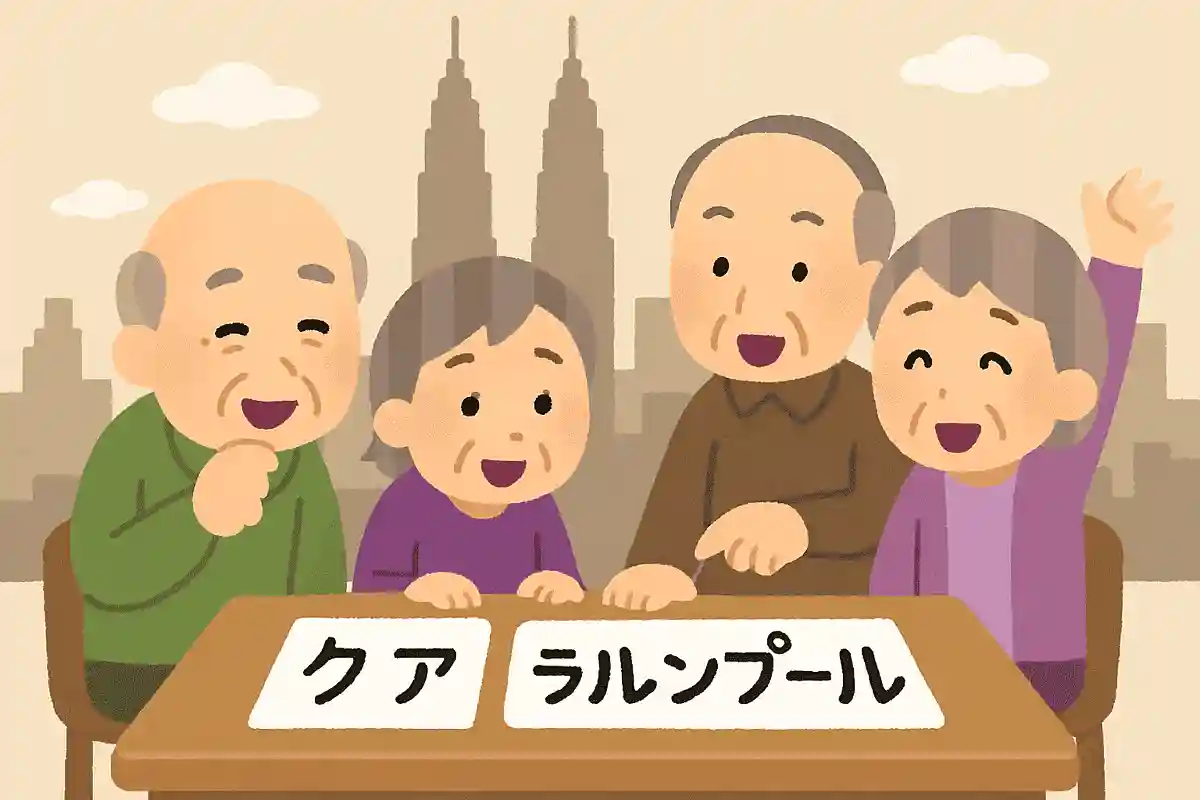
Kuala Lumpur
- Kuala Lumpur
- Kuala Lumpur
- Kuala Lumpur
See the answer
Kuala Lumpur
Kuala Lumpur is the capital of Malaysia, and its name comes from Malay. “Kuala” means the confluence of rivers, and “lumpur” means mud. Together, they mean “muddy confluence.” Therefore, the correct division is “Kuala” and “Lumpur,” and the proper form is “Kuala Lumpur.” By breaking down place names like this, we can better understand their meanings and origins.
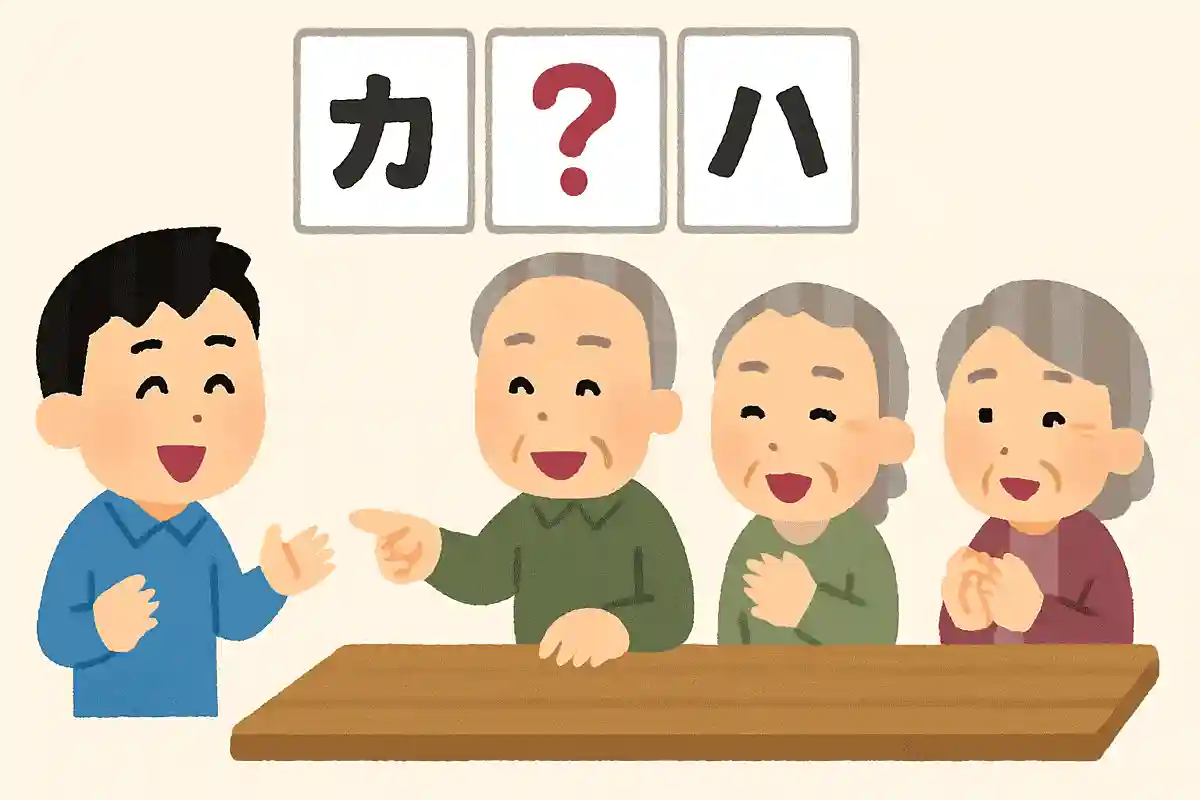
Kamehameha
- Ka-mehameha
- Kamehameha
- Kamehameha
See the answer
Ka-mehameha
The word “Kamehameha” is interpreted as being made up of “Ka” (a shout used when gathering spirit/energy) and “Mehameha” (the name of the first king of the Kingdom of Hawaii). The Dragon Ball special move “Kamehameha” might at first seem like it should be split into “Kame” and “Hameha,” but its origin is actually “Ka” and “Mehameha.” There’s even a story that the original author, Akira Toriyama, came up with this split by chance.