

[For Seniors] Where Do You Break It? Liven Things Up with a Fun Word-Splitting Quiz

“Tōryūmon,” “Sei Shōnagon,” “helicopter”…
Even words we use without thinking can be surprisingly tricky when you stop to consider where the proper breaks are.
Quizzes about where to split words can spark curiosity about their origins and etymology, and they’re also fun brain teasers.
In this article, we present word-splitting quizzes—focused on terms familiar to older adults—that will make you think, “Aha, that makes sense!” We’ve gathered words that are especially often misunderstood, so you’re sure to encounter surprises and delights.
Try pondering them together with family or friends and rediscover the fun of language.
- [For Seniors] Difficult-to-Read Kanji for Everyday Items: Take on a quiz full of surprises and discoveries
- [For Seniors] Fun and Exciting! Difficult Kanji Quiz
- [For Seniors] Kanji Decomposition Quiz: Assemble the scattered characters
- [For Seniors] How many can you read? A kanji quiz of familiar things that look readable but aren’t
- [For Seniors] Challenging but Exciting! Kanji Quiz
- [Brain Training] Lively Word Quiz for Seniors
- [For Seniors] Quiz on Kanji with Many Strokes
- [For Seniors] Fun and Lively! Recommended Quiz Questions
- [For Seniors] Lively True-or-False Quiz: Fun Questions You Think You Know but Don’t
- [For Seniors] Perfect for Dementia Prevention! Jumbled Kanji Quiz
- [For Seniors] Laugh-Out-Loud, Crowd-Pleasing! Fun Quiz
- Recommended for seniors! Liven up your event with a Respect-for-the-Aged Day quiz!
- [For Seniors] How many can you read? A comprehensive showcase of difficult food kanji
[For Seniors] Where do you break it? Let's have fun with a word-segmentation quiz (11–20)
ringleader
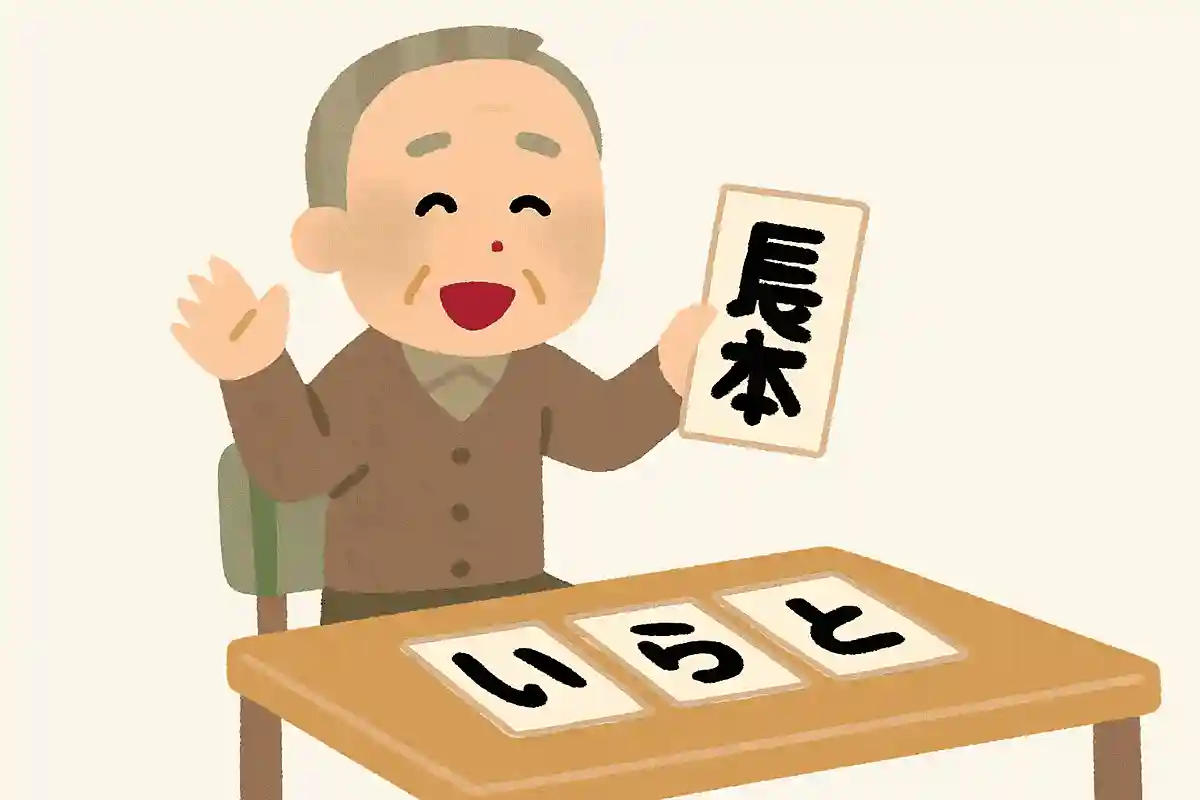
- Harimoto Hito
- Zhang (the person themself)
- Zhang, Moto, Jin
See the answer
Harimoto Hito
“張本人” (chōhonin) means “the person responsible for causing an incident” or “the ringleader.” It breaks down into “張本” and “人,” where “張本” refers to the core or cause of something, and “人” simply means “person.” Therefore, the correct segmentation is “張本・人.” Segmentations like “張・本人” or “張・本・人” do not make sense. Since this term is often used in news reports, it’s good to remember the correct segmentation.

In conclusion
When you learn how to segment words correctly, their origins and meanings sink naturally into your heart. The “Where to Split?” quiz not only serves as mental exercise for older adults, but also sparks new discoveries about language and evokes nostalgic memories. I hope it comes to mind in everyday conversations and brings a bit of enjoyment.