

Challenge Pokémon senryu! From laugh-out-loud gags to outstanding works

Pokemon and senryu may seem like an unlikely pairing at first, but when these two meet, they can produce verses that make you chuckle.
Why not peek into the world of Pokemon senryu, where the 5-7-5 rhythm captures the traits of Pokemon, the frustrations of battles, and those little moments of everyday life? From lines you can relate to, to ones that make you think, “I never would’ve thought of that!”, there’s a collection that any Pokemon fan will enjoy.
Be sure to find your favorite verse!
Try your hand at Pokémon senryu! From laugh-out-loud gags to brilliant gems (1–10)
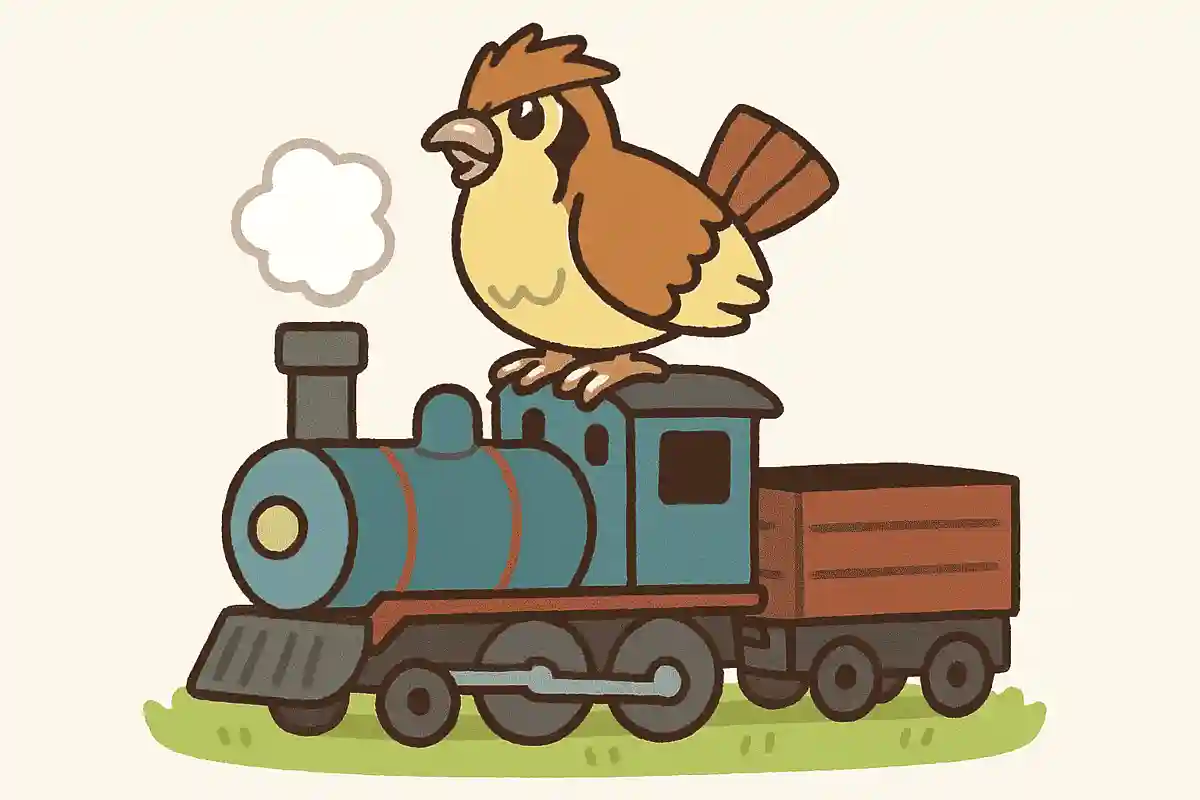
If you put Poppo on the locomotive, it becomes a choo-choo train.
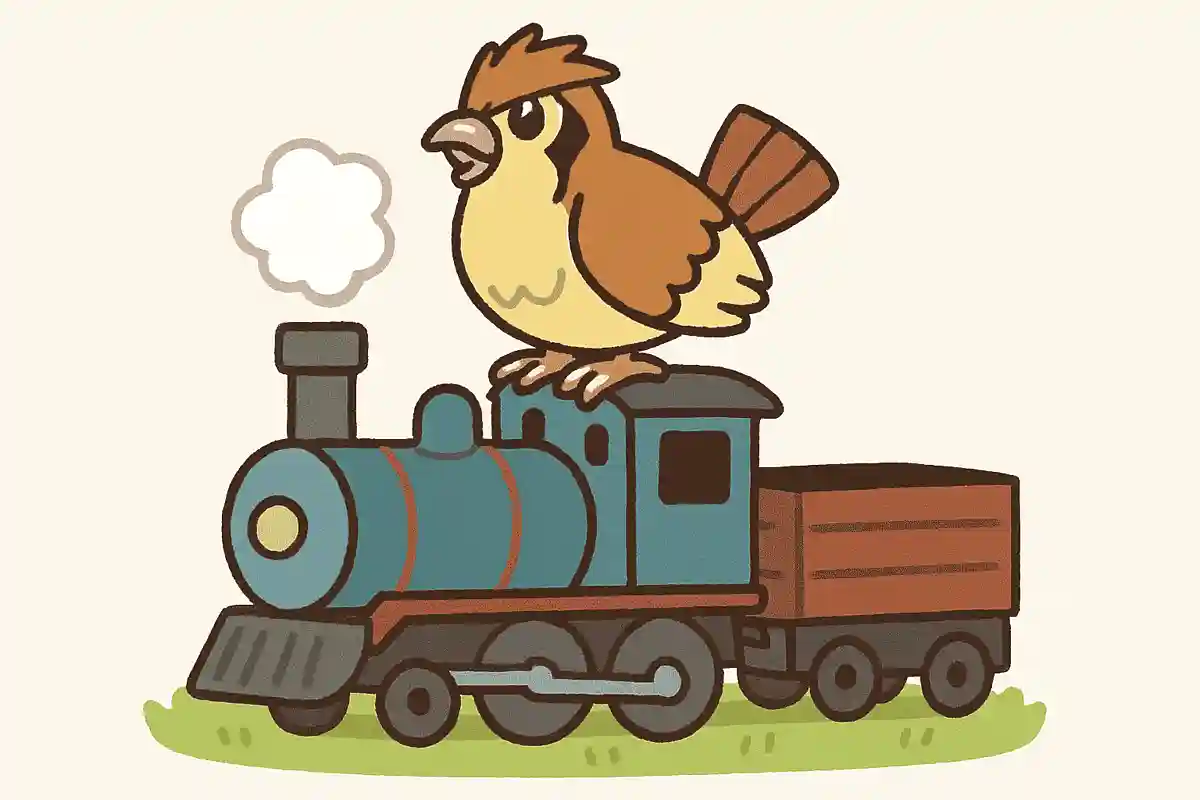
The composition is brilliant, gradually rolling along while swapping similar sounds—“kikansha,” “poppo,” and “kishapoppo.” Even with the proper noun Pidgey from Pokémon inserted, it feels natural, and just reading it makes the rhythm bounce in your mouth.
What’s clever is that the idea of putting Pidgey on board gives real meaning to the sound play.
It’s not just a pun; the structure naturally leads from words to imagery to humor, conjuring a heartwarming world where a train carrying Pidgey chugs along.
It’s a verse that balances childlike charm with keen phonetic sensibility, sure to bring a smile to anyone who reads it.

Magikarp: a lively little one, flopping and splashing

Its charm lies in faithfully depicting Magikarp’s character while clearly bringing out a gentle, heartwarming cuteness.
The phrase “flopping and splashing” perfectly captures that seemingly helpless yet earnest movement, doesn’t it? It’s not strong, nor are its moves flashy, and yet it just keeps hopping around with boundless energy.
By summing up that figure as a “lively kid,” the poem brings its adorableness and earnest spirit to the forefront rather than its weakness.
With the kind, tender perspective characteristic of Pokémon senryu, it’s a verse that warmly portrays the very presence of Magikarp.
Koffing says good evening on a nighttime stroll.

The punny feel born from the overlap between “Konpan” and “konbanwa” is gentle, and the pleasing rhythm resonates nicely.
On top of that, the character of a nocturnal bug Pokémon and the setting of a nighttime walk connect naturally, so it doesn’t stop at mere wordplay—or risk feeling under-particle’d—but instead works as a coherent little world.
What’s more, by deliberately using the colloquial spelling “konbanwa,” it highlights a relaxed cuteness, as if Venonat just pops up and greets you.
There’s no scariness or battle element; Pokémon simply exist as an extension of everyday life.
It’s a pleasantly low-temperature piece of humor.
Sanders, thirty-six animals, three dozen

The core of this verse is a wordplay on “Sanders” and “three dozen,” which are nearly homophonous.
Moreover, “three dozen” neatly aligns with the quantity thirty-six, making the composition adept at capitalizing on a linguistic coincidence.
The second line’s “thirty-six” sits in a spot that tends to become explanatory, but by intentionally inserting it there, the numerical match lands as the punchline in the third line—that’s the key.
Rhythmically, beginning with “Sanders” and ending with “three dozen” creates a call-and-response between the opening and the conclusion, giving the reading a cohesive feel.
It’s a light, approachable verse whose “euphonic charm” comes through not only for those who know Pokémon, but even for those who don’t.
Zubat fires off a supersonic wave with a sharp zubatto!
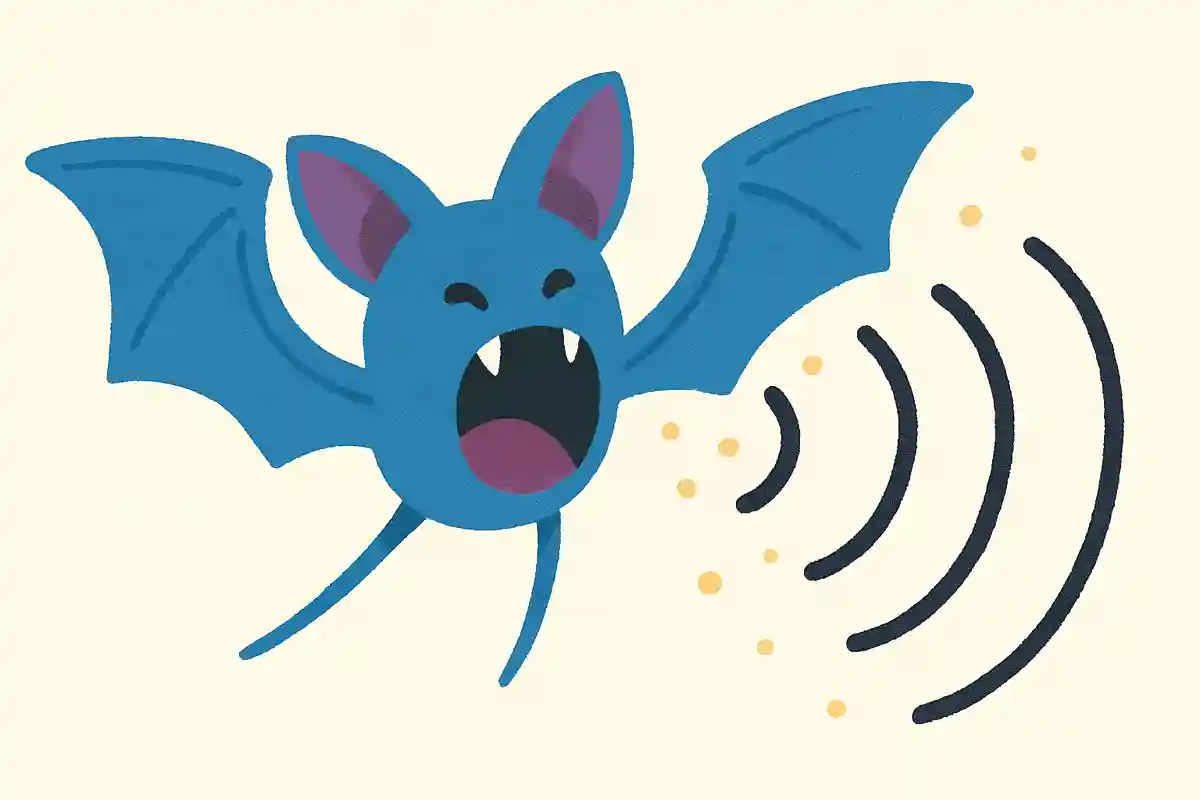
The fun point of this verse is how it layers the identical sounds of “Zubat” and “zubatto.” The name and the onomatopoeia line up perfectly, making the action easy to picture just by reading it, and giving it a snappy rhythm when spoken aloud.
By placing the move name, “Supersonic,” at the end, it neatly conveys the flow of “Zubat used Supersonic!” within a short line.
It avoids being didactic and instead evokes a vivid scene.
Rather than a senryu that invites deep interpretation, it’s a piece that makes you chuckle with the playfulness of sound and wordplay.
For anyone who knows Pokémon, it’s all the more easy to visualize.
Chikorita Tackle attack Chitokorita
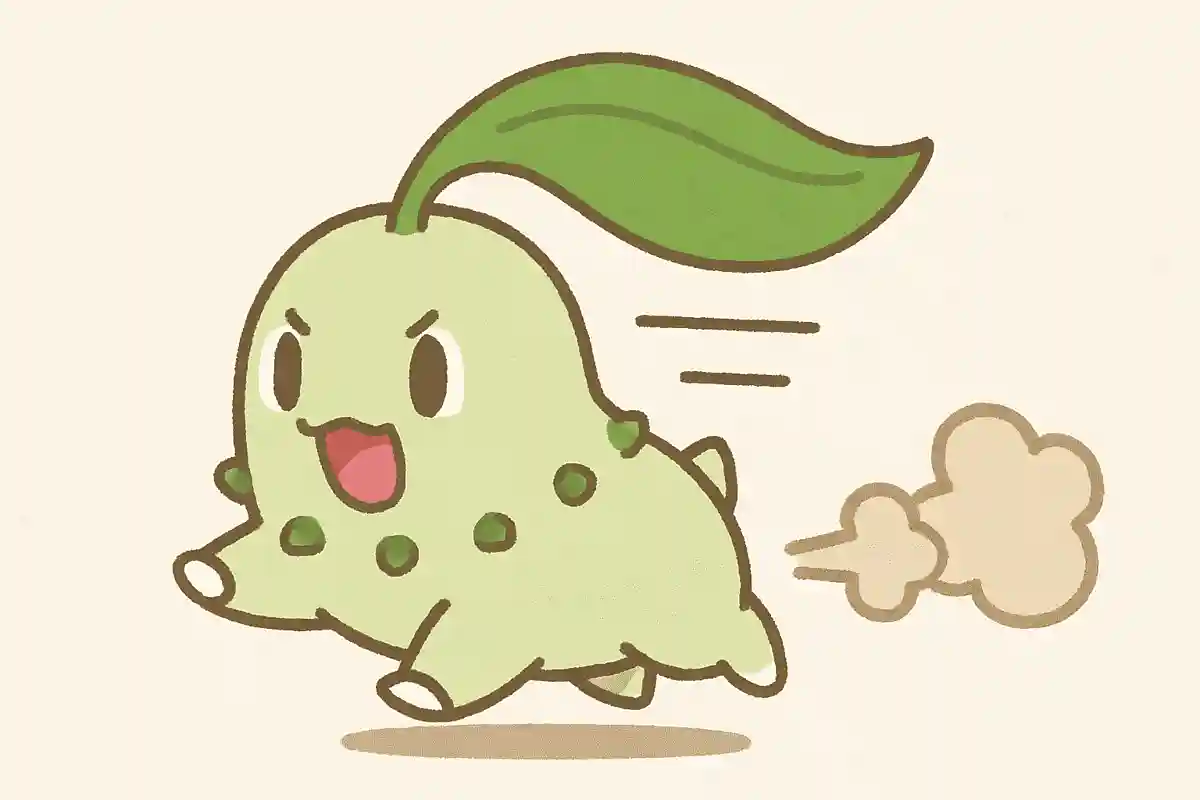
The craftsmanship shines in this wordplay that neatly overlays a Pokémon move name with everyday language.
The flow of sounds in “tosshin kougeki” and “chi to korita” feels natural, and the experience of “it hurt more than I expected when we actually battled” rises into humor.
It matches well with Chikorita’s slightly laid-back image, and the gap with the intense move name is a charming touch.
There’s no sense of forced cleverness; it skillfully condenses the game’s worldview, a failed move, and a small reflection into three rhythmic lines.
It’s a gentle verse with a kind punch line that makes you want to cheer, “Do your best next time,” after reading.
Steelix… Maybe I caught a cold… Nose-deelix.

A senryu that plays with words by swapping part of a name to create humor.
It brilliantly pivots from the hard, inorganic-sounding “Haganeel” to the suddenly human, down-to-earth “Hanadeel” for the punchline.
On top of that, it ties into the everyday joke of “when you catch a cold, your nose runs,” so you instantly picture the strongest-class Iron Snake Pokémon sniffling with a runny nose.
It doesn’t stop at a simple pun; the mismatch with the character adds a second layer of laughter.
The sounds roll off the tongue gently, making for a relaxed, effortless kind of humor in this delightful verse.