

![[Winter Haiku] A collection of poems composed by junior high school students: a beautiful and amusing anthology that vividly evokes scenes](https://media.ragnet.co.jp/img/1200__png__https://www.studiorag.com/files/2026/01/806d54ba12415938fcdc3e1e862e719f.webp)
[Winter Haiku] A collection of poems composed by junior high school students: a beautiful and amusing anthology that vividly evokes scenes

Have you ever found your hand pausing when you try to write a winter haiku? For middle school students, crafting a haiku that conveys feelings in just a few words using seasonal words (kigo) can feel quite challenging.
But winter is full of moments that move the heart—crisp air, visible white breath, the New Year atmosphere, and more.
In this article, we’ll introduce example poems that can inspire middle schoolers and tips on how to use seasonal words.
Try expressing, in your own words, the feelings you had this winter or your happy memories—haiku can be written casually.
The content will also be useful for class assignments and homework, so please make good use of it!
[Winter Haiku] A collection of works composed by junior high school students. A beautiful and amusing anthology that vividly evokes scenes (1–10)
On New Year’s Day, with a fresh spirit, I make my first calligraphy.
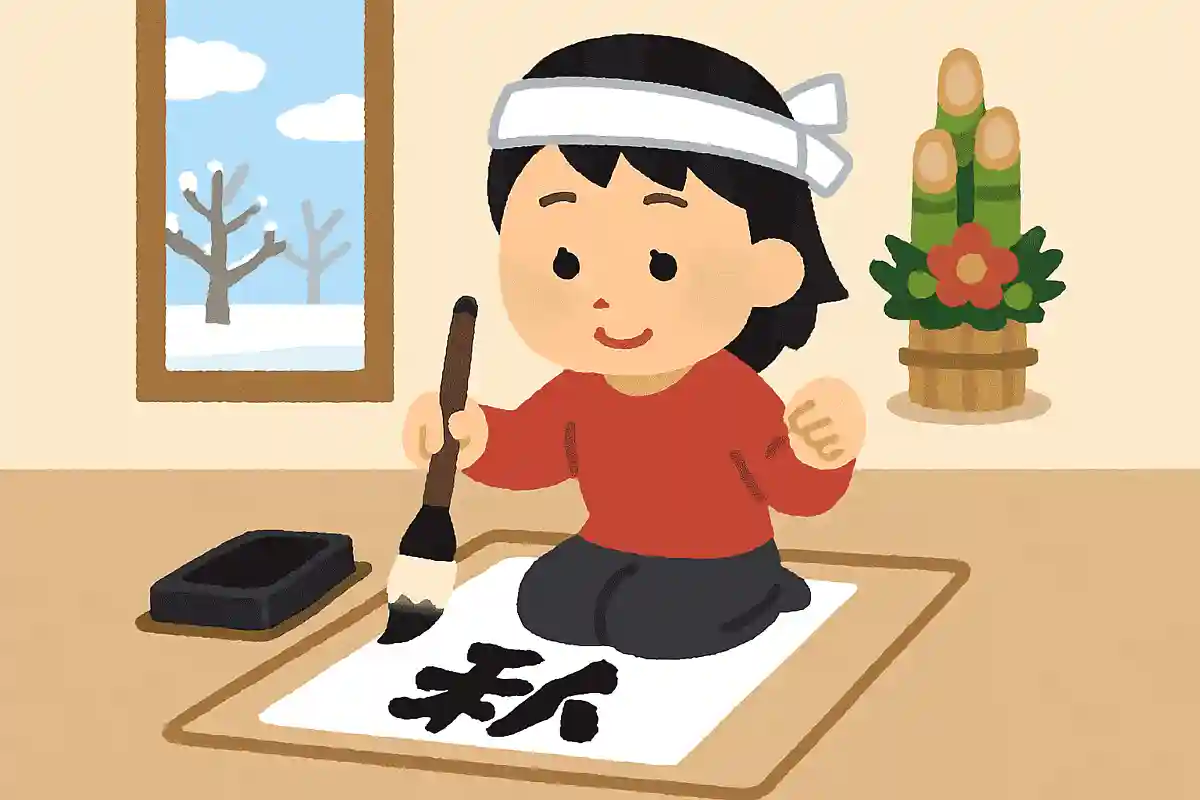
Gantan refers to the morning of January 1, the beginning of the year.
It is a winter season word (kigo) that evokes a refreshing morning and a solemn image of the New Year.
Kakizome, a New Year’s custom, is a traditional Japanese practice in which people write their resolutions or goals for the coming year, wishing to improve their calligraphy.
By doing kakizome with a fresh mindset on the milestone of Gantan, one can express hopes and joy for the new year.
This is a verse that uses the winter kigo “Gantan” to convey a strong determination to greet the New Year with a positive spirit.

A morning when I think the snow is like a soprano
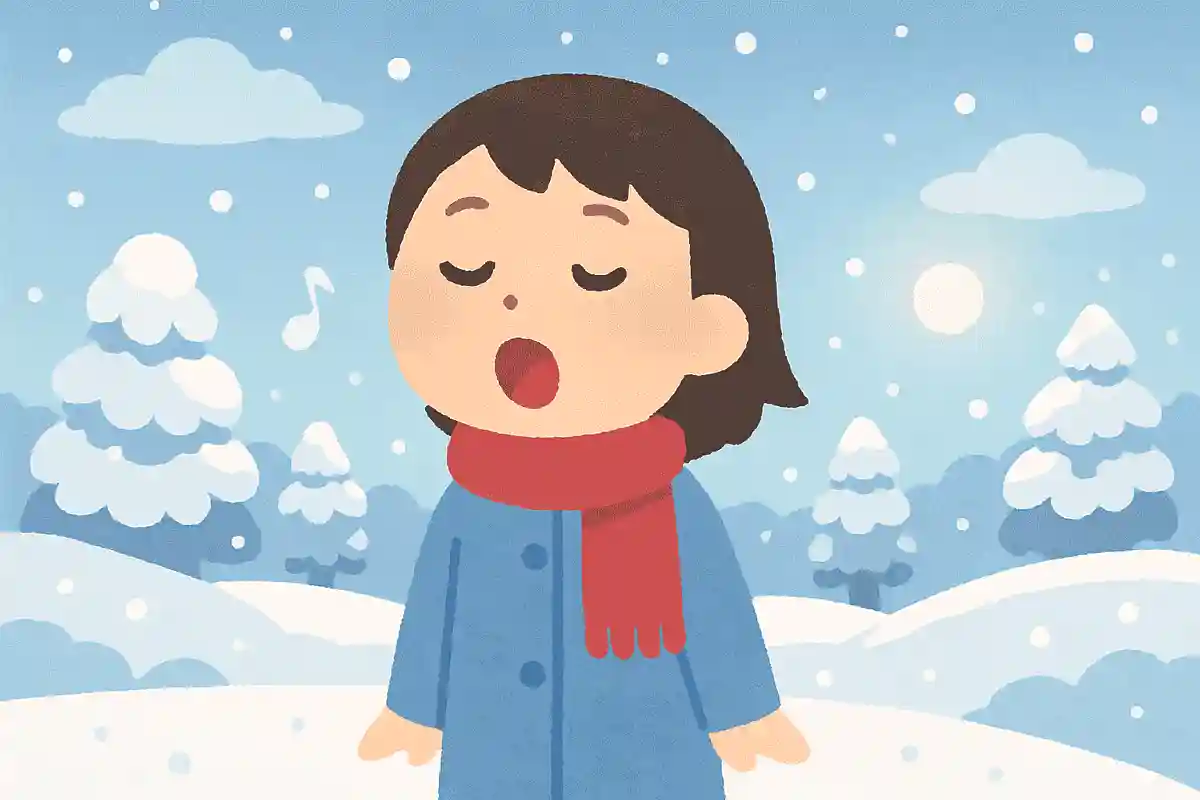
The high-pitched voice of a soprano is beautiful, isn’t it? Just hearing it might make some people feel their hearts leap.
A bright, dazzling, and transparent soprano voice might even resemble the qualities of snow.
Snowflakes dancing from the sky, snow piled on the ground, snow that lands on your palm—look closely at them.
You can sense a clear, translucent beauty, can’t you? From the haiku, we can feel the poet’s surprise in the morning at how beautiful the snow that fell during the night is.

Whiter breaths laden with feelings than last year
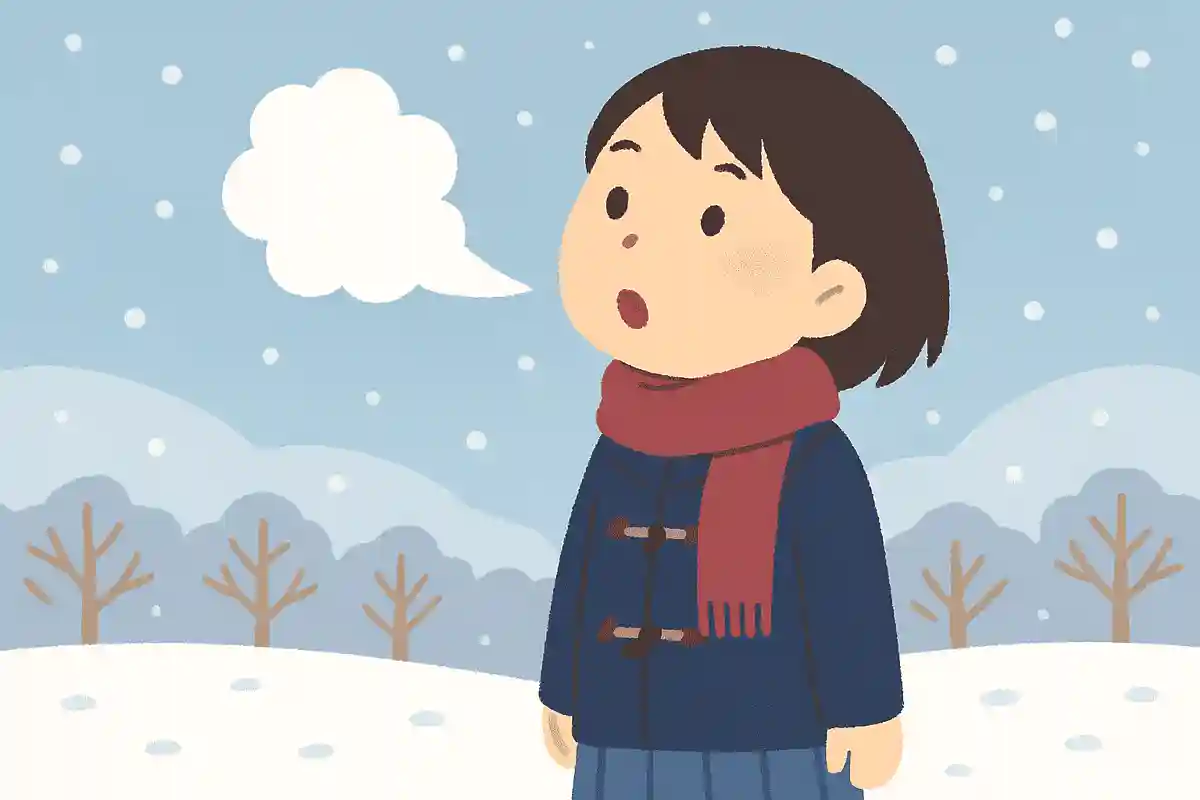
For some people, winter might be the season to embark on something new.
For some, it’s the time to face entrance exams; for others, it may be the season to shine in their club activities.
In the cold, the white breath we exhale at a different time than a year ago carries our feelings.
The three years of junior high school are a short period in which students grow physically and mentally.
Amid all the intersecting experiences, you can feel the deep emotions expressed by junior high school students.
Why not try composing your own feelings by likening them to winter events?
The true sky is arriving—winter trees standing bare.

Unlike the lush foliage of summer, winter can feel lonely as the leaves fall from the trees.
But that’s precisely why certain things become apparent.
When the leaves drop, the scenery changes, and the portion of the sky you can see seems to widen, doesn’t it? You can sense the feeling that the view from the same spot looks different because of the changing seasons.
Winter is also a time when the air is clear and the sky appears especially beautiful.
Taking all of that into account, it feels like you can truly sense the sky’s vast expanse.
At the ticket gate, I slip off just one glove.
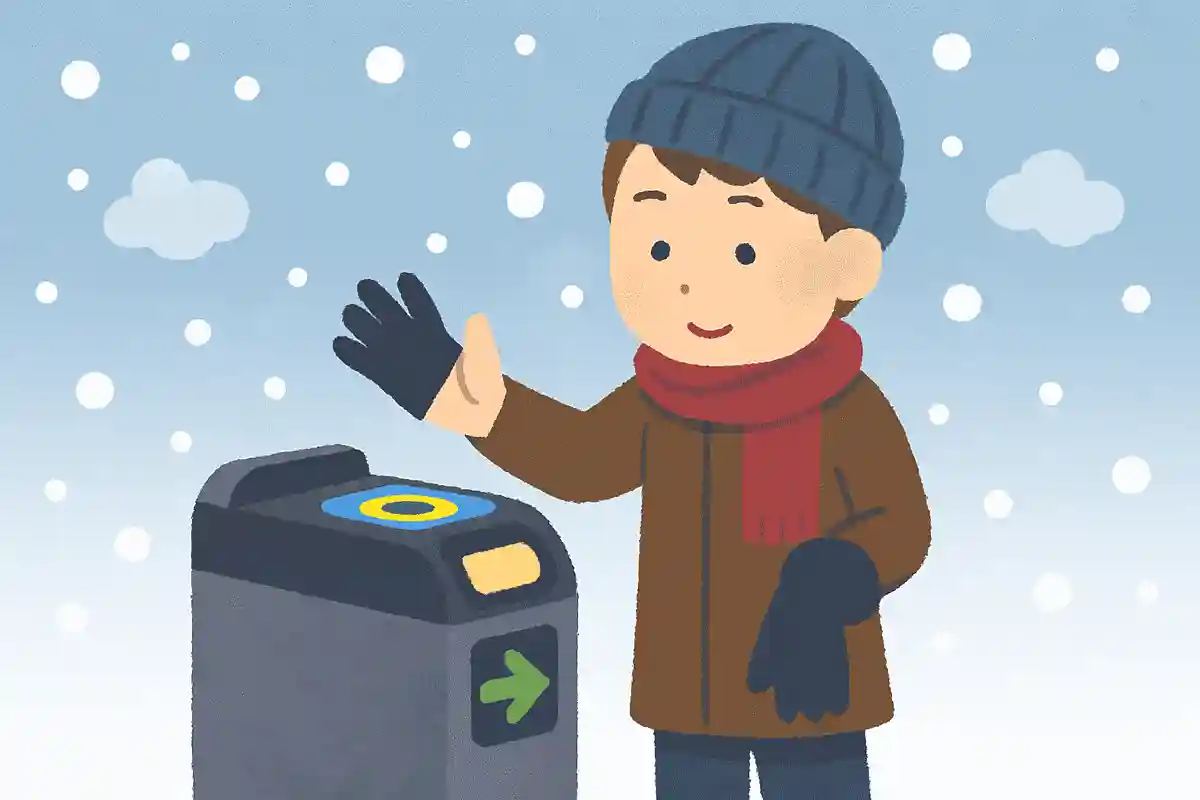
When going out during the cold season, many people head out dressed warmly.
Feeling the chilly air while being wrapped in warm clothing can itself evoke a sense of the season.
And as one form of winter gear, you might wear gloves when you go out.
Even the gesture of slipping off one glove at the station to insert your ticket at the gate conveys the cold.
This haiku captures sensations that don’t arise in other seasons.
It seems fun to try composing haiku by turning your attention to small, everyday happenings.
The top’s spindle stands straight—winter’s fair weather.

Spinning tops are a traditional pastime that Japanese children have enjoyed since long ago as a winter activity.
Even when it’s cold, you can easily play with them indoors where it’s warm.
People often play during the New Year holidays or with friends.
One of the charms of tops is that there are many different ways to play with them.
In the haiku, seeing a top whose shaft stands straight and spins steadily evokes a feeling of joy, which is overlaid with the days of winter.
Incidentally, tops are considered lucky charms and are spun at New Year’s.
The way they turn is thought to symbolize money and affairs proceeding smoothly.
Coffee and mystery novels—winter deepens

People say it’s getting warmer these days, but winter is still cold.
Depending on the region, there can be heavy snowfall or stronger cold winds.
Winter also tends to bring more days when you can’t go outside and more time spent at home.
Everyone has their own way of spending time indoors, but some people might set down their favorite drink and read a book.
Some may find winter boring because they can’t go out.
Even though it’s a season when we go out less, a few creative ideas for enjoying time indoors can turn it into something wonderful.