

![[For Middle School Students] Also Helpful for Haiku Writing! A Collection of Famous Haiku Using Spring Seasonal Words](https://media.ragnet.co.jp/img/1200__png__https://www.ragnet.co.jp/files/2026/02/753f6c6f2471e48918b09a18e38c6851.webp)
[For Middle School Students] Also Helpful for Haiku Writing! A Collection of Famous Haiku Using Spring Seasonal Words

A haiku that captures the arrival of spring in the rhythm of 5-7-5.For junior high school students, the experience of distilling the changing seasons and familiar scenery into words enriches their sensibilities.The way cherry blossom petals dance, and the feeling of wanting to go outside, drawn by the gentle, balmy weather.Why not try composing such uniquely springtime scenes in words that are your very own?This time, for junior high school students working on spring haiku, we will introduce some famous haiku related to spring.As you face the words, enjoy a moment of rediscovering the charm of spring.
For Middle Schoolers: A Collection of Famous Haiku Using Spring Season Words (1–10)
I wish to be born as small as a violet.Soseki Natsume
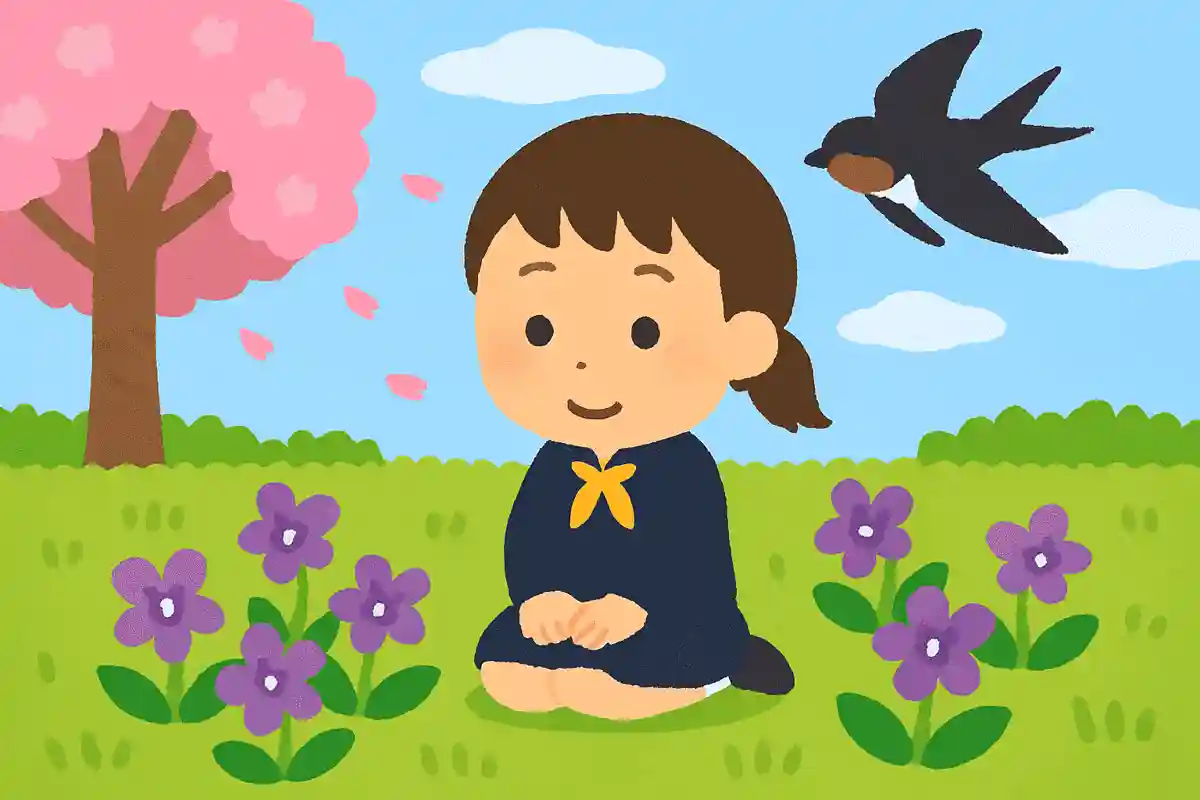
It expresses a wish and yearning to have been born as something cute and delicate, like a small violet flower.
In “as small as a violet,” the speaker envisions their ideal form through the flower’s smallness, and in “I wish I had been born a small person,” conveys the desire to be a being loved within nature.
In brief words, it gently portrays the charm of spring flowers and the speaker’s tender hopes, making it a verse that can serve as a reference for middle schoolers composing haiku by naturally linking their feelings with nature.

Spring breeze—led by a cow to Zenkoji TempleKobayashi Issa
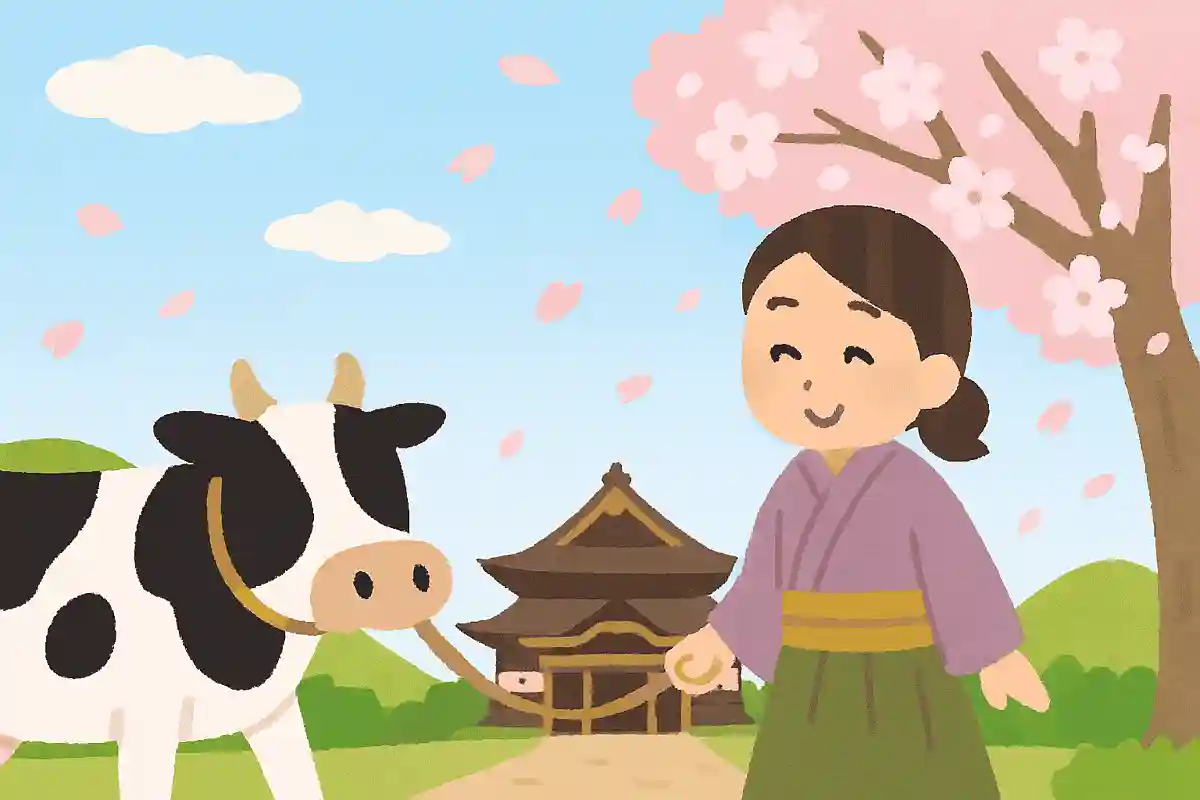
It depicts people being led by a cow on their way to Zenkoji Temple as a gentle spring breeze blows.
The phrase “led by a cow” conveys the feelings of someone who ends up at Zenkoji unexpectedly, along with a gentle humor of entrusting oneself to nature or fate.
“Spring breeze” conveys the warmth and freshness of the season, expressing both the time of year and everyday scenery in just a few words.
This verse serves as a useful model for middle schoolers composing haiku, linking a seasonal word with an everyday event, and it makes it easy to imagine the spring atmosphere and people’s warm, relaxed feelings.
Skinny frog, don’t lose—Issa is here.Kobayashi Issa
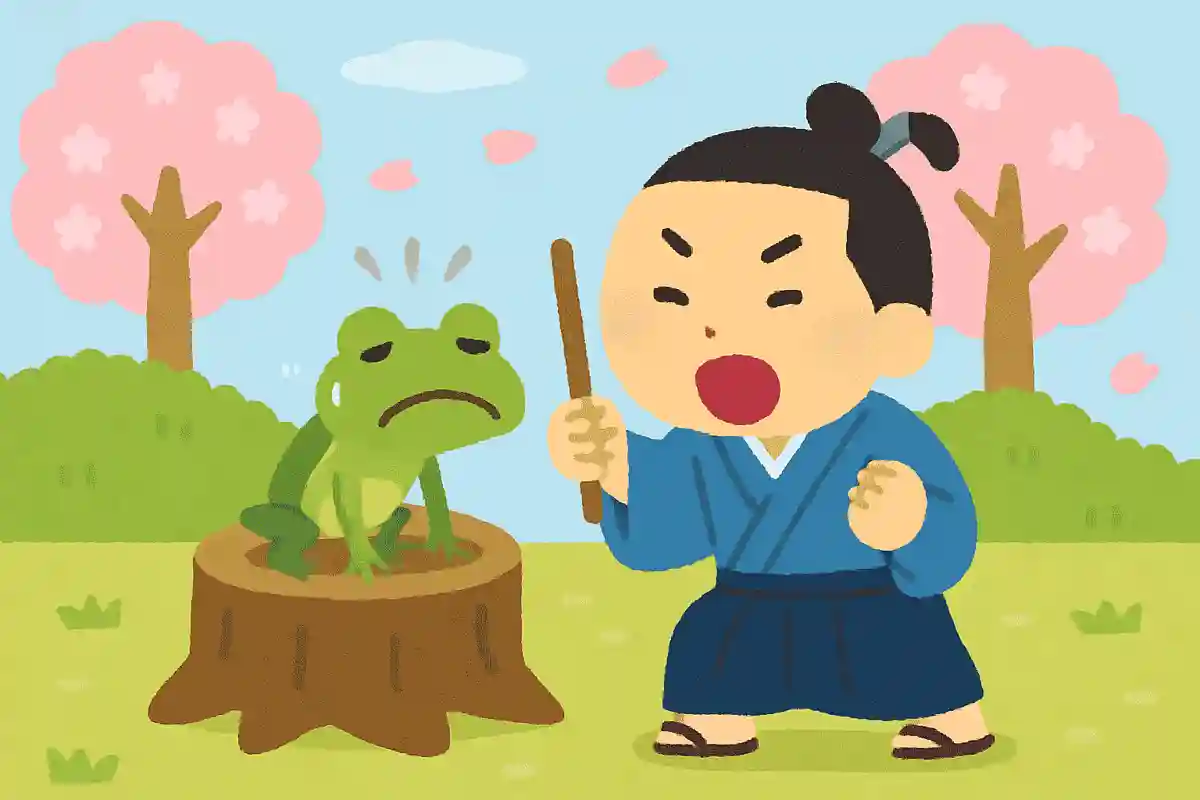
It expresses how Issa himself feels encouraged as he watches a frog, thinned over the winter, hop about energetically in spring.
The phrase “Don’t give up, Issa” conveys a positive spirit of living bravely without yielding to hardship.
With “here it is,” it emphasizes that the feeling of encouragement is right here.
Despite its brevity, the verse evokes the arrival of spring, the vigor of nature, and even the poet’s self-encouragement.
It serves as a useful example for middle school students composing haiku, showing how to express feelings through small creatures in nature or everyday events.
Come with me and play, you parentless sparrow.Kobayashi Issa
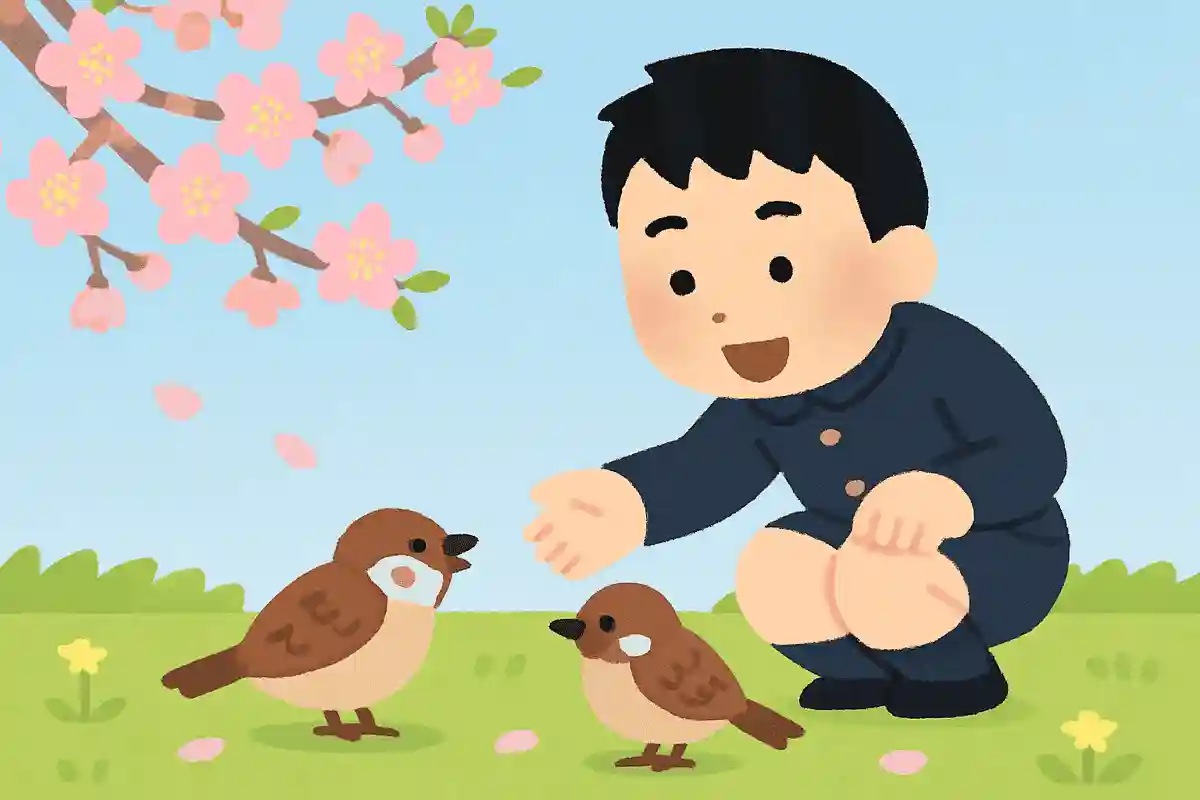
When spring comes, little sparrow chicks without parents play adorably.
Watching them, it feels as if someone is calling out, “Come play with me,” inviting them to come and play, which conveys a gentle kindness.
It’s a haiku that expresses compassion for orphaned sparrows and evokes the charm of small creatures living in nature.
Within its few words, it conveys the soft spring sunlight, kindness toward living things, and the warmth of an observant eye—making it a fine example for middle schoolers to reference when composing haiku.
Coming along a mountain path, I find something endearing—the violet grass.Matsuo Bashō

When walking along a mountain path in spring, you find small violets blooming by the roadside, and their charm and fragrant scent naturally draw your heart.
The phrase “nani yara yukashi” expresses the feeling of being somehow attracted, gently conveying the impulse to stop in your tracks upon seeing the flowers.
This haiku richly captures small discoveries in familiar nature and the joys of spring in just a few words, making it a useful reference for middle school students composing haiku.
It is a verse that conveys a spirit of valuing the observation of nature.
Even this humble grass-thatched hut—now time to move; it becomes a doll’s house.Matsuo Bashō
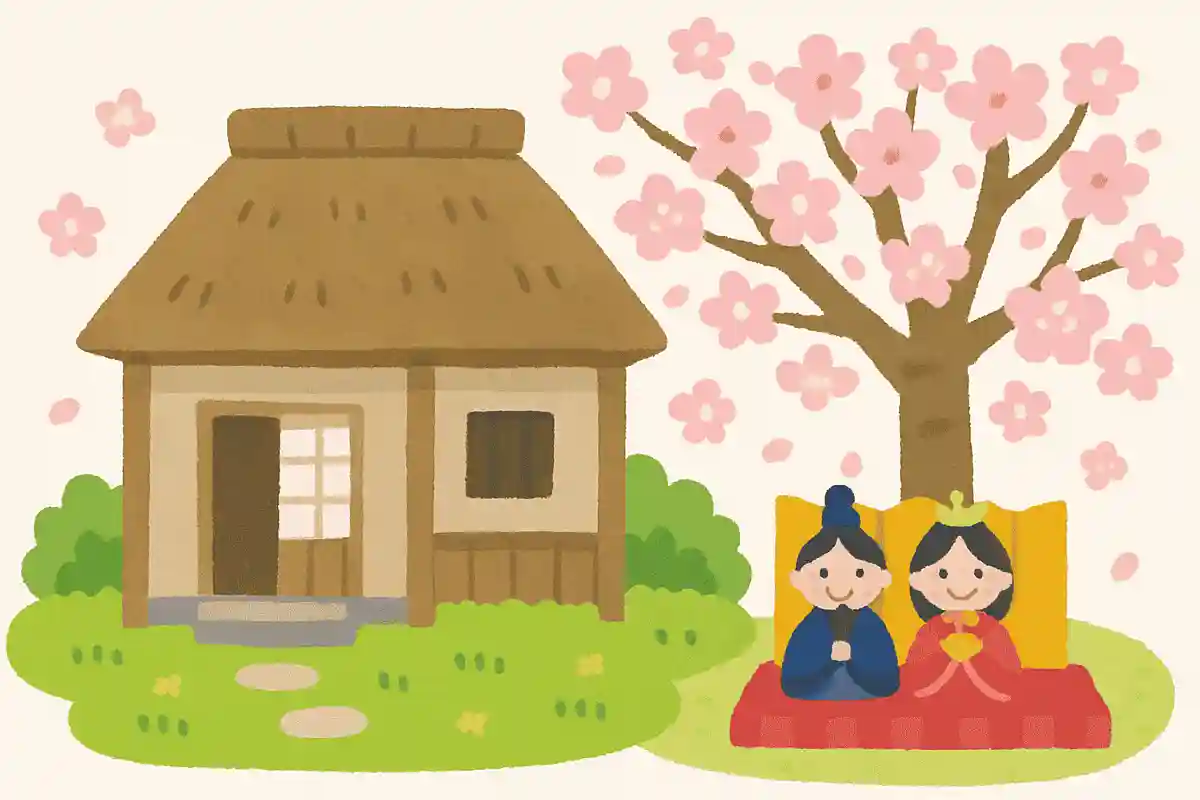
With the arrival of spring, it likens the era in which old homes are replaced by new ones to the display of Hina dolls.
“The dolls’ house” evokes the spring festival Hinamatsuri and conveys the shifting seasons and the changes in people’s lives.
In just a few words, the haiku gently communicates not only the joy and splendor of spring, but also changes of the times and the transience of daily life.
It can serve as a model for middle schoolers composing haiku, offering a line that helps them consider scenes of season and era through seasonal words.
From afar, the tiered platform and the sliding screens have been purified.Akiko Mizuhara
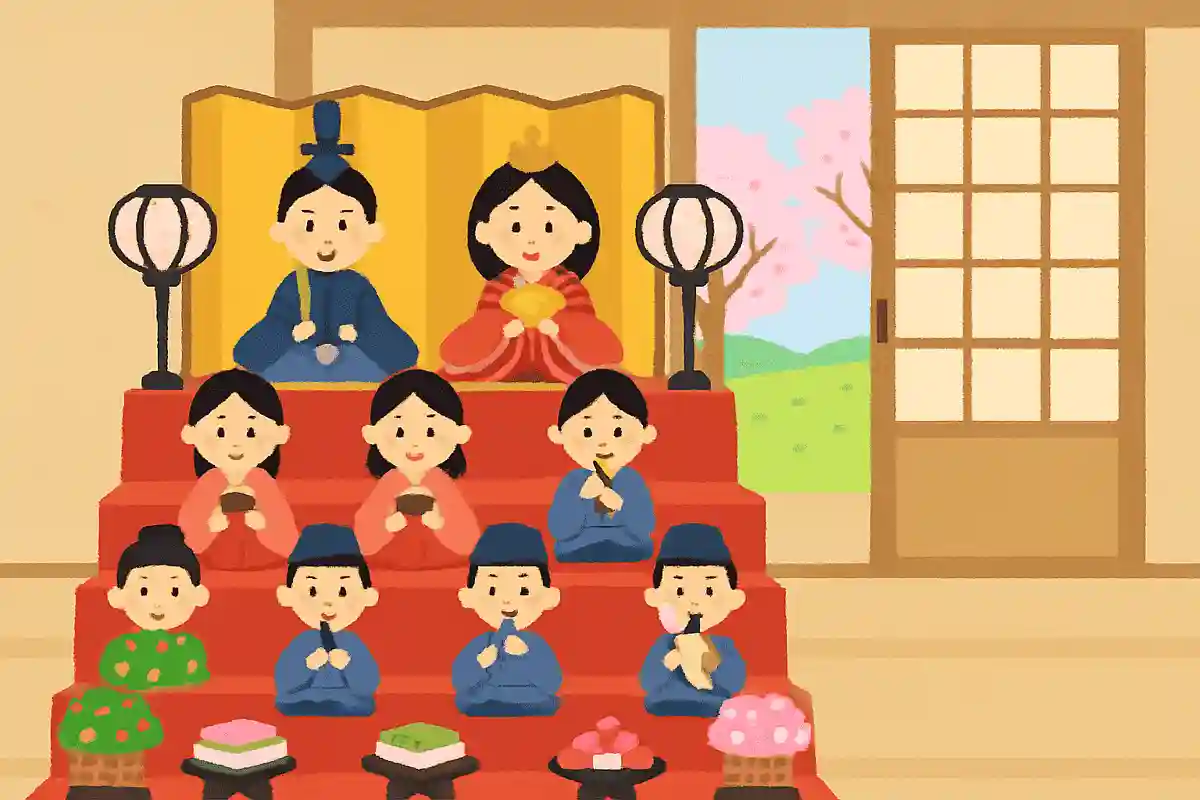
It depicts opening the fusuma to display Hina dolls for the Doll’s Festival.
Starting the verse with “Hinadan ya” evokes the splendor of the decorations, while “haruka yori” expresses the feeling of viewing their beauty from afar and enjoying the arrival of the season from a distance.
In just a few words, the haiku conveys the fun of a spring tradition and the joy of spring coming into the home.
It serves as a helpful example for middle schoolers composing haiku, encouraging them to observe and express seasonal events and everyday moments, and it makes it easy to feel both the spring atmosphere and people’s inner feelings.