

![[For Elementary School Students] Trivia About April](https://media.ragnet.co.jp/img/1200__png__https://www.studiorag.com/files/2025/04/e958ea656b6abf720fef8c117ffbe25d.webp)
[For Elementary School Students] Trivia About April

When April comes around, the new school year begins, flowers like cherry blossoms and dandelions bloom, and seasonal ingredients become more plentiful—you can really feel spring in full swing, can’t you?
In this article, we’ll introduce lots of fun trivia related to April!
We’ve especially gathered topics that will be familiar to elementary school students, so please enjoy reading along.
If you come across trivia you didn’t know before, be sure to remember it and show it off to your friends and family!
Now then, let’s dive right in and see what kinds of trivia there are!
[For Elementary School Students] Fun Facts About April (1–10)
Caterpillars eat cabbage but not lettuce.
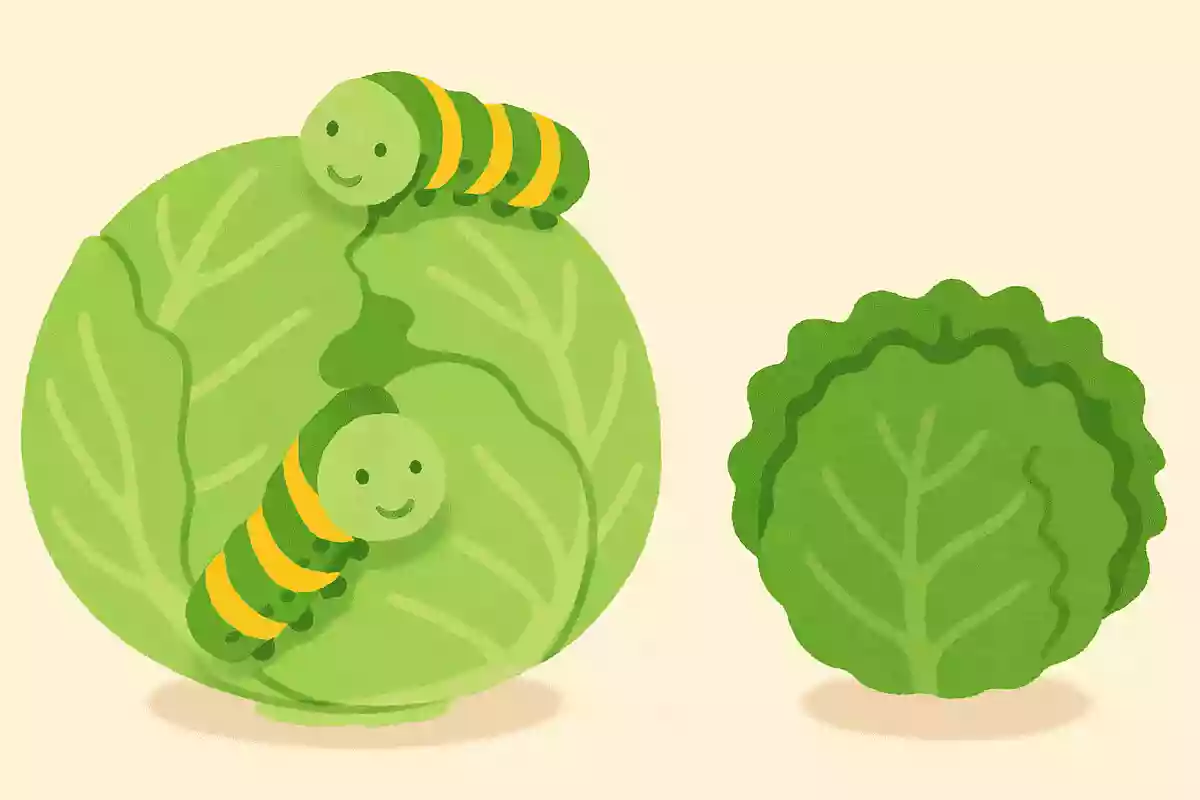
Green caterpillars are cute, green insects known for eating cabbage, right? But did you know they don’t eat lettuce? The reason is that they love eating cabbage leaves, and the nutrients in those leaves are especially important for them.
Lettuce leaves don’t have much nutrition, so caterpillars aren’t interested.
Also, when caterpillars grow, they become beautiful butterflies.
That’s why they need food that’s just right for them.
So next time you see cabbage or lettuce, remember which one caterpillars prefer.

Sakura mochi leaves are wrapped around it to add fragrance.

Sakuramochi is known as a very tasty sweet that lets you feel the springtime of Japan.
Did you know the cherry leaves wrapped around it aren’t just for decoration? In fact, those leaves have a special aroma.
The cherry leaves are lightly salted, and their fragrance transfers to the mochi, giving it a wonderful scent.
When you eat sakuramochi, you can enjoy the chewy dough, the sweet red bean paste, and the toasty flavor of the cherry leaves all together.
Cherry blossoms bloom in spring, but the leaves also play an important role.
Eating sakuramochi can make you feel as if you’re sitting beneath a cherry tree.
When you enjoy sakuramochi, pay attention to the aroma of the leaves and savor the taste of spring.
Asparagus was originally grown as an ornamental plant.
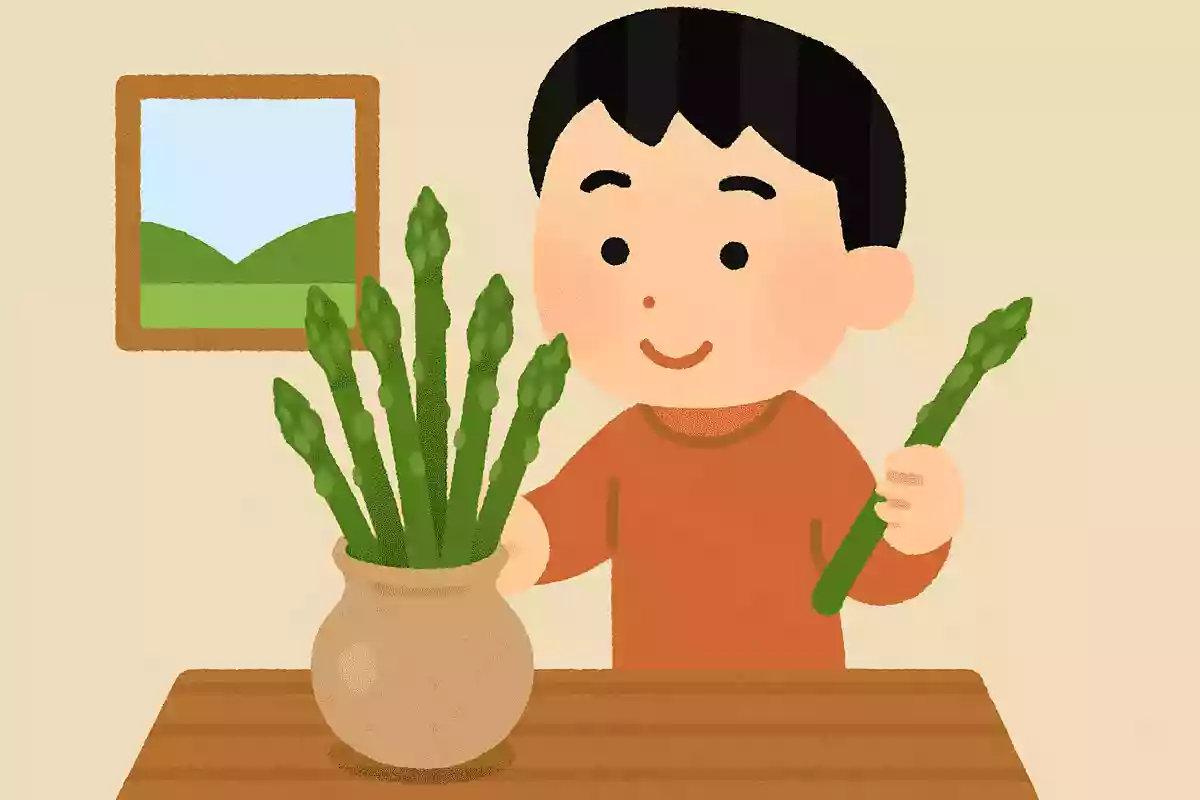
Did you know that asparagus was originally grown not for eating but for ornamental purposes? Long ago, asparagus was prized for its beautiful appearance and distinctive shape, and it was cherished as a plant to decorate gardens.
Later on, people realized how delicious it was and began to eat it.
In spring, asparagus gently pokes up from the ground.
Its appearance is very cute, with a vivid green color that delights anyone who sees it.
Once it started being eaten, it found its way into delicious dishes, and now it’s an essential ingredient in salads and pasta.
Next time you eat asparagus, take a moment to remember its history!
You’re only allowed to tell lies on April Fools’ in the morning.

April Fools’ Day is known as a day on April 1 each year when people have fun by telling playful lies.
But did you know there’s actually a rule that says you’re only allowed to lie in the morning? The idea is that small pranks are fine as long as they’re done before noon.
In the afternoon, people might believe the lie is true or someone could get hurt, so you need to be careful.
On April Fools’ Day, it’s best to keep the fun lies to the morning, then in the afternoon tell everyone, “Actually, that was a joke!” so you can all laugh together.
Enjoy April Fools’ while making fun memories with your friends.
In Okinawa Prefecture, there is an event called Seimeisai where people eat boxed lunches in front of graves.
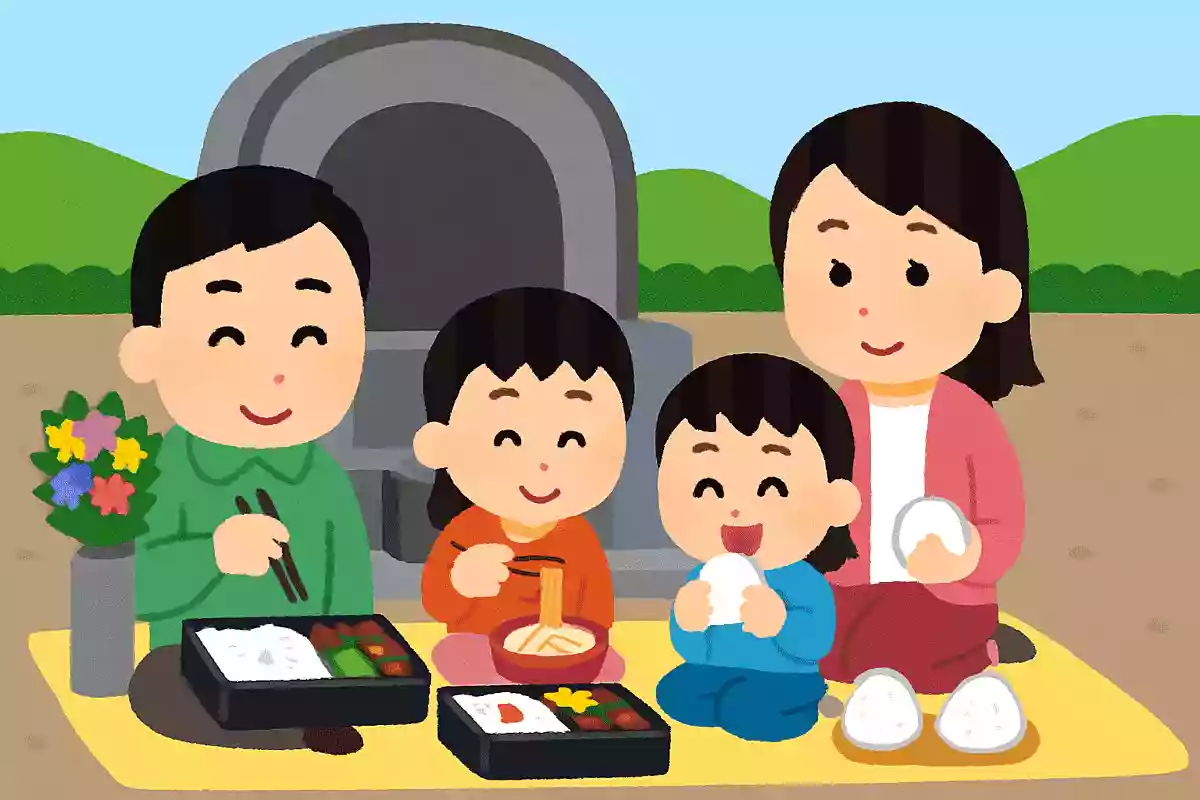
Have you ever visited a grave during Obon or Ohigan? Many people have probably cleaned the grave, offered food to their ancestors, and paid their respects.
In Okinawa, there is a separate ancestral memorial event called “Seimeisai.” It’s pronounced “Saimeisai,” but locals call it “Shīmī” or “Ushīmī.” It is a festival to honor ancestors, where everyone brings layered boxed dishes and alcohol, offers flowers at the graves, and then shares the offerings together.
It is typically held in early March according to the lunar calendar.
Sakura shrimp contain about six times as much calcium as milk.
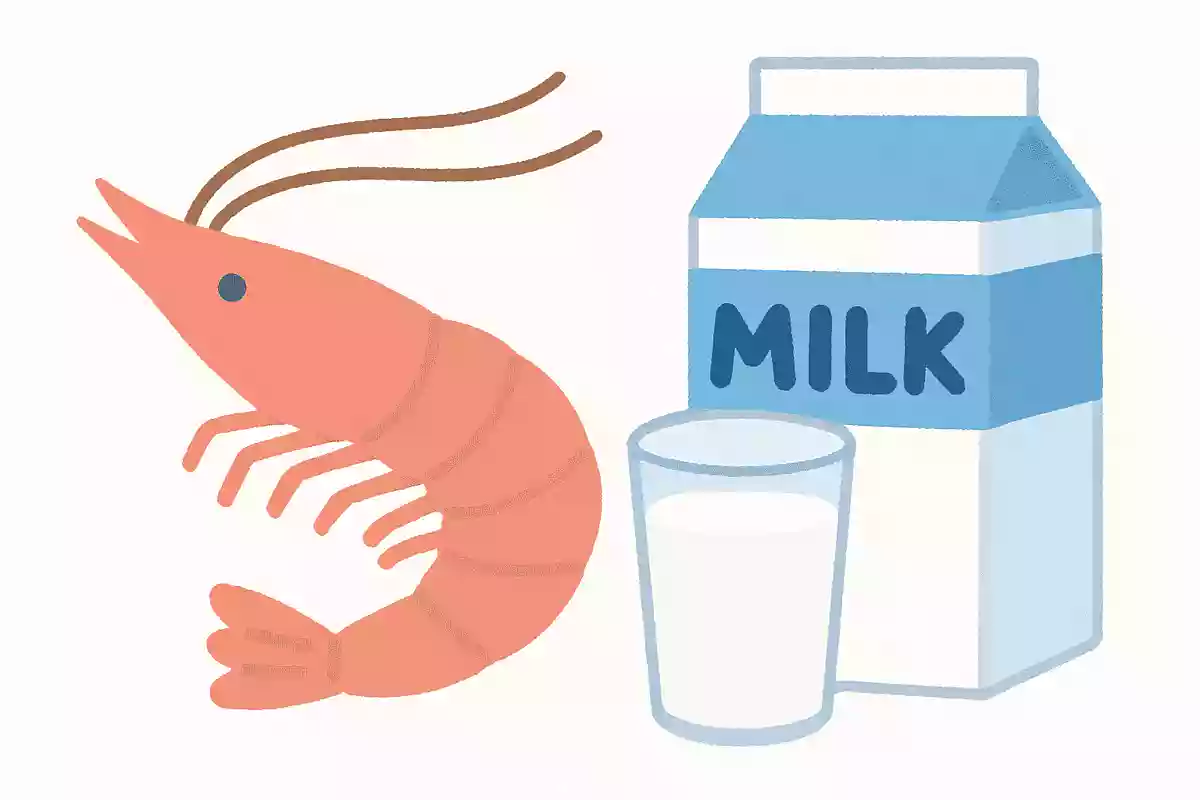
Sakura shrimp are small shrimp about 40 millimeters long, and they’re said to have gotten the name “sakura shrimp” because they turn pink when they’re landed.
Did you know that sakura shrimp contain about six times as much calcium as milk? Calcium is the nutrient needed to build strong teeth and bones.
And sakura shrimp have about six times as much as milk! If you have a friend who doesn’t like milk, be sure to tell them.
Sakura shrimp are sometimes used in dishes like kakiage fritters or ohitashi (blanched greens), so try looking for them in your everyday meals!
The color order of the three-color dango represents the order in which cherry blossoms bloom.
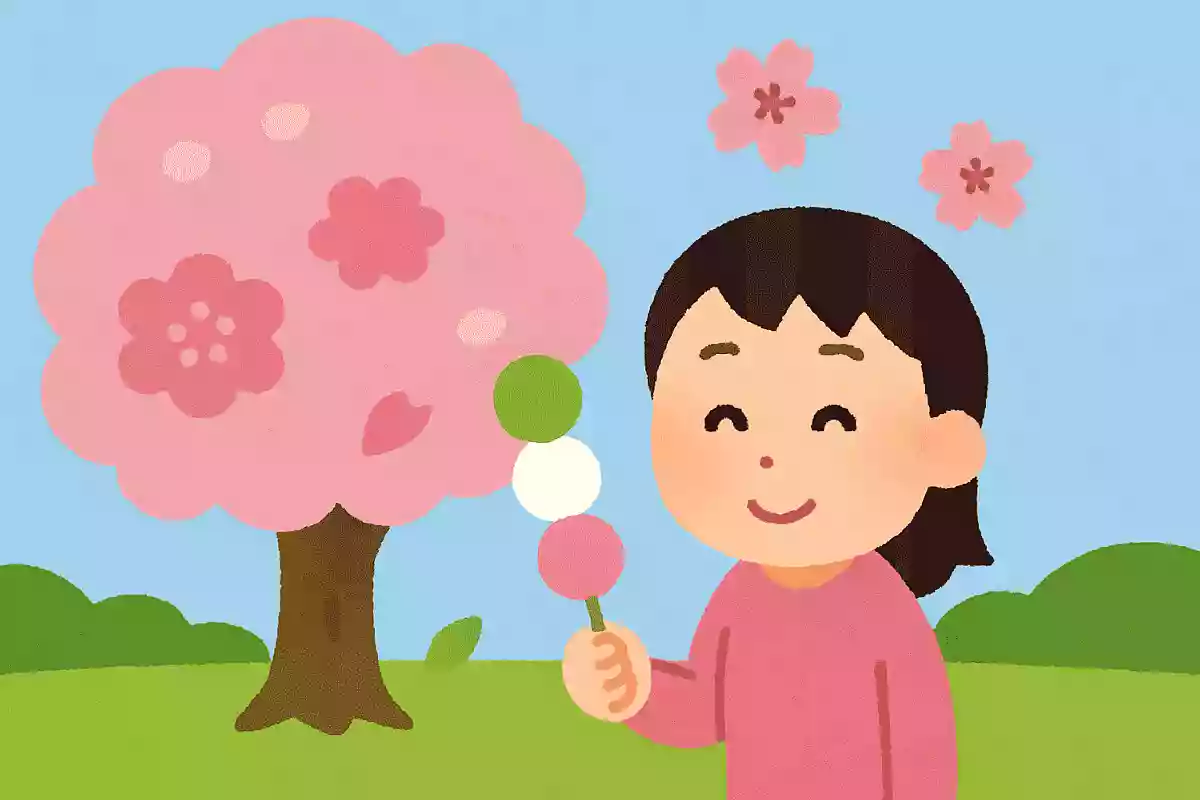
Dumplings over flowers! The softly sweet, gentle-colored three-color dango are said to have their color order represent the sequence of cherry blossoms blooming.
But what do the three colors themselves signify? There are various views: some say they represent the seasons, while others say they express the Doll Festival (Hinamatsuri).
However, regardless of the theory, the arrangement of the three-color dango is always the same.
It’s helpful to remember that the pink on top is the cherry blossom bud, the white in the middle is the cherry tree in full bloom, and the green on the bottom is the leafed cherry after the petals have fallen.