

[For Elementary School Students] Trivia About April

When April comes around, the new school year begins, flowers like cherry blossoms and dandelions bloom, and seasonal ingredients become more plentiful—you can really feel spring in full swing, can’t you?
In this article, we’ll introduce lots of fun trivia related to April!
We’ve especially gathered topics that will be familiar to elementary school students, so please enjoy reading along.
If you come across trivia you didn’t know before, be sure to remember it and show it off to your friends and family!
Now then, let’s dive right in and see what kinds of trivia there are!
- [Trivia] Challenge! Spring General Knowledge Quiz
- Recommended in March! A collection of surprising, little-known trivia that elementary school students will want to share
- [Sakura Quiz] Trivia & Fun Facts Quiz about Cherry Blossoms for Kids
- [For Seniors] Never Run Out of Conversation Starters! A Collection of Fun Facts About April and Spring
- Will you like May even more once you know? Fun May trivia elementary schoolers should know
- [3-Choice Quiz] Cherry Blossom Trivia You'll Want to Share with Someone
- Fun October Trivia Quiz & Facts! Exciting Questions for Kids
- September Trivia Quiz & Fun Facts! A Fun Autumn Quiz for Kids
- [For Elementary School Students] Collection of Science-Related Games and Quizzes
- Shall we delve into the season of new beginnings? April Trivia Quiz!
- So interesting you’ll want to tell someone! December Trivia & Fun Facts Special
- Become a trivia master with a multiple-choice quiz for elementary schoolers! A fun problem collection that captivates both kids and adults
- [April] Spring Origami for Kids: A Collection of Simple and Cute Ideas
[For Elementary School Students] Trivia About April (11–20)
The onion called “shin-tamanegi” (new onion) reaches store shelves more quickly after harvest than regular onions.

The “new onions” you see in supermarkets in spring are a little different from regular onions.
New onions are brought to stores very quickly after harvest, so you can eat them at peak freshness.
Regular onions are dried for a while after harvesting before being stored, but new onions are shipped without drying, which gives them higher moisture and natural sweetness.
Because of that, they’re delicious raw in salads or lightly sautéed.
Enjoy the sweet, crisp flavor of new onions as a taste of the spring season.

Bamboo shoots have husks to prevent animals from eating them.

In spring, you can spot bamboo shoots in bamboo groves, and their brown husks have an important role.
The husk is a natural cover that protects the still-soft sprout, keeping it safe from being eaten by animals and insects.
Inside the husk, there’s plenty of moisture and nutrients, which serve as an energy source for the growing bamboo.
So when we eat them, we peel off the husk and use the tender part inside.
Bamboo shoots, enjoyed as a taste of spring, are a gift from nature that grew strong thanks to their protective husk.
A dandelion flower is made up of about 100 to 200 petals.
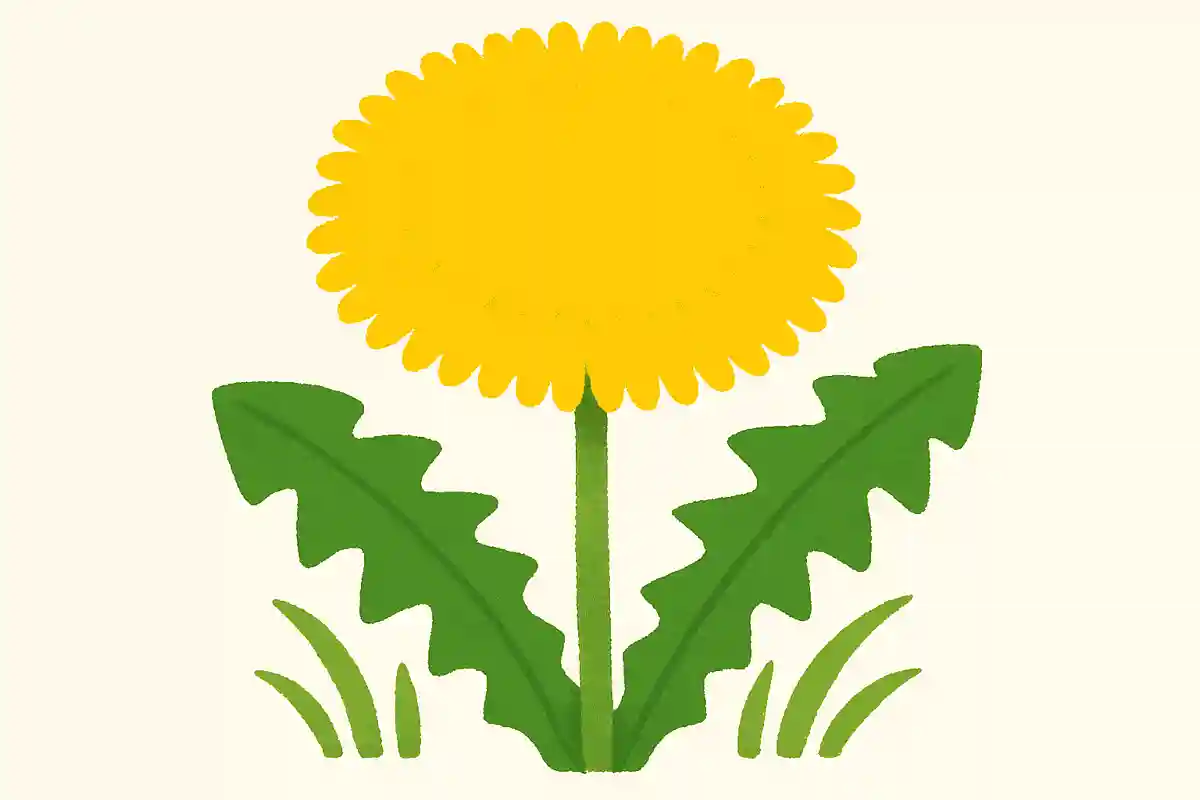
Dandelions are often seen by roadsides and in parks in spring.
They may look small, but they’re actually made up of many gathered petals.
In fact, a single flower has about 100 to 200 tiny petals.
If you look closely, you can see the round yellow florets packed tightly together.
Observing while counting the petals can make you marvel at nature’s intricacy and wonder.
Also, because dandelion seeds drift on the wind and spread, they are an important flower that helps create the spring scenery filled with yellow blossoms.
Tsukushi is the stem part of the plant.

When spring comes, horsetails pop up here and there from the soil.
In fact, horsetails are part of the stem of a plant called field horsetail (Equisetum).
Beneath the ground, the leaves and roots of the field horsetail spread out, and the horsetail shoots are the stems emerging above ground as they prepare to produce their reproductive structures.
At the tip of the shoot are tiny spores, from which new field horsetails grow.
If you observe horsetails you find in spring, you can feel the wonder of plants—“Oh, future horsetails grow from this little stem!” Horsetails aren’t just spring weeds; they are important beings that teach us about the beginnings of plant life.
The river that served as the model for the children’s song “Spring Stream” is located in Tokyo.
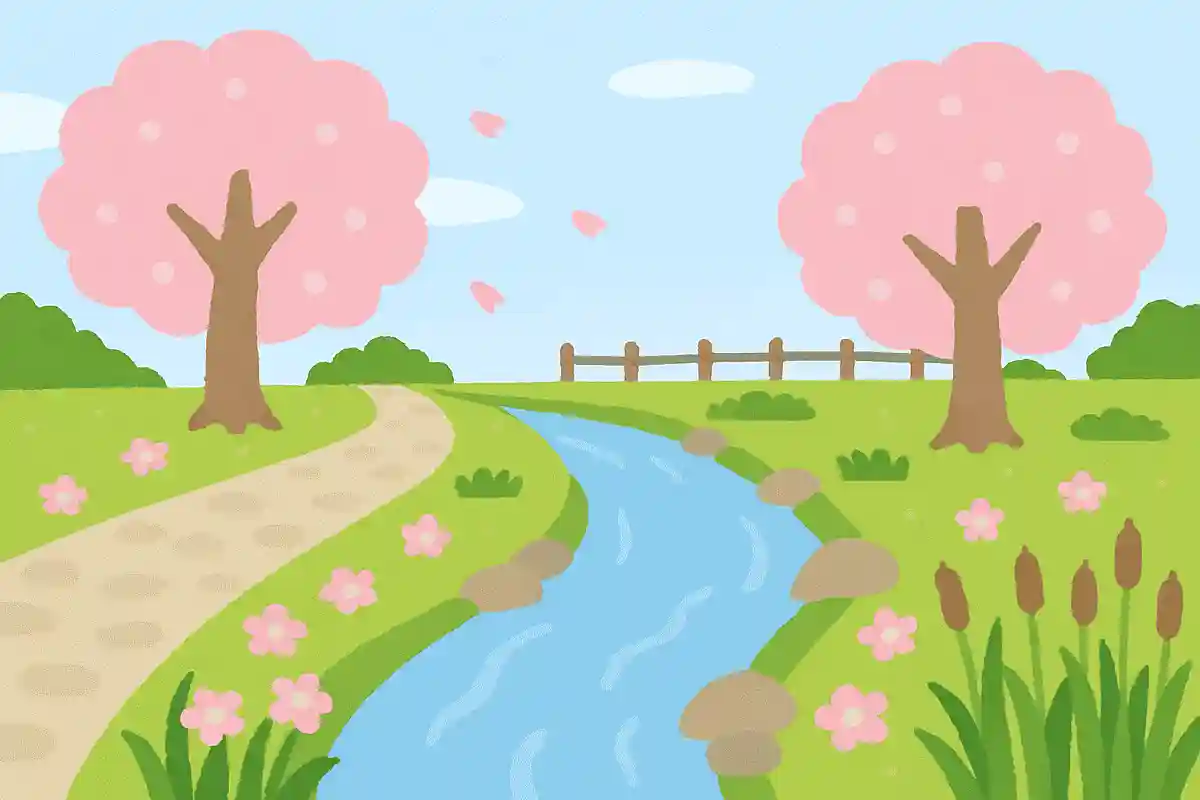
It is said that the model for the children’s song “Spring Brook” may have been a tributary of the Shibuya River, near where the lyricist Tatsuyuki Takano lived.
The poem is believed to have been inspired by the image of a clear stream with small fish and blooming flowers.
In spring, the water would sparkle, and tiny fish and frogs would swim about lively— it was a very beautiful river.
The words in the song directly express the sounds of the water and the behavior of the creatures.
People in the past composed songs while looking at rivers like this, enjoying the arrival of spring and the beauty of nature.
When you walk along a riverbank, try to feel nature while imagining the world of the children’s song.
People who suffer from hay fever should visit a hospital before the pollen starts to spread.

In spring, cedar and cypress pollen begins to spread, and some people experience sneezing, a runny nose, and itchy eyes.
This is hay fever.
For those who suffer from hay fever, it’s considered best to visit a doctor before symptoms appear—that is, before the pollen starts to spread.
The reason is that starting medication in advance can lessen the body’s reaction to the pollen.
There are medications that prevent itching in the nose and eyes, as well as ones that suppress the body’s internal reaction to pollen.
If you consult a doctor and prepare before spring arrives, you may be able to get through pollen season a bit more comfortably.
A dandelion has five petals.
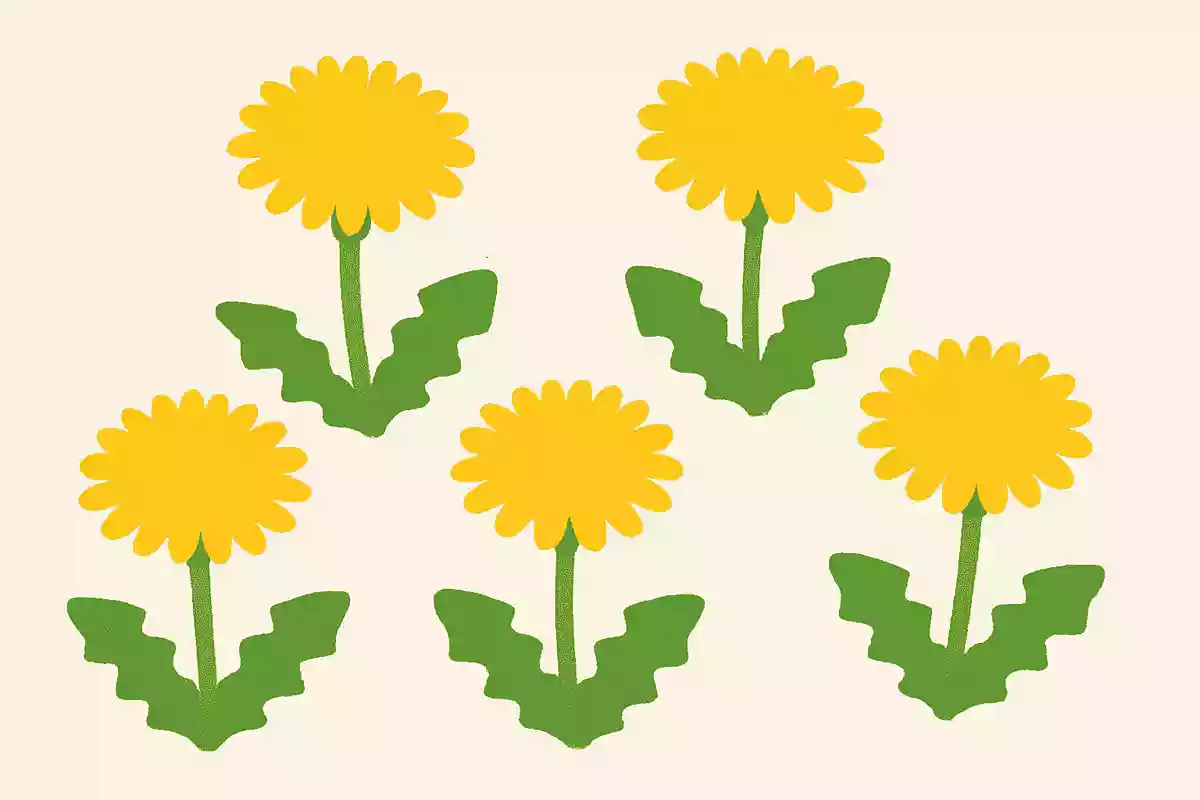
The cute yellow flowers of the dandelion.
Seeing dandelions makes you feel the arrival of spring, doesn’t it? Although dandelions—one of the flowers that symbolize spring—look like they have many petals, that’s not actually the case.
What looks like a single dandelion is in fact made up of hundreds of tiny flowers clustered together.
Each part that looks like a yellow petal is actually an individual flower.
If you look closely at the small yellow flowers, you’ll notice four notches at the tip, which means each flower has five petals.
It could be fun to closely observe dandelions blooming in places like the schoolyard and investigate this for yourself.

Somei Yoshino is a type of Japanese cherry tree and accounts for about 80% of the varieties.
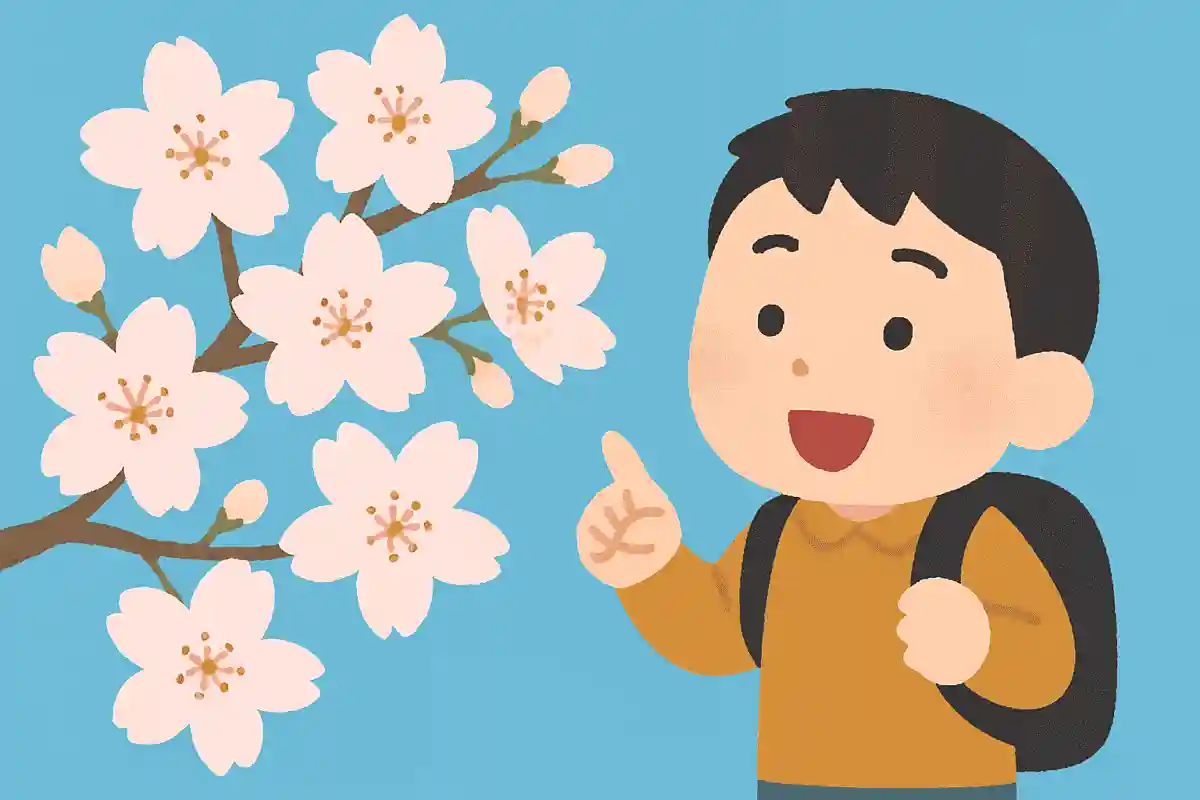
In spring, beautiful pink cherry blossoms bloom in towns and parks, don’t they? Most of those blossoms are a variety called Somei Yoshino, which makes up about 80% of the cherry trees in Japan.
Somei Yoshino originated in the Edo period, and because all the trees are propagated from the same original tree, their blooming patterns and colors are very uniform.
When everyone goes cherry-blossom viewing together, the park’s trees can look like a pink carpet.
When spring comes, try finding Somei Yoshino blooming on your way home from school or near your house, and compare the number and shapes of the flowers!
April 4 is Anpan Day because anpan was presented to Emperor Meiji on that date.

Anpan is bread filled with sweet red bean paste.
It’s usually round, and sometimes the top is sprinkled with poppy seeds or sesame seeds.
Do you know about Anpan Day? April 4th is said to be Anpan Day because that’s the day anpan was presented to the Meiji Emperor.
The origin goes back to when Their Majesties the Emperor Meiji and Empress went to Mito for cherry-blossom viewing, and anpan was offered as a tea sweet.
It’s said that that anpan had salted cherry blossoms on top.
What a lovely, springlike topping.
Firefly squid, which are in season in April, glow underwater.

The firefly squid inhabits the Sea of Japan.
Those caught especially in April, when they are in season, have firm flesh and a faint sweetness.
That aside, do you know why they’re called “firefly” squid? As you probably guessed, the “firefly” refers to the insect that glows in the dark.
So why the name firefly squid? It’s because they emit a bluish-white light underwater.
Their glowing appearance is beautiful, and many tourists visit to catch a glimpse.
