

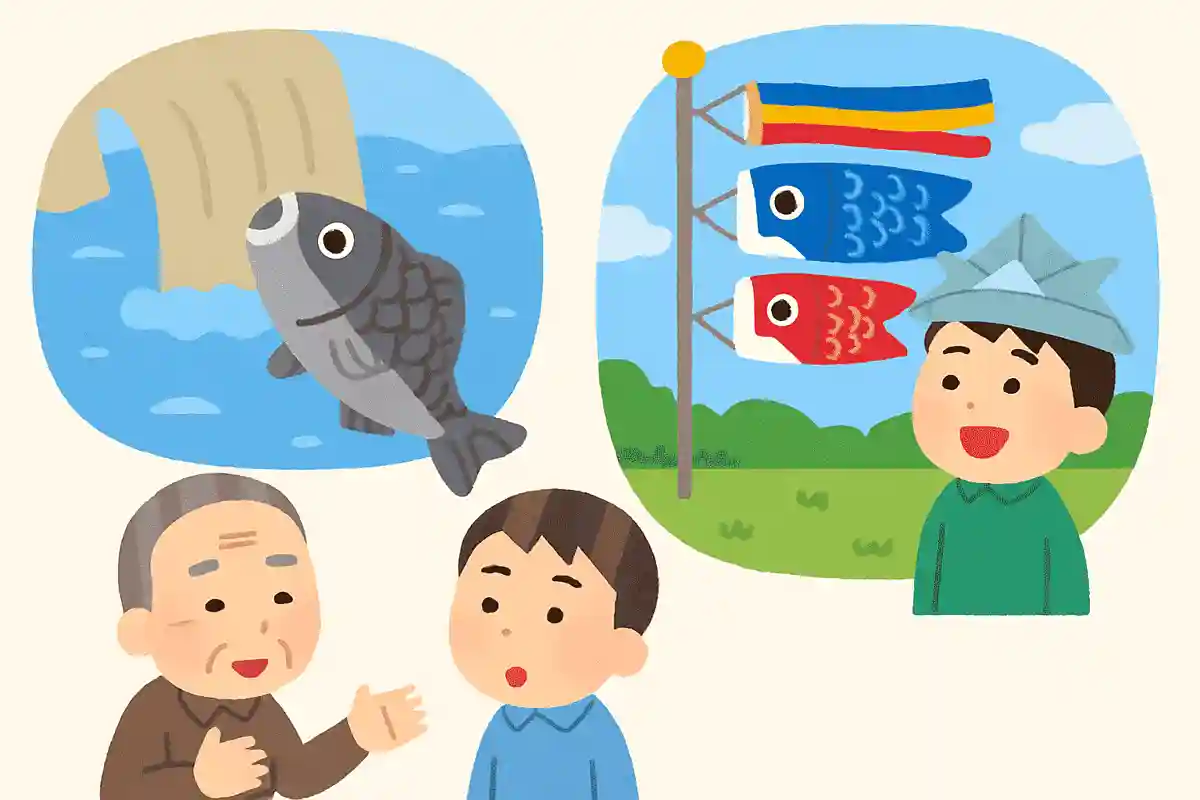
Will you like May even more once you know? Fun May trivia elementary schoolers should know


May is when we start getting used to our new classes.With hay fever settling down, it’s the season when playing outside becomes more fun.May has many events closely related to elementary school students, such as Children’s Day and Mother’s Day, but did you know there are also all kinds of trivia beyond that?Even if words come up in classes like Japanese or English, there may not be many elementary school students who know their origins.This time, we’ll introduce trivia about words you’ve likely heard related to May, as well as about seasonal events!
Will May become even more likable once you know more? Fun May trivia for elementary schoolers (1–10)
The reason we display carp streamers on Children’s Day
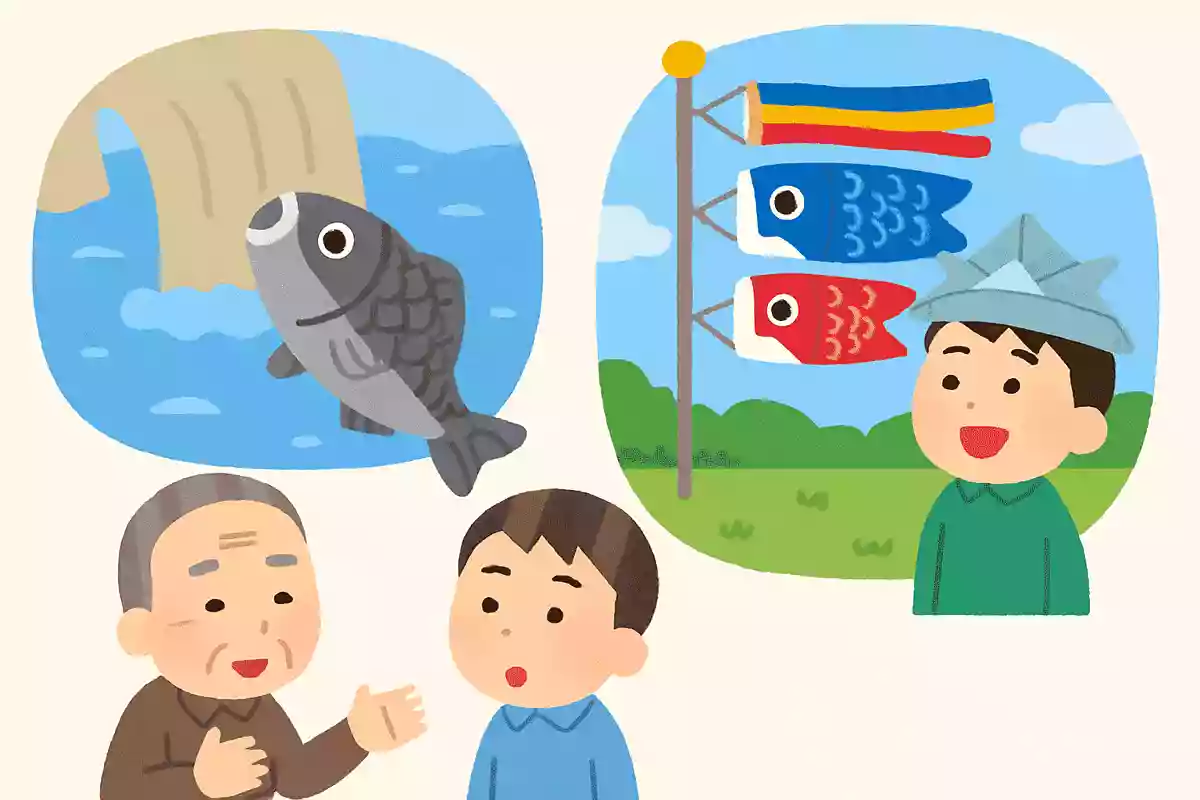
Surprising but true! Here’s why we display koi-shaped streamers on Children’s Day.
The custom is said to originate from the Chinese legend “Tōryūmon,” in which a carp that swims up the swift currents of a mountain waterfall called the Dragon Gate transforms into a dragon and ascends to the heavens.
Carps are powerful enough to swim upstream and climb waterfalls; by analogy, people began displaying koi streamers to wish for children to grow up healthy, energetic, and happy.
Today, the sight of koi streamers fluttering in the wind is cherished as a symbol celebrating children’s sound growth.
The reason for displaying a samurai helmet (kabuto) on Children’s Day
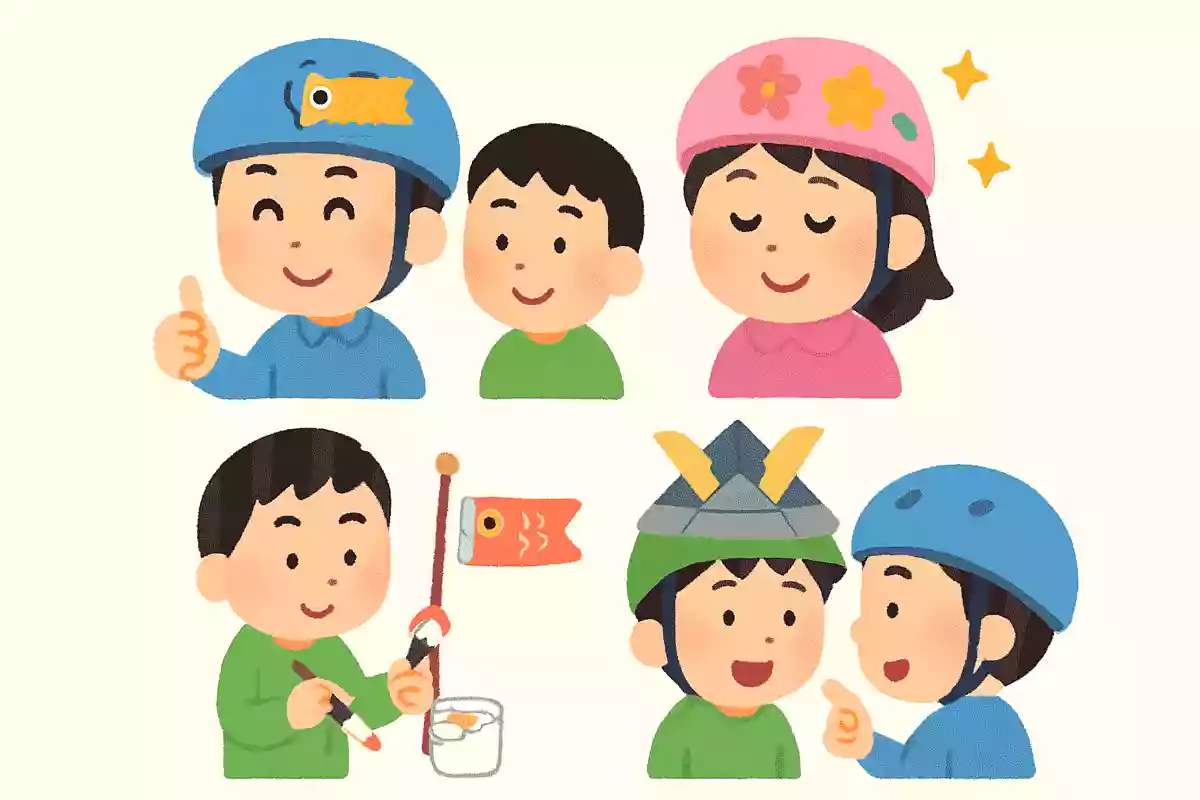
I didn’t know that! Let me introduce the reason for displaying a kabuto (samurai helmet) on Children’s Day.
It’s said to have started as a protective charm to safeguard children.
Did you know that samurai wore kabuto when they went into battle? From the Kamakura to the Muromachi period, samurai households would air out and maintain their armor just before the rainy season.
Thinking that this tradition originates from the customs of samurai families really gives you a sense of history, doesn’t it? It’s also said to carry the wish that children will be protected and grow up healthy and strong!
Why new tea is considered a good omen
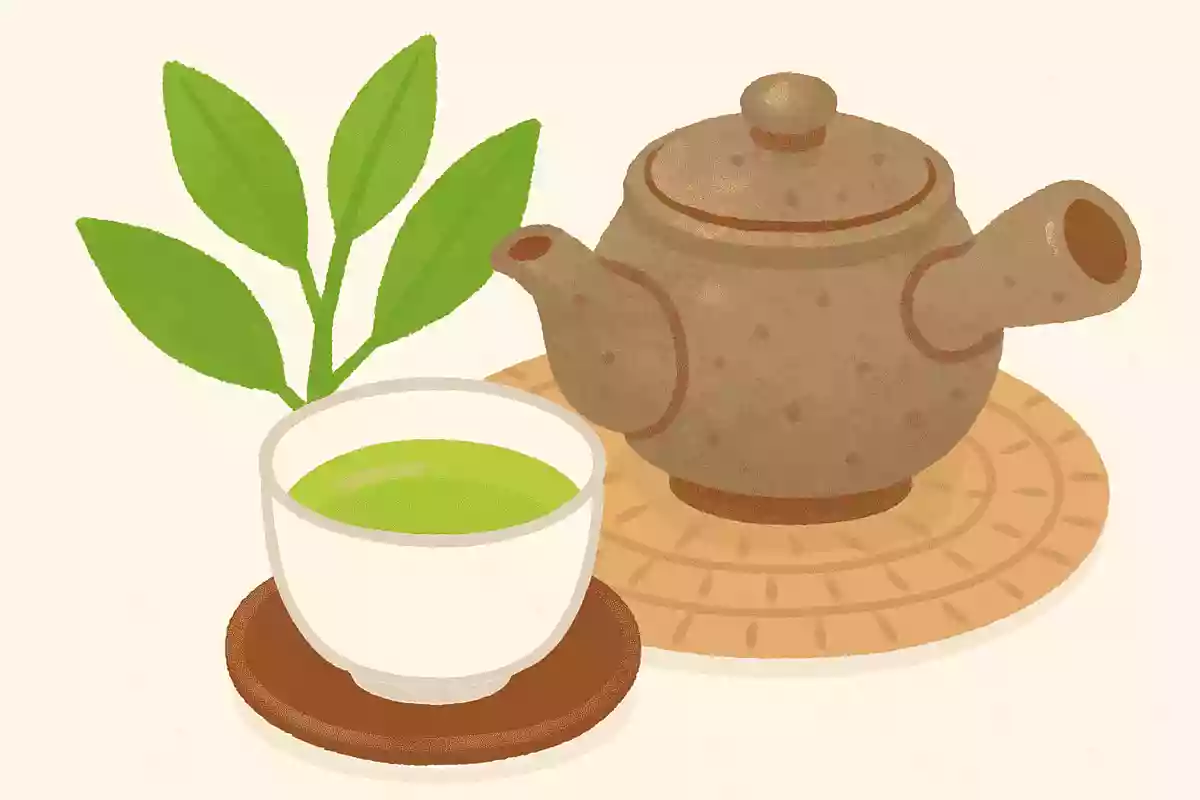
Just as the foods we enjoy change with the seasons, May is considered the start of the tea harvest season.
Why, then, is the first-picked tea—shincha—regarded as something special and auspicious? Tea plants are said to be hardy trees that can be harvested multiple times throughout the year, not only during this season.
Among those harvests, the first flush—shincha—is believed to be especially full of vitality.
Because of this, people have traditionally drunk shincha as a good-luck charm imbued with wishes for health and protection from illness.

The former main figure of Boys’ Day (Tango no Sekku)
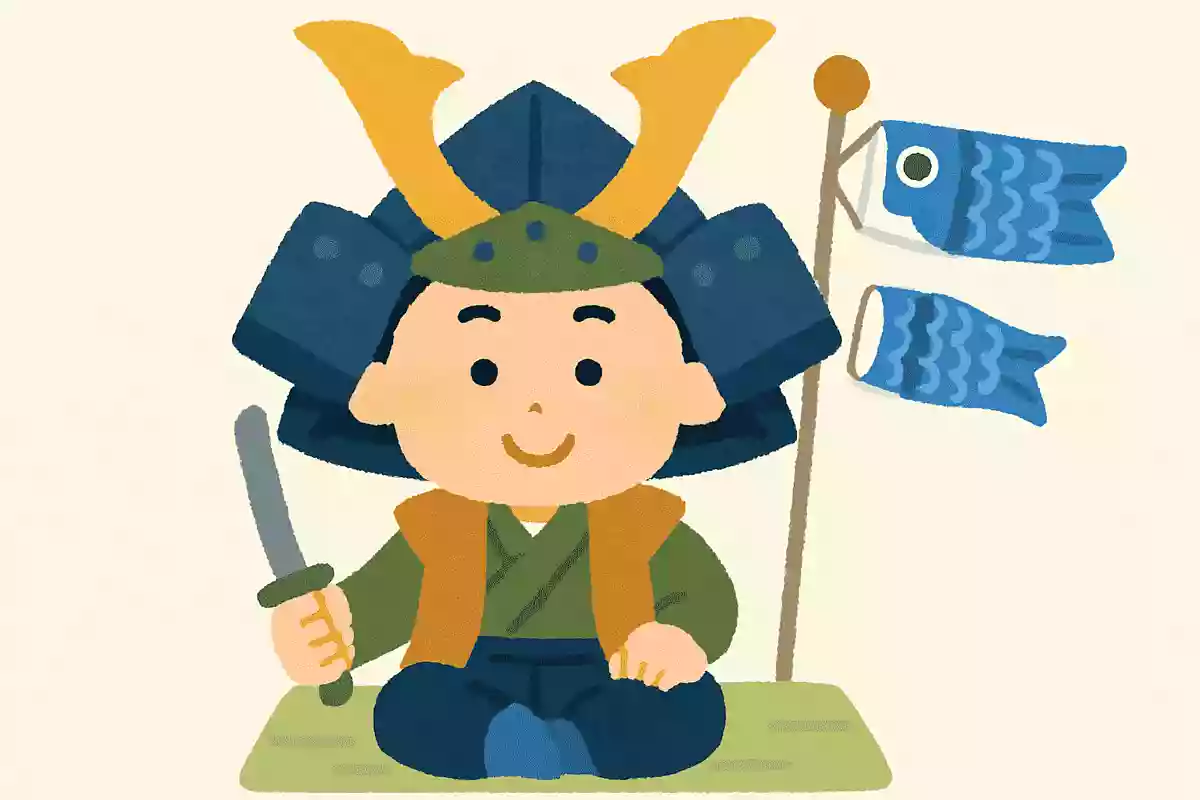
Something you’ll want to share with friends and family! Let me introduce the former star of Boys’ Festival (Tango no Sekku).
May 5 is now widely known as Children’s Day, but it originally marked Tango no Sekku, a day to celebrate boys’ growth, and was especially lavishly observed in samurai households during the Edo period.
Did you know, though, that the main “star” of Tango no Sekku wasn’t boys in the old days? It’s said that the festival originally centered on women.
On the first day of the Horse in May, women performed “satsuki-imi,” purifying body and mind and praying to the rice field deity for a bountiful harvest.
On that day, they secluded themselves at home and decorated with a plant called shōbu (sweet flag) to enliven the festivities.
However, from the Kamakura period onward, as samurai culture took hold, the day shifted to celebrating boys’ growth.
Because boys were expected to inherit the family line, Tango no Sekku evolved into a celebration for boys.
The era when Children’s Day began
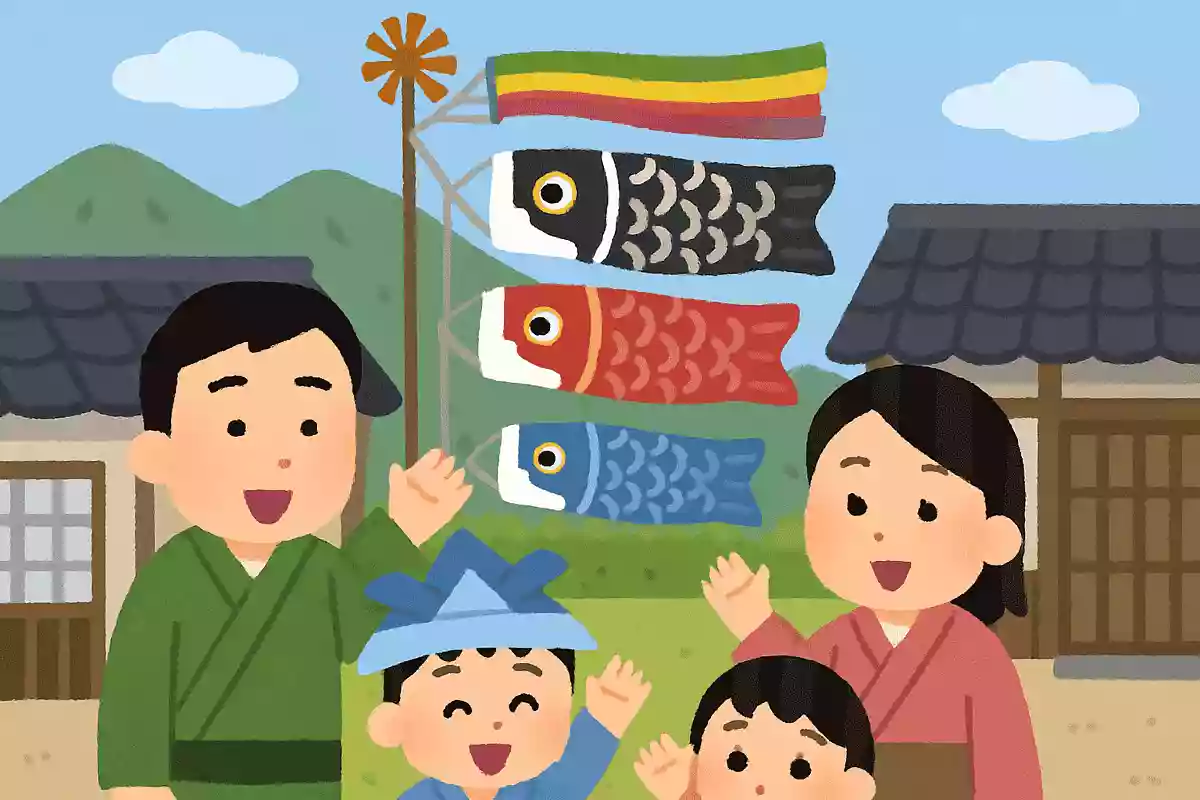
Golden Week, a stretch of consecutive holidays, is one of the big pleasures of May, and among those holidays, I think Children’s Day is an easy one to remember.
So when did Children’s Day, an essential part of Golden Week, begin? As a Japanese national holiday, it was established in 1948 (Showa 23), but its origins are said to lie in ancient China.
It originally comes from the festival called Tango no Sekku, a day marked by rituals to ward off evil and pray for the healthy growth of boys.
The iris decorations displayed on this day also derive from Tango no Sekku, so how about putting them up properly and appreciating their origins?
The meaning of the streamer at the very top of the koinobori
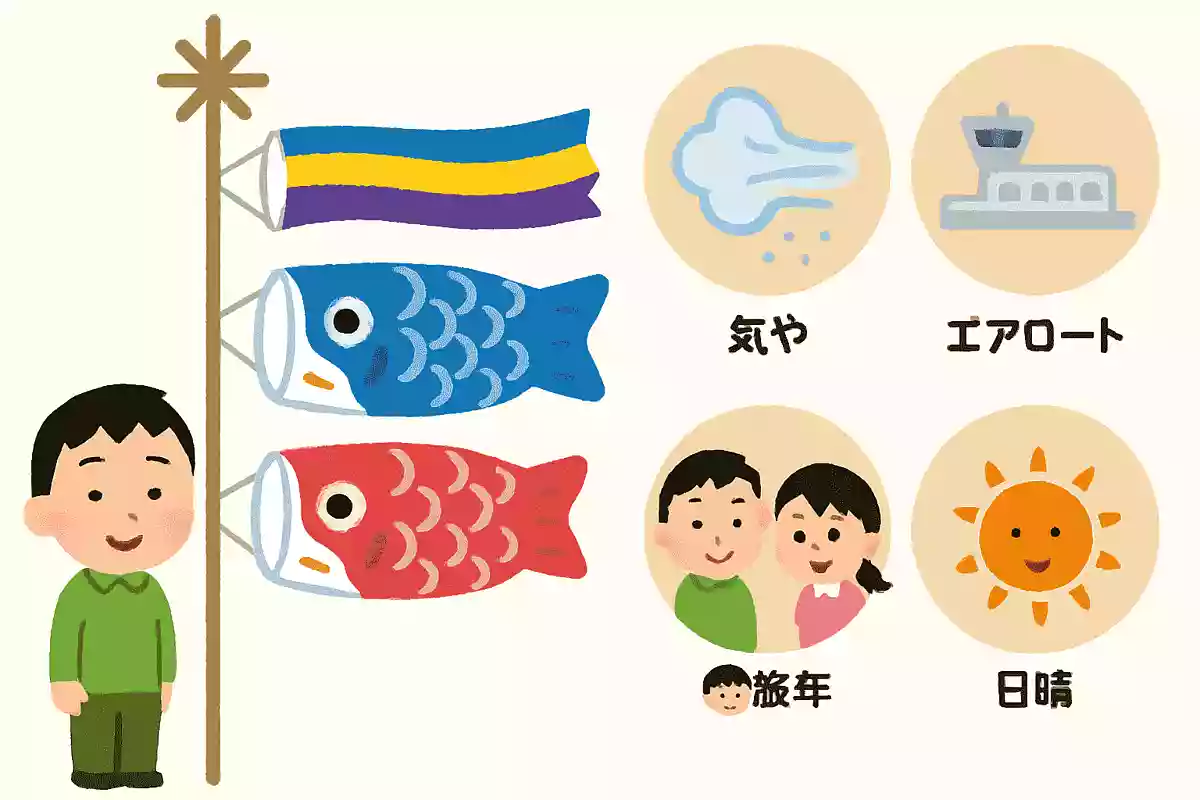
Koinobori are one of the essential decorations for Children’s Day, and the sight of large carp dancing in the wind evokes a sense of strength and freshness.
But what meaning is carried by the part that isn’t the carp—the colorful windsock that flies above them? The colors of the windsock also have significance: they represent the elements of nature in the Yin-Yang and Five Elements theory, serving as a talisman to protect children.
It is also said to act as a marker for the gods.
Altogether, the windsock expresses the wish for protection over the home and the children.
Origin of Greenery Day

Among the consecutive Golden Week holidays, compared to Constitution Memorial Day and Children’s Day, it’s harder to grasp the origins and intentions behind Greenery Day, isn’t it? Let’s think about how Greenery Day came to be and what sentiments are embodied in this holiday.
Greenery Day has been on May 4 since 2007; before that, April 29—now known as Showa Day—was designated as Greenery Day.
April 29 is the birthday of Emperor Showa, who was known for his deep love of nature, and after his passing, the holiday was named Greenery Day to carry on that spirit.
Keeping this origin in mind, it might be nice to use Greenery Day as a chance to turn our attention to nature.