

Will you like May even more once you know? Fun May trivia elementary schoolers should know


May is when we start getting used to our new classes.With hay fever settling down, it’s the season when playing outside becomes more fun.May has many events closely related to elementary school students, such as Children’s Day and Mother’s Day, but did you know there are also all kinds of trivia beyond that?Even if words come up in classes like Japanese or English, there may not be many elementary school students who know their origins.This time, we’ll introduce trivia about words you’ve likely heard related to May, as well as about seasonal events!
- [For Seniors] Introducing trivia related to May!
- Recommended in March! A collection of surprising, little-known trivia that elementary school students will want to share
- [For Kids] Fun Facts & Trivia Quiz about Koinobori (Carp Streamers)
- [Easy] Quizzes That Elementary School Students Can Solve! A Collection to Nurture Wisdom
- Learn to Love the Rain! Fun Facts & Trivia Quiz about the Rainy Season for Kids
- [For Elementary School Students] A Collection of Fun, Educational Quiz Ideas for Mother's Day
- [For Elementary School Students] Trivia About April
- [For Kids] Trivia & Fun Facts Quiz About June
- [For Kids] November Trivia Quiz & Fun Facts: Let’s Learn While Having Fun!
- [Common Sense & Trivia] True-or-False Quiz with Knowledge for Elementary School Students
- [For Kids] December Trivia Quiz & Fun Facts! Learn about seasonal events and traditions!
- Surprisingly, there’s a lot we don’t know? A quiz to learn trivia about May!
- Lesser-known facts about Mother’s Day that might surprise you—tidbits you’ll want to share with someone
Will knowing this make you love May even more? Fun May facts for elementary schoolers (21–30)
In Thailand, people wear light blue clothes on Mother’s Day.
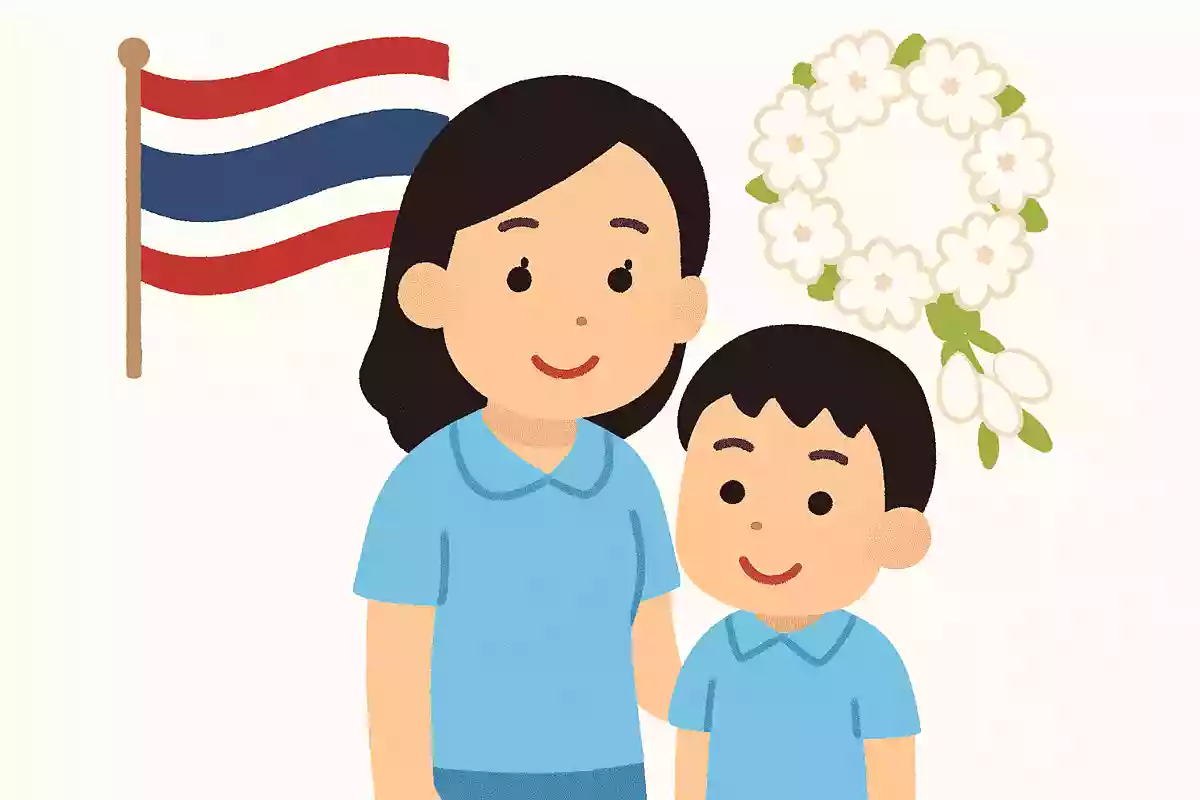
In Japan, Mother’s Day is on the second Sunday of May, but the timing varies depending on a country’s culture and customs.
Among countries where Mother’s Day falls at different times, why not take a closer look at how Thailand celebrates it and cultivate an interest in the country’s culture? In Thailand, Mother’s Day coincides with the queen’s birthday; during Queen Sirikit’s era, Mother’s Day was set on August 12.
A notable point is that the queen was born on a Friday, and since the color associated with Friday in Thailand is light blue, there’s a custom of wearing light blue clothing.
It’s an intriguing cultural aspect that the timing and even the color might change depending on the reigning queen.

In Nepal, it’s not Mother’s Day but ‘the day to see your mother’s face.’
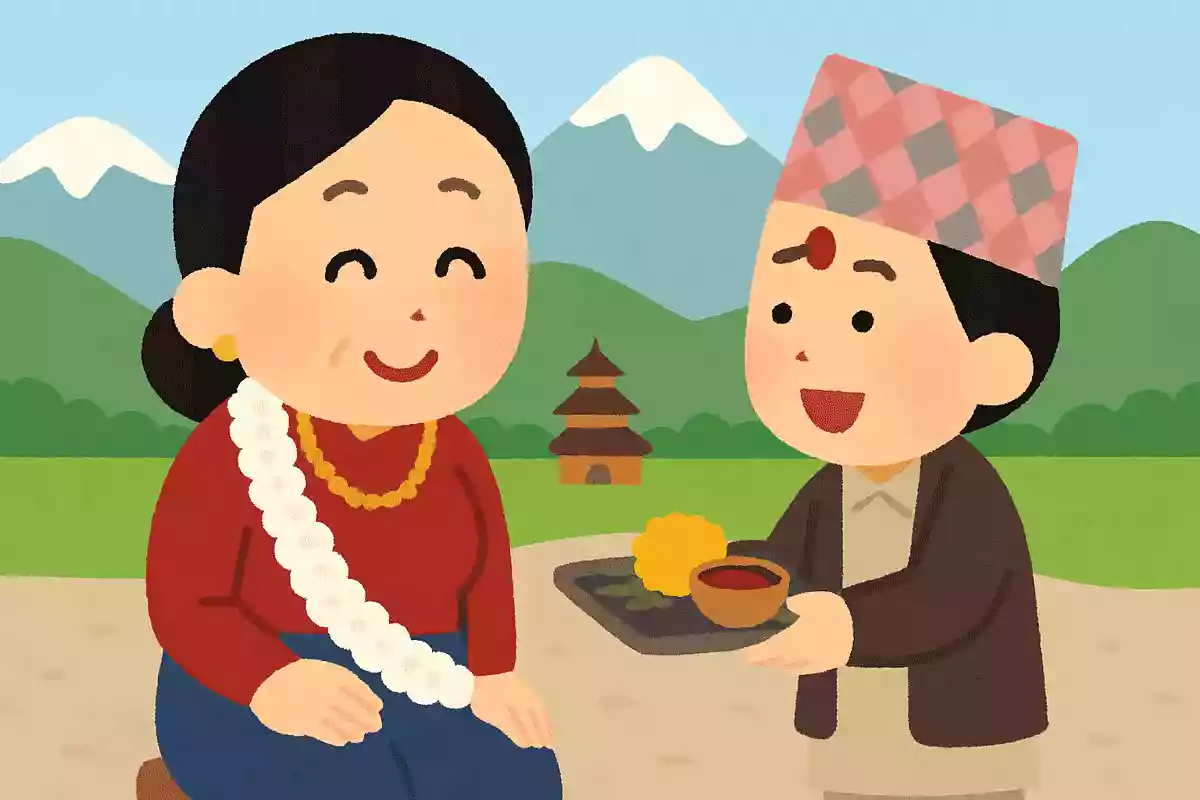
Mother’s Day is a time to express our gratitude to our mothers, but the way we show that gratitude varies from country to country.
How about exploring how it differs from Japan’s Mother’s Day by looking at how it’s celebrated in Nepal? In Nepal, one day between late April and early May is celebrated as “the day to see one’s mother’s face,” when people give gifts directly to their mothers to express their thanks.
The key point is the “direct” part—because it’s a face-to-face celebration, it gives the impression that the feeling of gratitude is conveyed all the more clearly.
In Norway, partners give gifts on Mother’s Day to women who have given birth.
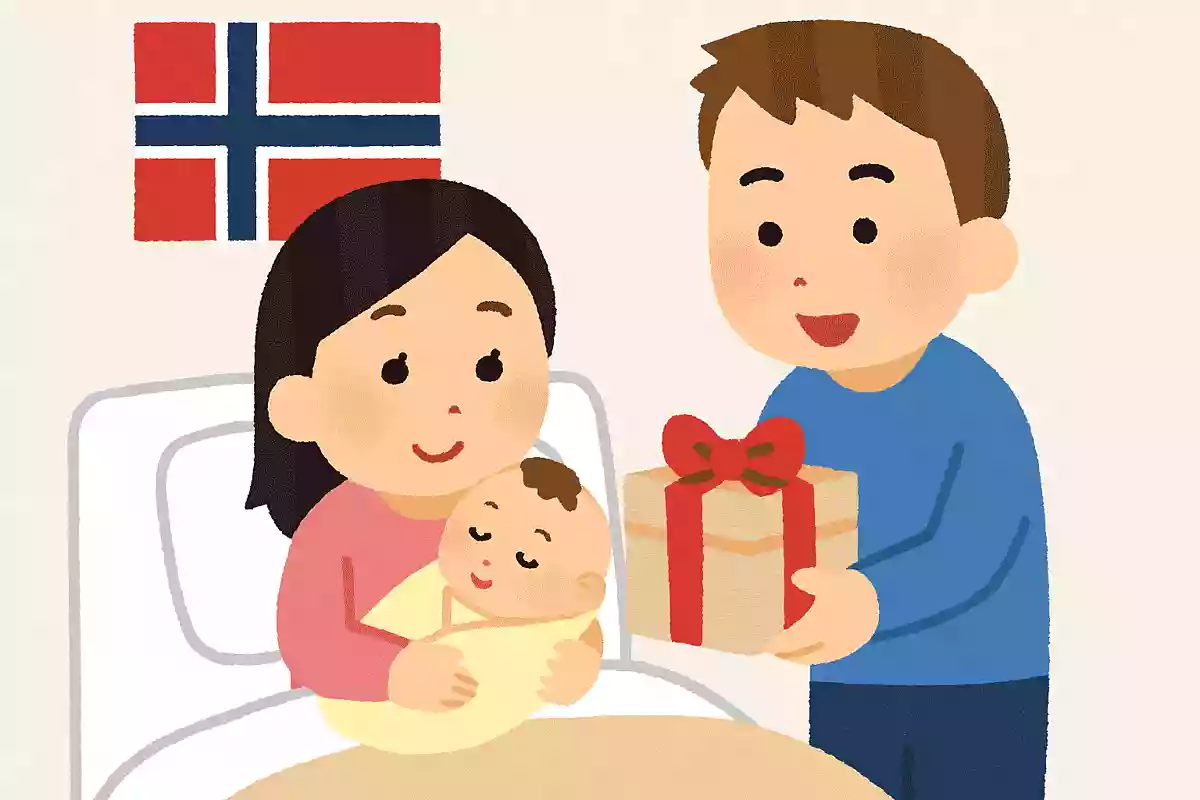
In some countries, the timing of Mother’s Day varies greatly, and among them, Norway is known as one of the countries where Mother’s Day arrives the earliest.
What’s unique about Norway’s Mother’s Day is not just the early timing, but also its distinctive ways of celebrating that aren’t seen in other countries.
The way it’s celebrated changes when a woman gives birth: on the first Mother’s Day that comes after the birth, there is a custom for her partner to give her a present.
This milestone of being celebrated by the partner seems to enhance the feeling of having truly become a mother.
Hungary celebrates International Women’s Day instead of Mother’s Day.
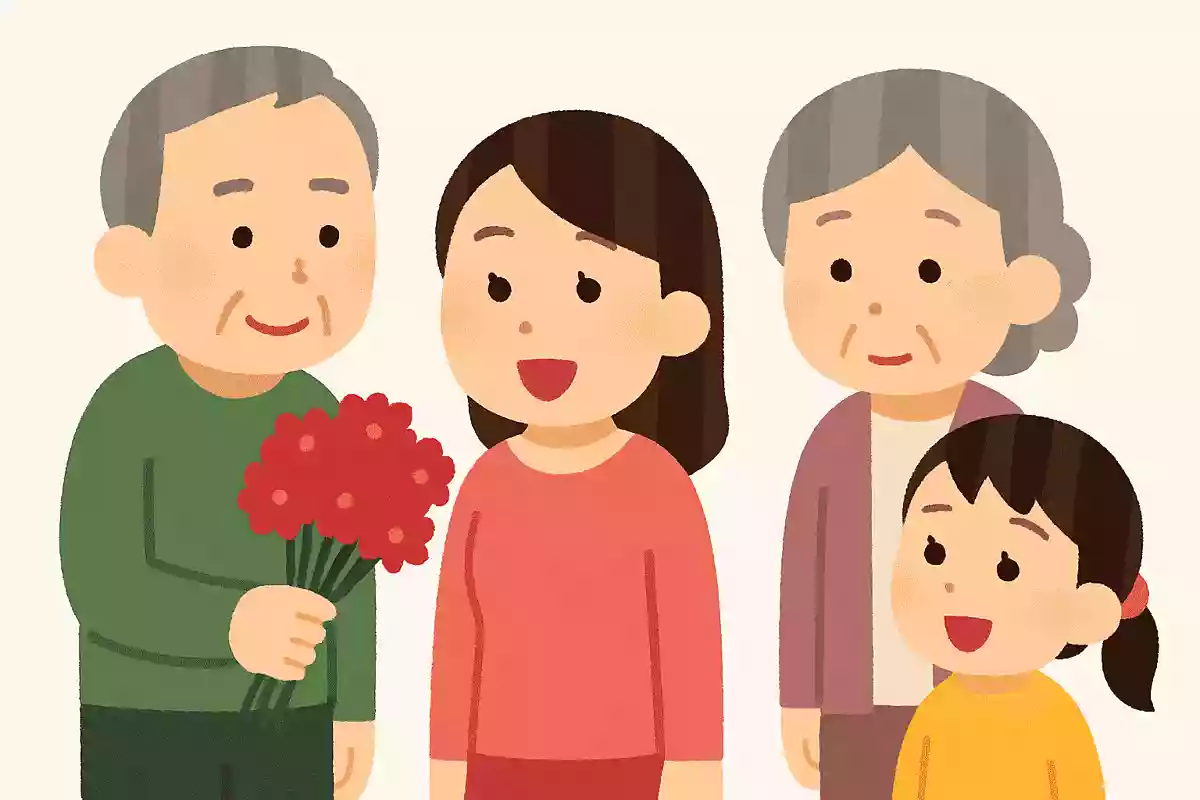
In Japan, Mother’s Day is a day to express gratitude to mothers, but in some countries the name and meaning differ.
Among celebrations similar to Mother’s Day that differ from Japan’s, let’s look at Hungary’s.
In Hungary, the first Sunday of May is celebrated as “Women’s Day,” a day when people give gifts—such as lilac flowers—not only to mothers but to all women.
The notion of expressing thanks regardless of age or status gives the impression that happiness is even more widely shared.
Flowers to give on Mother’s Day in Australia
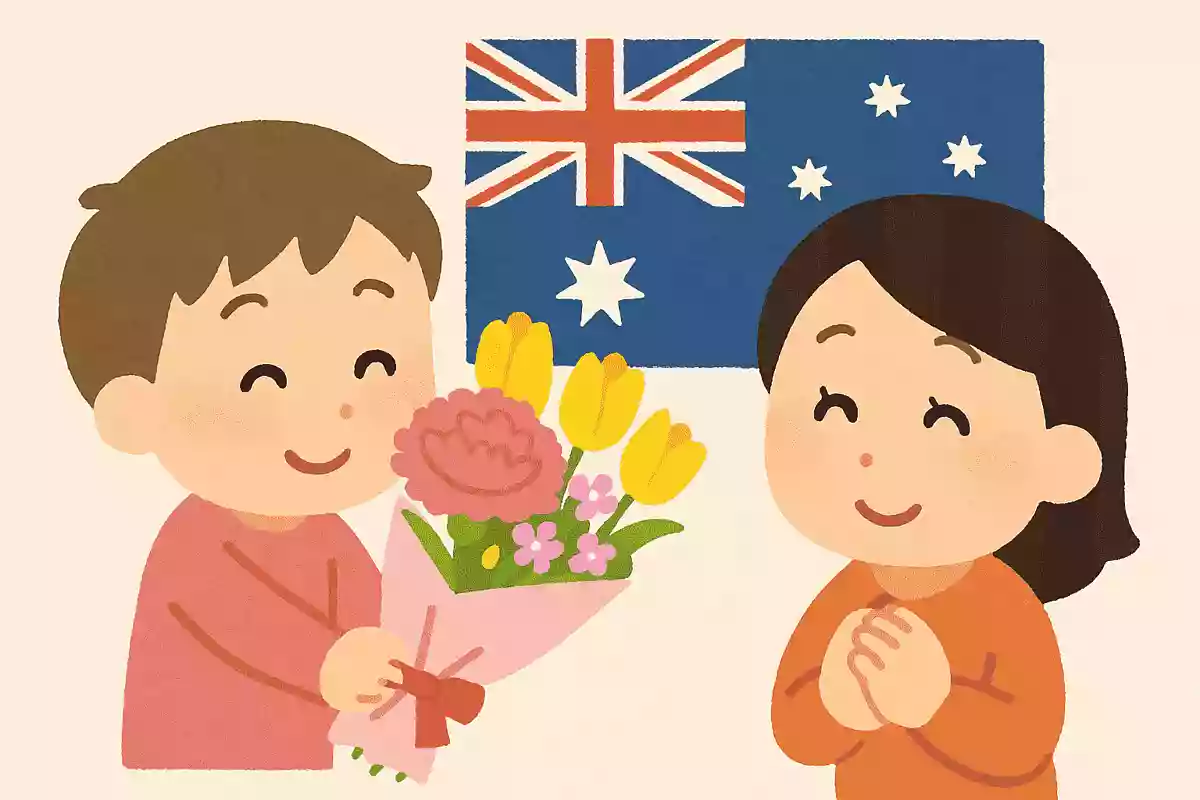
Mother’s Day falls on the second Sunday of May, and many people associate it with sending carnations as a token of appreciation.
However, in Australia, it’s said that a different flower is given on Mother’s Day.
There, people give chrysanthemums, which may be partly because the seasons are opposite and it’s autumn at that time.
In English, chrysanthemum is “chrysanthemum,” and the affectionate nickname “mum” is said to be one reason the flower became a popular Mother’s Day gift—an origin that carries a warm sentiment.
The reason the nationwide traffic safety campaign is held in May
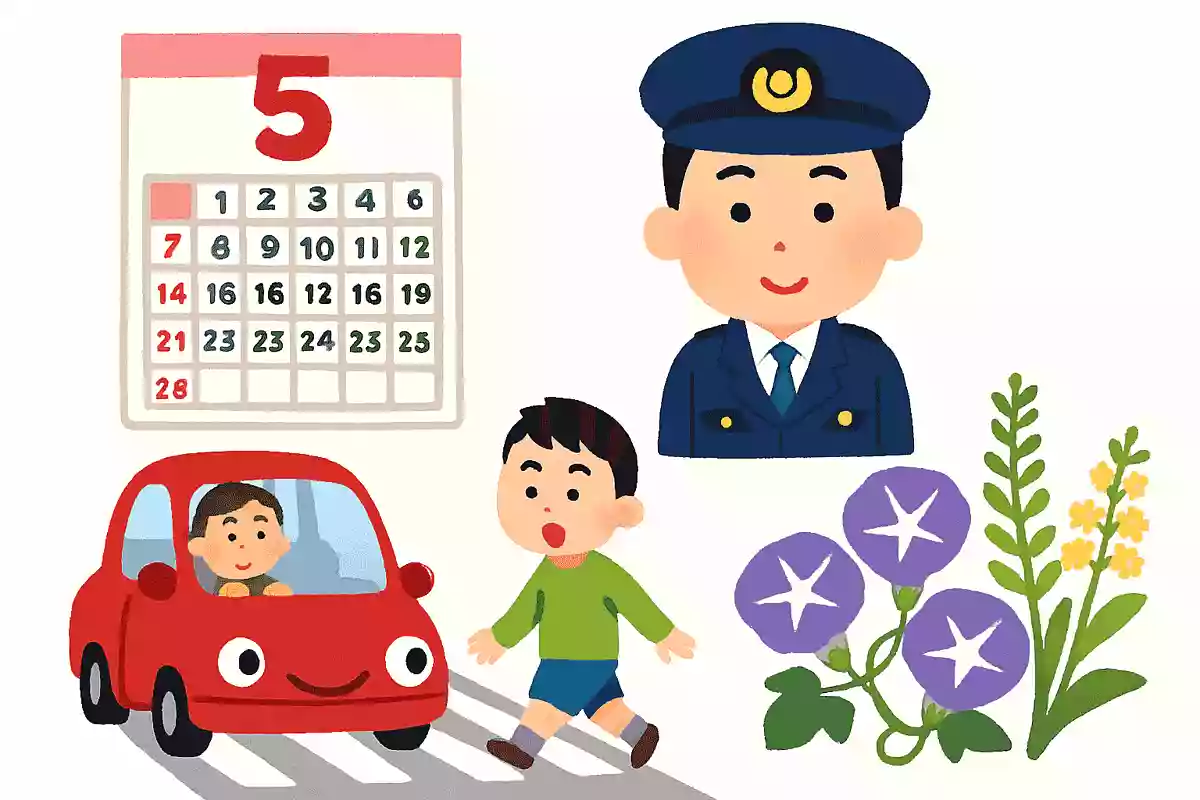
The nationwide Spring Traffic Safety Campaign is held to address the increased risk of traffic accidents involving children who have just started elementary school.
It’s generally conducted in April, but have you ever wondered if it’s sometimes held in May? There’s a practical reason behind that.
Traffic safety campaigns are basically held once every four months, but in years when they overlap with unified local elections, the schedule is shifted because authorities get very busy.
You can’t help but admire the local government officials who are involved in both election activities and the traffic safety campaign.

A country where Constitution Memorial Day is the same as Japan’s
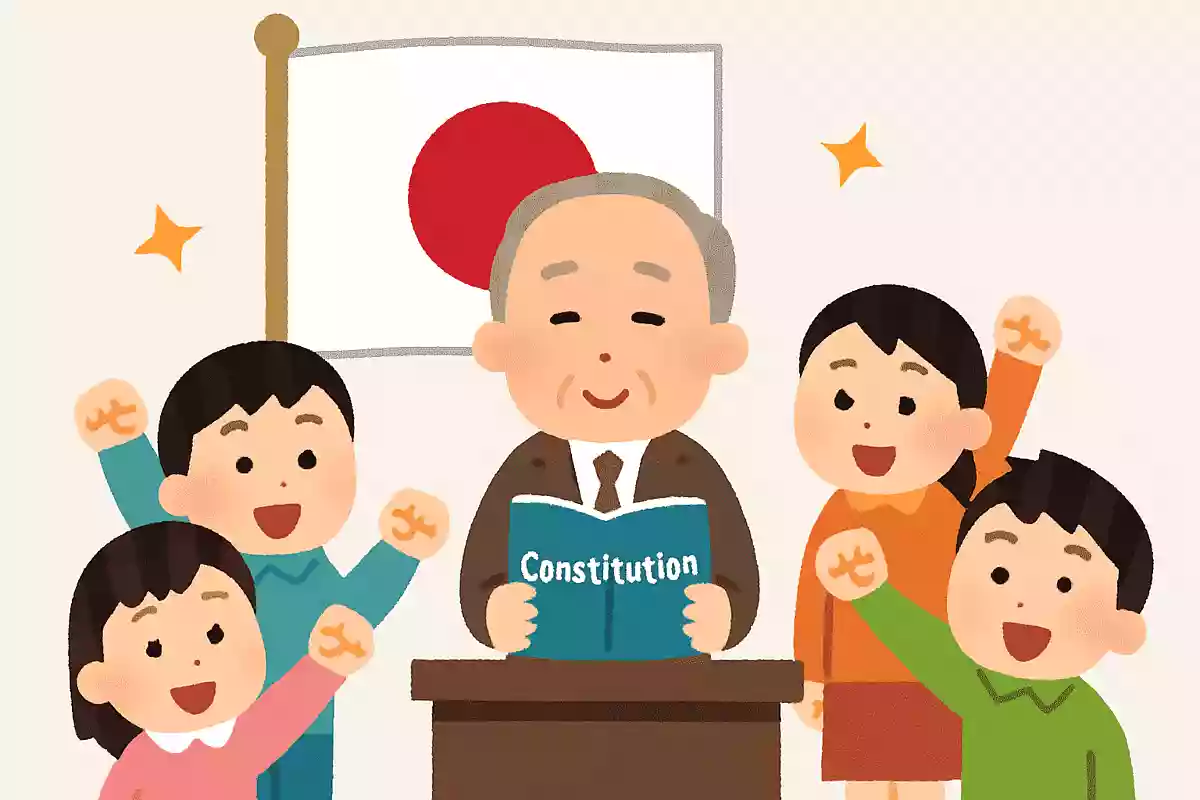
Constitution Memorial Day, one of the national holidays during Golden Week, is a holiday that commemorates the enforcement of the Constitution of Japan on May 3, 1947.
While the date of Constitution Day varies by country, there is a nation that shares the same date of May 3: Poland.
There, it commemorates the constitution enacted in 1791.
It’s interesting that, despite sharing the same commemorative date, Japan’s constitution was established after the war, whereas Poland’s is the second oldest written constitution after that of the United States—highlighting a contrast in historical eras.