

Will you like May even more once you know? Fun May trivia elementary schoolers should know


May is when we start getting used to our new classes.With hay fever settling down, it’s the season when playing outside becomes more fun.May has many events closely related to elementary school students, such as Children’s Day and Mother’s Day, but did you know there are also all kinds of trivia beyond that?Even if words come up in classes like Japanese or English, there may not be many elementary school students who know their origins.This time, we’ll introduce trivia about words you’ve likely heard related to May, as well as about seasonal events!
- [For Seniors] Introducing trivia related to May!
- Recommended in March! A collection of surprising, little-known trivia that elementary school students will want to share
- [For Kids] Fun Facts & Trivia Quiz about Koinobori (Carp Streamers)
- [Easy] Quizzes That Elementary School Students Can Solve! A Collection to Nurture Wisdom
- Learn to Love the Rain! Fun Facts & Trivia Quiz about the Rainy Season for Kids
- [For Elementary School Students] A Collection of Fun, Educational Quiz Ideas for Mother's Day
- [For Elementary School Students] Trivia About April
- [For Kids] Trivia & Fun Facts Quiz About June
- [For Kids] November Trivia Quiz & Fun Facts: Let’s Learn While Having Fun!
- [Common Sense & Trivia] True-or-False Quiz with Knowledge for Elementary School Students
- [For Kids] December Trivia Quiz & Fun Facts! Learn about seasonal events and traditions!
- Surprisingly, there’s a lot we don’t know? A quiz to learn trivia about May!
- Lesser-known facts about Mother’s Day that might surprise you—tidbits you’ll want to share with someone
Will May become even more likable once you know more? Fun May trivia for elementary schoolers (1–10)
What are the three items used as front decorations for Boys’ Day dolls?
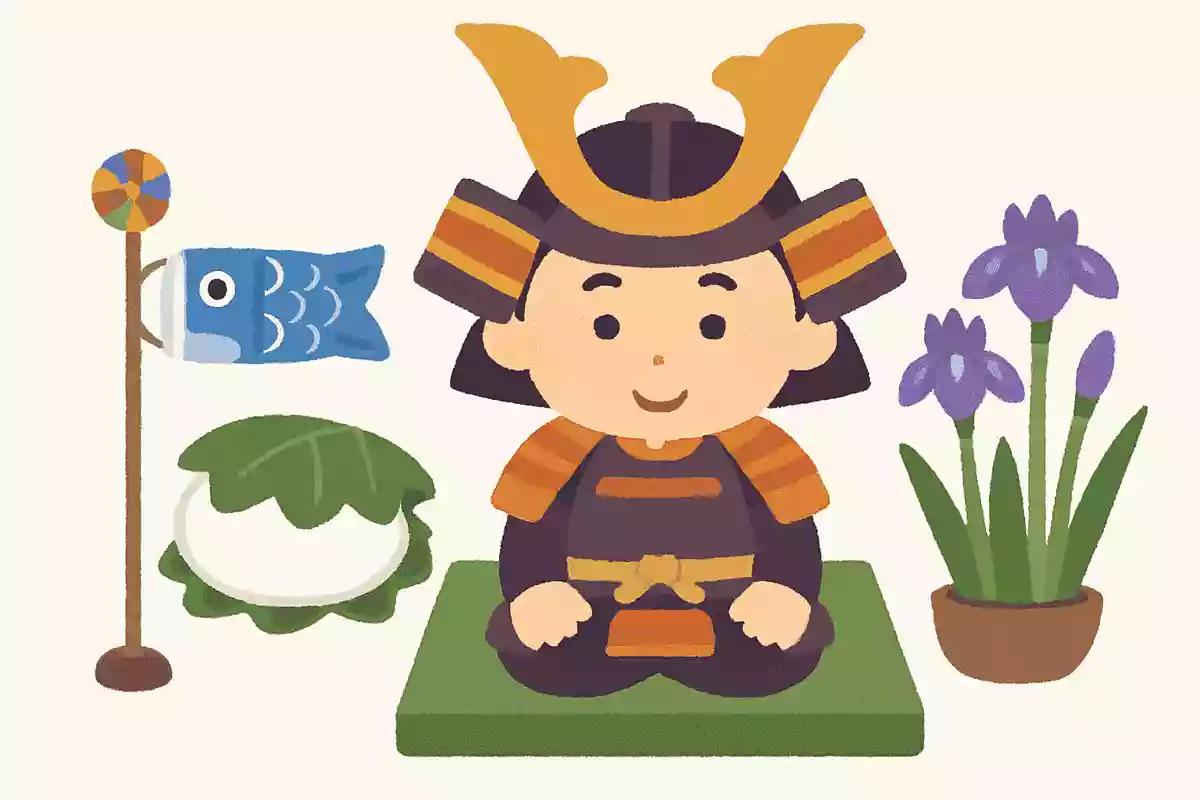
Gogatsu-ningyo (May dolls) are a classic decoration for Children’s Day, the Boys’ Festival on May 5, embodying the hope that boys will grow up strong.
What, then, are the three front ornaments displayed with these dolls, and what sentiments do they carry? They consist of three items—gun-sen (military fan), jingasa (war hat), and jindaiko (war drum).
Each was used to command troops or boost morale, all serving in warfare.
Because these tools were indispensable in battle, they convey the wish for children to grow strong and fearless, able to overcome any fight.

Number of carp streamers in the Edo period
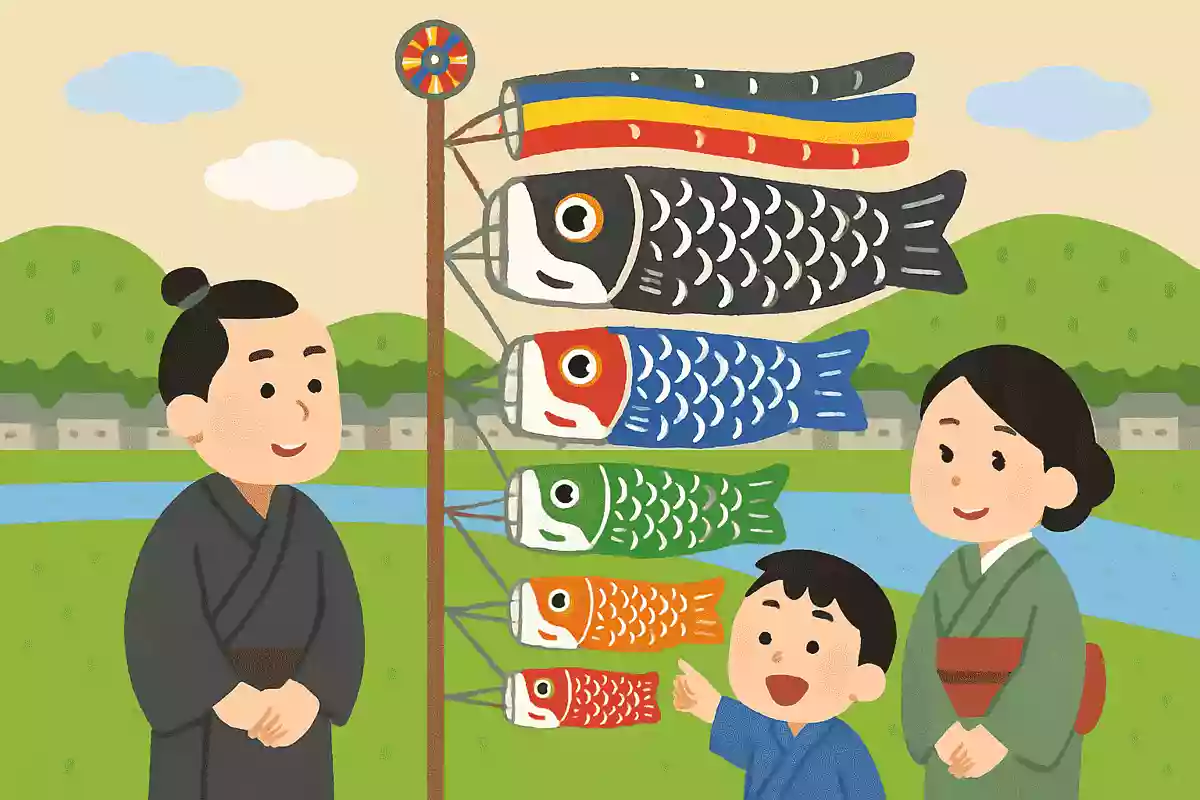
Koinobori, the decorations that symbolize Children’s Day, are often imagined as colorful carp swimming across the blue sky.
However, it’s said that in the Edo period they were a different shape from what we see today.
What were they like? Today, koinobori typically feature three to four carp, but in the early Meiji era there were two, and in the Edo period just one—the number is said to have gradually increased over time.
The single koinobori of the Edo period was a style called “one black carp display” (magoi ippiki kazari), and it was said to represent the child themselves.
Although the wishes for children have not changed, the simplicity of the display seems to make those wishes feel all the more powerful.
Why the father carp in a koinobori is black
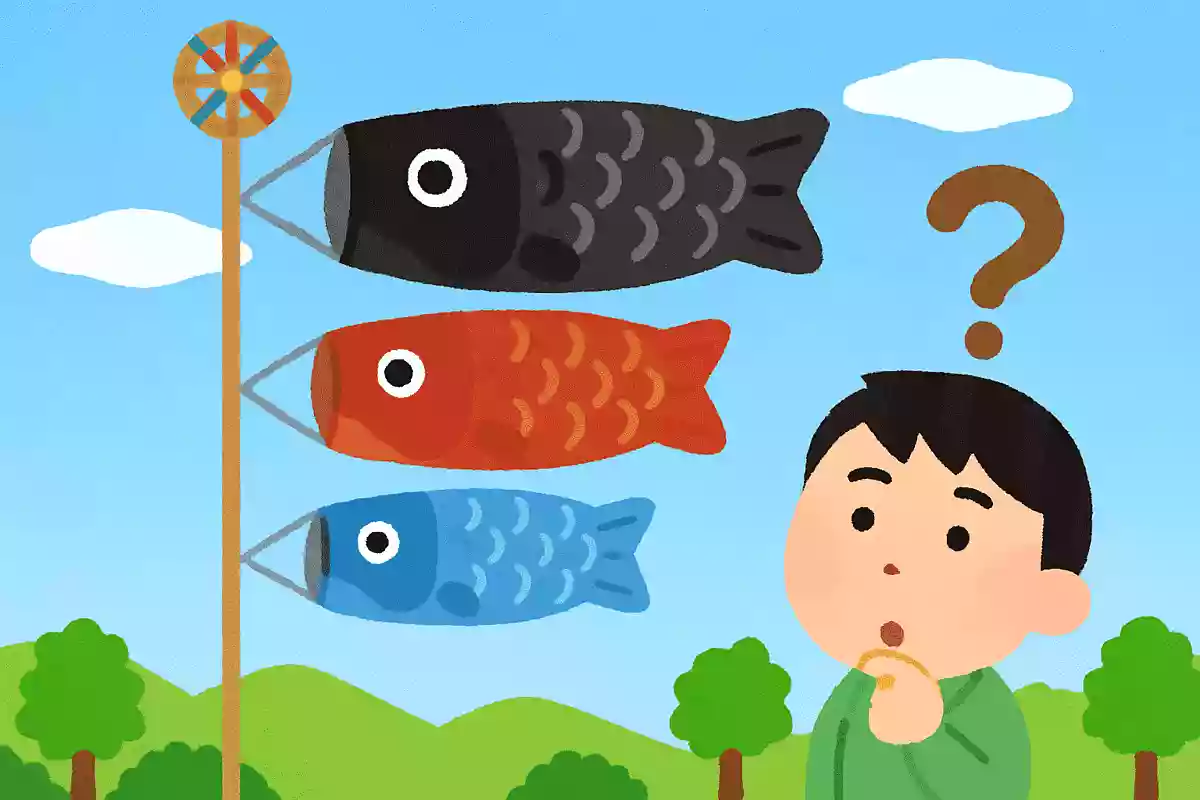
Many families raise carp streamers for Children’s Day (Tango no Sekku).
Try picturing it: the black carp is the largest, right? That’s because the black one represents the father.
There’s also a theory that it’s black because the father is the household’s main pillar (daikokubashira).
We tend to look at carp streamers without thinking, but they’re full of meaning.
By the way, the streamers only became colorful—with blue, green, pink, and so on—after the war; originally, there were just two colors: black and scarlet (hi-iro).

Will you like May even more if you know this? Trivia about May that elementary school students should know (11–20)
Origin of the lunar calendar’s “Satsuki” (the fifth month) in May
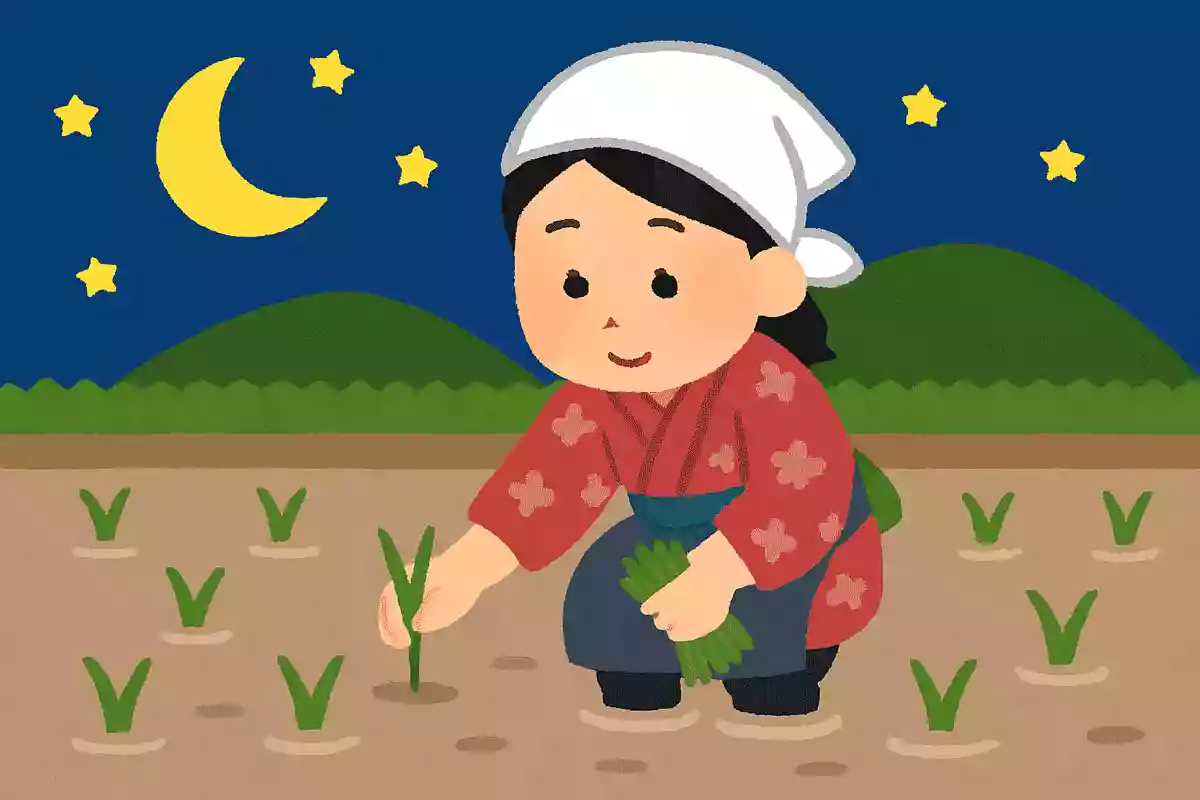
In traditional Japanese month names, May is written as “Satsuki.” This term reflects the Japanese people’s connection with rice paddies.
One theory says that “satsu” refers to rice offered to the god of the fields or even the deity itself; another holds that it is an abbreviation of “sanae-zuki,” the month of young rice seedlings.
“Sanae” are rice seedlings that have grown to the ideal size for transplanting, and the word indicates the season when rice planting begins.
The fact that even a month name conveys a wish for successful planting shows just how important rice has been in Japan.
What was May 4th, Greenery Day, originally celebrated as?

May 4 is Greenery Day, right? However, before 2007 it was commonly known as Shōwa Day.
The background here is a bit complicated, so let’s go through it step by step.
Originally, April 29 was designated as Greenery Day and May 4 as Shōwa Day.
In 2007, though, the Act on National Holidays was revised as part of an effort to improve the fragmented holiday schedule.
Since then, under the rule that a weekday sandwiched between national holidays becomes a holiday, Golden Week has taken on its current form.
The reason for eating chimaki on May 5
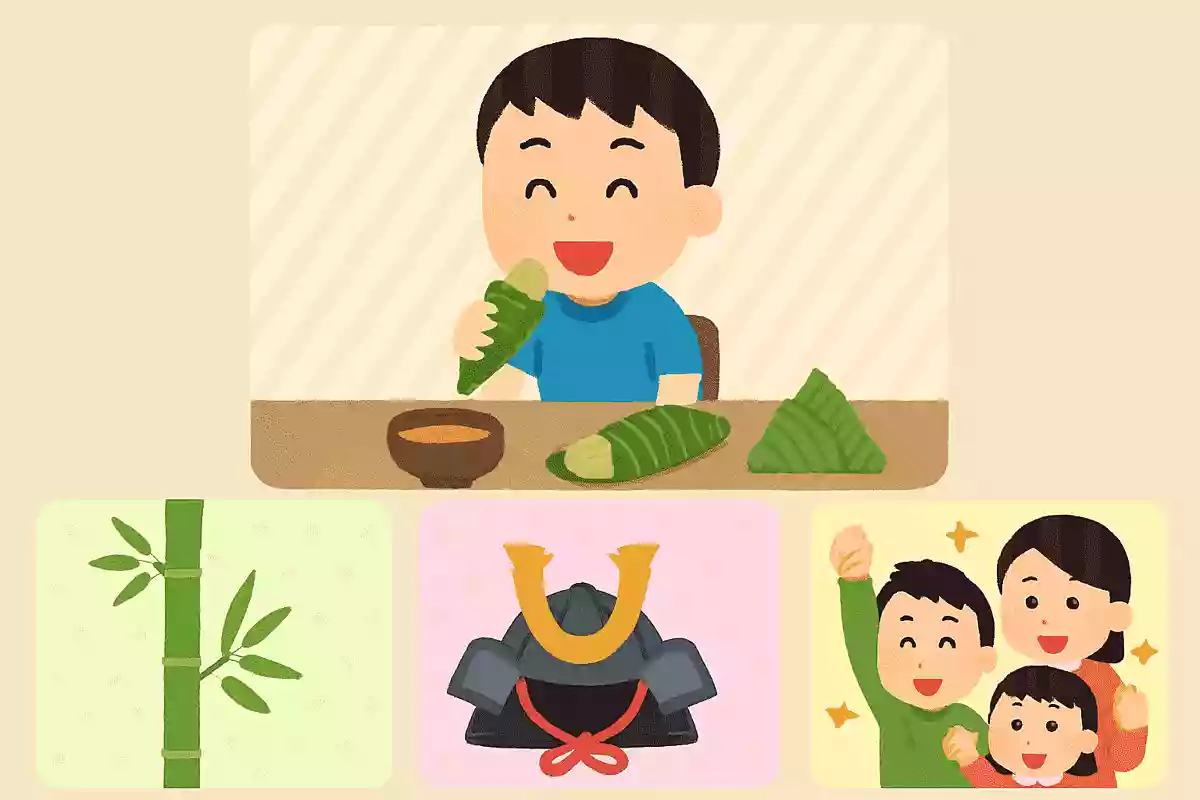
The custom of eating chimaki on Children’s Day is connected to a figure named Qu Yuan.
Qu Yuan was an ancient Chinese poet who threw himself into a river on May 5.
Grieving his death, people tried to cast offerings into the river, but they worried that evil forces might snatch them away.
To ward off those evils, they wrapped the offerings in protective leaves.
Over time, eating chimaki became established as a tradition symbolizing children’s healthy growth and serving as a talisman against misfortune.
Which industry coined the term “Golden Week”?

Do you know the origin of Golden Week? It began in 1948, when national holidays were established and a long holiday period was created.
At the time, movies were the main form of entertainment, and many people went to the cinema.
Film companies that recorded huge sales named the long holiday “Ogon Shukan (Golden Week),” which later came to be called “Golden Week.” So it originally started as a term from the film industry.
By the way, since “Golden Week” is a Japanese-made English term and a uniquely Japanese cultural concept, be aware that it may not be understood outside Japan.