

Will you like May even more once you know? Fun May trivia elementary schoolers should know


May is when we start getting used to our new classes.With hay fever settling down, it’s the season when playing outside becomes more fun.May has many events closely related to elementary school students, such as Children’s Day and Mother’s Day, but did you know there are also all kinds of trivia beyond that?Even if words come up in classes like Japanese or English, there may not be many elementary school students who know their origins.This time, we’ll introduce trivia about words you’ve likely heard related to May, as well as about seasonal events!
- [For Seniors] Introducing trivia related to May!
- Recommended in March! A collection of surprising, little-known trivia that elementary school students will want to share
- [For Kids] Fun Facts & Trivia Quiz about Koinobori (Carp Streamers)
- [Easy] Quizzes That Elementary School Students Can Solve! A Collection to Nurture Wisdom
- Learn to Love the Rain! Fun Facts & Trivia Quiz about the Rainy Season for Kids
- [For Elementary School Students] A Collection of Fun, Educational Quiz Ideas for Mother's Day
- [For Elementary School Students] Trivia About April
- [For Kids] Trivia & Fun Facts Quiz About June
- [For Kids] November Trivia Quiz & Fun Facts: Let’s Learn While Having Fun!
- [Common Sense & Trivia] True-or-False Quiz with Knowledge for Elementary School Students
- [For Kids] December Trivia Quiz & Fun Facts! Learn about seasonal events and traditions!
- Surprisingly, there’s a lot we don’t know? A quiz to learn trivia about May!
- Lesser-known facts about Mother’s Day that might surprise you—tidbits you’ll want to share with someone
Will you like May even more if you know this? Trivia about May that elementary school students should know (11–20)
When and where did Mother’s Day begin?
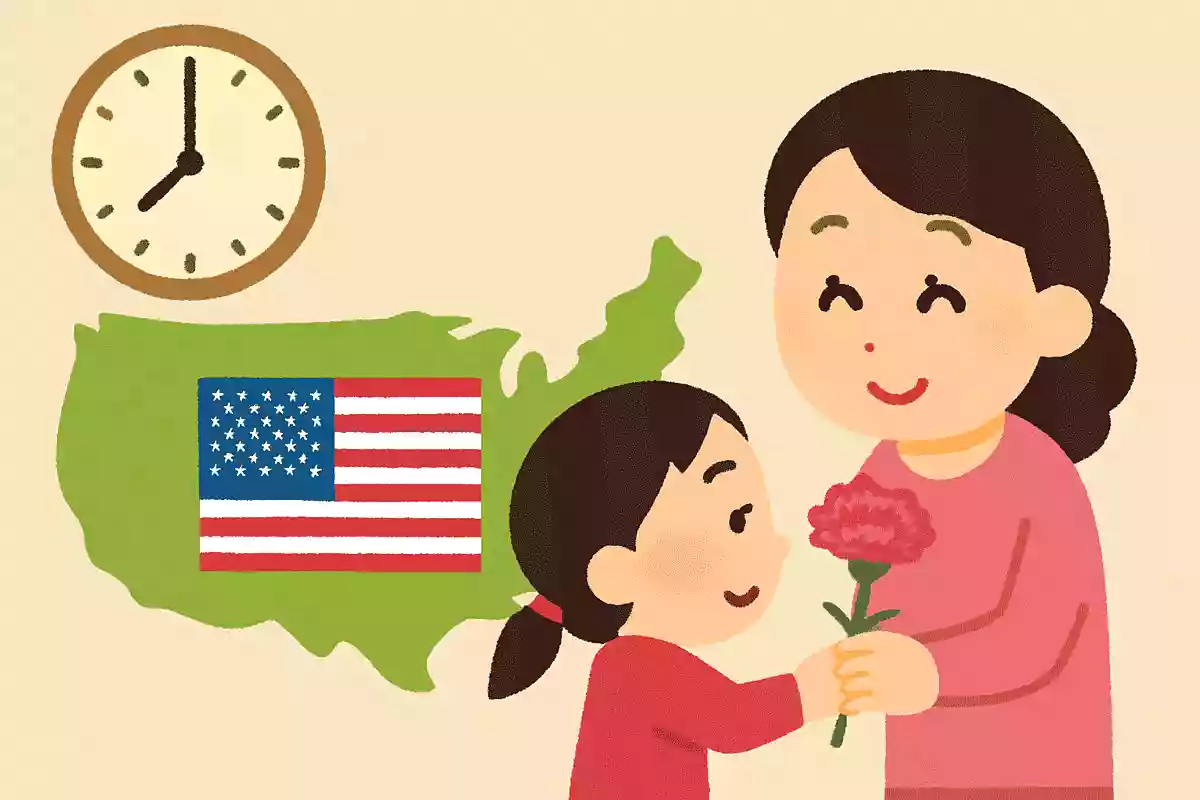
One of the hallmark events of May is Mother’s Day.
Do you know when and where this custom began? It started in 1907, when an American woman named Anna Jarvis offered carnations in memory of her mother.
From there, it became established as a day to express gratitude to mothers, and the custom of giving carnations took root.
Incidentally, it was introduced to Japan in 1931, and at first March 6 was observed as Mother’s Day.
So it turns out there’s a poignant story behind Mother’s Day.

What does taking a shobu-yu (iris bath) mean?
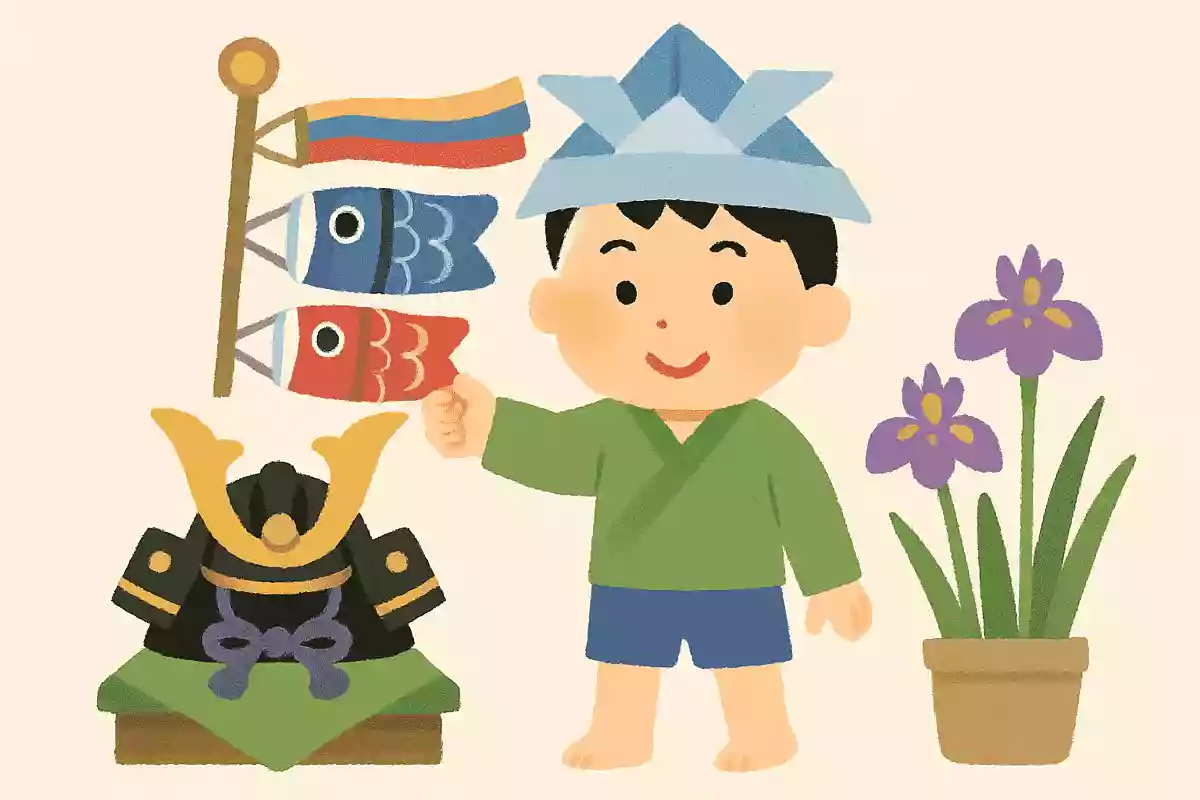
What kind of meaning does shobu (sweet flag/iris) seen during the Boys’ Festival (Tango no Sekku) have? People take baths with it and soak it in drinks, right? Its history is old; it’s said to have begun in ancient China, where shobu was used to ward off evil.
Over time, bathing with it—known as shobu-yu—became established.
By the way, shobu-yu is also expected to help with lower back pain and promote blood circulation, so it’s recommended not only for children but also for adults.
Reasons why many sports festivals are held in May
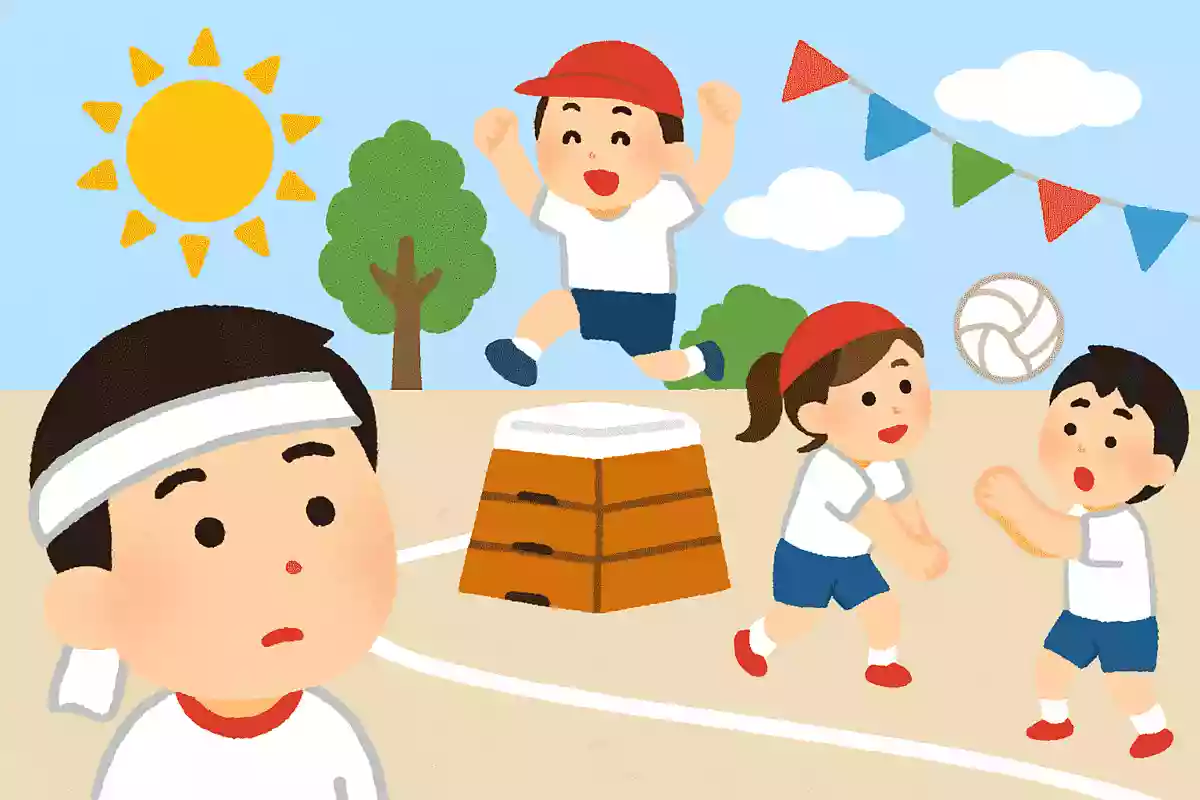
More and more schools are holding their sports days in May.
It used to be strongly associated with September or October.
However, May has been chosen because September is hot and October tends to have many typhoons.
In addition, the weather is relatively stable, and another reason is that April—the month when students practice—is cool.
It’s been carefully considered from various angles.
If you remember that “May has stable weather and is comfortable,” it could be helpful when planning trips or events.
What is Hachijūhachiya, which arrives at the beginning of May?
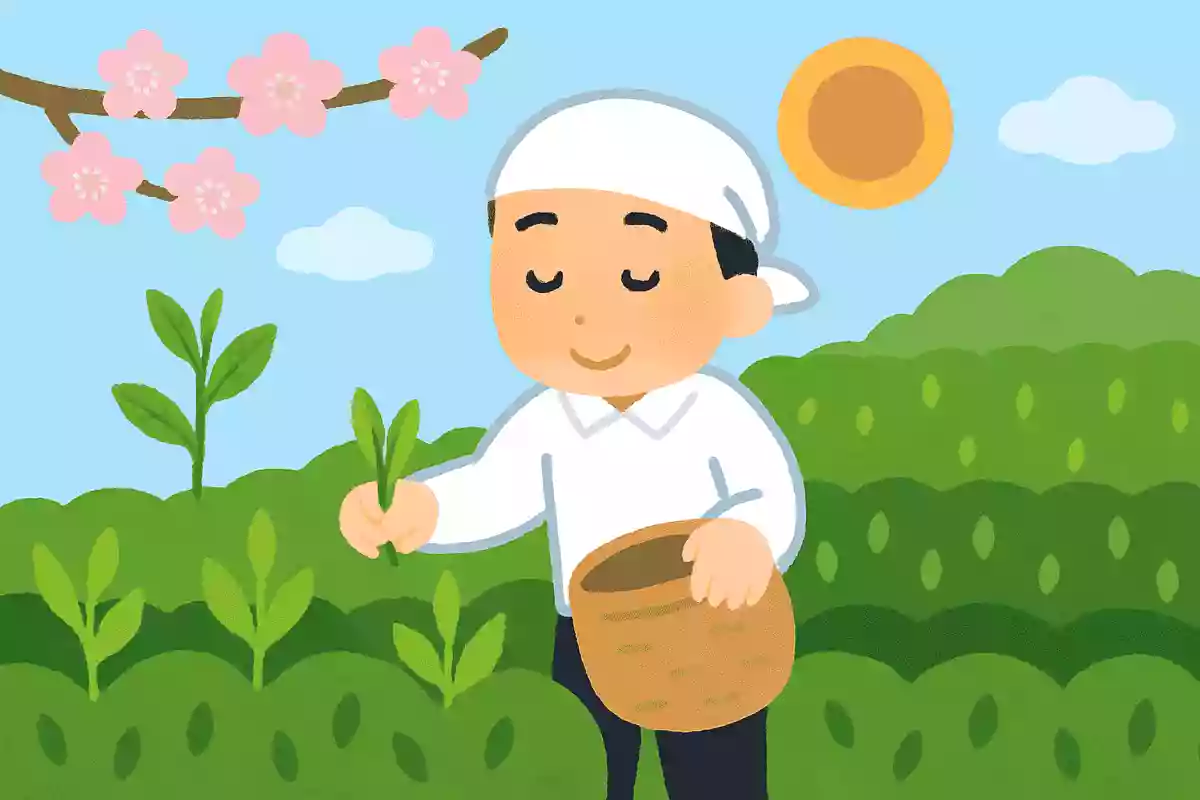
Around the beginning of May, there’s a day called Hachijūhachi-ya on either the 1st or 2nd.
This is the day that falls exactly 88 days after Risshun (the beginning of spring), and in fact it’s a seasonal marker unique to Japan.
In modern times, because it coincides with the period when late frosts can occur, the phrase “the farewell frost of Hachijūhachi-ya” has come into use.
Furthermore, since some regions can still suffer significant damage from late frosts up until around mid-May, there is also the expression “the weeping frost of the ninety-ninth night.” Incidentally, three days after Hachijūhachi-ya comes Rikka, the beginning of summer.
The origin of the English name for May, “MAY”
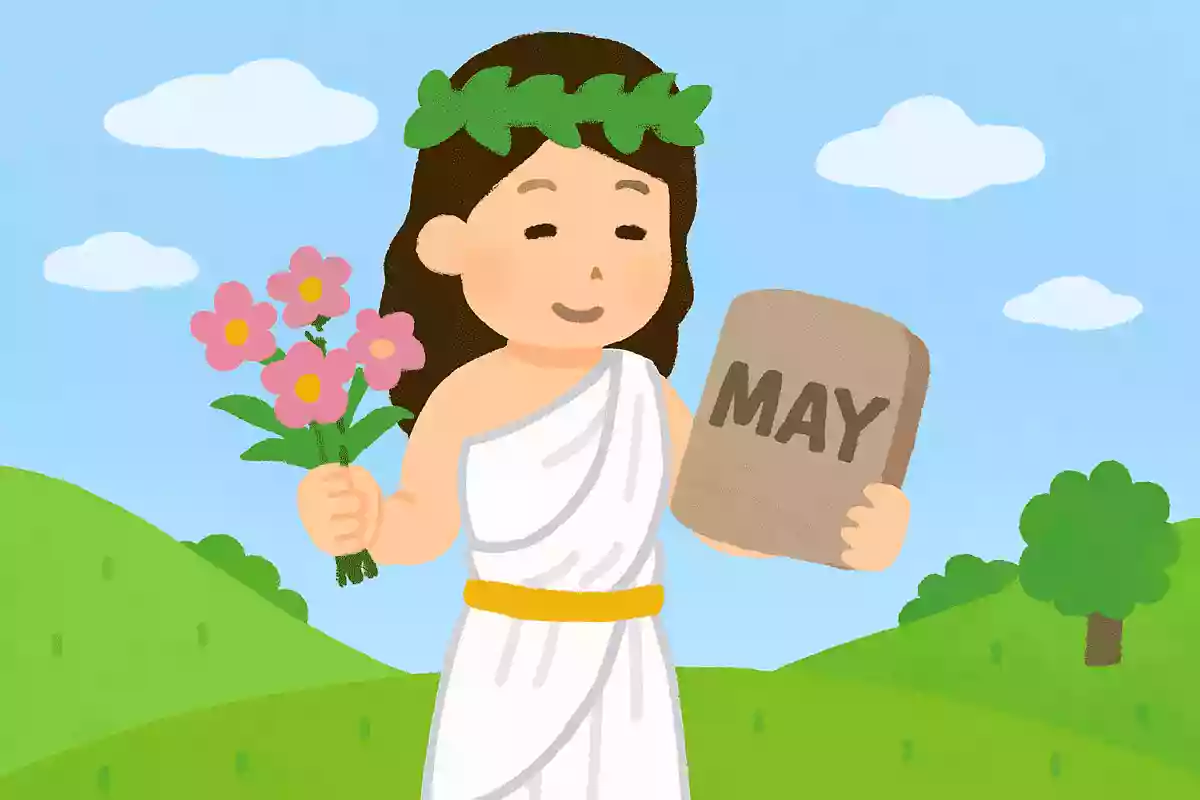
The English name for May originates from “Maia.” It’s pronounced “Maia.” In Greek and Roman mythology, Maia is a goddess of fertility, and it was customary to offer thanks and make offerings to her on May 1.
From this tradition, the month itself came to be called “May.” Additionally, May 1, known as “May Day,” is famous worldwide as a day of festivities for workers.
If you’re interested, it might be worth looking into anecdotes about Maia.
The person who served as the model for “Kintarō,” which is displayed during the Boys’ Festival (Tango no Sekku)
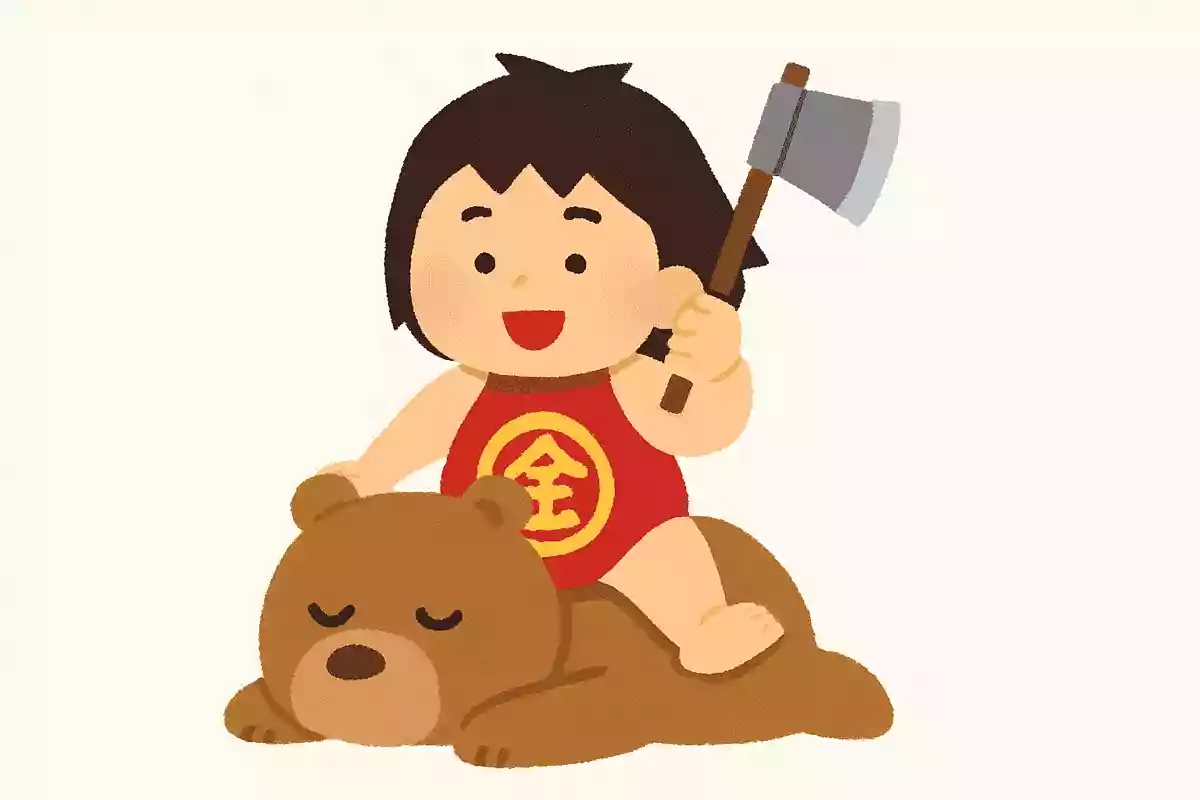
We display Kintarō dolls for the Boys’ Festival on May 5, don’t we? Kintarō is a character from old Japanese folktales, known as a strong boy who could even defeat a bear in sumo wrestling.
Although Kintarō’s superhuman strength sounds unrealistic, he actually has a real-life model.
That model is Sakata Kintoki, a warrior active in the Heian period.
He is said to have served Minamoto no Yorimitsu and to have defeated the demon Shuten Dōji, among other exploits.
There is a shrine in Shizuoka Prefecture that enshrines him, so if you’re nearby, why not pay it a visit?
Will knowing this make you love May even more? Fun May facts for elementary schoolers (21–30)
Indonesia is the last country in the world to celebrate Mother’s Day.
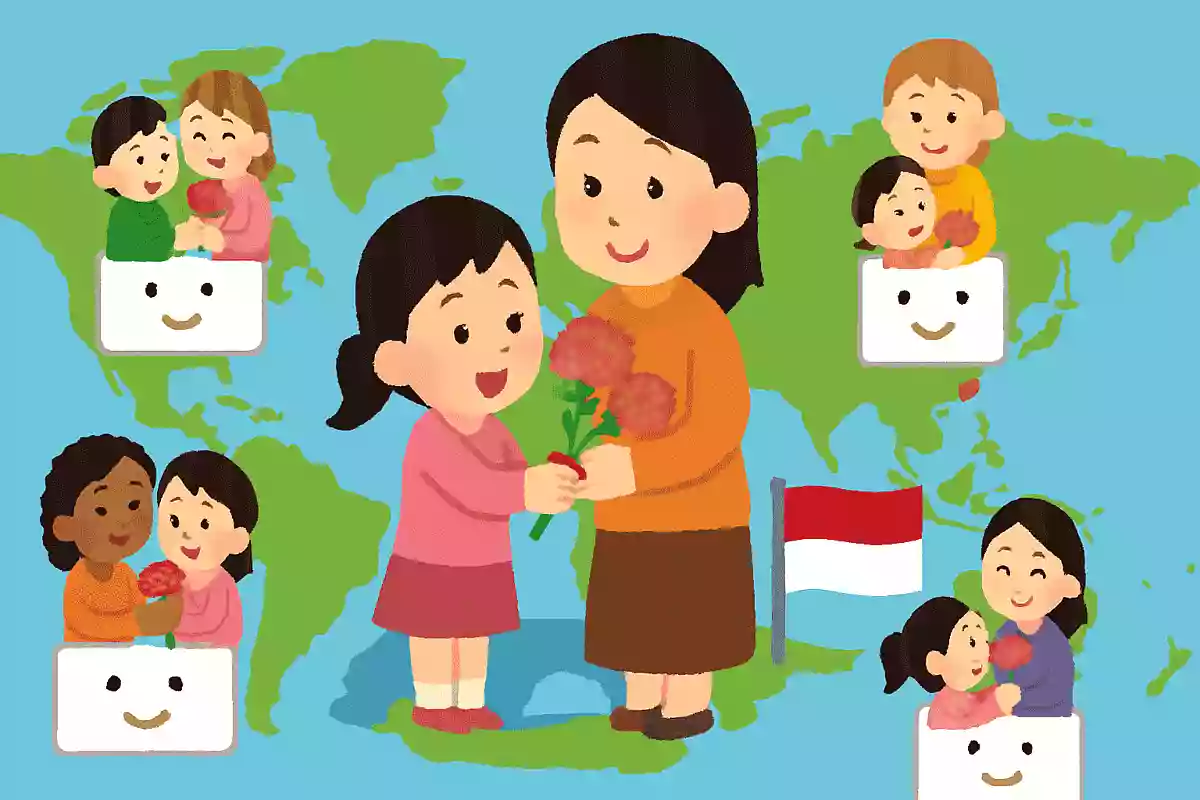
The timing of Mother’s Day varies by country—some observe it earlier than Japan, while others celebrate it later.
How about learning how it’s celebrated in Indonesia, said to have the latest Mother’s Day in the world? The date of interest is December 22, just before Christmas, and it’s said to have originated from the convening of the Indonesian Women’s Congress in 1928.
Rather than giving gifts, it’s common to express gratitude in words, and precisely because there’s no emphasis on material things, the feelings may be conveyed more directly.
