

Will you like May even more once you know? Fun May trivia elementary schoolers should know


May is when we start getting used to our new classes.With hay fever settling down, it’s the season when playing outside becomes more fun.May has many events closely related to elementary school students, such as Children’s Day and Mother’s Day, but did you know there are also all kinds of trivia beyond that?Even if words come up in classes like Japanese or English, there may not be many elementary school students who know their origins.This time, we’ll introduce trivia about words you’ve likely heard related to May, as well as about seasonal events!
- [For Seniors] Introducing trivia related to May!
- Recommended in March! A collection of surprising, little-known trivia that elementary school students will want to share
- [For Kids] Fun Facts & Trivia Quiz about Koinobori (Carp Streamers)
- [Easy] Quizzes That Elementary School Students Can Solve! A Collection to Nurture Wisdom
- Learn to Love the Rain! Fun Facts & Trivia Quiz about the Rainy Season for Kids
- [For Elementary School Students] A Collection of Fun, Educational Quiz Ideas for Mother's Day
- [For Elementary School Students] Trivia About April
- [For Kids] Trivia & Fun Facts Quiz About June
- [For Kids] November Trivia Quiz & Fun Facts: Let’s Learn While Having Fun!
- [Common Sense & Trivia] True-or-False Quiz with Knowledge for Elementary School Students
- [For Kids] December Trivia Quiz & Fun Facts! Learn about seasonal events and traditions!
- Surprisingly, there’s a lot we don’t know? A quiz to learn trivia about May!
- Lesser-known facts about Mother’s Day that might surprise you—tidbits you’ll want to share with someone
Will knowing this make you love May even more? Fun May facts for elementary schoolers (21–30)
May 5th, Children’s Day, is also a day to show appreciation to mothers.
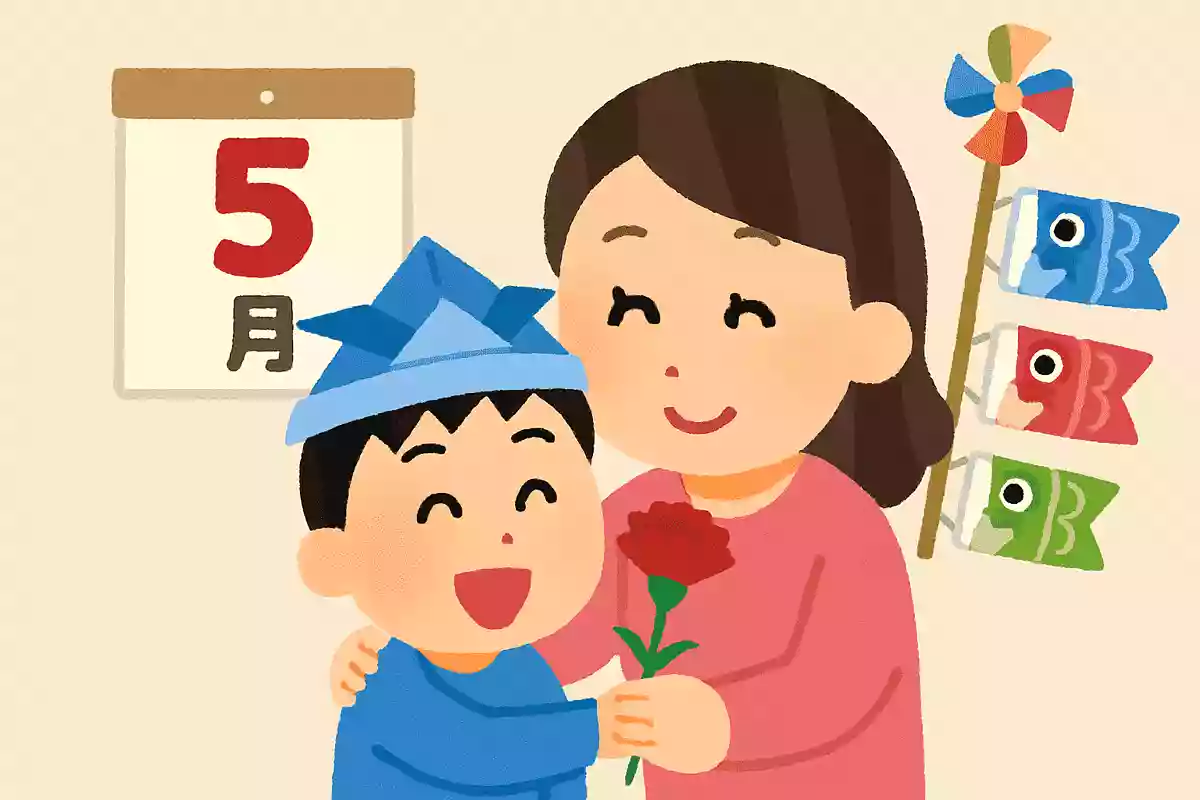
We tend to think that Mother’s Day is the only day to express gratitude to mothers, but in fact, Children’s Day is also a day for appreciating mothers.
According to the Act on National Holidays, Children’s Day is defined as a day to “respect the individuality of children, promote their happiness, and express gratitude to mothers.” From this, we can see that Children’s Day is not only about wishing for children’s healthy growth, but also about thanking the mothers who gave birth to them.
It can also be a chance to reflect on who we owe our healthy lives to as children and to think about love.

In Italy, a portion of the proceeds from Mother’s Day is used to support cancer research.
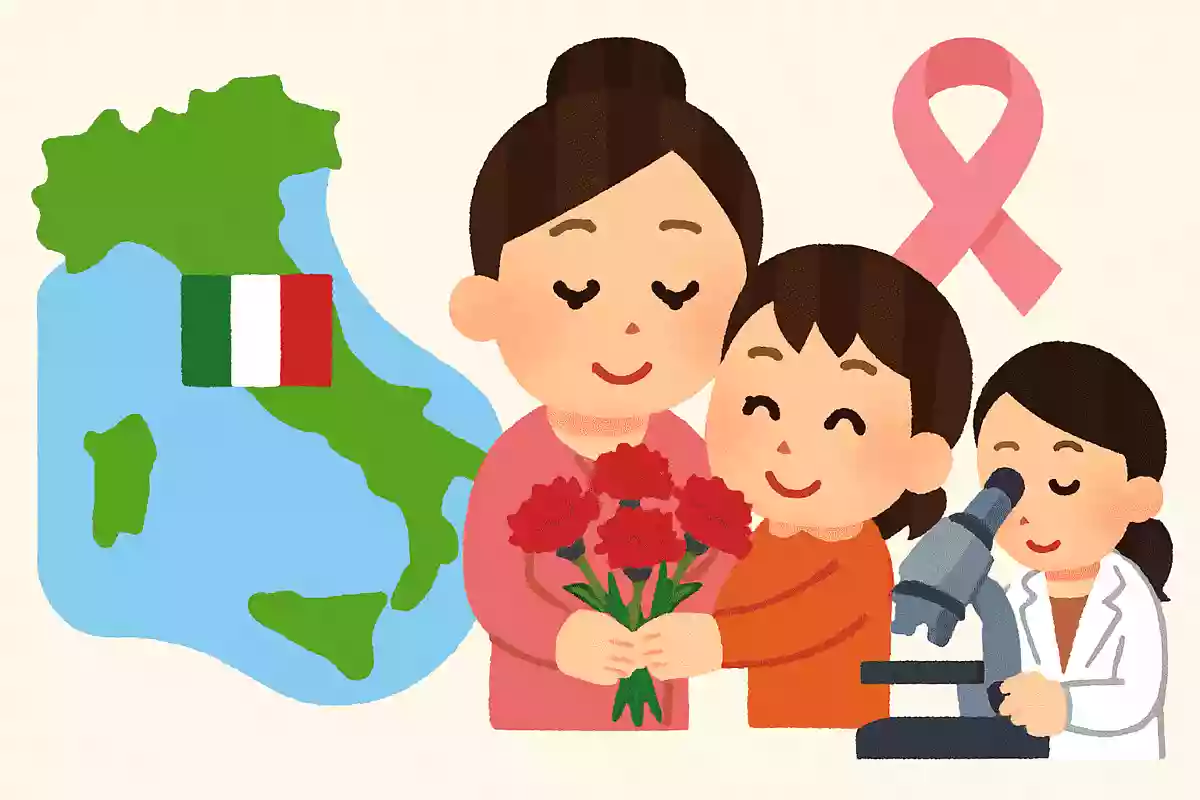
How Mother’s Day is celebrated varies from country to country, and sometimes the way it’s done really conveys the depth of feeling, doesn’t it? Among these different approaches, Italy’s Mother’s Day stands out: it conveys love not only for mothers but for many people.
In Italy, instead of carnations, potted azaleas are sold, and at the events where these azaleas are offered, a portion of the proceeds goes to cancer research.
It’s a form of celebration that seems to express not only the desire to help those who are ill, but also the wish that mothers will not fall sick in the first place.
Will you like May even more once you know this? Fun May trivia (31–40) that elementary school students should learn
Norway celebrates Mother’s Day earlier than any other country in the world.
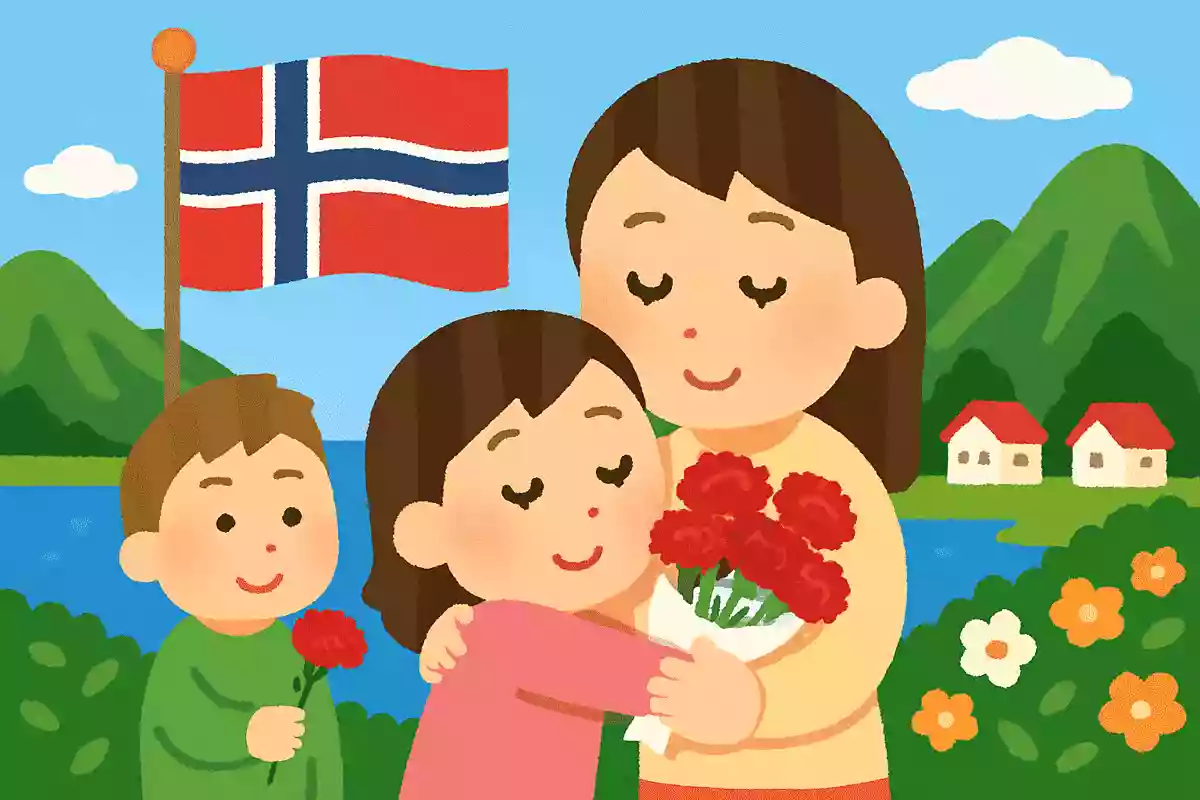
In Japan, Mother’s Day falls on the second Sunday of May, but in some countries it’s celebrated at different times.
Among those with different dates, why not take a look at Norway, where Mother’s Day arrives earlier than anywhere else in the world? Norwegian Mother’s Day is on the second Sunday of February, and unlike Japan—where carnations are customary—there isn’t a tradition of giving a specific flower.
The idea is to express gratitude with gifts each person chooses themselves, which really conveys the sincerity and strength of their feelings.
The country where Mother’s Day originated is the United States.

Mother’s Day, which has taken root in Japan and spread around the world, feels like a global event, even if the timing and customs differ by country.
It’s said that this widely cherished day originated in the United States and then spread abroad.
In 1907, Anna Jarvis held a memorial service for her late mother and handed out white carnations—her mother’s favorite during her lifetime—to attendees; this event is considered the beginning of Mother’s Day.
Following this, President Woodrow Wilson designated the second Sunday of May as Mother’s Day and made it a national holiday, from which it gradually spread worldwide.
May birthstone

The birthstone for May is the emerald.
You probably already know it as a beautiful green gemstone.
Let’s take a closer look at emeralds.
Their gemstone meanings are “happiness” and “good fortune,” and they are believed to have the power to inspire a sense of well-being.
They are also said to calm and steady the mind while enhancing concentration.
For this reason, Cleopatra is said to have favored wearing emeralds.
Indeed, just looking at one seems soothing to the soul.

What is “Rikka” (the beginning of summer)?

Risshun, the beginning of spring, and Risshū, the beginning of autumn, are commonly heard terms that mark the boundary between warmth and cold.
The same idea applies to the start of other seasons as well, and although you may hear it less often, Rikka—the beginning of summer—is certainly a recognized term.
It falls roughly halfway between the spring equinox and the summer solstice, around May 5.
Since it is one of the twenty-four seasonal terms known as the sekki, learning about Rikka could be a good gateway to exploring the other terms as well.
Why are fava beans written as “空豆” (sky bean) or “蚕豆” (silkworm bean)?
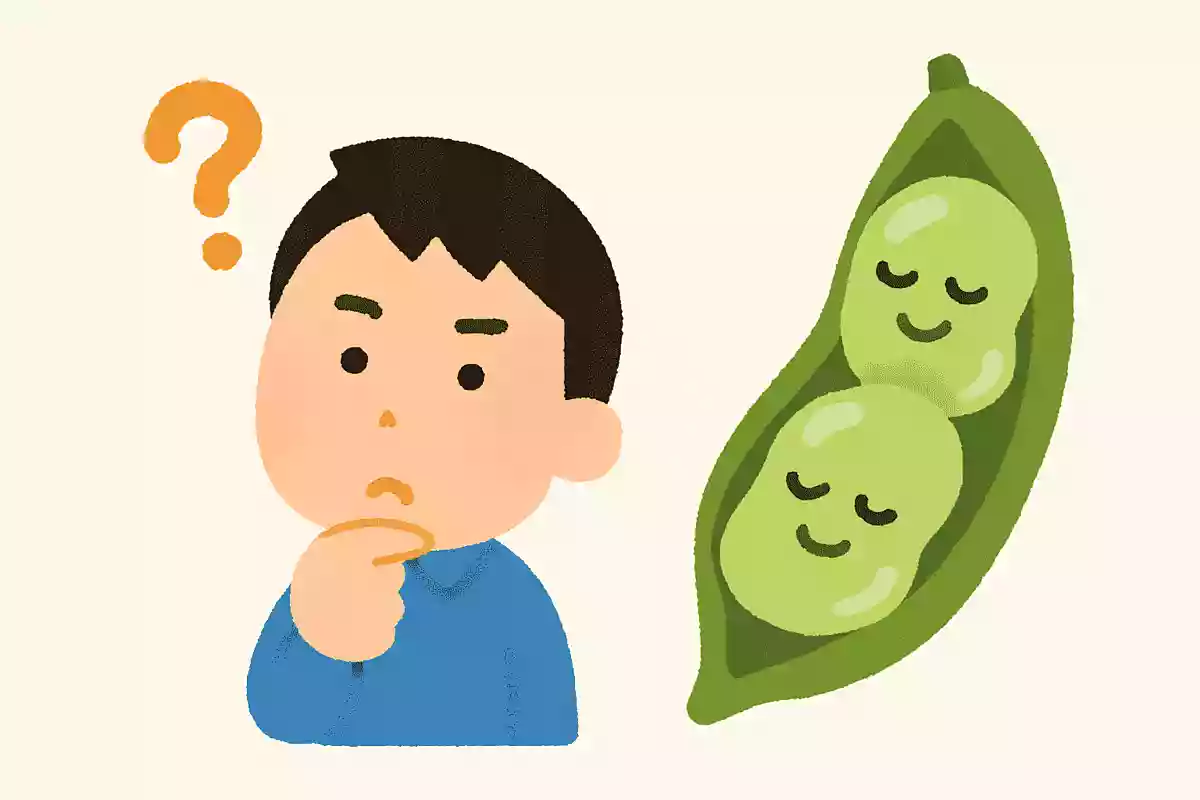
Broad beans (sora-mame) are in season in early summer, and their vivid appearance and large kernels are part of their appeal.
When written only in kanji, sora-mame appears as “空豆” or “蚕豆.”
これらの漢字にはどのような意味が込められているのでしょうか。空豆(“sky bean”)は植物の生育のしかたに由来します。莢が空に向かって伸びるように上向きにつくのが特徴で、そのため「空」という字が当てられました。蚕豆(“silkworm bean”)は莢の見た目と食される季節に由来するといわれています。莢が蚕の繭に似ており、ちょうど蚕を飼う時期と旬が重なるため、「蚕」という字が使われつつ、読みは「そらまめ」のままです。同じ読みで紛らわしく感じられるかもしれませんが、それぞれの由来を知ることで、そら豆への理解がより深まります。