

[For Elementary School Students] Trivia About April

When April comes around, the new school year begins, flowers like cherry blossoms and dandelions bloom, and seasonal ingredients become more plentiful—you can really feel spring in full swing, can’t you?
In this article, we’ll introduce lots of fun trivia related to April!
We’ve especially gathered topics that will be familiar to elementary school students, so please enjoy reading along.
If you come across trivia you didn’t know before, be sure to remember it and show it off to your friends and family!
Now then, let’s dive right in and see what kinds of trivia there are!
- [Trivia] Challenge! Spring General Knowledge Quiz
- Recommended in March! A collection of surprising, little-known trivia that elementary school students will want to share
- [Sakura Quiz] Trivia & Fun Facts Quiz about Cherry Blossoms for Kids
- [For Seniors] Never Run Out of Conversation Starters! A Collection of Fun Facts About April and Spring
- Will you like May even more once you know? Fun May trivia elementary schoolers should know
- [3-Choice Quiz] Cherry Blossom Trivia You'll Want to Share with Someone
- Fun October Trivia Quiz & Facts! Exciting Questions for Kids
- September Trivia Quiz & Fun Facts! A Fun Autumn Quiz for Kids
- [For Elementary School Students] Collection of Science-Related Games and Quizzes
- Shall we delve into the season of new beginnings? April Trivia Quiz!
- So interesting you’ll want to tell someone! December Trivia & Fun Facts Special
- Become a trivia master with a multiple-choice quiz for elementary schoolers! A fun problem collection that captivates both kids and adults
- [April] Spring Origami for Kids: A Collection of Simple and Cute Ideas
[For Elementary School Students] Trivia About April (21–30)
The full moon seen in April is called the ‘Pink Moon.’

The full moon is the moon that appears round as it reflects the sun’s light.
The full moon seen in April is said to be called the “Pink Moon.” In English-speaking countries, full moons have various names, and the one seen in April is called the “Pink Moon.” Why is it called the “Pink Moon”? It is said to originate from the beautiful, vivid pink flowers that bloom around April.
When it comes to beautiful pink flowers, many Japanese people probably think of cherry blossoms.
Try sharing this fun fact on the day of the full moon in April!
April Fools’ Day is also known as ‘April Fool’ in Japanese (literally ‘April fool’).

Speaking of April, April 1 is April Fools’ Day, when humor flies around.
Did you know that April Fools’ Day is also known as “Shigatsu Baka” (literally, “April Fool”) in Japanese? In fact, when this custom took root in Japan around the Taisho era, it spread under the name “Shigatsu Baka.” It’s thought that reports on TV news about how it’s observed in Europe and the U.S.
helped popularize the term “April Fools’ Day.” In recent years, a common rule has been to tell harmless jokes in the morning—within a laughable, forgivable range—and reveal the truth in the afternoon.
The randoseru is based on a type of bag that came from the Netherlands.

What kind of bag do you take to school? Many children probably head to school wearing a randoseru backpack.
Did you know that this familiar randoseru actually originated from a bag that came from the Netherlands? In fact, the word “randoseru” is said to come from the Dutch word “ransel,” which refers to a square cloth bag.
Before the randoseru became widespread, children used to wrap their textbooks in furoshiki cloths to carry them.
Japan also used to hold entrance ceremonies in September.
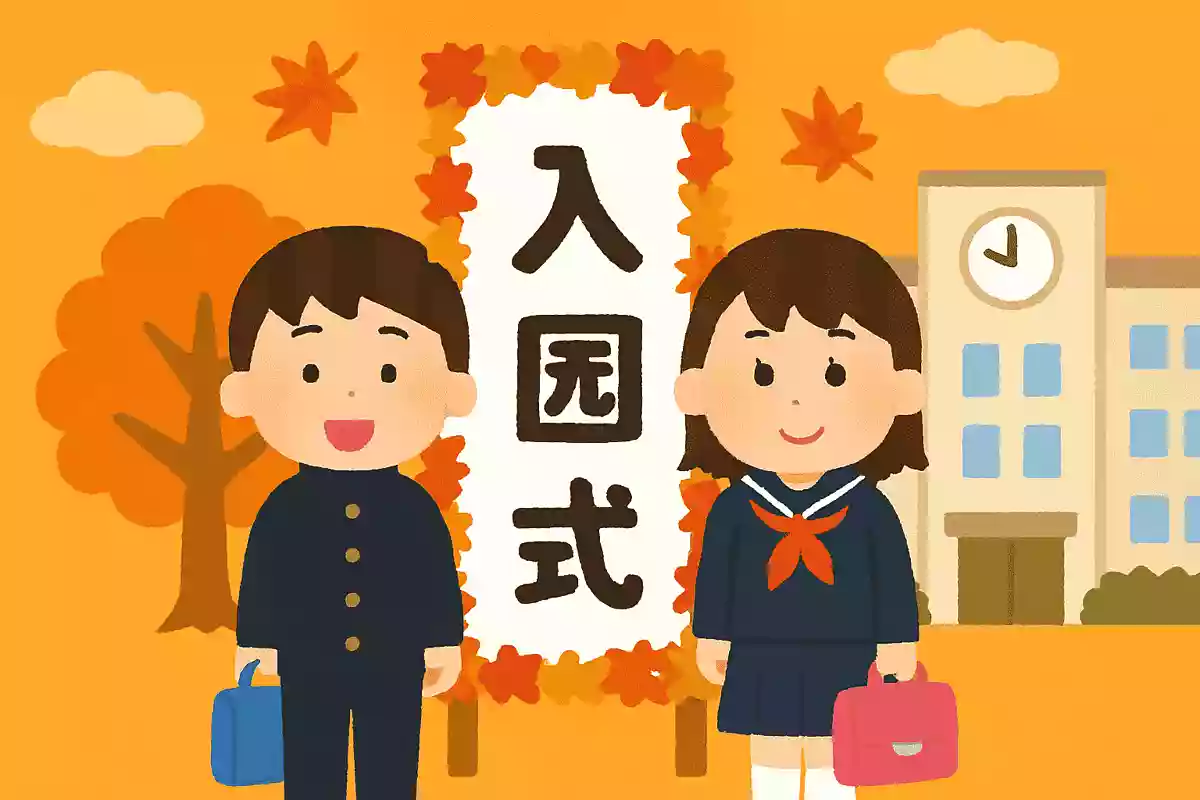
In Japan, entrance ceremonies are typically held in April, but in many countries overseas, they are generally held in September.
However, there was actually a time in Japan when holding entrance ceremonies in September was the norm.
In the early Meiji period, Japan adopted Western education systems and began September admissions.
Later, in Meiji 19 (1886), Japan introduced the fiscal year used in the United Kingdom, which was then a leading advanced nation.
Along with this change, Japan adopted the current cycle running from April 1 to March 31 of the following year.
By the way, one explanation for why entrance ceremonies are held in September in other countries is closely related to agriculture.
In the past, children often helped with farm work, and school would start in September, a time when things had settled down.

Early-year births are counted up to April 1.
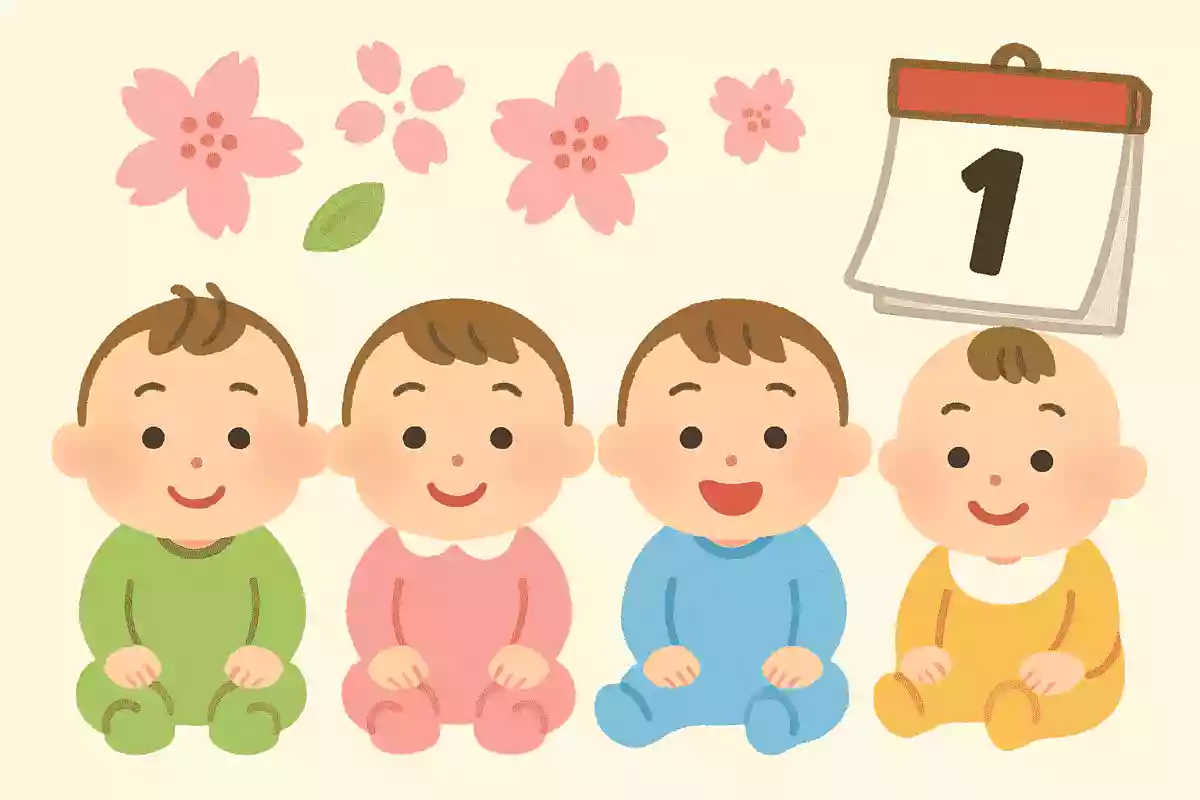
The term “early birth” refers to people born between January 1 and April 1.
In the New Year of the year you were born, adding one to your age is called kazoedoshi (traditional age counting).
Children born between January 1 and April 1 start school one year younger than their classmates in the same grade.
By the way, children born on April 1 and those born on April 2 are in different school years.
Why are they in different grades even though both birthdays are in April? In Japan, the law defines how age is calculated: legally, you reach a new age at 12:00 a.m.
on the day before your birthday.
For example, if your sixth birthday is on April 1, you are considered six at midnight (12:00 a.m.) on March 31, the day before.
This legal rule also takes into account people born on February 29 in leap years.
At the Flower Festival, people pour sweet tea over a statue of the Buddha.
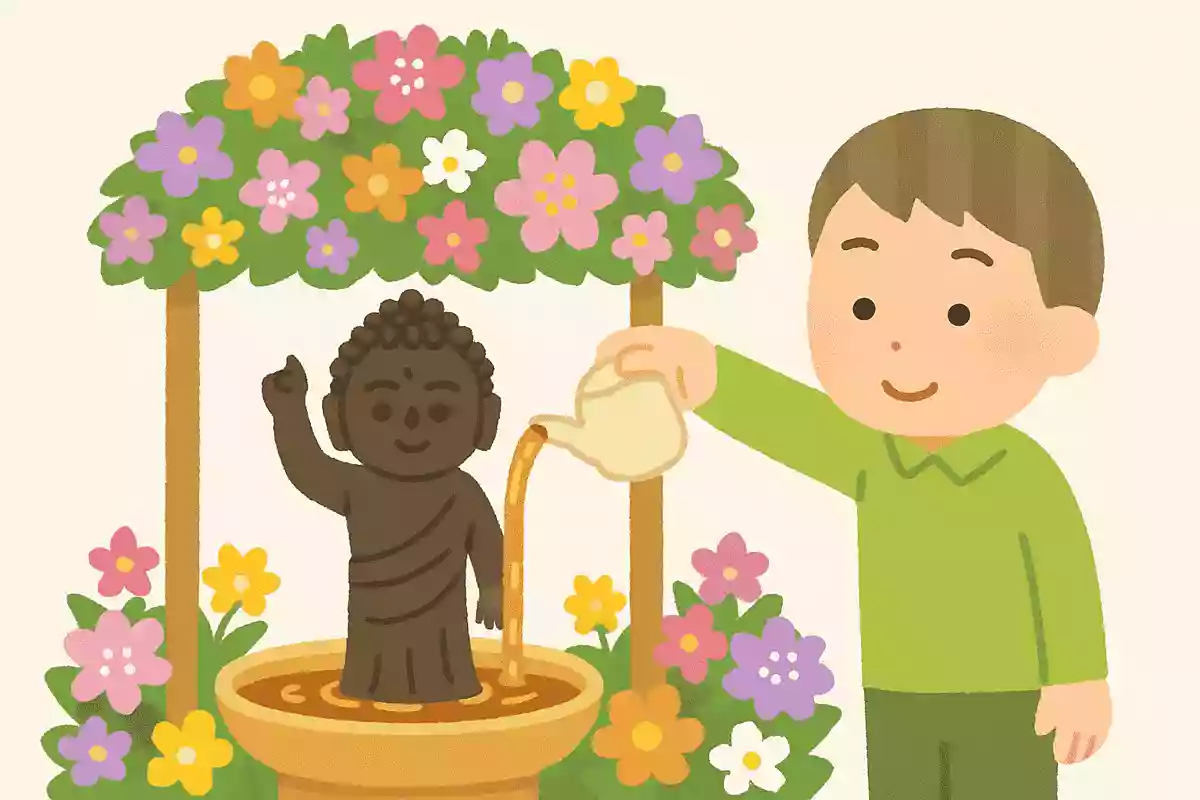
At the Hana Matsuri, a Buddhist festival celebrating the birth of the Buddha, there is a custom of pouring sweet tea over a statue of the Buddha.
The Buddha’s birthday is said to be April 8, and at temples throughout Japan, a small floral pavilion called a hanamido, surrounding the image of the newborn Buddha, is set up.
The sweet tea is made from a plant called amacha, and it is cherished as something believed to bring beneficial effects to people.
Some may be surprised and wonder, “Is it really okay to pour tea over a statue of the Buddha?” but when you look into the origins of the Hana Matsuri and of sweet tea, you’ll find the background is fascinating.
Wisteria flowers are poisonous.
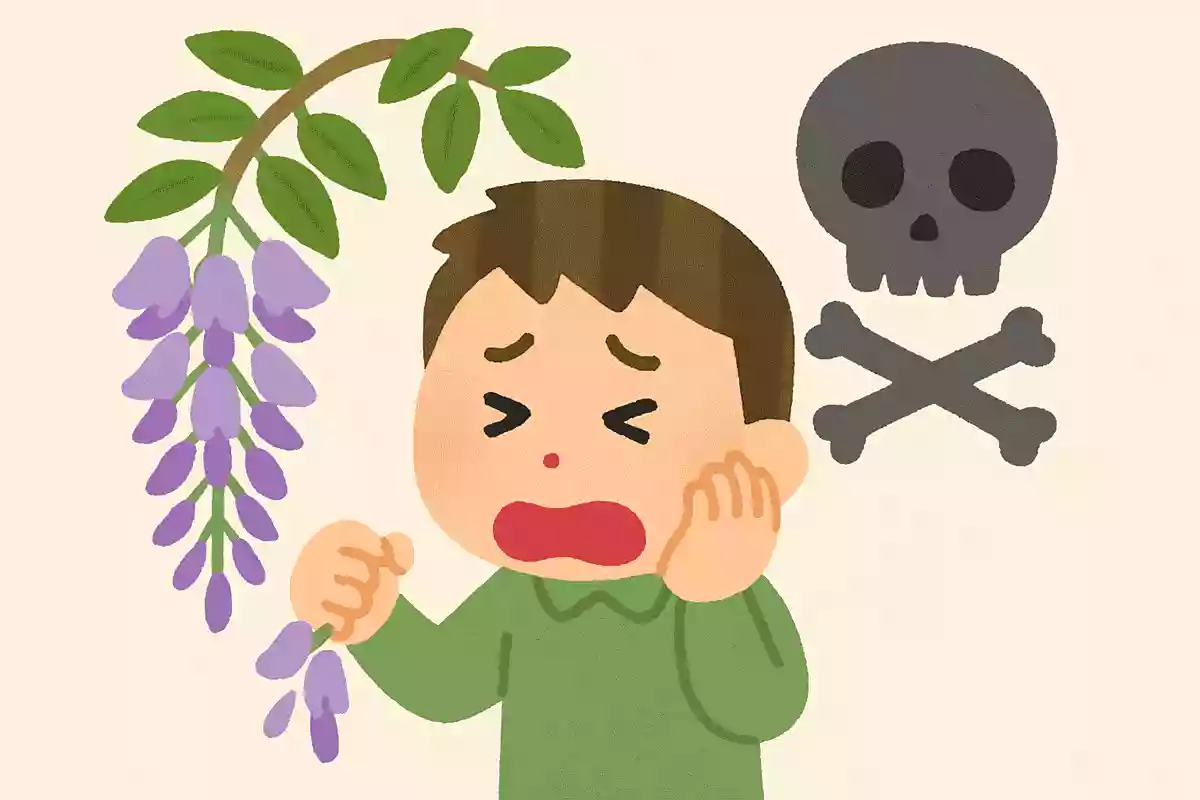
Have you ever seen wisteria flowers? Wisteria is characterized by its pale purple color and drooping clusters.
In recent years, it’s also strongly associated with the popular anime Demon Slayer.
Wisteria is believed to ward off evil.
Its flower language often conveys gentle impressions such as “kindness” and “welcome.” However, wisteria also has a frightening side: it contains a toxin called lectin.
Consuming a large amount can cause nausea and diarrhea, so please be careful.

There is a drink called dandelion coffee.
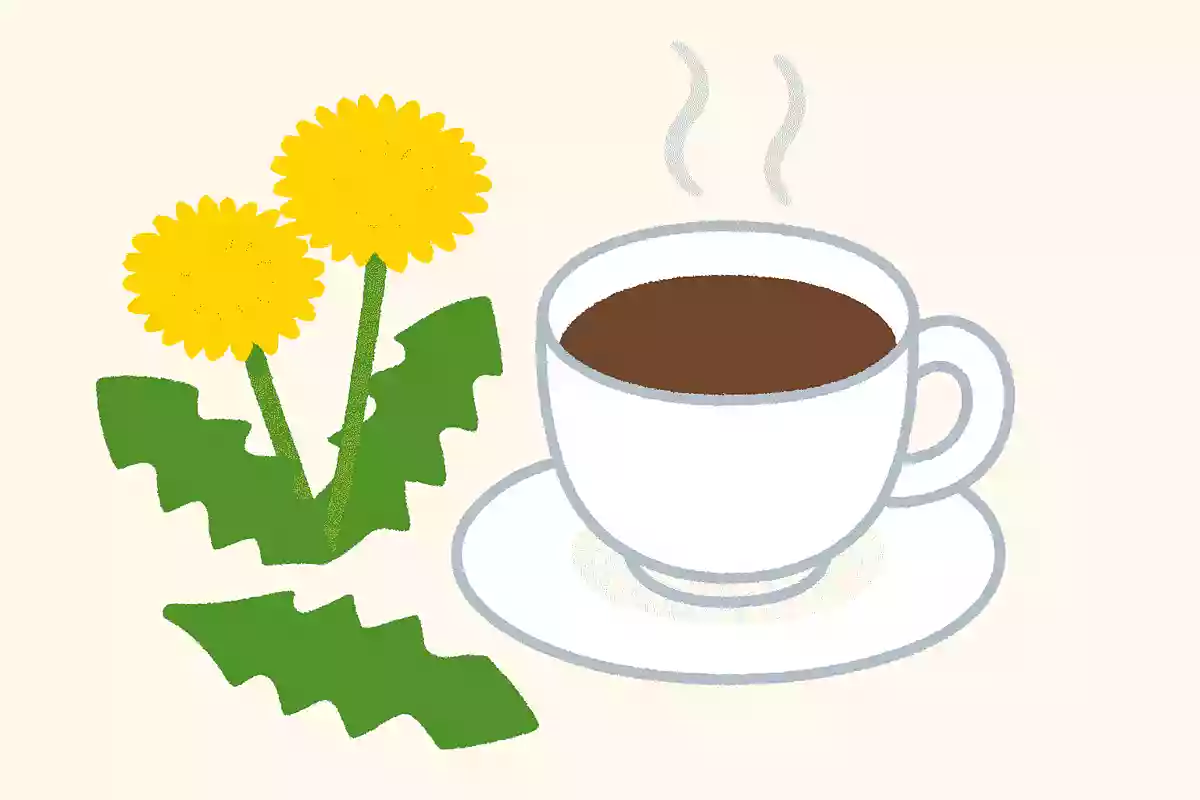
Dandelions are known for their long stems with jagged leaves, cute yellow flowers, and fluffy seed heads.
You’ve probably seen them along roadsides or in parks, right? There’s actually a drink made from this familiar plant called dandelion coffee! Dandelion coffee is made by roasting dandelion roots.
It’s called “coffee” because it has a flavor similar to coffee, but it’s also commonly enjoyed under the name dandelion tea.
It’s caffeine-free and provides dietary fiber and vitamins—give dandelion coffee a try!
The name of the April 29 holiday has changed multiple times.
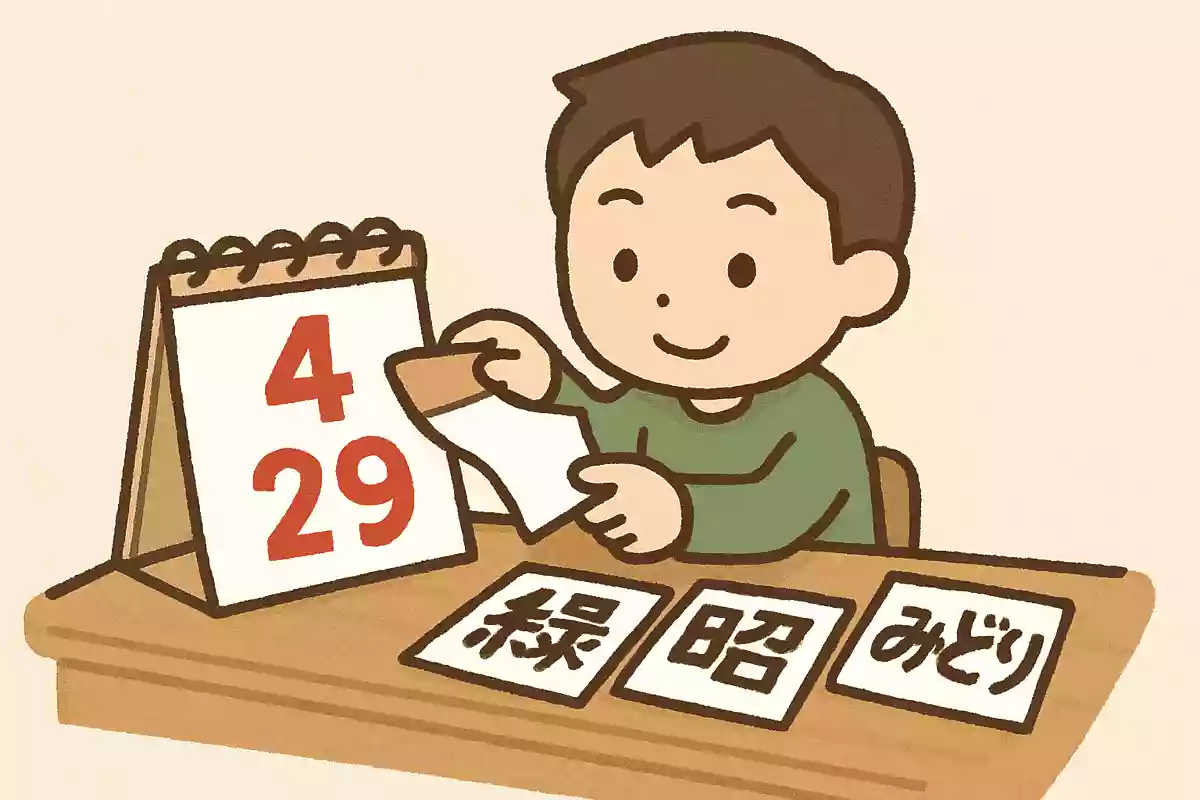
National holidays are usually shown in red on calendars, and schools and other institutions are often closed.
One such holiday is April 29.
Did you know its name has changed several times? Until 1948 it was called “Tenchōsetsu” (the Emperor’s Birthday Festival).
From 1949 to 1988 it was “Emperor’s Birthday.” It then became “Greenery Day” from 1989 to 2006, and since 2007 it has been called “Shōwa Day.” “Shōwa Day” is said to embody the hope that we will not forget the Shōwa era, which saw Japan’s recovery after the war, and that we will carry that spirit forward to a peaceful future.
The diamond, the birthstone of April, is also known as the adamant (or diamond) in Japanese.

April’s birthstone is diamond, right? By the way, do you know what language the word “diamond” comes from? Its origin is actually the Greek word “adamas,” meaning “the unconquerable” or “strongest of all.” That makes you wonder how we express it in Japanese, doesn’t it? In Japanese, the traditional name for diamond is “kongōseki,” which conveys the idea of being the hardest among metals.
It’s interesting that both names have similar meanings yet sound completely different.
Incidentally, while diamonds are resistant to scratching, they are considered relatively easy to cleave.