

[For Elementary School Students] Trivia About April

When April comes around, the new school year begins, flowers like cherry blossoms and dandelions bloom, and seasonal ingredients become more plentiful—you can really feel spring in full swing, can’t you?
In this article, we’ll introduce lots of fun trivia related to April!
We’ve especially gathered topics that will be familiar to elementary school students, so please enjoy reading along.
If you come across trivia you didn’t know before, be sure to remember it and show it off to your friends and family!
Now then, let’s dive right in and see what kinds of trivia there are!
- [Trivia] Challenge! Spring General Knowledge Quiz
- Recommended in March! A collection of surprising, little-known trivia that elementary school students will want to share
- [Sakura Quiz] Trivia & Fun Facts Quiz about Cherry Blossoms for Kids
- [For Seniors] Never Run Out of Conversation Starters! A Collection of Fun Facts About April and Spring
- Will you like May even more once you know? Fun May trivia elementary schoolers should know
- [3-Choice Quiz] Cherry Blossom Trivia You'll Want to Share with Someone
- Fun October Trivia Quiz & Facts! Exciting Questions for Kids
- September Trivia Quiz & Fun Facts! A Fun Autumn Quiz for Kids
- [For Elementary School Students] Collection of Science-Related Games and Quizzes
- Shall we delve into the season of new beginnings? April Trivia Quiz!
- So interesting you’ll want to tell someone! December Trivia & Fun Facts Special
- Become a trivia master with a multiple-choice quiz for elementary schoolers! A fun problem collection that captivates both kids and adults
- [April] Spring Origami for Kids: A Collection of Simple and Cute Ideas
[For Elementary School Students] Trivia Related to April (31–40)
There is a surname spelled ‘April 1st’.

If you see the characters “四月一日,” how would you read them? Most people would read them as “April 1” and assume it’s a date.
However, it’s actually also a surname.
It’s read as “Watanuki.” Long ago, people would stuff their clothing with cotton during the cold season, and they would typically remove the cotton around April 1.
それが「綿貫(わたぬき)」という読みの由来だと言われており、文字どおり「綿を抜く」という意味です。ちなみに、「四月一日」という姓は現在ではかなり珍しく、宮城県にはこの姓の方が約10人ほどしかいないと言われています。

Even dandelion fluff has a flower meaning.
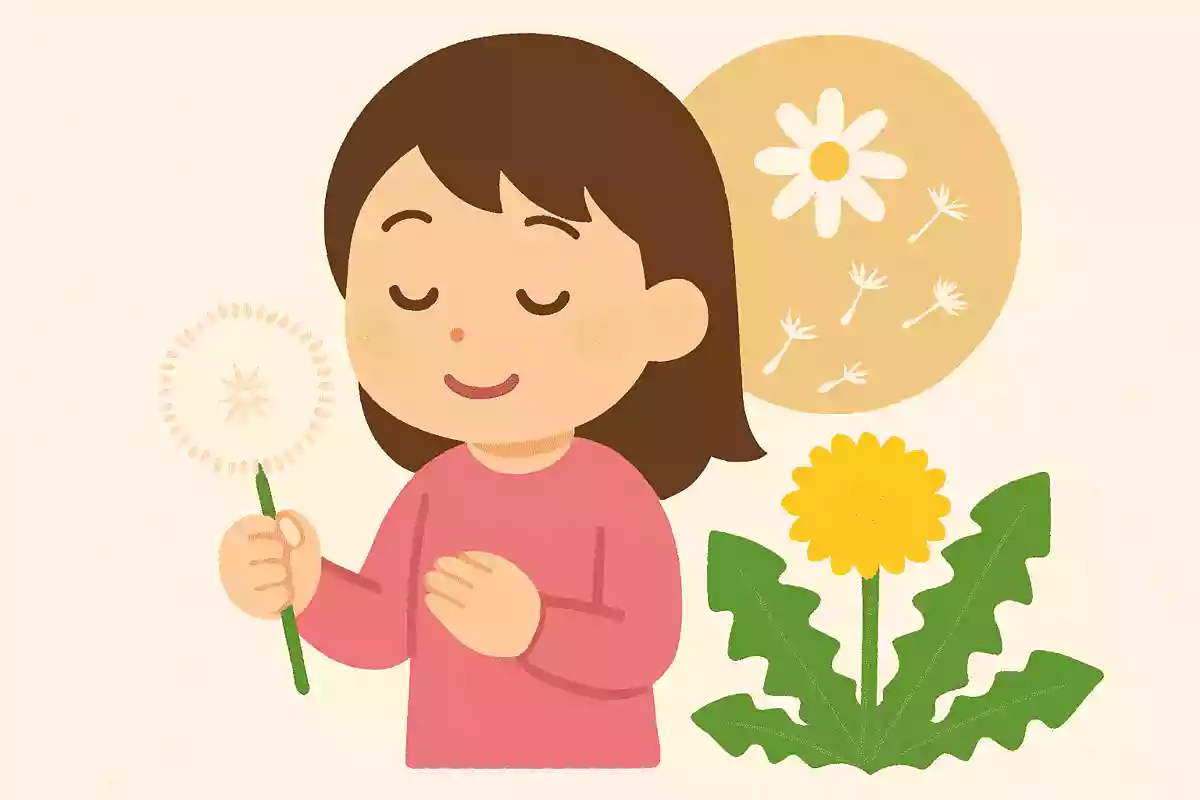
Do you know the language of flowers for dandelions? They’re said to mean things like “happiness” and “sincere love.” White dandelions also carry the meaning “look at me.” And when they change into the fluffy seed head, their flower meaning changes too—to “parting.” This is said to come from an American folktale called “The Dandelion and the South Wind,” inspired by the image of the seeds flying away and never meeting again.
The shift from “happiness” to “parting” feels a bit heartbreaking, doesn’t it?
Although Satsuki is another name for May, the Satsuki Sho horse race is held in April.
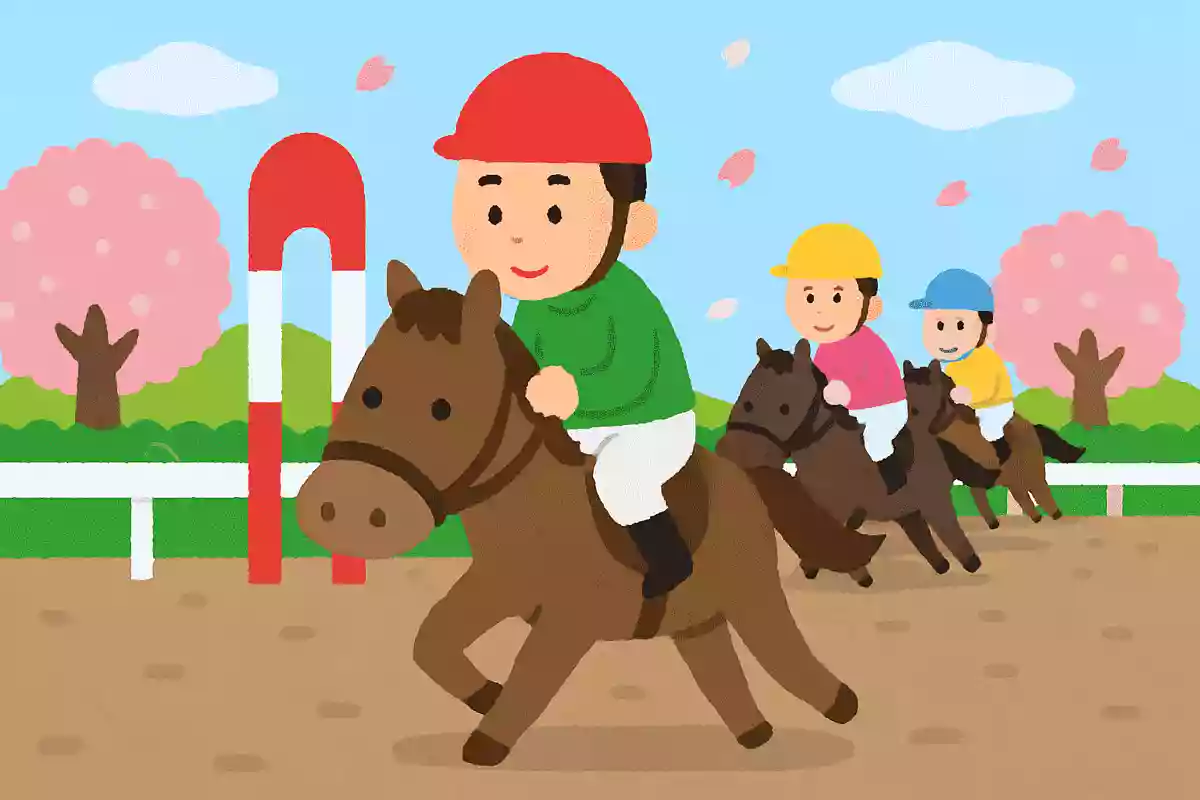
When we think of “Satsuki,” it usually refers to May, the month of fresh green leaves.
However, the Satsuki Sho horse race held at Nakayama Racecourse in Chiba Prefecture takes place in April, not May.
Originally, the Satsuki Sho was held in May, but it was moved to April in 1952, and the name has remained the same to this day.
You can also watch horse racing broadcasts on TV, so why not enjoy the dynamic runs of the racehorses as you watch?

The model for the children’s song ‘Spring Brook’ is said to be Tokyo’s Kotsubogawa (Kobune River).
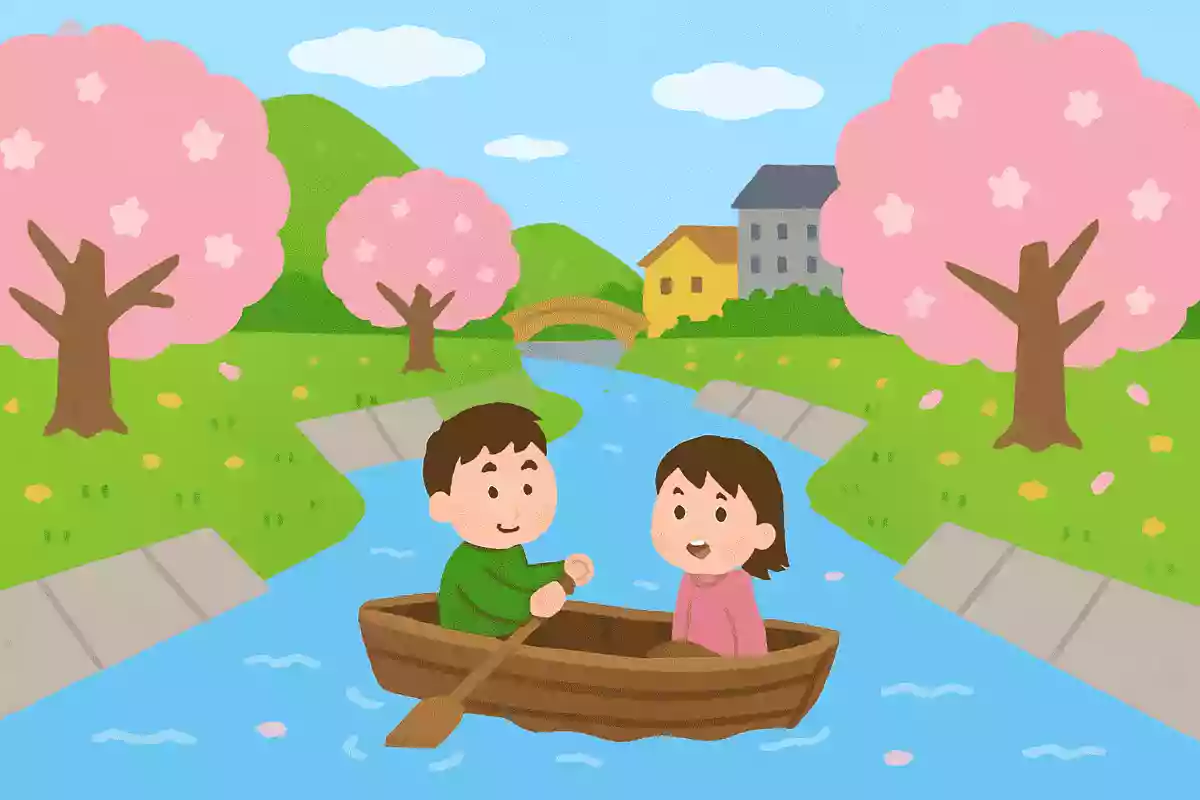
“Spring Stream,” one of the Ministry of Education songs—a collection compiled by the former Ministry of Education (now the Ministry of Education, Culture, Sports, Science and Technology) from the Meiji to the Showa era—is a children’s song known for its lyrics that vividly evoke the scenes of spring.
The model for the song is said to be the Kabbokugawa (Kabonogawa) in Tokyo.
The Kabbokugawa flowed through Yoyogi in Shibuya Ward, and because Tatsuyuki Takano, who wrote the lyrics to “Spring Stream,” lived in the area at the time, it is believed that this stream served as the inspiration.
It’s a perfect children’s song for the spring season.
Be sure to share it with your friends along with this fun tidbit!
April 25 is World Penguin Day.

April 25 is designated as World Penguin Day.
You’re probably wondering why that date was chosen.
It originates from the fact that every year on April 25, Adélie penguins appear near a U.S.
base in Antarctica.
Penguin Day wasn’t established just because penguins are adorable; it was created to raise awareness and call for protecting them from global warming and environmental destruction.
This could be a great opportunity to learn more about environmental issues.
In the past, there was a time when aluminum school backpacks (randoseru) were used.
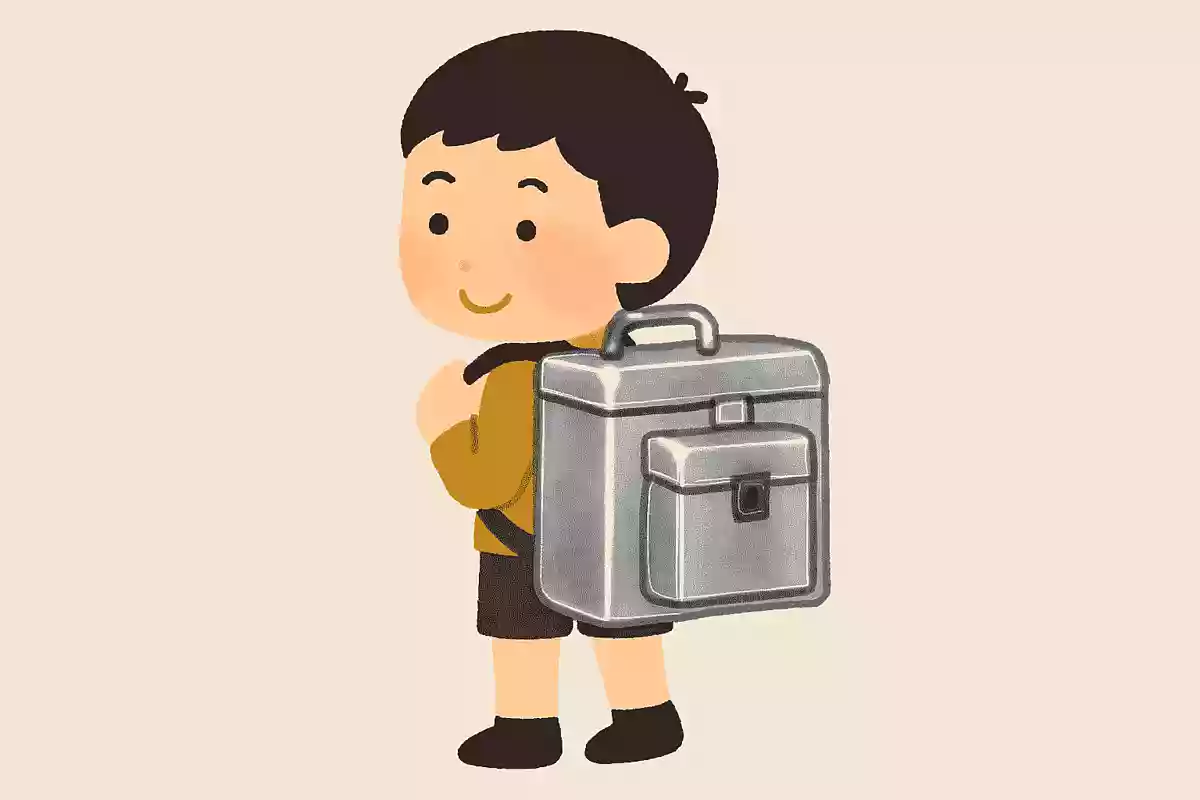
I don’t think there’s anyone who doesn’t know what a randoseru is.
Many of you probably received one as a gift when you started elementary school.
But do you know what randoseru are made of? That’s right—leather.
They come in a variety of colors like black, red, green, and pink, but they’re all made of leather.
However, back around 1946, aluminum randoseru were actually sold.
What’s more, they were green with yellow shoulder straps.
Pretty stylish design, don’t you think?
April Fools’ Day has a history of nearly 500 years.
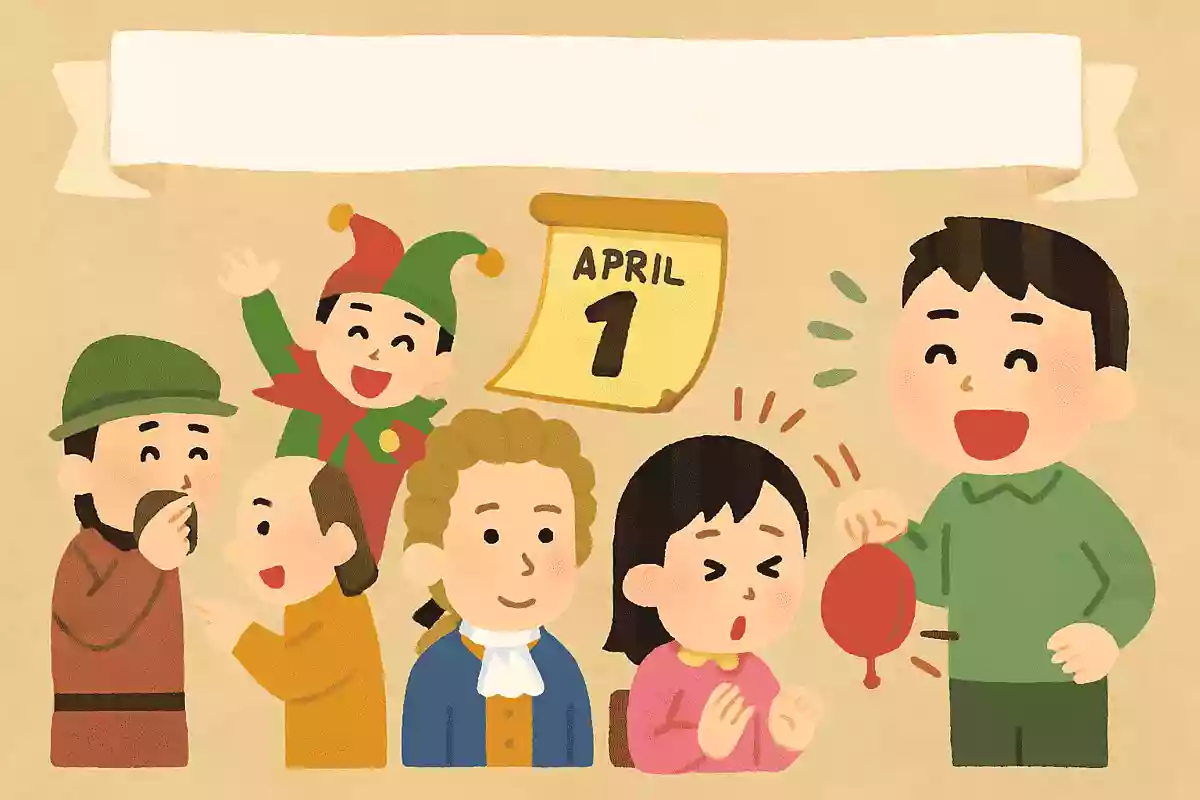
April 1 is April Fools’ Day, a day when telling lies is forgiven.
In the past, people would tell lies to friends and those close to them.
Recently, however, companies and celebrities have often joined in online by making surprising statements or posting videos, turning it into a lively occasion.
Although April Fools’ now feels like an event, it actually has a history of nearly 500 years.
In medieval Europe, the new year was considered to start on March 25, and festivals were held from March 25 to April 1.
Later, the rule was changed to make January 1 the beginning of the new year, which reportedly sparked strong opposition from the people.
It is said that those who resisted began celebrating April 1 as a “false New Year,” which is the origin of the festivities.
It seems that many other events and observances in Japan also have intriguing origins.
In conclusion
We’ve introduced a whole bunch of trivia related to April. There were plenty of facts about things that elementary school students are familiar with, too. Please enjoy reading and pick up lots of fun trivia. And once you’ve memorized a bunch, be sure to impress your family and friends with what you’ve learned!