

[For Middle School Students] Also Helpful for Haiku Writing! A Collection of Famous Haiku Using Spring Seasonal Words

A haiku that captures the arrival of spring in the rhythm of 5-7-5.For junior high school students, the experience of distilling the changing seasons and familiar scenery into words enriches their sensibilities.The way cherry blossom petals dance, and the feeling of wanting to go outside, drawn by the gentle, balmy weather.Why not try composing such uniquely springtime scenes in words that are your very own?This time, for junior high school students working on spring haiku, we will introduce some famous haiku related to spring.As you face the words, enjoy a moment of rediscovering the charm of spring.
- For elementary school students! A recommended collection of famous haiku using spring kigo
- [For Elementary School Students] Spring Kigo for Haiku Writing! A Collection of Fun, Easy-to-Memorize Ideas
- Brain training with spring kigo! A collection of ideas for common words you can use in haiku and conversation
- [Winter Haiku] A collection of poems composed by junior high school students: a beautiful and amusing anthology that vividly evokes scenes
- Funny senryu poems composed by junior high school students: introducing outstanding works that will make you burst out laughing
- [Spring Quotes] Glamorous words perfect for adding color to a new beginning
- [Winter Haiku] A collection of poems written by elementary school students. Excellent works that skillfully use seasonal words.
- [For Elementary School Students] Turn Summer Memories into Haiku! A Collection of Fun Summer Haiku Ideas
- [For Elementary School Students] Trivia About April
- Recommended for elementary school students! Ideas for composing summer haiku
- How many can you read? Test your general knowledge with a spring flower kanji quiz
- Let's enjoy learning winter seasonal words! A collection of easy-to-use word ideas for elementary school students
- [Trivia] Challenge! Spring General Knowledge Quiz
For Middle Schoolers: A Collection of Famous Haiku Using Spring Season Words (1–10)
Red camellia, white camellia—both have fallen.Kawahigashi Hekigoto
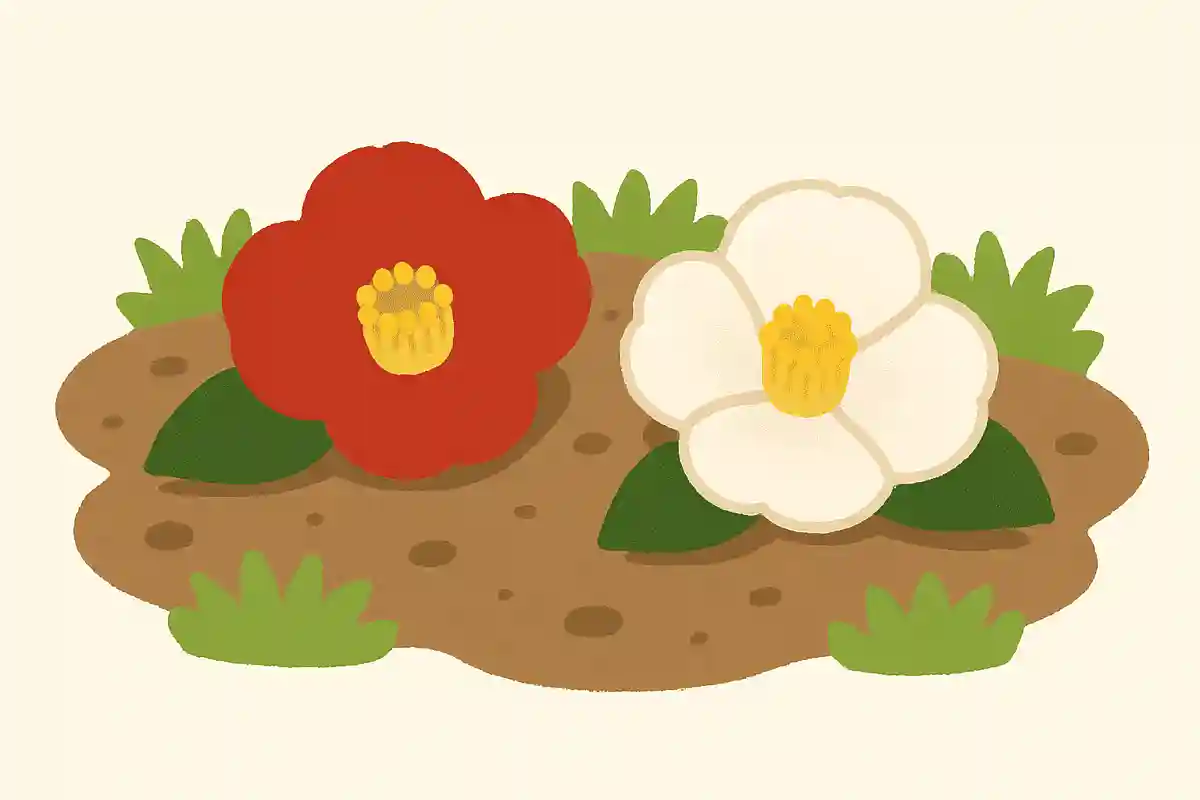
The red and white camellias blooming in gardens and along paths stand out beautifully in the spring light.
The way their petals flutter down is gently expressed with the phrase “ochinikeri.” As the flowers fall, we feel not only spring’s beauty but also the passage of time and the transience of life.
With brief words it vividly conveys the contrast of colors and the movement of nature, clearly showing Bashō’s power of observation in savoring a seen scene with the heart.
It is a verse that can guide middle school students in making haiku by focusing on flower color and shape, movement, and the signs of the season.

Tulips carry only joyAyako Hosomi

When spring comes, colorful tulips bloom, expressing a joy that brightens the heart just by looking at them.
With the phrase “holding only joy,” it symbolizes the beauty of flowers, the delight of spring, and a pure happiness free of worries.
Through the flowers, this verse lets you feel the positive, radiant energy of nature.
It serves as a helpful example for middle school students composing haiku, showing how to connect the characteristics and colors of spring flowers and the brightness of the season with their own feelings.
It is a verse that also conveys the pleasure of carefully observing spring’s nature and flowers.
Running late for the field trip, we still caught up and linked togetherKyoshi Takahama
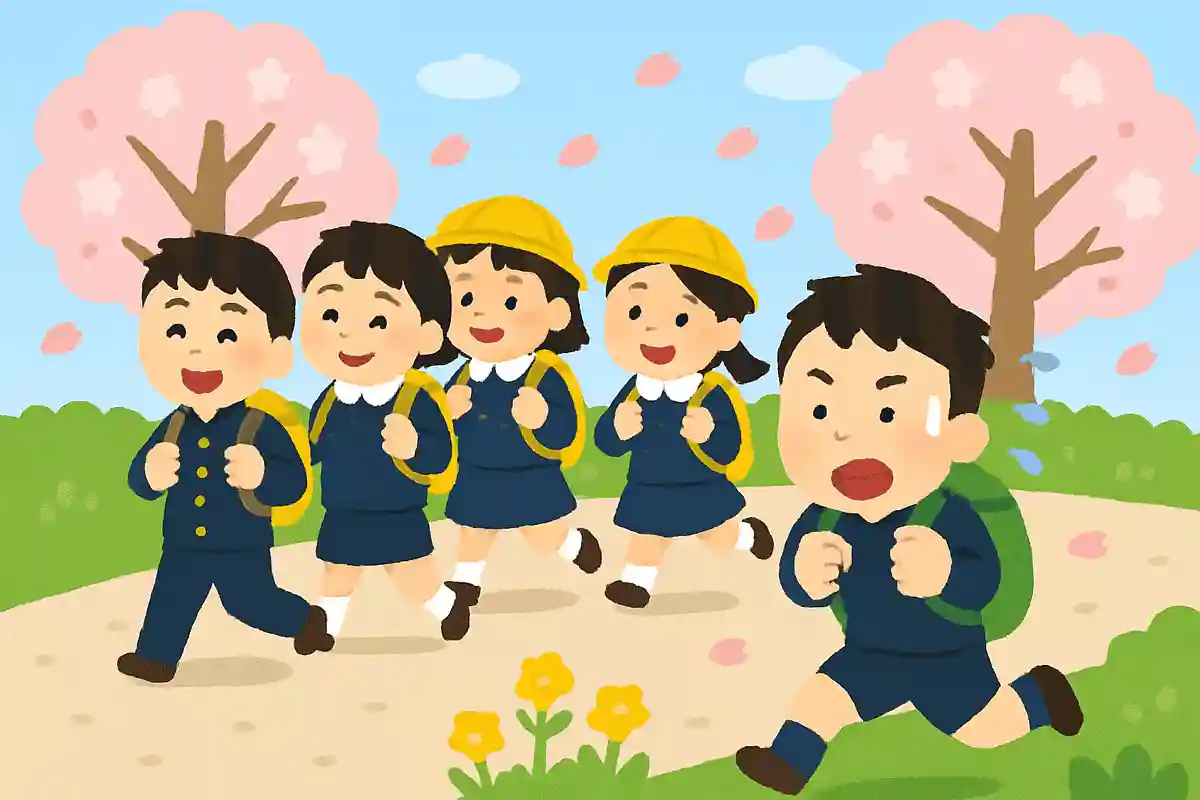
Here is a haiku about a school outing.
It depicts the moment when a child who had fallen behind the line of the excursion runs in haste and finally reconnects with everyone.
From the phrase “running, having been late,” you can feel the anxious yet earnest desire to catch up.
With “having become connected,” you sense the relief and joy of rejoining friends.
It expresses, in brief words, the small dramas that arise in school life and interactions with friends.
It’s a good example for middle schoolers writing haiku, encouraging them to observe everyday events and the emotions of the seasons.
For Junior High Students: Also Helpful for Haiku Writing! A Collection of Famous Haiku Using Spring Season Words (11–20)
Out in the fields, everyone is kind—peach blossoms.Takano Soju
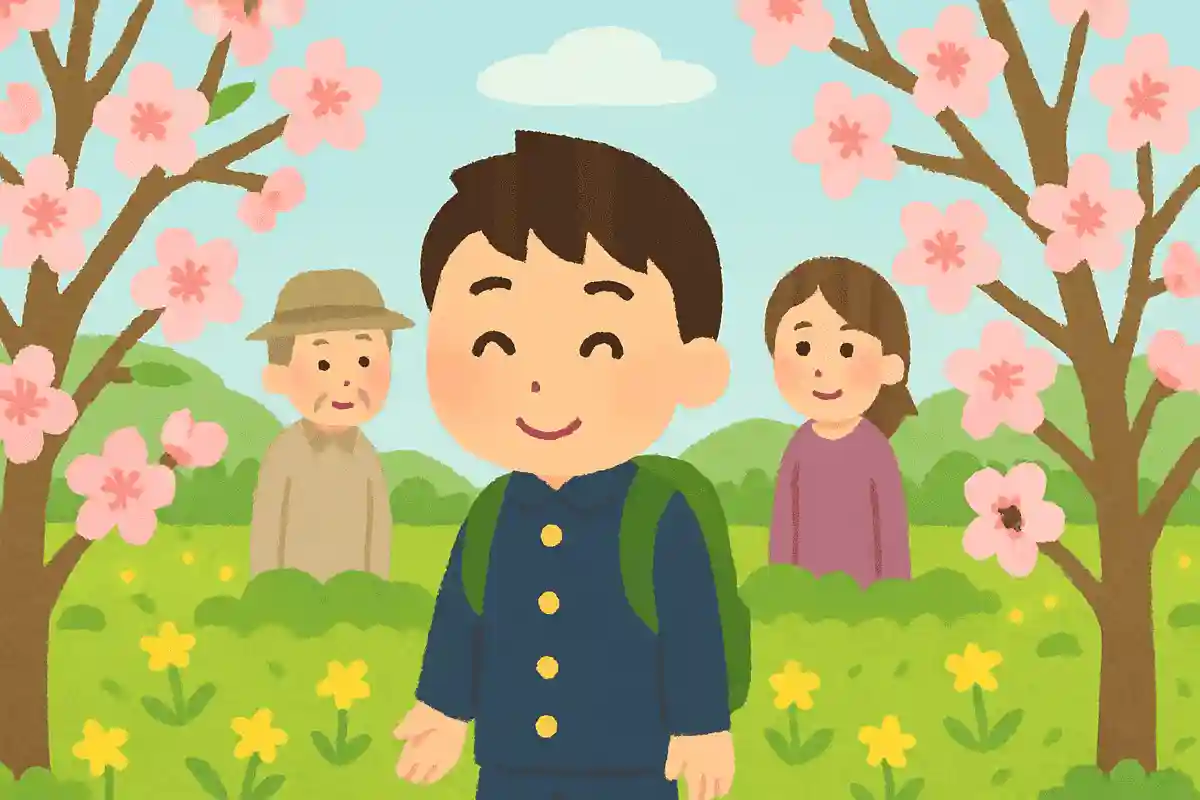
It describes how, when you go out into the spring fields, the beauty of peach blossoms blooming in the warm sunlight soothes your heart, and you can feel not only nature but also the kindness in the people around you.
With the phrase “everyone is gentle,” it gently conveys that spring’s brightness and calm soften people’s hearts as well.
In just a few words, human kindness overlaps with springtime nature, letting you feel the joy and warmth of spring.
This haiku can serve as a reference for middle school students when composing their own poems, encouraging them to express not only seasonal flowers and scenery but also the feelings they experienced.
Go outside as well—the spring moon seems close enough to touch.Teijo Nakamura
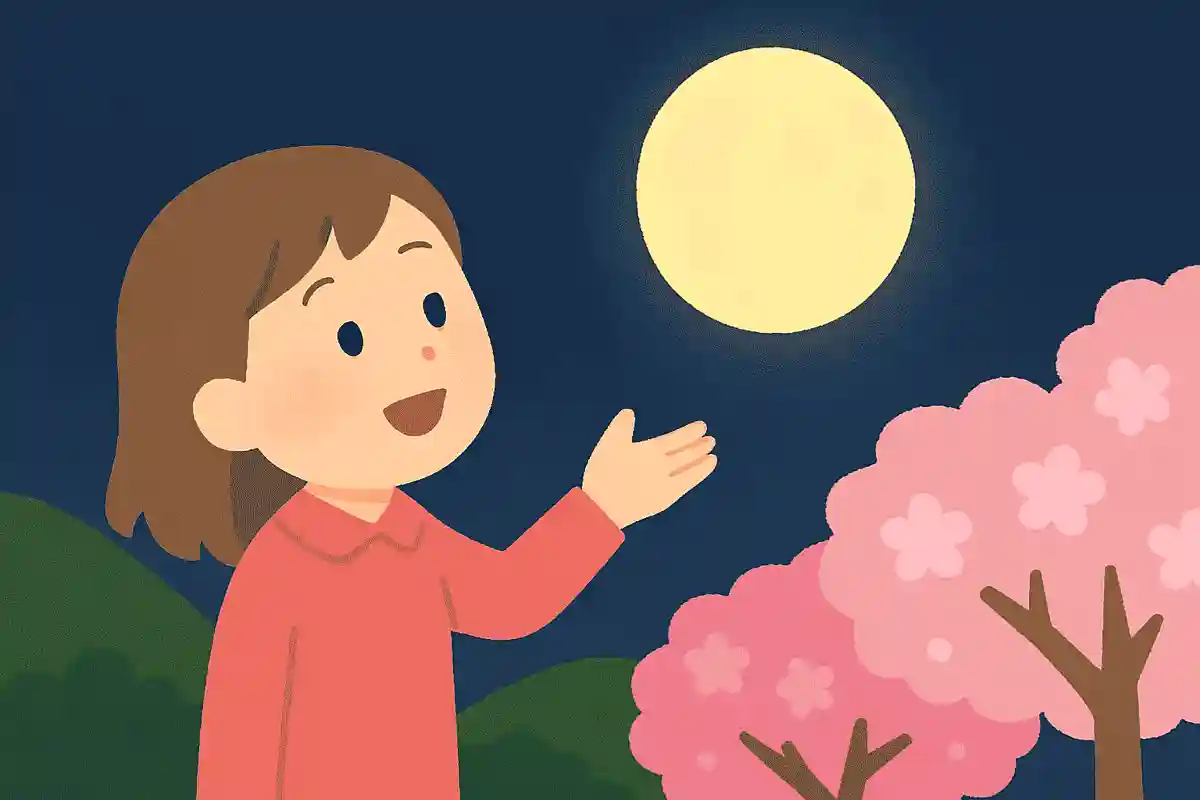
It depicts the moon floating in the spring night sky, shining so brightly and seemingly so close that you could almost touch it.
By calling out, “Come outside too,” it conveys a wish not to miss the moon’s beauty and to place oneself in nature and feel it.
You can sense the soft spring night breeze and the quiet atmosphere, and in few words it expresses the nearness between the moon, oneself, and nature.
It is a verse that can serve as a reference for middle school students composing haiku, using the power of seasonal words to connect nature’s beauty with their own feelings, and it is a haiku that makes it easy to imagine the gentle scene of a spring night.
March’s sweet bean candies— ufufufufuNenten Tsubouchi
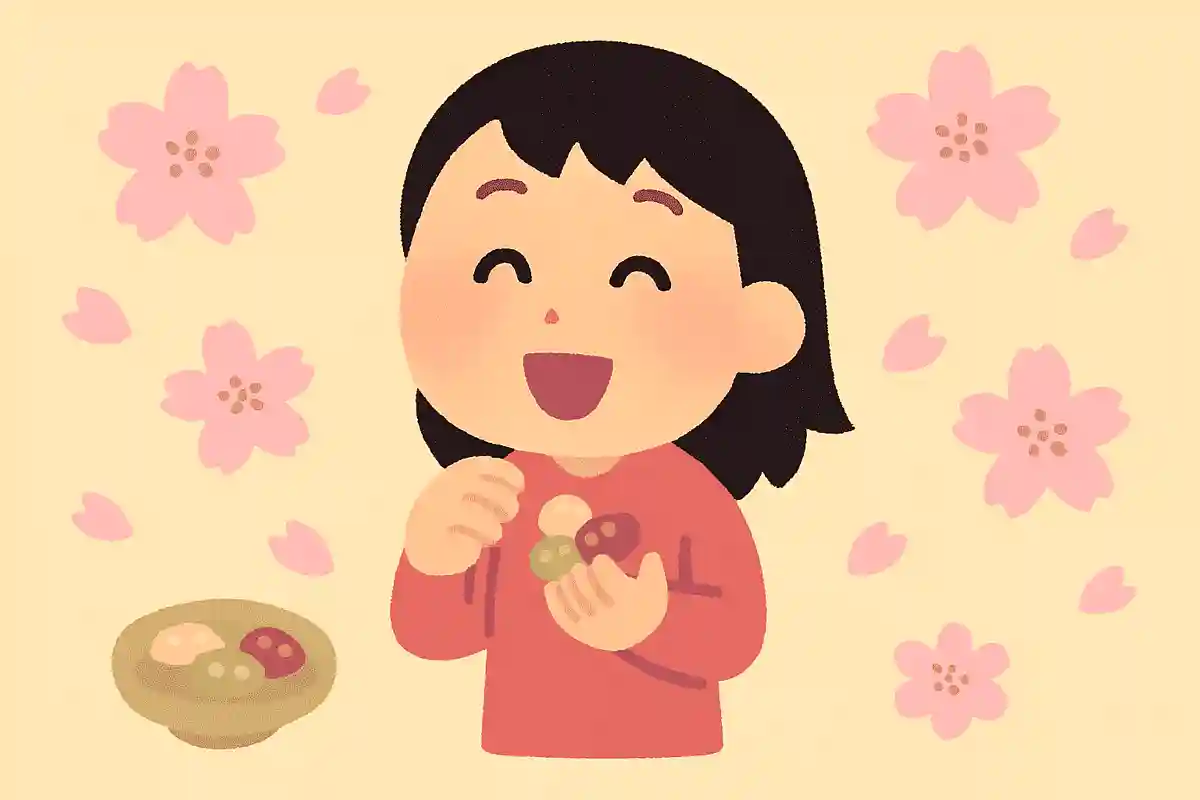
It expresses the joy and delight of eating sweet, tiny amanattō amid the springlike weather of March with the giggle “ufufufufu.” Though brief, it conveys the gentle atmosphere of spring and the feeling of everyday little happiness.
By honestly expressing one’s emotions through food and seasonal happenings, it’s a verse that naturally brings a smile to the reader.
It serves as a useful example for middle schoolers writing haiku, showing how to link seasonal sense with personal feelings, and it lets you savor the fun of spring and the simple happiness close at hand.
The nightingale turns its body upside down—first songTakarai Kikaku
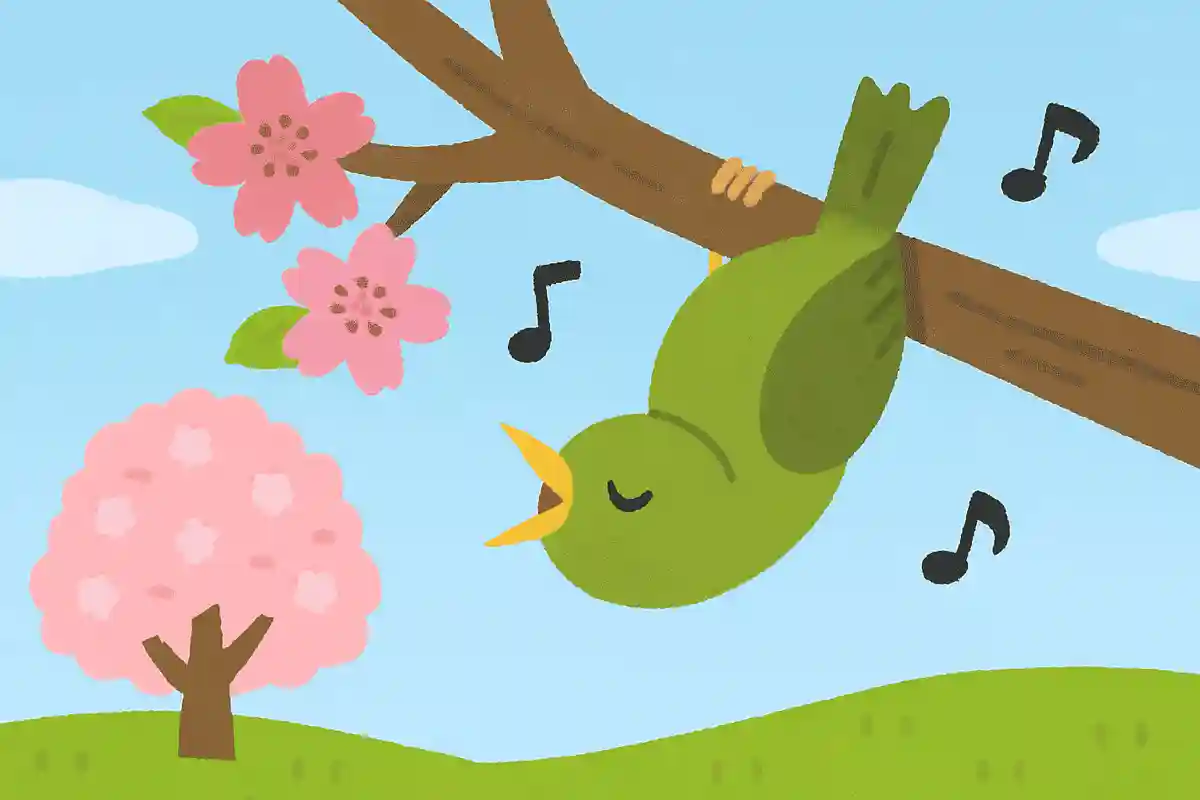
It depicts hearing the bush warbler begin to sing at the start of spring, its call a bit awkward, as if it were singing upside down.
The phrase “hatsune ya” conveys the surprise and delight of noticing the first song of the year.
By closely observing the bird’s small movements and the qualities of its voice, this verse lets one strongly feel the arrival of spring.
Though brief, it conveys the sounds of nature, the breath of life, and the change of seasons, making it a useful example for middle schoolers composing haiku to observe and express sound, motion, and seasonal atmosphere.
It’s a verse that lets you savor the feeling of spring’s beginning.