

![[Elementary School Senryu] A Collection of Hilarious Masterpieces about Summer Vacation, Friends, and School Life. Tips and Explanations Learned from Outstanding Works](https://media.ragnet.co.jp/img/1200__png__https://www.studiorag.com/files/2026/02/6af1b0288a1cc309b040030bc35aa2b6.webp)
[Elementary School Senryu] A Collection of Hilarious Masterpieces about Summer Vacation, Friends, and School Life. Tips and Explanations Learned from Outstanding Works

Have you ever had the experience where your child needs to write senryu at school, but you don’t know how to teach them? Senryu, which captures everyday life in a 5-7-5 rhythm, is a perfect opportunity for elementary school students to discover the joy of words.
In this article, we’ll introduce easy methods and tips for creating senryu that even young children can enjoy.
By simply expressing familiar events and honest feelings, you might come up with a verse that makes people chuckle.
Give it a try together as a parent and child!
[Elementary School Senryu] A Collection of Hilarious Masterpieces about Summer Vacation, Friends, and School Life. Tips and Explanations Learned from Outstanding Works (1–10)
I’m up next! The bell rings and I feel relieved.
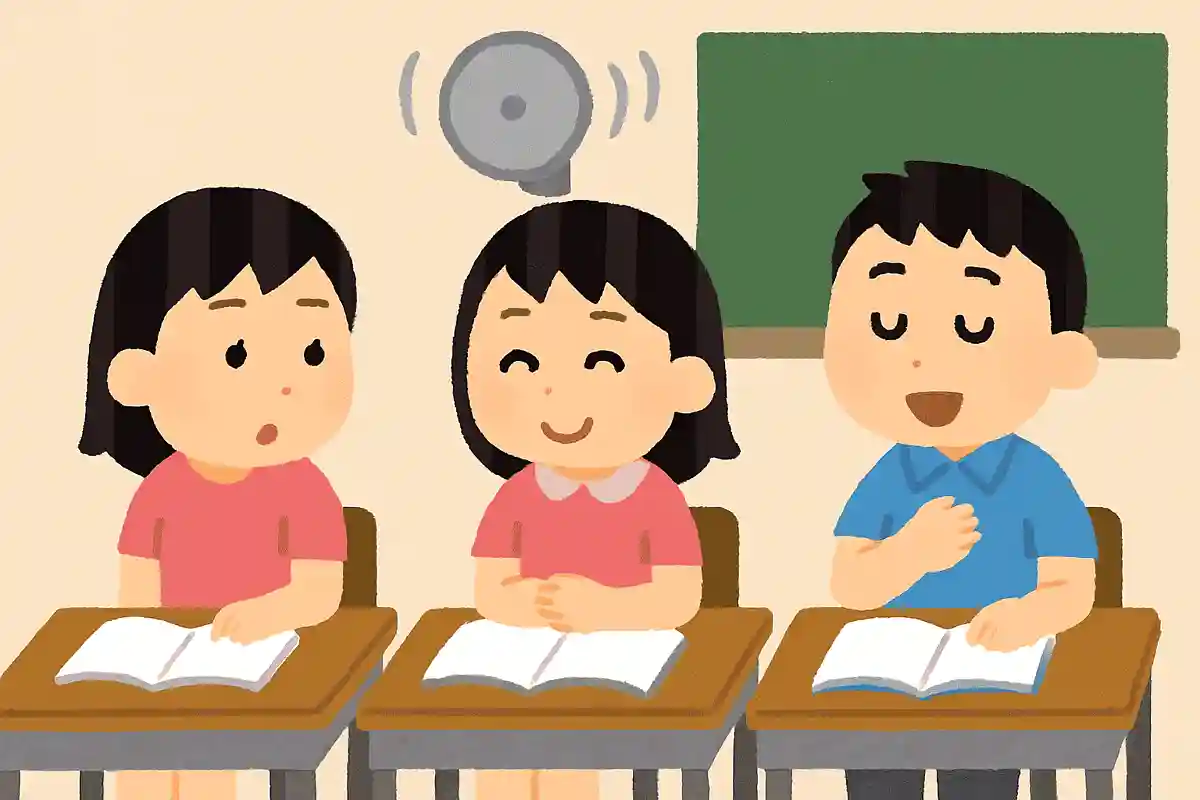
This might be a senryu everyone can relate to.
It’s pretty standard for teachers to call on students about a problem written on the blackboard in attendance-number order or by seating arrangement.
And it always seems like you get called on precisely for the problems you don’t understand—so relatable, right? In moments like that, you can’t help but pray, “Please, bell, ring sooner!” You breathe a sigh of relief when the bell luckily rings and you’re spared from being called on… You can just picture the scene from this senryu.
Elementary school kids would probably shout “So true!” and burst out laughing with recognition.

So bored—nothing beats games this summer break.
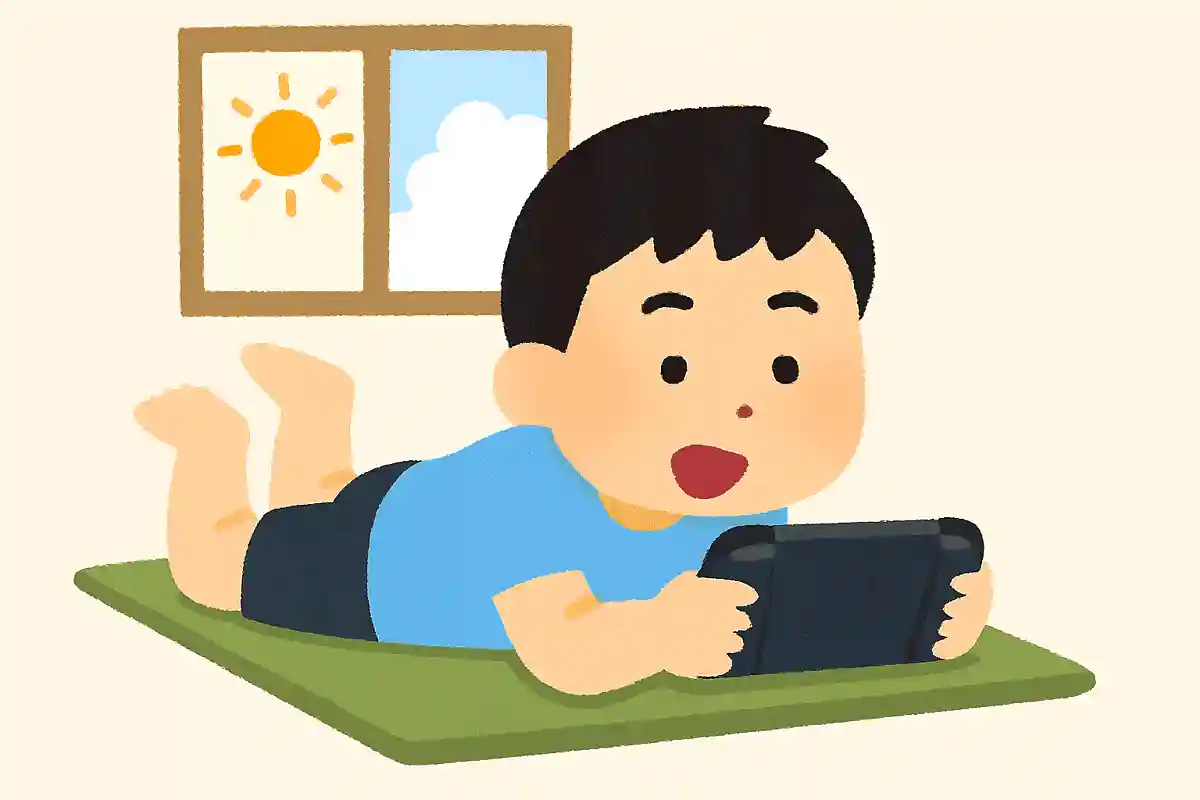
This is a senryu depicting someone who, despite starting summer vacation, can’t find anything to do and ends up just playing games.
Many children know the feeling of a long-awaited break slowly turning into days of too much free time.
It carries not only boredom but a hint of sheepishness, too.
Getting absorbed in video games is a modern twist, but the struggle over how to spend idle hours is timeless.
It skillfully captures both the freedom and monotony of summer vacation, portraying a slice of everyday life that feels so real it’s hard not to smile.

The school backpack only feels light when it’s empty.
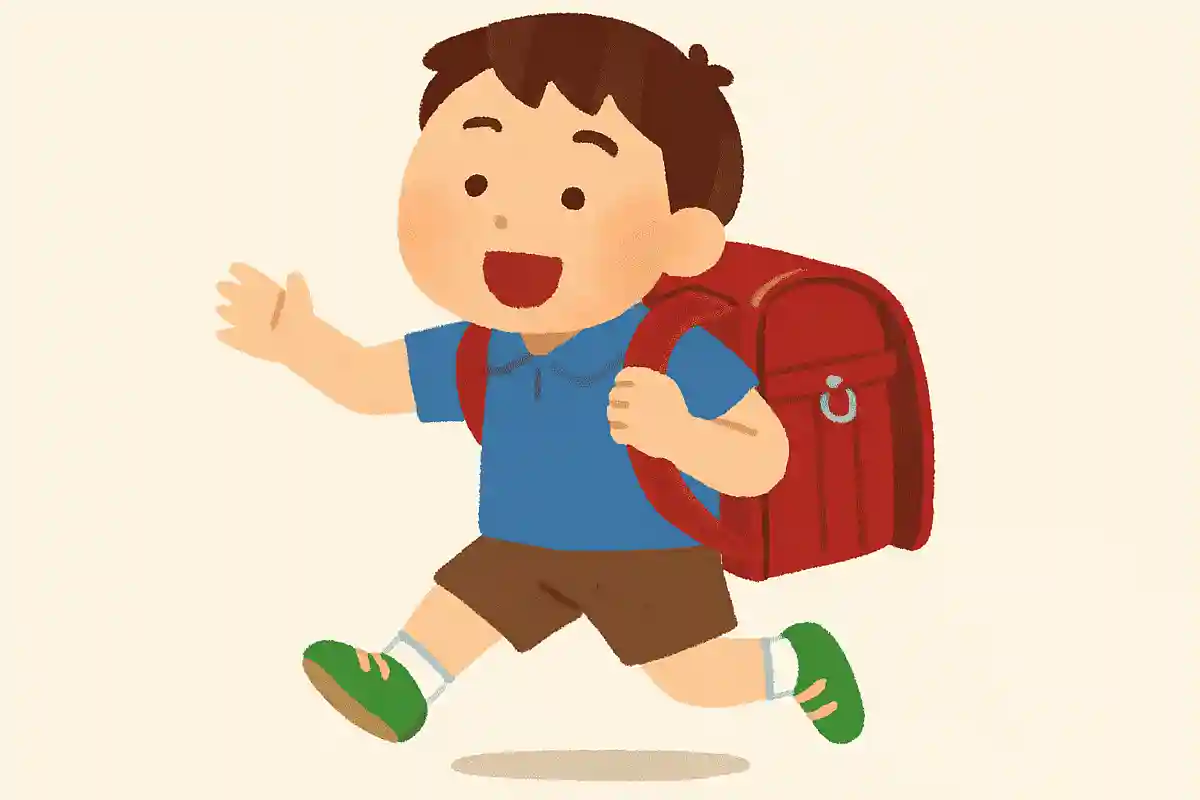
This senryu that makes you want to burst out laughing is about finding out that the “light” school backpack was actually empty.
For adults it sounds unbelievable, but elementary school kids might relate.
You get to school, open your backpack, and realize the textbooks, notebooks, and laptop you thought you’d packed the day before aren’t there.
It’s a situation that makes you feel more like laughing than panicking.
That said, an empty backpack won’t get you through class.
Make sure everything’s prepared before leaving the house!
Fourth period—my head is full of school lunch.
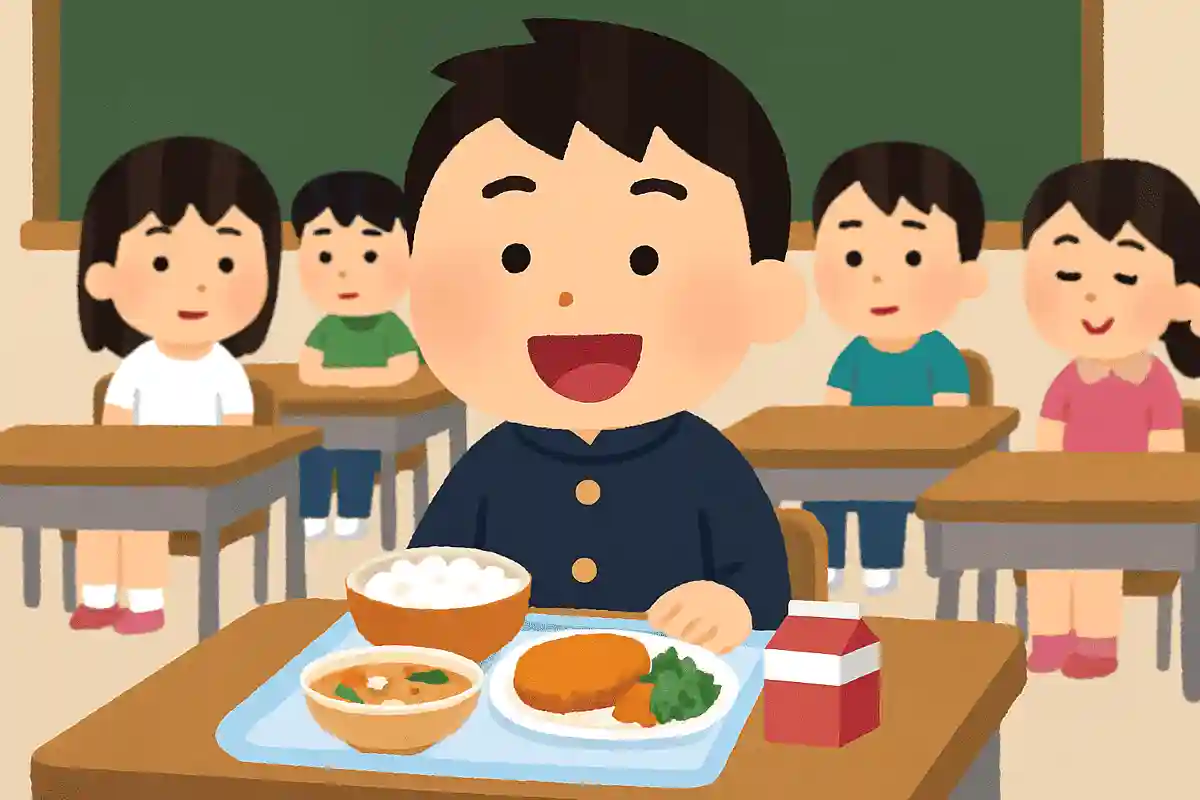
By fourth period, the feeling that lunch takes up more space in your head than the lesson itself is an experience many people probably remember.
The time when your stomach starts to rumble naturally overlaps with those quick glances at the clock, and your focus gradually drifts toward the meal.
Even as you listen to the teacher’s voice, you can tell that your heart has already leapt into the world of the day’s menu.
The straightforward feelings of a child are expressed just as they are, and the lack of forced embellishment is part of the charm.
It’s a senryu brimming with a lovable, gluttonous mood that reminds us anew of how large a place school lunch holds in school life.
Summer break: ice cream melts, homework won’t.
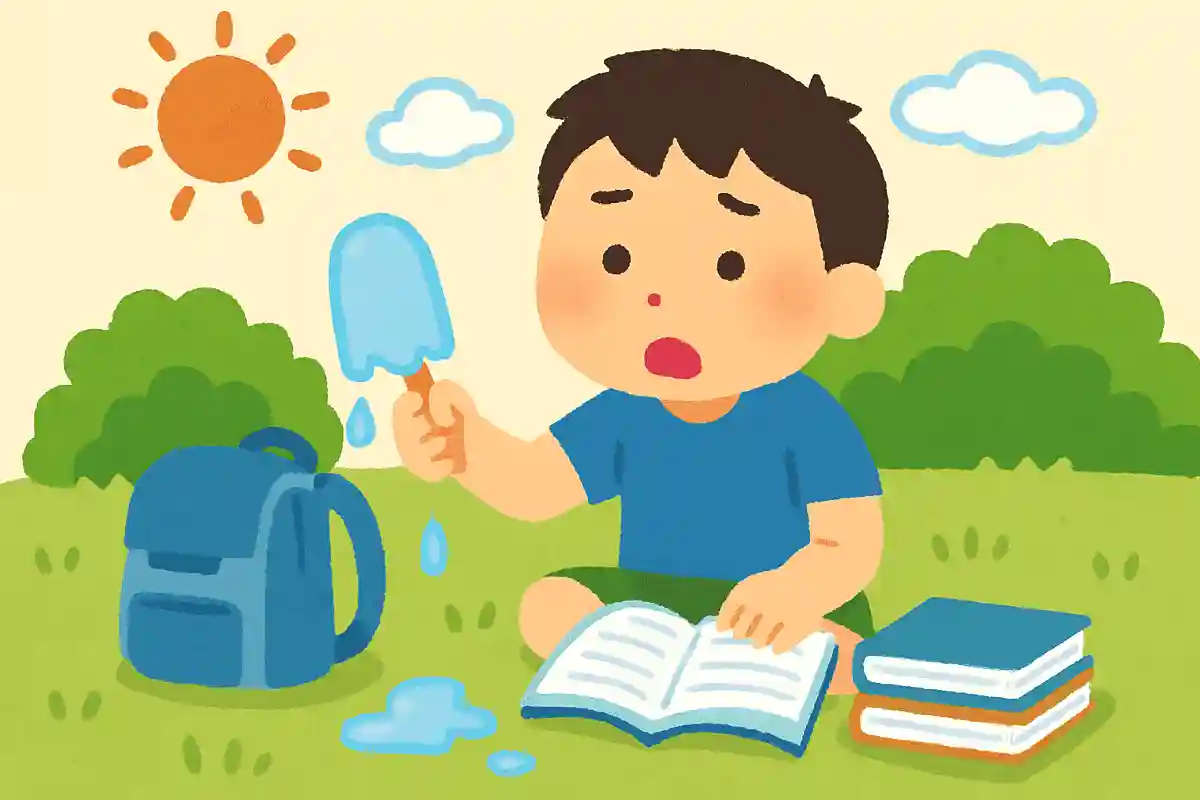
This senryu is interesting because it uses two words pronounced the same—“tokeru,” written as 溶ける and 解ける—but with different meanings.
It’s like the quintessential elementary school summer vacation homework, something many people tend to put off.
The key is that it says “doesn’t get solved” (解けぬ), not “gets solved” (解ける).
The homework problems are hard and won’t get solved easily, yet the ice cream melts right away… you can really feel that frustrating contrast.
It’s an excellent piece that vividly captures both the heat of summer and the exasperation of not being able to solve the homework.
Whatever I say in front of my mom, she sees right through it immediately.
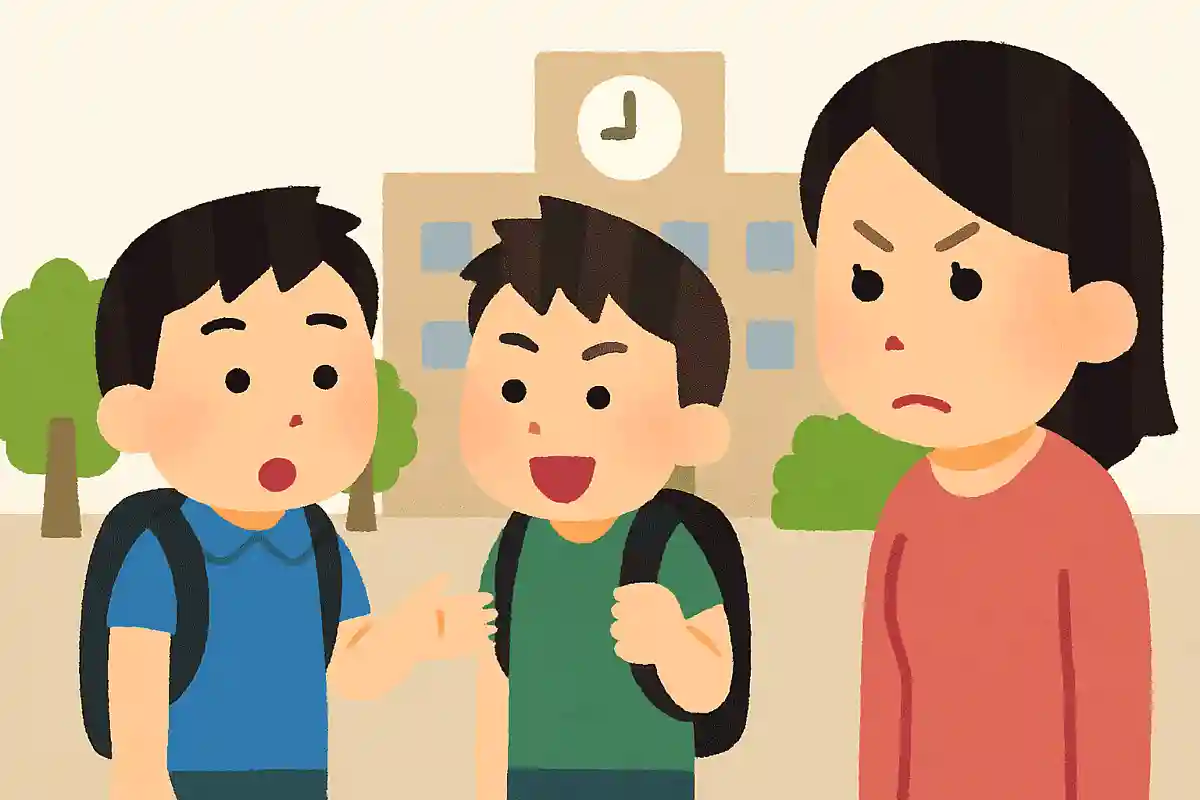
These words, expressed from a child’s perspective, capture the fact that no excuse ever works on a mother.
From a casual remark or a small gesture, she immediately sees through to the truth, conveying a sense of tension and resignation.
A mother knows everything, even when you think you’re hiding it.
It evokes not only moments of being scolded, but also everyday exchanges and the trust between them.
It warmly depicts the grandeur children feel in adults and the unique closeness of family, likely to stir readers’ own memories.
It’s a family senryu that gently exudes the atmosphere of home and portrays a heartwarming parent-child relationship.
Compassion—let it begin with my hands
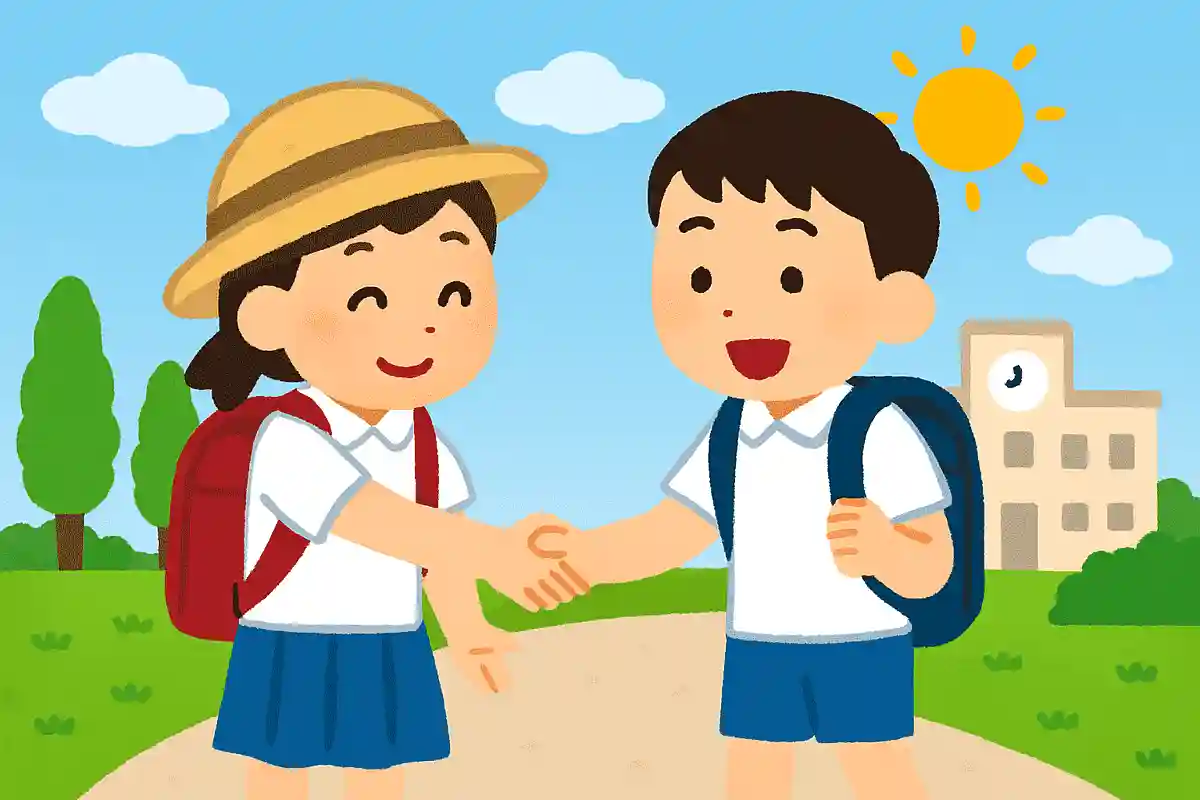
This senryu puts into plain words the realization that compassion isn’t something given by someone else—it starts with our own actions.
By speaking from a familiar, close-up view—“from my own hands”—without using difficult expressions, it naturally reaches the heart.
In friendships and school life, it conveys the importance of building up small acts of kindness.
Its value lies in expressing, in children’s words, something adults would want to teach.
It draws attention to things we can do in everyday life and spreads a positive feeling that warms our relationships with those around us.