

[Elementary School Senryu] A Collection of Hilarious Masterpieces about Summer Vacation, Friends, and School Life. Tips and Explanations Learned from Outstanding Works

Have you ever had the experience where your child needs to write senryu at school, but you don’t know how to teach them? Senryu, which captures everyday life in a 5-7-5 rhythm, is a perfect opportunity for elementary school students to discover the joy of words.
In this article, we’ll introduce easy methods and tips for creating senryu that even young children can enjoy.
By simply expressing familiar events and honest feelings, you might come up with a verse that makes people chuckle.
Give it a try together as a parent and child!
- [For Elementary School Students] Turn Summer Memories into Haiku! A Collection of Fun Summer Haiku Ideas
- Funny senryu poems composed by junior high school students: introducing outstanding works that will make you burst out laughing
- Recommended for elementary school students! Ideas for composing summer haiku
- Parenting Senryu: Relatable Parenting Moments That Make You Say “So True!” Turn Everyday Struggles into Laughter with Senryu
- [Winter Haiku] A collection of poems written by elementary school students. Excellent works that skillfully use seasonal words.
- A chuckle-worthy collection of masterful senryu poems themed around sushi toppings
- [For Elementary School Students] Spring Kigo for Haiku Writing! A Collection of Fun, Easy-to-Memorize Ideas
- Challenge Pokémon senryu! From laugh-out-loud gags to outstanding works
- Burst out laughing! A collection of outstandingly brilliant otaku senryu masterpieces
- Let’s have fun making them! Kid-friendly palindromes. Great as a reference for creating your own.
- [Traffic Safety Senryu] Outstanding works shining with humor and lessons. A carefully selected line to always keep in mind.
- Let's enjoy learning winter seasonal words! A collection of easy-to-use word ideas for elementary school students
- Funny senryu with the theme of toilets. Presenting a selection of masterpieces and gems all at once
[Elementary School Senryu] A Collection of Hilarious Masterpieces about Summer Vacation, Friends, and School Life. Tips and Explanations Learned from Outstanding Works (1–10)
Please stop buzzing my hair with clippers.
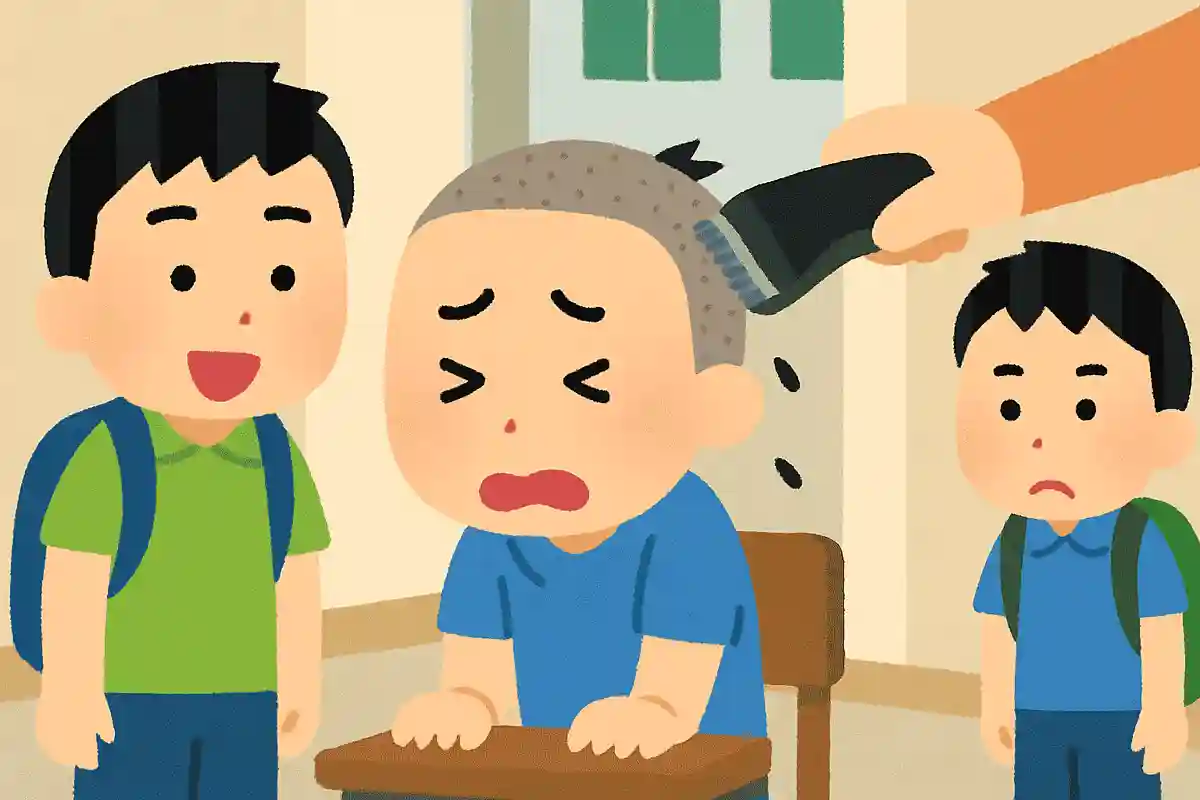
This is a verse steeped in the earnestness unique to an elementary schooler before summer vacation, pleading to be spared the buzz cut.
In just a few words, it vividly captures the gap between adults, who think about beating the heat and easy upkeep, and children, who worry about how they look and what their friends will think.
It highlights how parents’ good intentions don’t always align with a child’s true feelings, and the knack for turning unspoken frustrations into humor.
You can also sense the emotional tremor at the threshold of adolescence.
It’s a senryu that conjures a summery family scene—one that makes you want to laugh as you take in the family dynamics and a child in the midst of growing up.

Yes, yes, yes—raising my hand even though I don’t understand
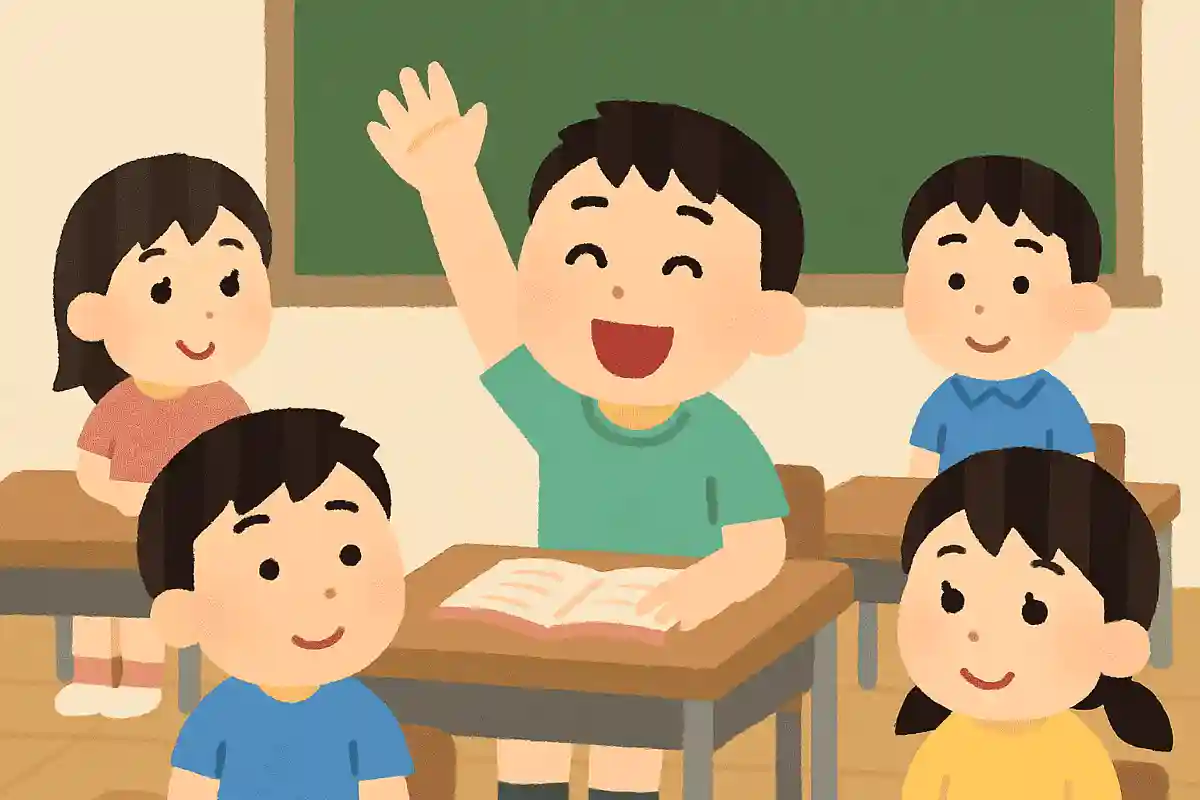
This piece will remind many of a classic grade-school scenario.
When the teacher asks, “Does anyone know the answer?” you don’t actually know it, but you still find yourself raising your hand.
Maybe you get swept up by your classmates or the mood of the room—something most people have probably experienced.
It’s especially relatable on open class days when you want to impress your parents.
But what if you raise your hand without knowing and, by bad luck, the teacher calls on you? Just thinking about it makes parents sweat.
It’s a senryu that neatly captures the humor of school life.

“What’s the most fun thing about school?” “School lunch!!”
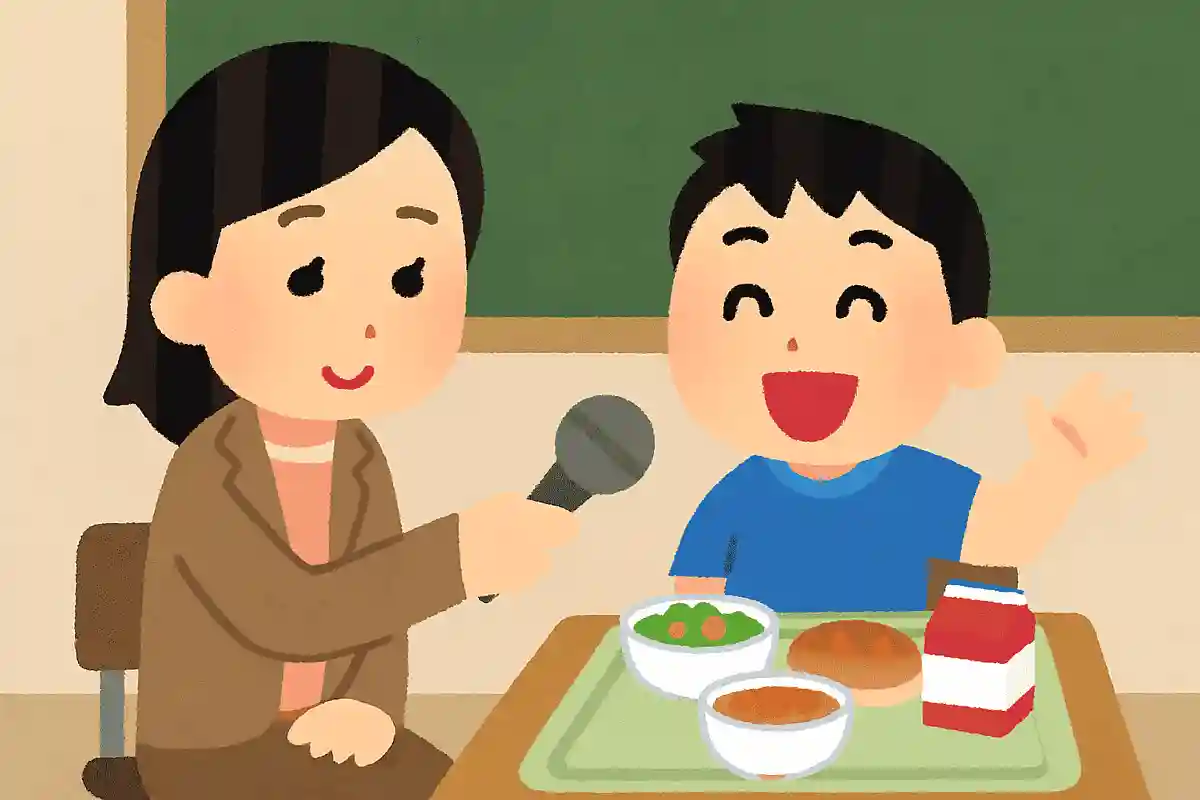
Asked about the fun parts of school, the unhesitating answer “school lunch” captures the honest heart of an elementary schooler.
The feeling that lunchtime—eating with friends—is more enjoyable than classes or events is a memory many can relate to.
From staple favorites like curry and fried dishes to desserts, the excitement for beloved school lunches is packed into a few short words.
It also conveys the importance of having something to look forward to each day.
This senryu, overflowing with love for school lunch, spreads warmth and laughter, reminding us of the simple happiness found in everyday school life.
[Elementary School Senryu] A collection of unexpectedly funny masterpieces about summer vacation, friends, and school life. Tips and explanations learned from outstanding works (11–20)
Without a mask, the face of the one I like makes my heart skip a beat.
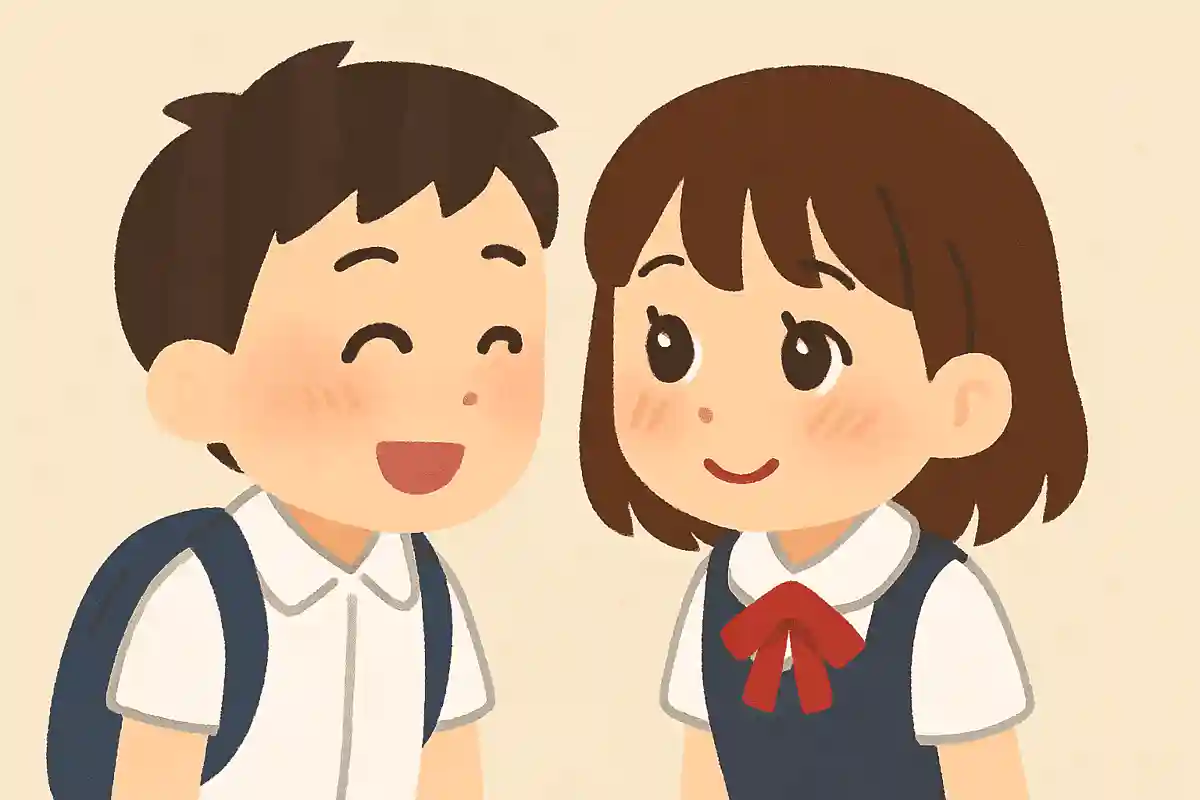
A verse that conveys the straightforward feelings of an elementary schooler: the heart racing the moment the mask comes off and they see the face of the one they like.
As the long mask-wearing life ends, an ordinary event turns into a special moment, and feelings kept deep inside overflow all at once.
Even without using the word “love,” the way it’s conveyed through just glances and emotion is captivating.
You can sense a hint that their friendship might change a little.
It’s a senryu that captures the faint flutter born in school life, depicting the doorway to youth that tickles the reader’s own memories.
The teacher’s puns are never funny.
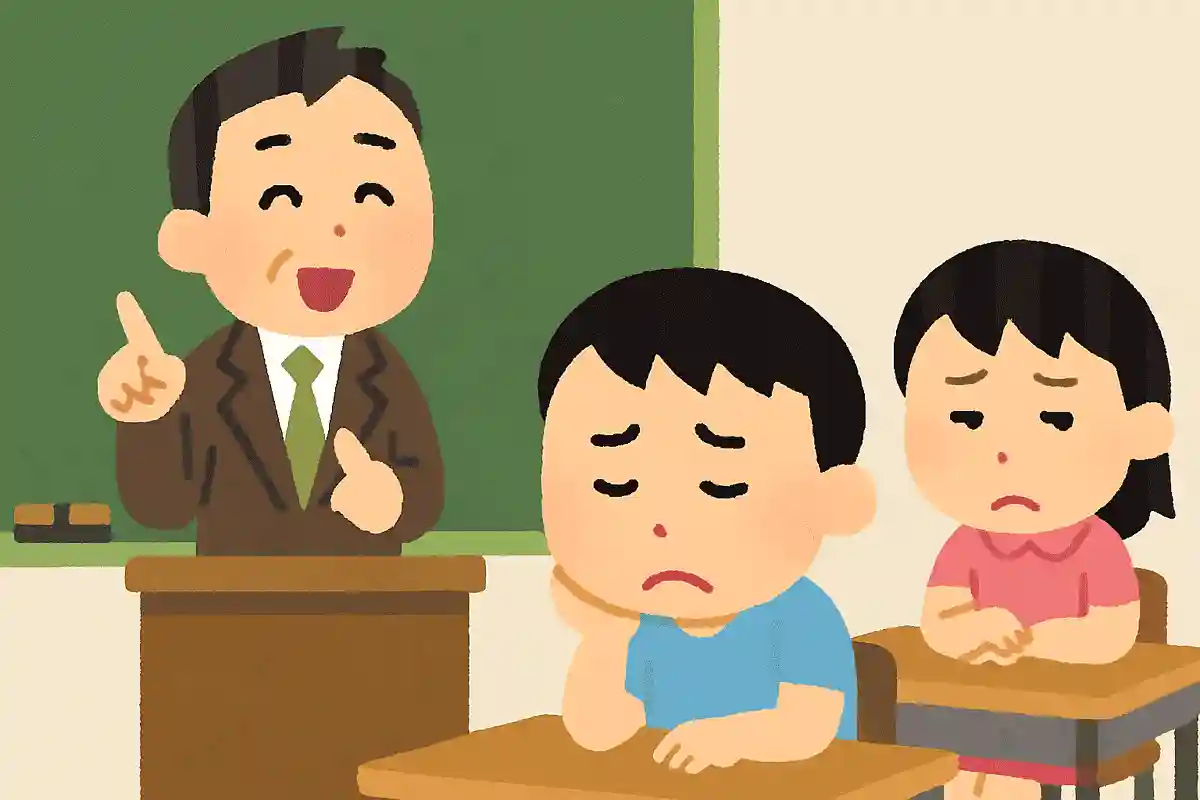
A single verse that straightforwardly expresses an honest reaction to the teacher’s words.
Even though the children understand the teacher’s intention to lighten the mood, their responses remain somewhat cool and candid.
The expression is superb, letting you imagine the uncertain air of whether to laugh and the subtle pauses that pass through the classroom.
It highlights the difference in sensibilities between adults and children and also conveys the human relationships within the school setting.
With a touch of irony yet a certain charm, it warmly communicates the sense of distance between the students and the teacher.
It’s a senryu of school life that neatly captures a moment of the everyday, spreading both empathy and laughter.
My homework is on a tablet—so lucky!
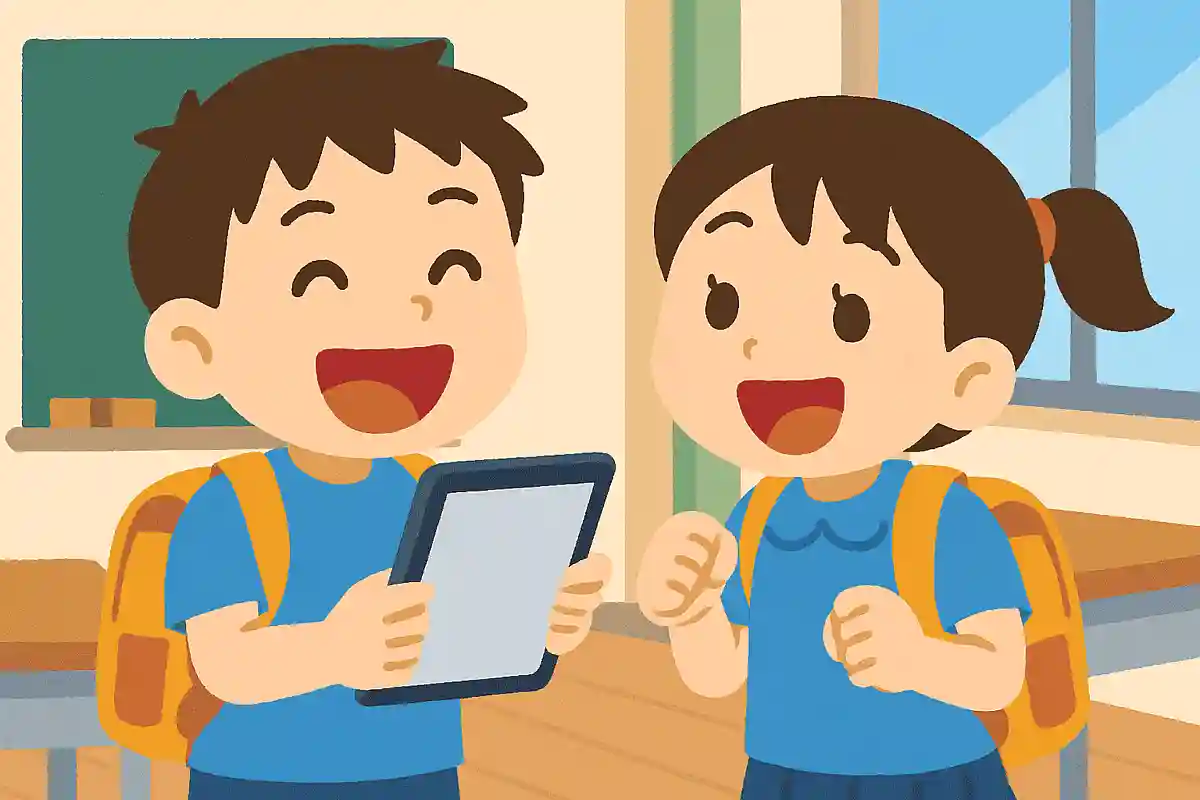
This senryu, which straightforwardly celebrates homework going digital on a tablet, reflects contemporary school life as it is.
The burden of lugging heavy materials home and the aversion to paper-based homework are swept away with light, buoyant wording.
Even if study methods differ from the past, it conveys that what matters for children is an environment where they can engage positively.
The candid amazement at the tablet’s convenience is another charming touch.
It evokes today’s elementary schoolers—a blend of honest feelings and a natural openness to change with the times.
The test I had put away was somehow on the table.
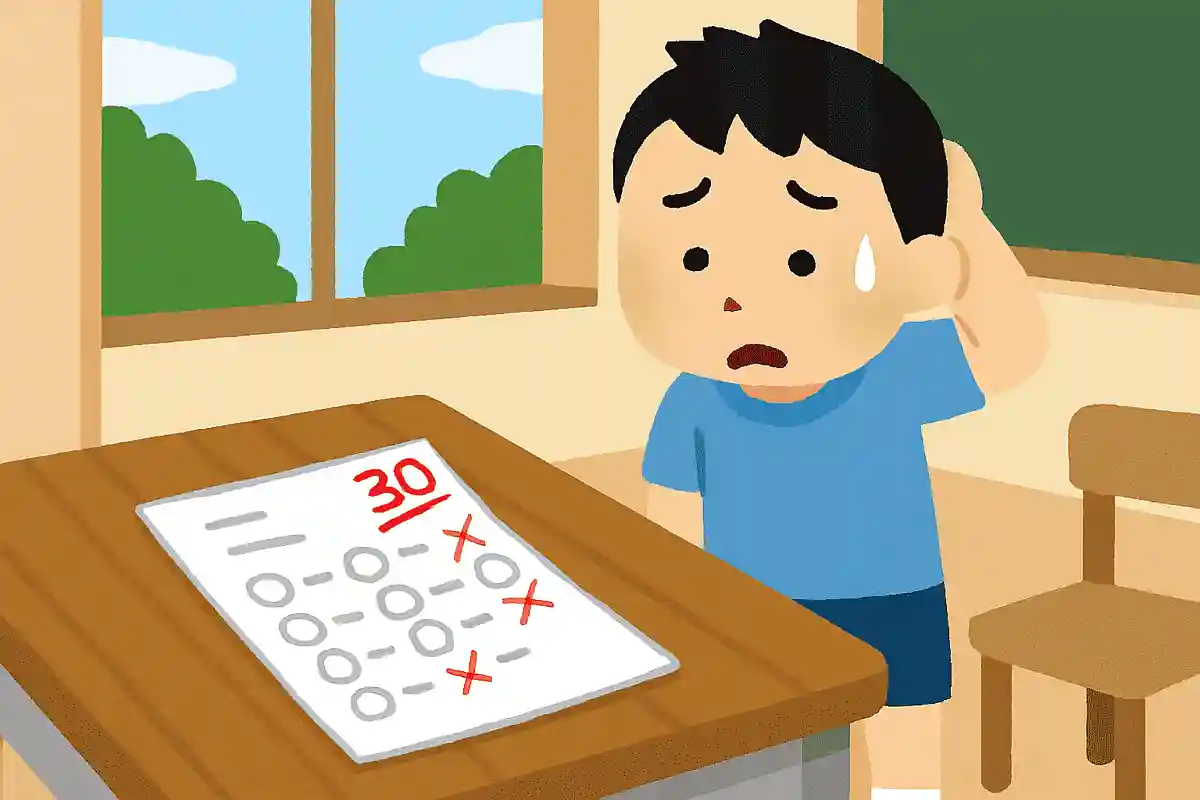
This is a senryu that captures a child’s agitation and panic upon seeing a test—supposedly stashed away—lying on the table.
You can picture the uncanny way it gets found before you know it, and the inescapable situation that follows.
It skillfully depicts the home as both a safe haven and a place of trials.
Because it’s something almost everyone has experienced, empathy and laughter arise naturally.
It’s a senryu that makes you nod along, conveying a child’s true feelings and growth.