

Let's enjoy haiku about horses! Introducing lively verses that capture the excitement of horseback riding and horse racing.

Let’s enjoy senryu about horses! When composed in the five-seven-five rhythm, the images of horses reveal many expressions—strength, elegance, and at times even humor.
Whether you’re a horse racing fan, someone who enjoys riding or simply loves horses, or someone interested in senryu, you’re sure to find pieces that resonate with you.
You might find yourself nodding in agreement or chuckling at the affection for horses and keen observations packed into such short lines.
Do try to find a favorite verse!
Let’s enjoy horse-themed senryu! Here are evocative verses brimming with the excitement of horseback riding and horse racing (1–10)
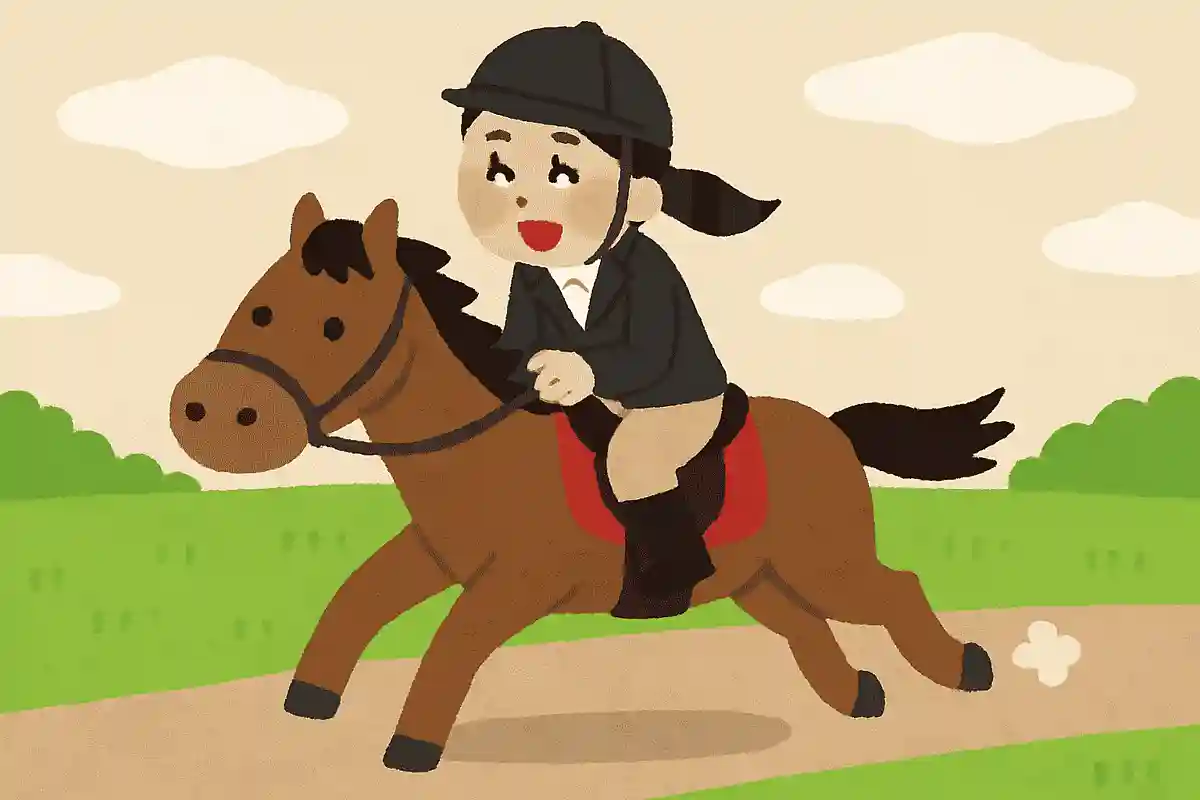
Riding a horse, my heart starts to run as well.
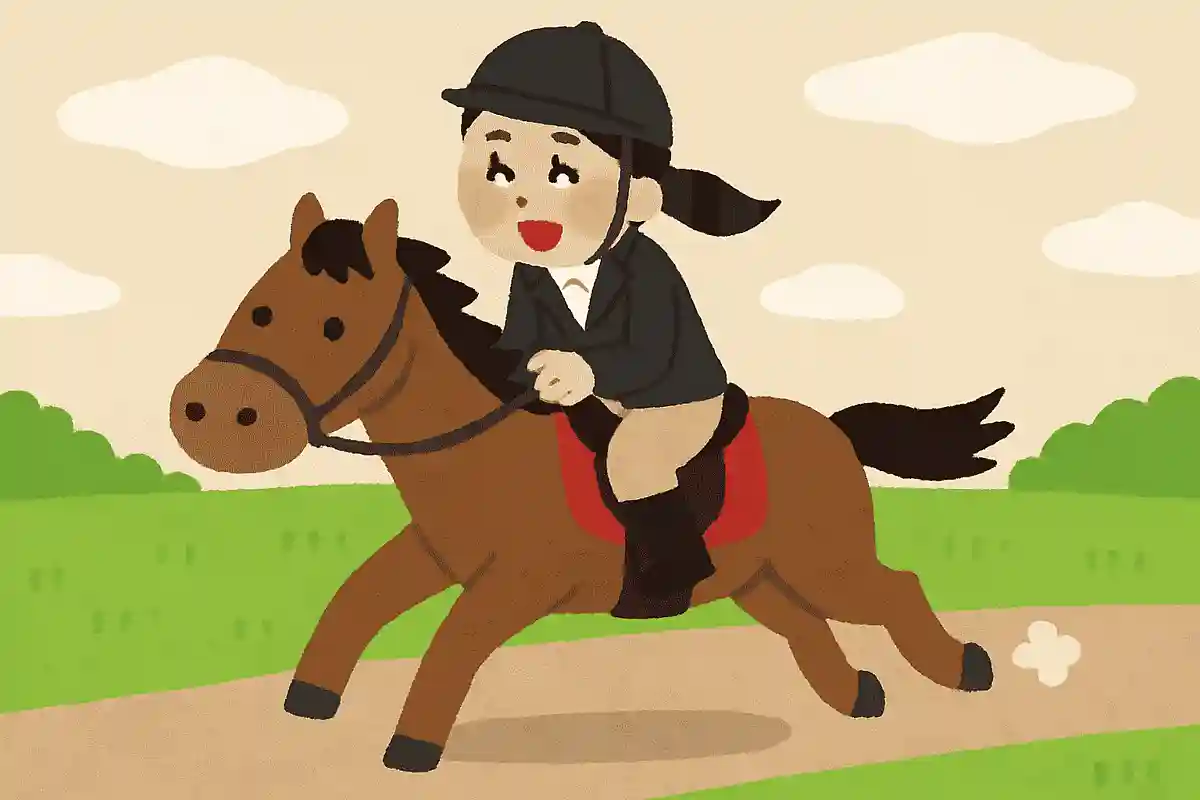
When you ride a horse, you can reach unexpected speeds; this senryu seems to express the way your heart lifts at that pace.
During horseback riding, the rhythm of the horse’s gait is conveyed through your body, and you can feel your spirits rise in sync with that rhythm.
The image of the running cadence overlapping with your heartbeat suggests a sense of unity between the horse and yourself, which may be an important point.
Because the expression also carries a sense of speed, it evokes a refreshing feeling as if the scenery is opening up before you.

The horse that won; until the previous race, it was a horse I bet on.
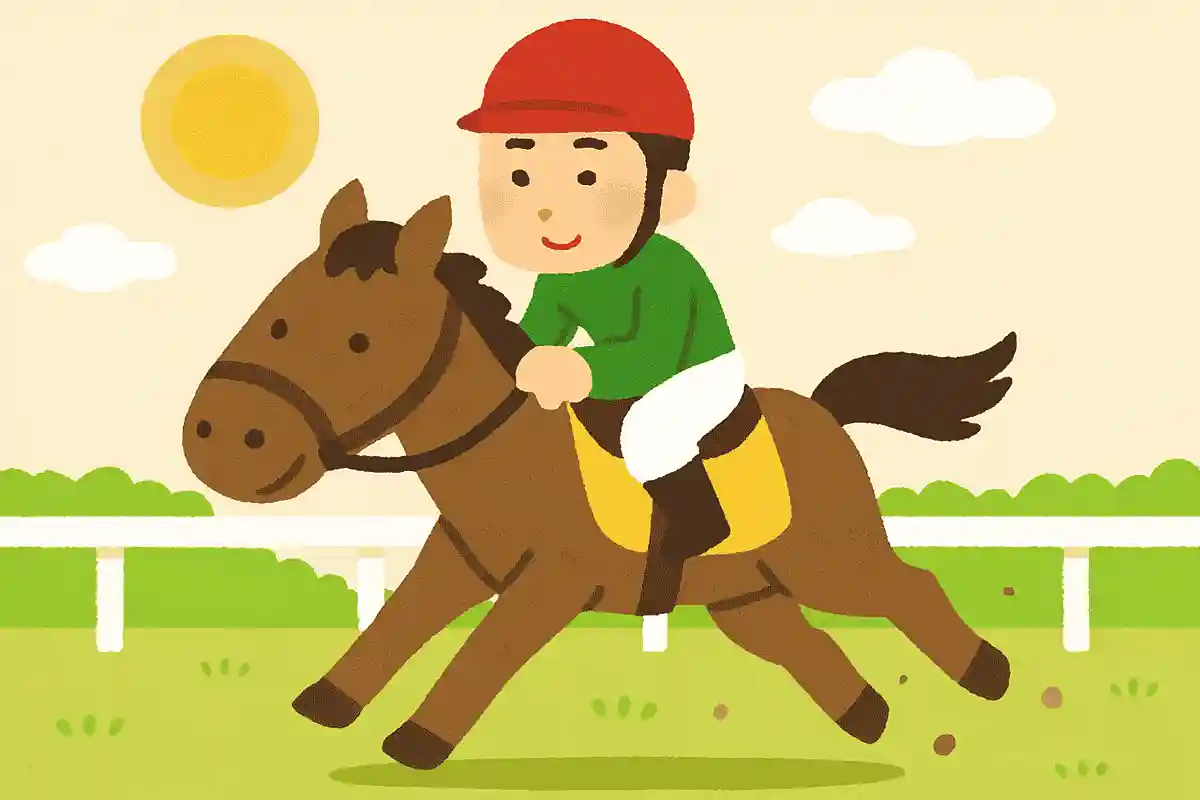
Horse racing is a heated sport where you cheer for the horse you believe in to win, and even when things don’t go as you imagined, the viewers’ emotions are tossed about.
This senryu captures the feelings of those watching the races, mixing in a touch of comedic misfortune when things don’t work out.
The key is the rhythmic contrast between “won” (katta) and “bought” (katta), which lightly conveys a betting mistake through the wordplay.
It depicts the frustration and guilt of not fully trusting the horse this time that you had believed in up to the previous race.
At a horse’s neigh, the hairpin sways—perhaps.
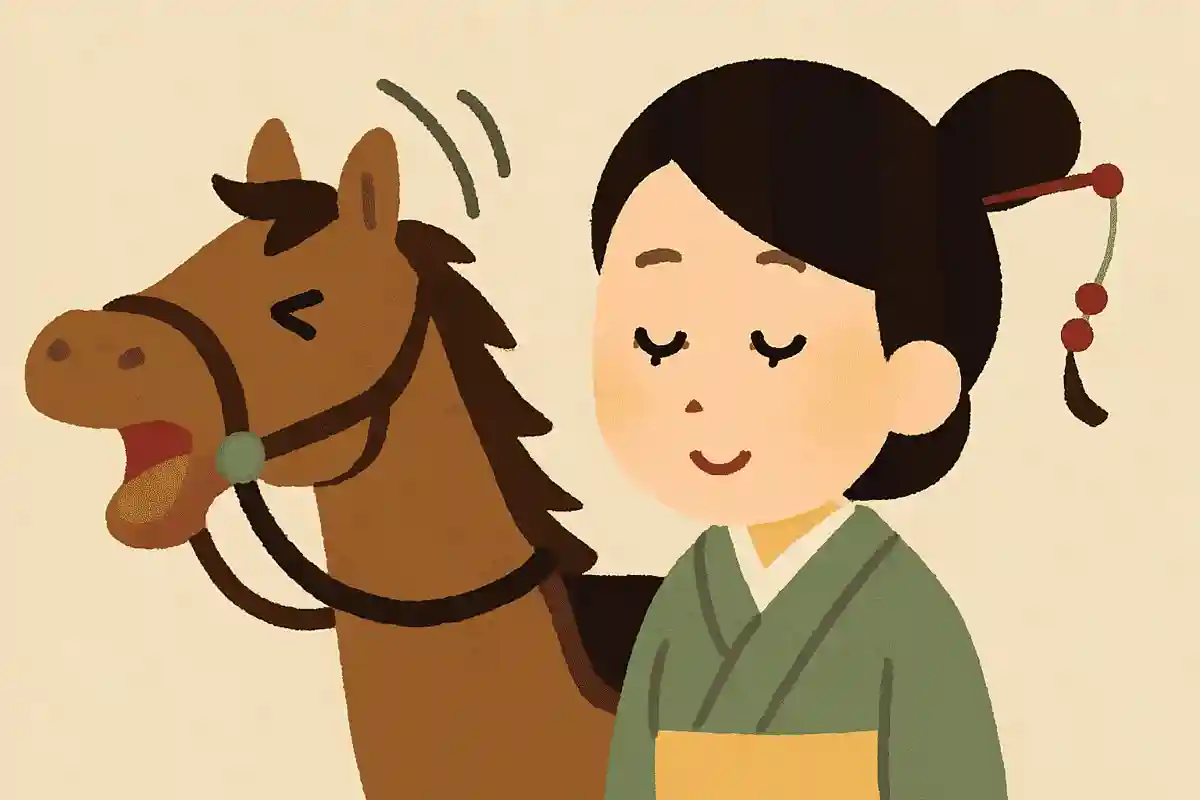
It’s a senryu that depicts feeling a horse’s neigh with the body, the vibration making a hairpin sway.
From the fact that she’s wearing a hairpin, we sense the subject is a woman, and because she is adorned and moving along with the horse, it’s said to portray a bridal procession.
It also conveys the impression that the surroundings are so quiet that the horse’s neigh can be felt through the hairpin, imparting a solemn tension.
You can picture a unique atmosphere where, in the stillness, only a few sounds echo—the horse’s footsteps and neigh, and the faint jingle of the hairpin.
My prayers to a horse went unheard—lost trifecta
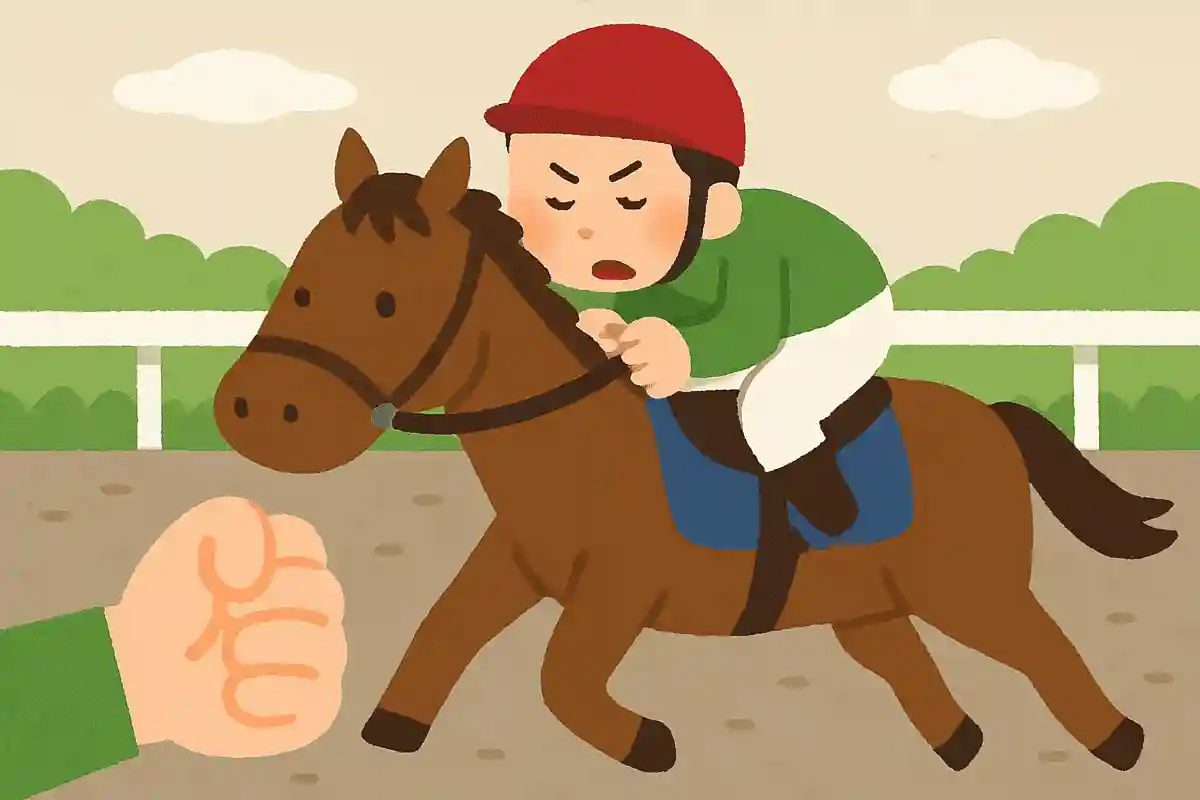
Horse racing is something where we watch the contest while deepening our feelings for the horses, believing in victory even as we entertain various distracting thoughts.
This senryu expresses the wish for the victory of the horse you’ve believed in, as well as the frustration when the race doesn’t unfold the way you imagined.
The mention of a trifecta is also a key point: because the potential return is so large, it conveys how strong the wish for victory becomes.
Beginning with the word “doesn’t get through,” the poem is portrayed in a regretful tone that also carries a touch of humor.
Cutting through the wind, a mane sways on a summer road.
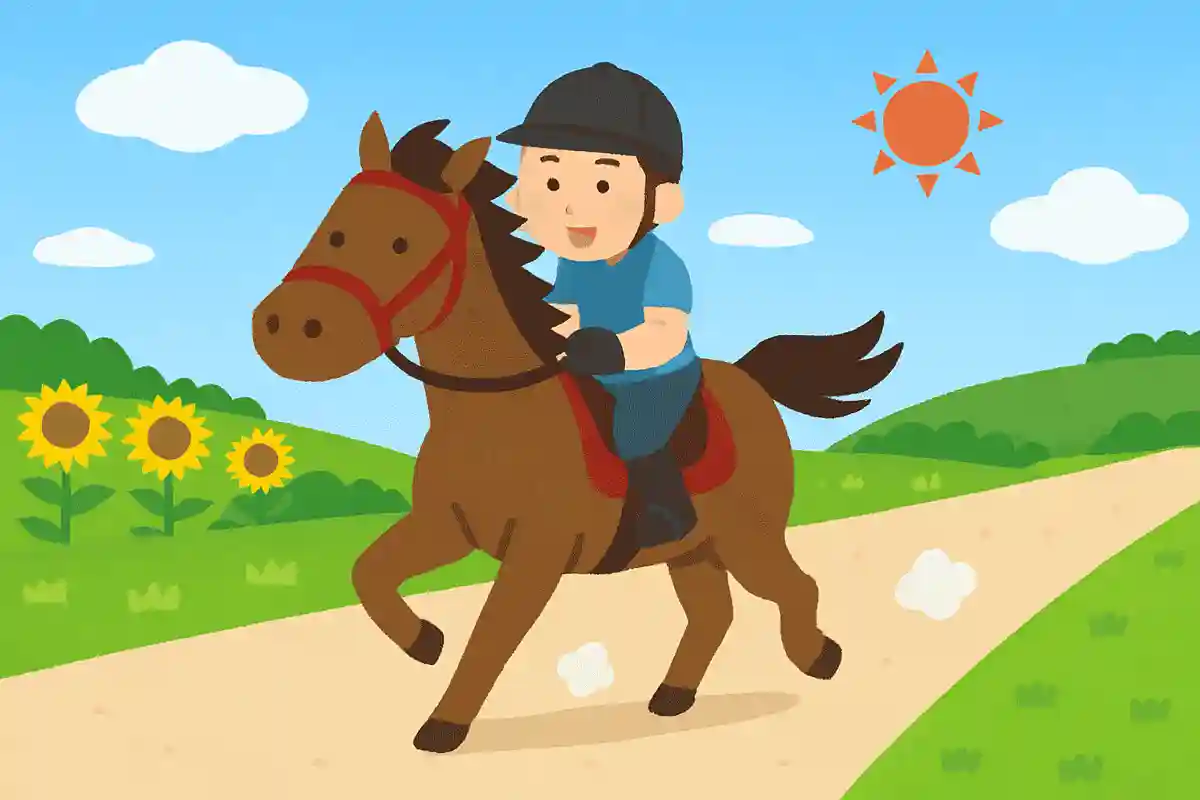
This senryu portrays a horse dashing through a summer landscape, conveying a straightforward sense of exhilaration.
The phrase “cutting through the wind” specifically communicates how fast the horse is running.
The image of its mane swaying suggests the rhythm of its pounding strides and a sense of dynamism as it charges ahead.
Although summer heat is the theme, the depiction of speed, slicing through the wind, evokes a refreshing coolness.
Horse-parasol—on the jockey’s back, summer clouds
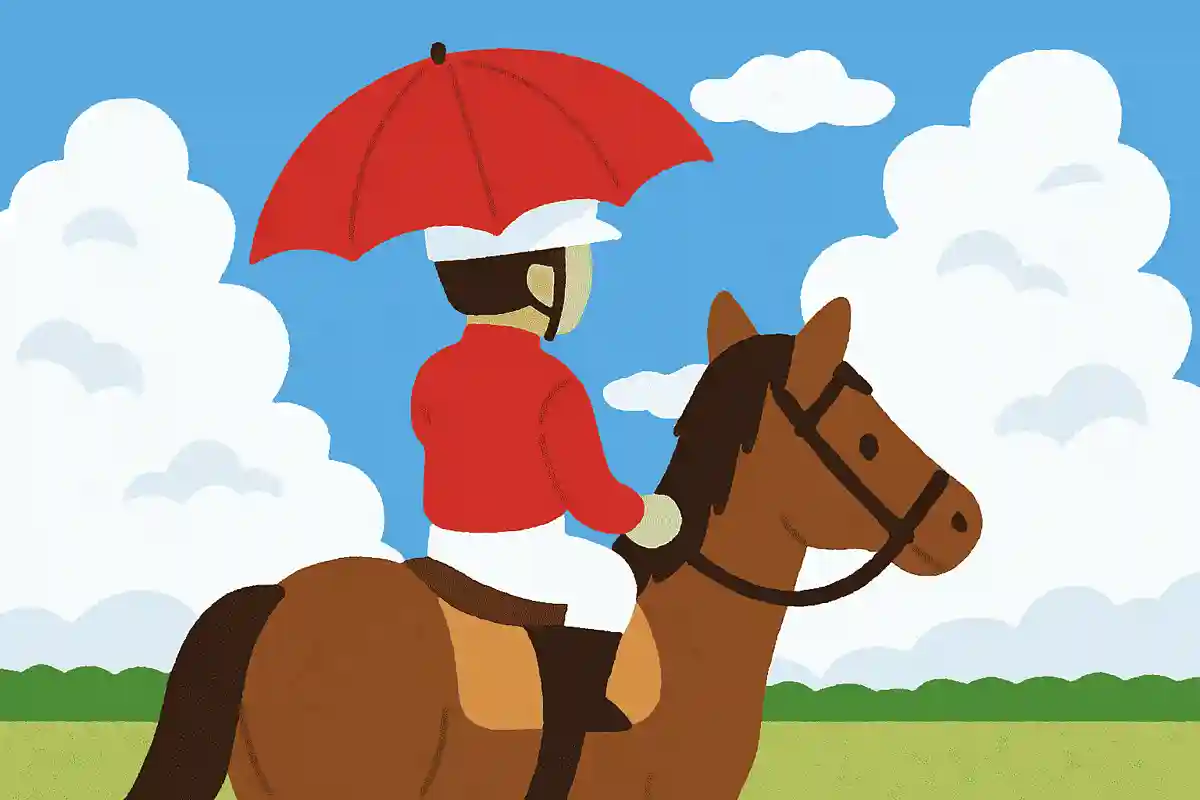
Summer is a harsh season for both racehorses and jockeys, and this senryu seems to depict their mutual support in such conditions.
It suggests that when a jockey leans forward on the horse’s back, that posture also serves like a sunshade for the horse.
Beyond the jockey’s back stretches a summer sky dotted with clouds, evoking a refreshing image of a clear summer day.
With the pairing of jockey and horse, it firmly conveys the atmosphere of summer racing, and it also seems to carry the exhilarating sense of speed.
In the sun a horse—horseshoes glinting on the cobblestones
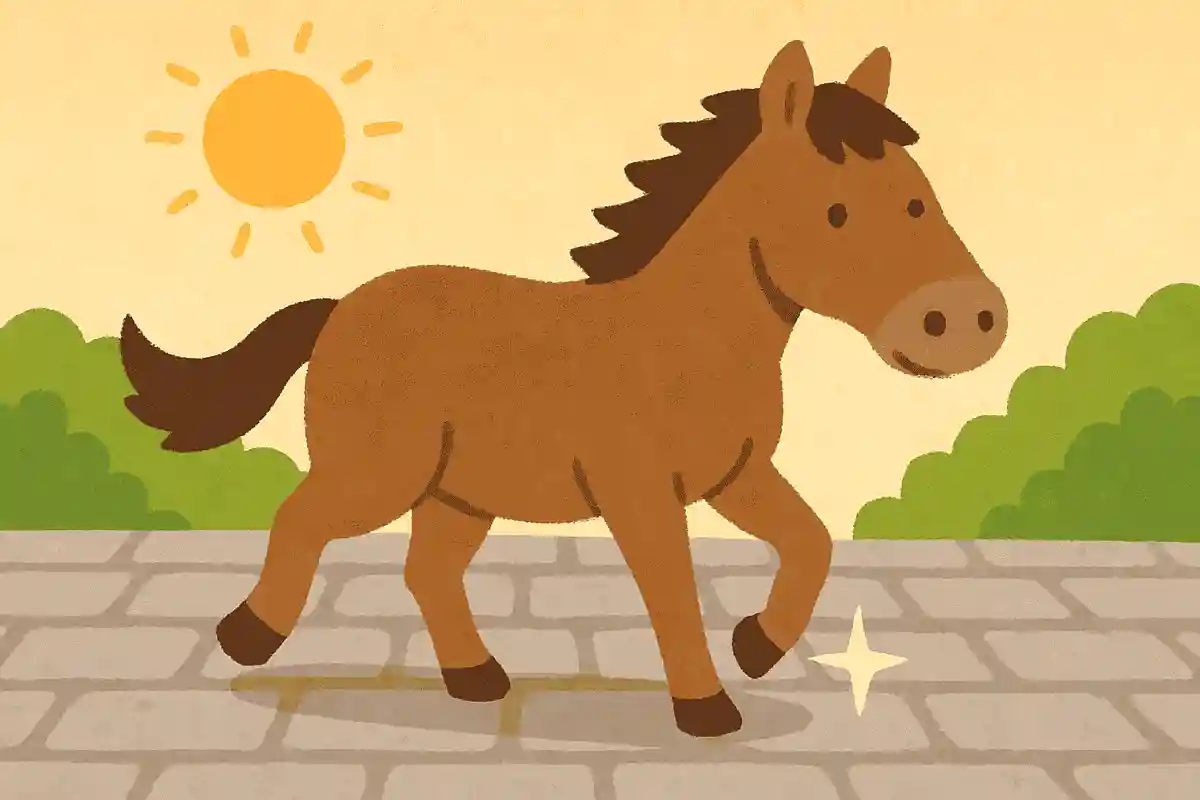
This senryu seems to express a bright scene and a sense of dynamic motion as a horse walks, evoked by sunlight reflecting off the horse’s horseshoes.
Not only is the horse bathed in sunlight, but the phrase “uma-bi” can also be read as referring to the New Year, which conveys a festive New Year’s event atmosphere.
The mention of the stone pavement following the shining horseshoes is another key point, suggesting a light, lively rhythm when the two overlap.
By making you imagine the rhythm of the horse’s steps, it gives the impression of positively emphasizing a vibrant energy.