

Let's enjoy haiku about horses! Introducing lively verses that capture the excitement of horseback riding and horse racing.

Let’s enjoy senryu about horses! When composed in the five-seven-five rhythm, the images of horses reveal many expressions—strength, elegance, and at times even humor.
Whether you’re a horse racing fan, someone who enjoys riding or simply loves horses, or someone interested in senryu, you’re sure to find pieces that resonate with you.
You might find yourself nodding in agreement or chuckling at the affection for horses and keen observations packed into such short lines.
Do try to find a favorite verse!
- [For Seniors] Chuckle-Worthy Silver Senryu: Tips for Writing Them Humorously and Example Verses
- [For Seniors] Horse Trivia Quiz: Have fun with surprising facts about their behavior and little-known tidbits
- [Hilarious] Salaryman Senryu That Make You Laugh Out Loud: A Full Showcase of Self-Deprecating and Funny Verses
- For Seniors: 2026 is the Year of the Horse! A clever, horse-themed line to add to your New Year’s card
- [Funny] Belly laughs? Wry smiles? Amusing Husband-and-Wife Senryu: A Collection of Classic Couple “Relatable” Moments
- [For Seniors] Interesting spring haiku: introducing verses with striking kigo and unique expressions
- [For Seniors] Next Year is the Year of the Horse! Handcraft a Heartfelt New Year’s Card with a Horse Motif
- [For seniors] Horse craft ideas: simple projects made with everyday materials
- [For Seniors] Interesting Four-Character Idioms: Introducing four-character idioms whose appearance, words, or meanings are uniquely entertaining
- [For Seniors] Haiku Introductions for May: A Fun Recreation Activity
- [For Seniors] Haiku for March: Enjoying a Spring Moment with Famous Verses
- [For Seniors] Boost Oral Function with Tongue Twisters! Recommended Picks to Try
- Interesting Omikuji Message Ideas for Seniors
Let’s enjoy horse-themed senryu! Here are evocative verses brimming with the excitement of horseback riding and horse racing (1–10)
A horse at dusk—its silhouette standing still on the grassland
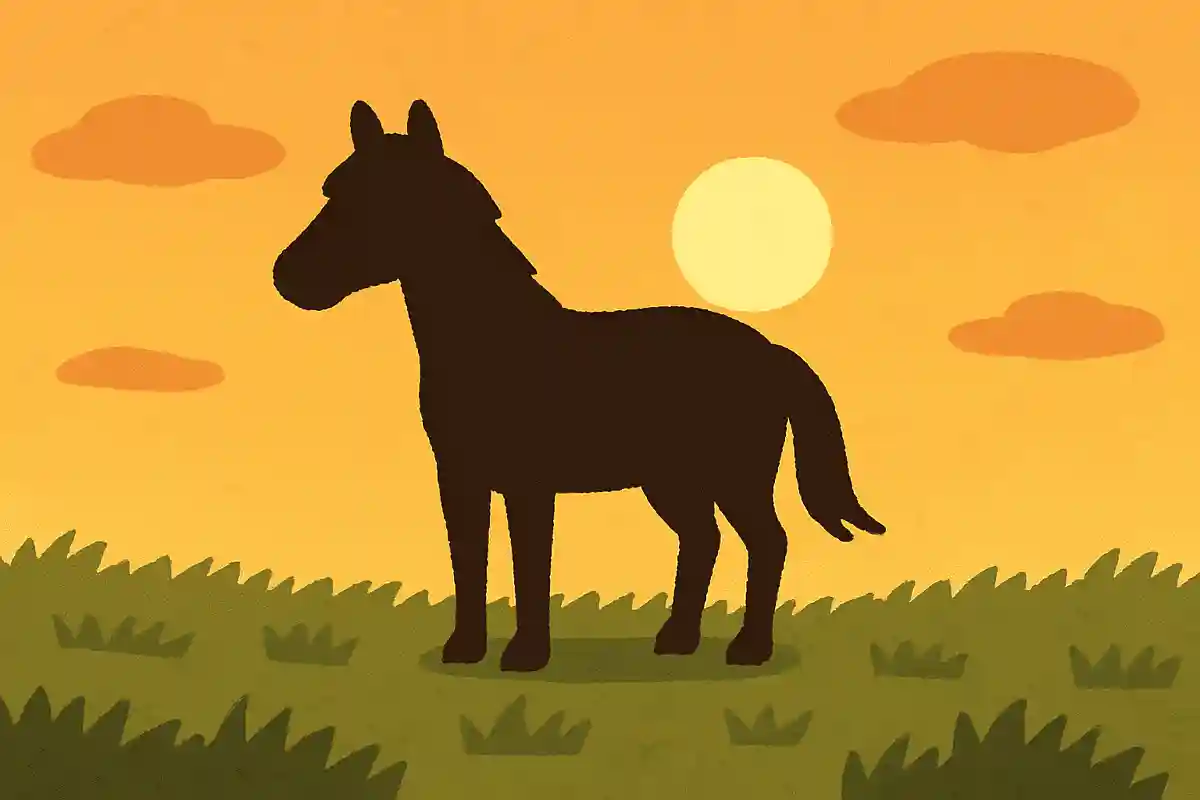
This haiku/senryu expresses a calm landscape, intertwining the unique brightness of dusk with the seasonal word “mabi,” which signifies the New Year.
Focusing on mabi evokes the sense of time passing as the year begins; separating “horse” and “sunset,” one can imagine a horse standing still at dusk.
The use of “silhouette” suggests that the shadow is clearly visible, conjuring the strong light of the setting sun and conveying the day’s end with certainty.
And from the part where the shadow falls across the grassland, we get an impression of a wide-open view and a refreshing atmosphere.

Sun on a horse; hooves ring high; spring breeze.
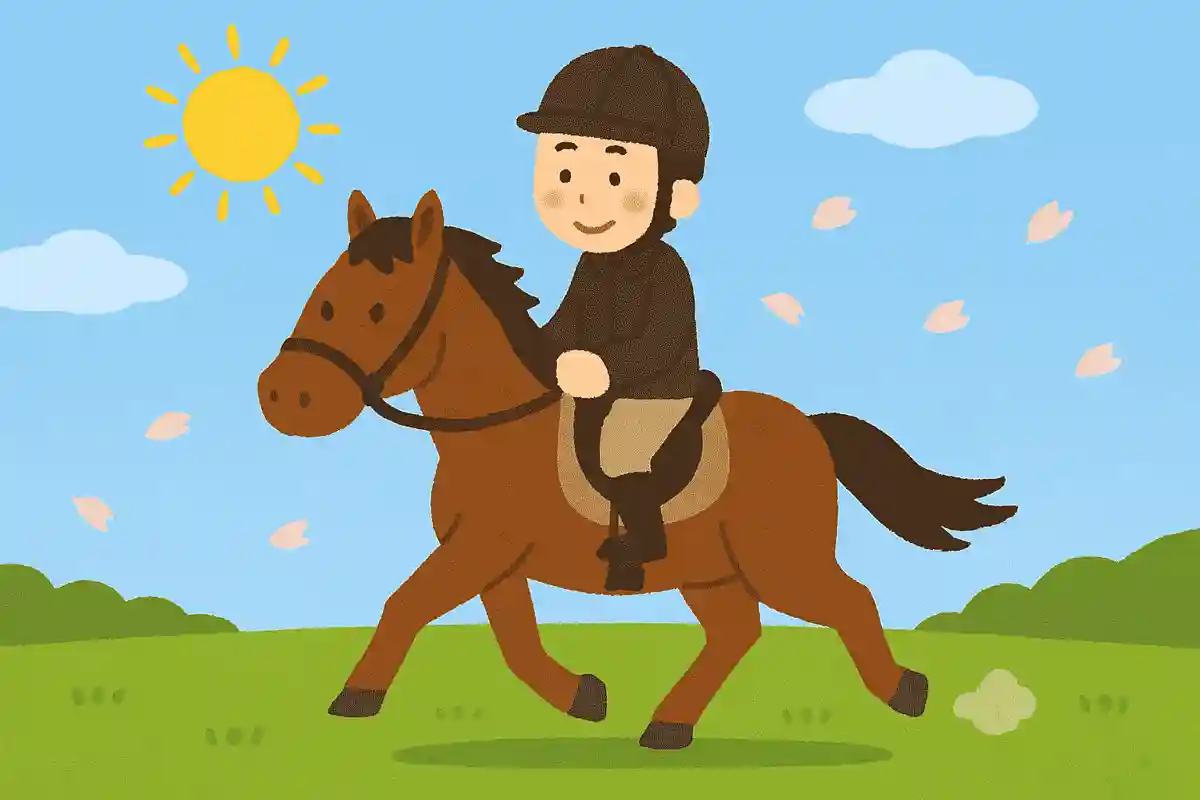
This senryu depicts a horse lightly galloping under the shining sun, conveying a refreshing atmosphere.
The word “scorching sun” might suggest heat, but in combination with what follows, it reads as a warm, gentle sunlight.
The phrase about the hoofbeats resounding clearly is also important: it lets you feel the rhythm of the horse walking or running, and from that rhythm you can picture the horse’s joyful figure.
It captures the warm spring sunlight, the crisp breeze, and the uplifted mood they bring.
Horse in shade — the tip of its swaying tail, a gentle breeze
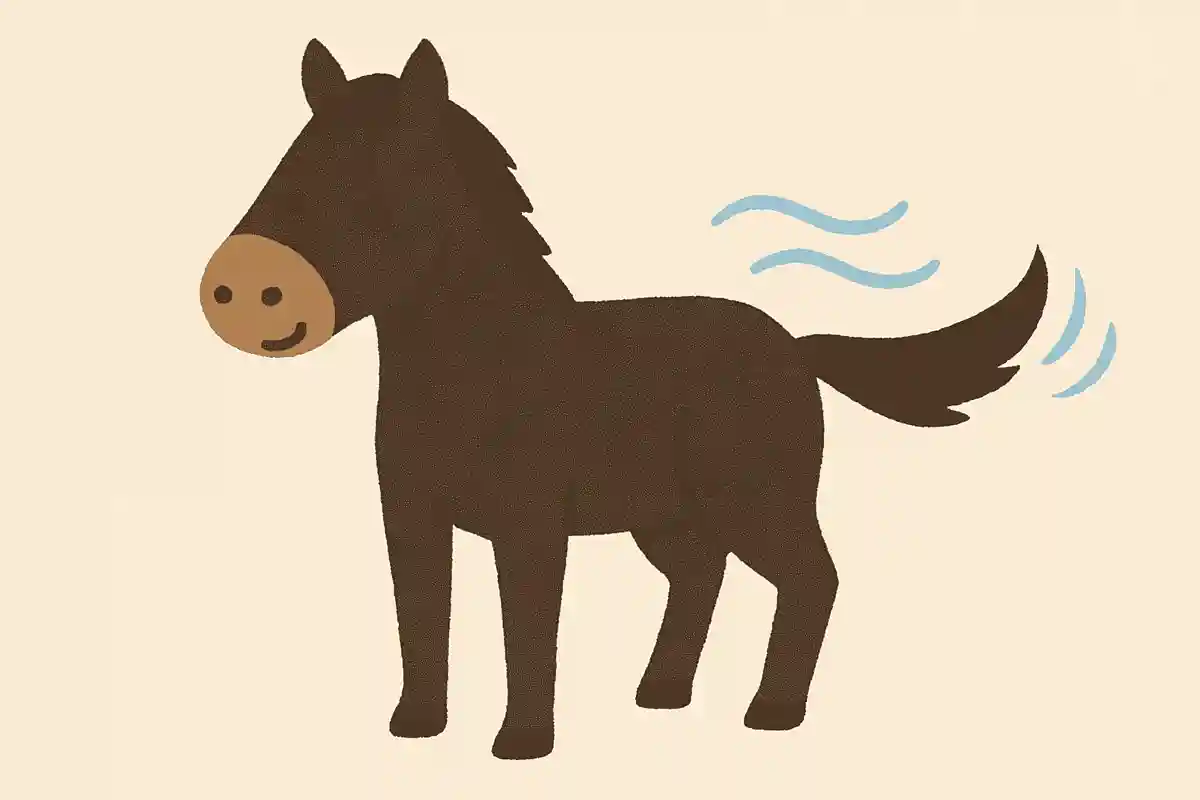
It’s a senryu that depicts a horse relaxing in the shade and, through the movement of its body, conveys the atmosphere of the scene.
The key is the image of the horse’s tail swaying in the wind, which suggests a breeze that isn’t too strong—gentle and mild.
The fact that the horse accepts it without displeasure further emphasizes the sense of relaxation, evoking a refreshing wind.
The pleasant depiction of shade and breeze also brings to mind the warm season from spring to autumn.
Enjoy senryu about horses! Presenting vivid verses on horseback riding and horse racing (11–20)
A horse in shade, bathing in sun-dappled light—a place of rest.

Using the seasonal word Uma-bi, which signifies the New Year, this haiku/senryu depicts the gentle scenery of that time.
You can sense the soft light filtering through the gaps in the trees and the feeling of relaxation there.
Whether it means the shadow of Uma-bi or that a horse is in the shade evokes the image of a resting horse.
Although the New Year season is often quite cold, the expression of resting in dappled sunlight conveys a sense of warmth, which is an important point.
A horse’s day — loosening the reins, we ride over the hills
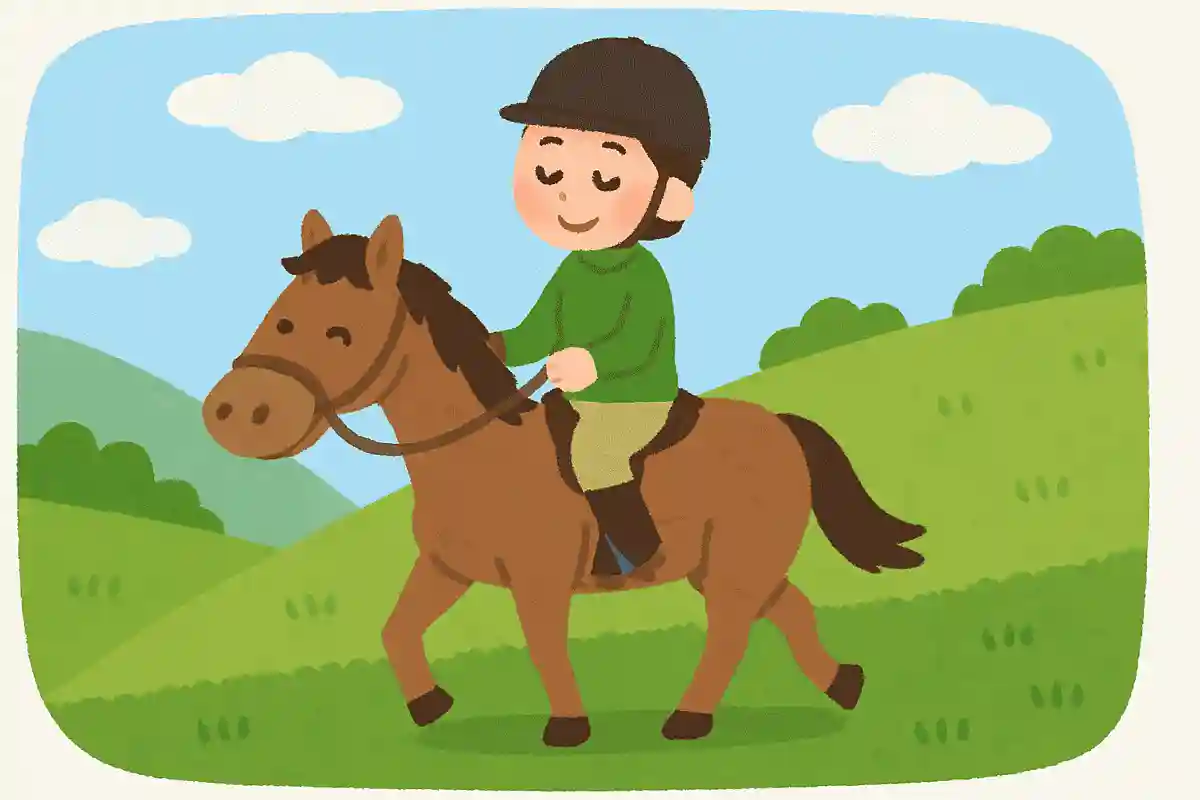
This is a senryu that conveys a calm mood, depicting a slow ascent toward a hill together with a horse.
The phrase “uma-biyori” (a perfect day for horses) is striking, and the combination of the characters evokes a warm impression.
The mention of loosening the reins suggests easing the horse’s burden and a trust that it will still be fine, which reinforces the overall relaxed atmosphere.
Within this gentle mood, the poem evokes walking up the hill, a sense of expanding scenery, and refreshing air.
A horse and a wife I can never quite handle
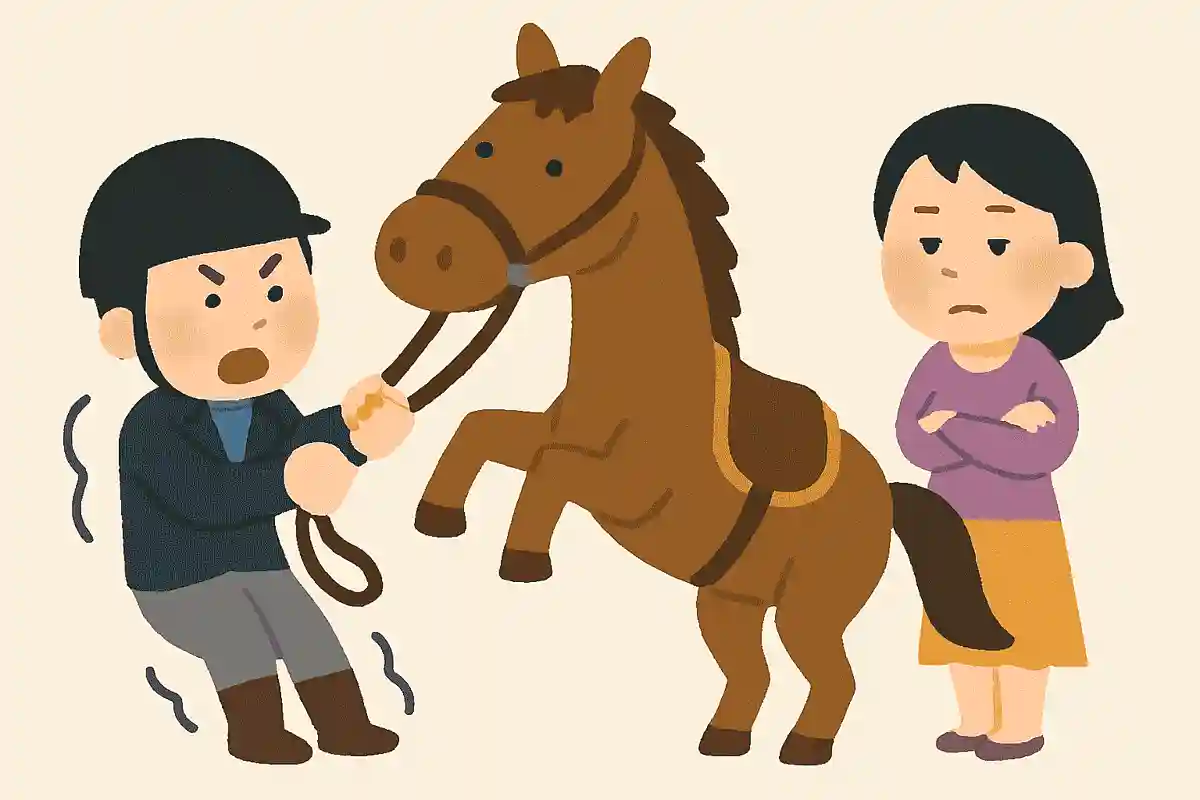
It’s a senryu that vividly evokes someone’s anguish, overlaying the difficulty of handling a horse with the challenges of a marital relationship.
Horses, after all, can be timid or hot-tempered.
Likewise, there are times when a wife may be in poor health or a bad mood.
Sensing that and responding accordingly isn’t easy, but if you observe the other person carefully and listen, I think the right course of action will naturally become clear.
And if things still don’t go well despite your efforts, it might be worth changing the direction of your efforts or trying a different approach.

In the Year of the Horse, I ride a workhorse carriage, and things go smoothly.
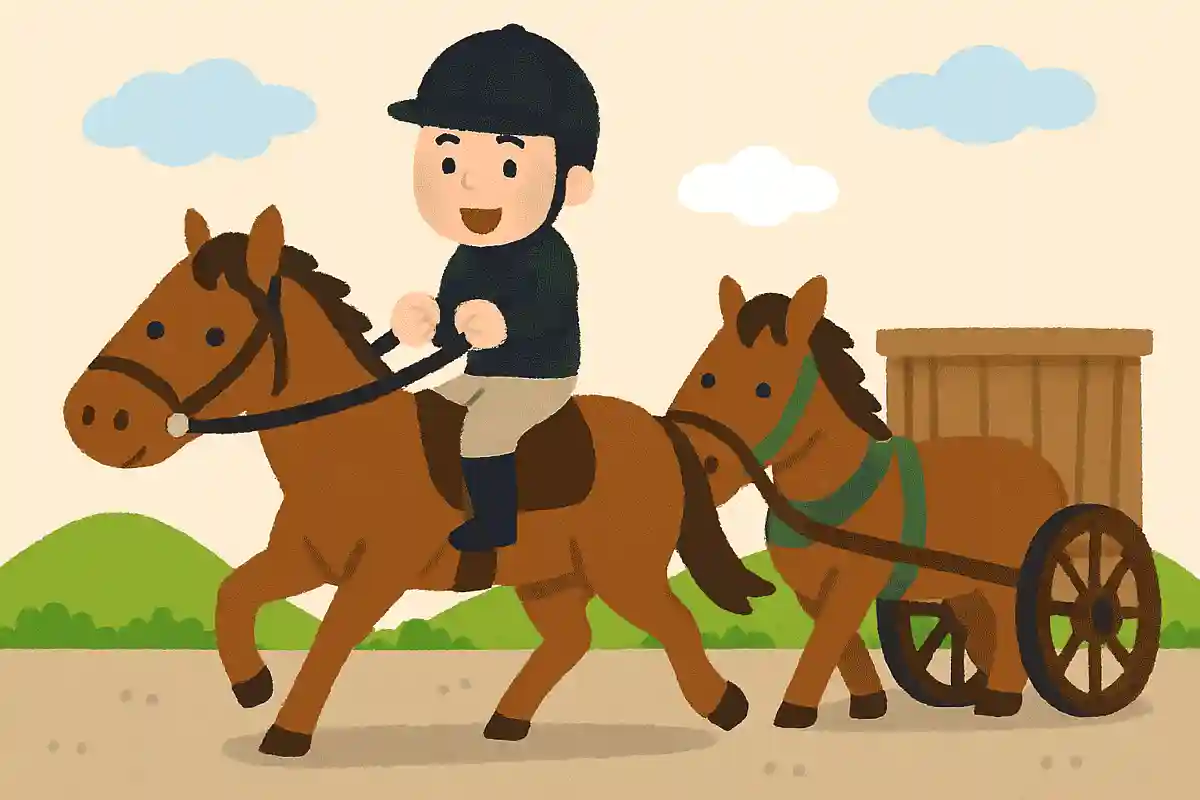
It made me chuckle like a pun.
A “bashouma” is a horse whose eyes are covered so it can pull a carriage, and by extension it came to mean doing something single-mindedly without looking to the side.
Since it’s the Year of the Horse, does it mean that things will go well if you keep your eyes straight ahead like a horse? Or is it describing someone who’s been working like a carriage horse since the start of the year and getting results? In any case, it’s surprising that the word “uma” appears four times in this short sentence!