

![[For Seniors] Haiku for September: Introducing Verses Perfect for Autumn](https://media.ragnet.co.jp/img/1200__png__https://www.ragnet.co.jp/files/2025/06/d56bd2270ef4c10b05d57fc3c3d6ced2.webp)
[For Seniors] Haiku for September: Introducing Verses Perfect for Autumn

In September, after enduring the intense heat, we begin to feel the subtle signs of autumn.
When you think of September, what comes to mind? Many people might mention moon viewing or autumn wildflowers.
In the world of haiku, September is classified as “mid-autumn,” and there are many seasonal words associated with this month.
Here are some famous verses that use seasonal words unique to September.
Haiku that evoke the beautiful scenes of autumn can calm the hearts of older adults and help them enjoy a peaceful time.
It could also be nice to try composing a haiku using your favorite seasonal word.
[For Seniors] Haiku for September: A selection of verses perfect for autumn (1–10)
On the hill behind, a lone wayside hut—kudzu flowers.Kishu Nomura
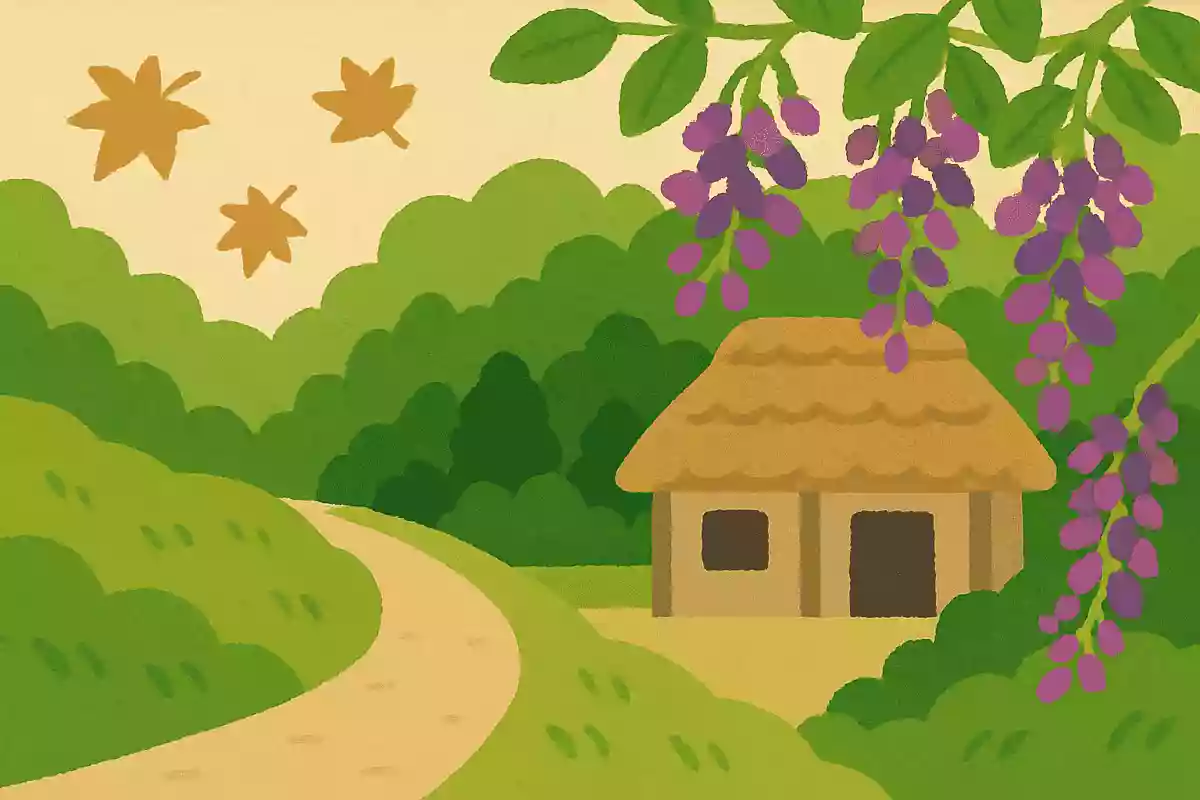
Kudzu flowers can be seen almost anywhere, from the mountains to the seaside.
Even people who aren’t very familiar with wildflowers will often say, “Oh, you mean this flower,” when they see it.
In Japan, kudzu is familiar to many: it’s used as the source of kudzu starch, as an ingredient in traditional Chinese medicine, and it’s counted among the Seven Flowers of Autumn.
There’s a path I always take behind the mountain, and when the kudzu starts to bloom there, I feel, “Ah, autumn has come,” sensing the season in everyday life.
The author, Kishu, is a haiku poet who studied under Matsune Toyojo, a disciple of Natsume Soseki.
Unexpectedly, listening to koto in the rain—moon viewing.Chiyojo of Kaga
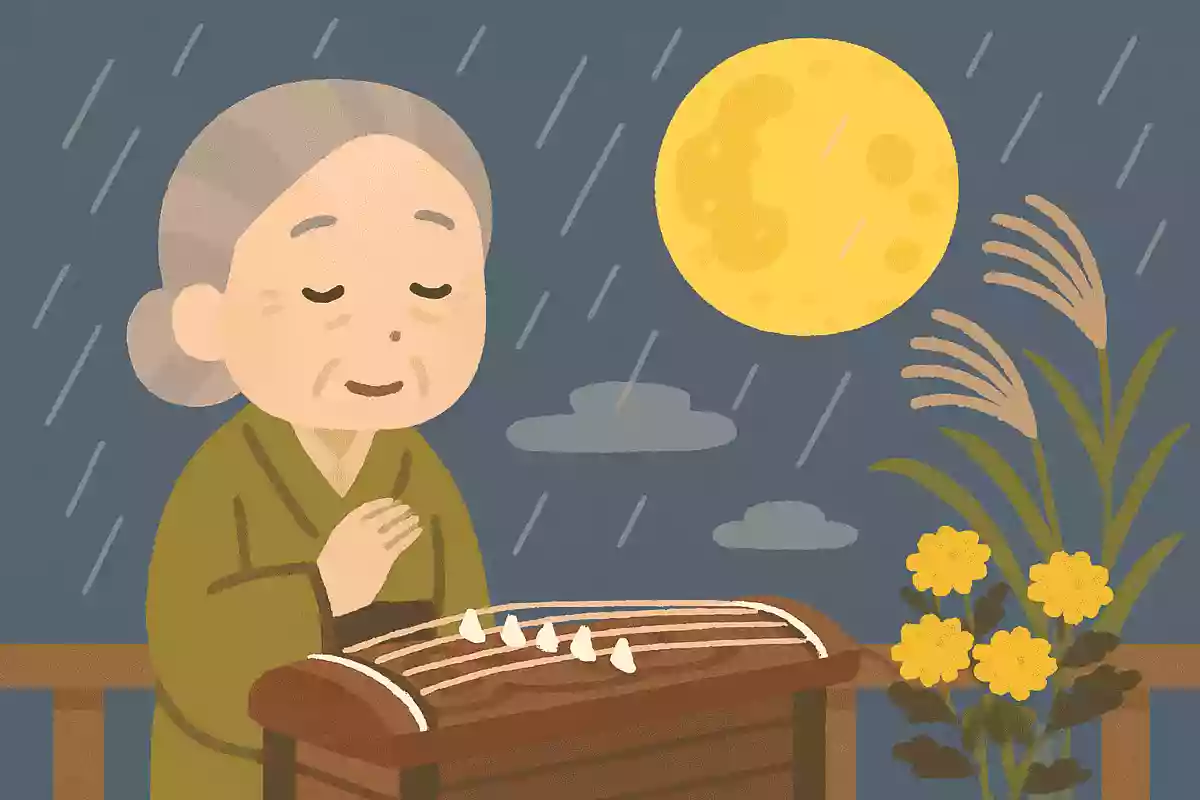
Chiyojo of Kaga held a deep love for nature and expressed that love through haiku.
She wrote many haiku about morning glories, and those featuring them are among her representative works.
Here is her autumn haiku: “Unexpectedly— as rain listens to the koto, a moon-viewing night.” There’s a phrase, “the long rains of autumn,” and this depicts the night of the harvest moon while it’s raining.
It seems to describe a fortunate coincidence: although the rain kept the moon hidden, once someone began to play the koto, the moon appeared.
Seniors, too, might recall happy events that happened one after another, or surprising moments, and try composing a haiku about them.

If you raise your neck out of the hot spring, there are wild chrysanthemums.Soseki Natsume

Natsume Soseki is one of the great masters of modern Japanese literature.
Many older people—and indeed many others—are probably familiar with his works.
Although he published numerous famous pieces, his path into literature is said to have begun with haiku.
While writing novels, he composed more than 2,500 haiku.
A fan of rakugo comic storytelling, Soseki’s haiku are characterized by witty wordplay.
One of the charms of haiku is how it allows your individuality to shine.
For a September haiku, why not try composing one inspired by Soseki’s “From the hot-spring tub / if I raise my neck to its length— / wild chrysanthemums,” which incorporates nogiku (wild chrysanthemums), an autumn seasonal word?
This world is a dewy world, a world of dew—yet, even so…Kobayashi Issa
We’d like to introduce some autumn-recommended haiku by Kobayashi Issa, a haiku poet active during the Edo period.
One of autumn’s seasonal words is “dew.” Although dew forms throughout the year, it is said to occur more frequently in autumn.
“This dewdrop world—/ a dewdrop world it is, and yet, and yet—” is an autumn haiku composed by Kobayashi Issa.
It is said that he wrote this poem while thinking of his beloved daughter who had passed away.
With just a single word like “dew,” the world of haiku can express the depths of the heart.
Why not try composing a haiku using autumn seasonal words that conveys the feelings of older adults with rich life experience?
Moon viewing from the very end of the verandaSeison Yamaguchi
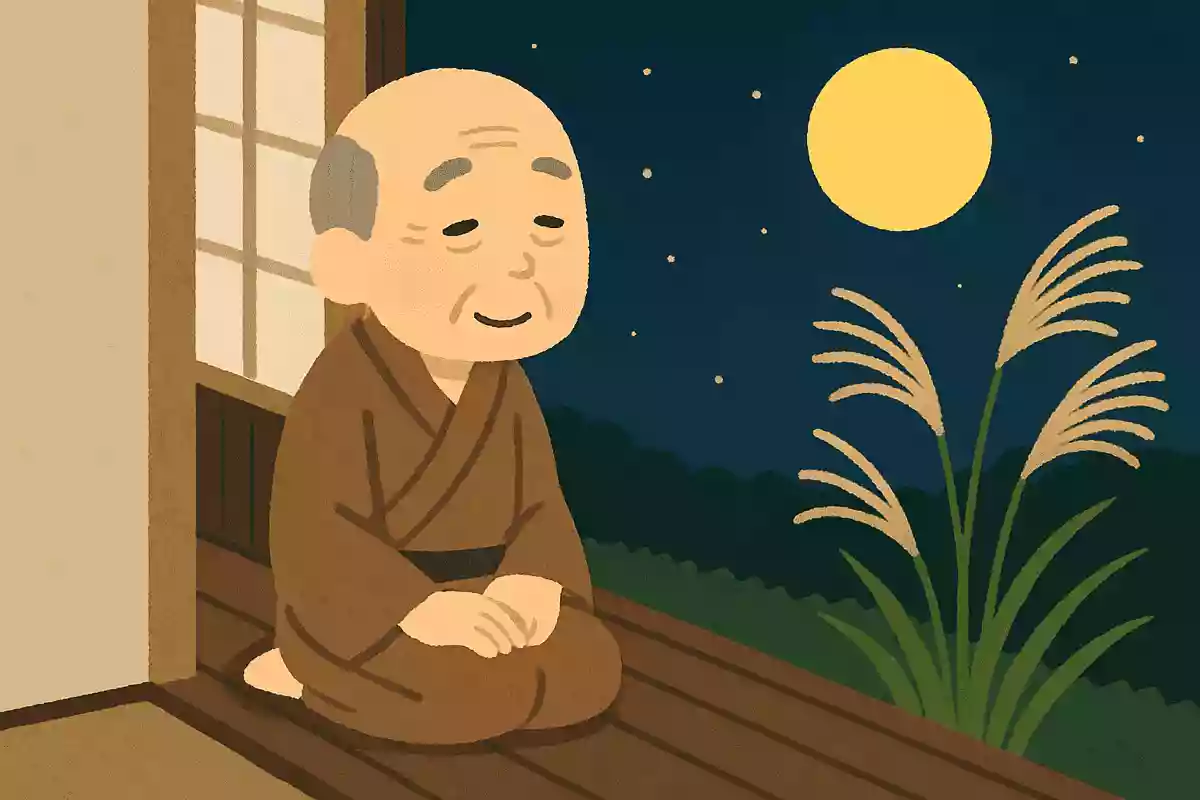
Allow me to introduce the haiku “On the veranda, at the very edge, moon viewing,” composed by Seison Yamaguchi, who also served as an honorary professor at the University of Tokyo.
Since it mentions moon viewing, it brings to mind the Mid-Autumn Moon in September.
You can picture someone at home, sitting at the very edge of the veranda, gazing at the moon from there.
For older adults as well, how about turning memories of moon viewing from your own childhood, or with your children or grandchildren, into a haiku? You might also recall making rice dumplings or going out to gather pampas grass.
As you compose haiku, it seems like a wonderful way to spark lively conversations about autumn days gone by.
The moon slips in from the veranda side—orchid blossoms.Ryoto Iwata
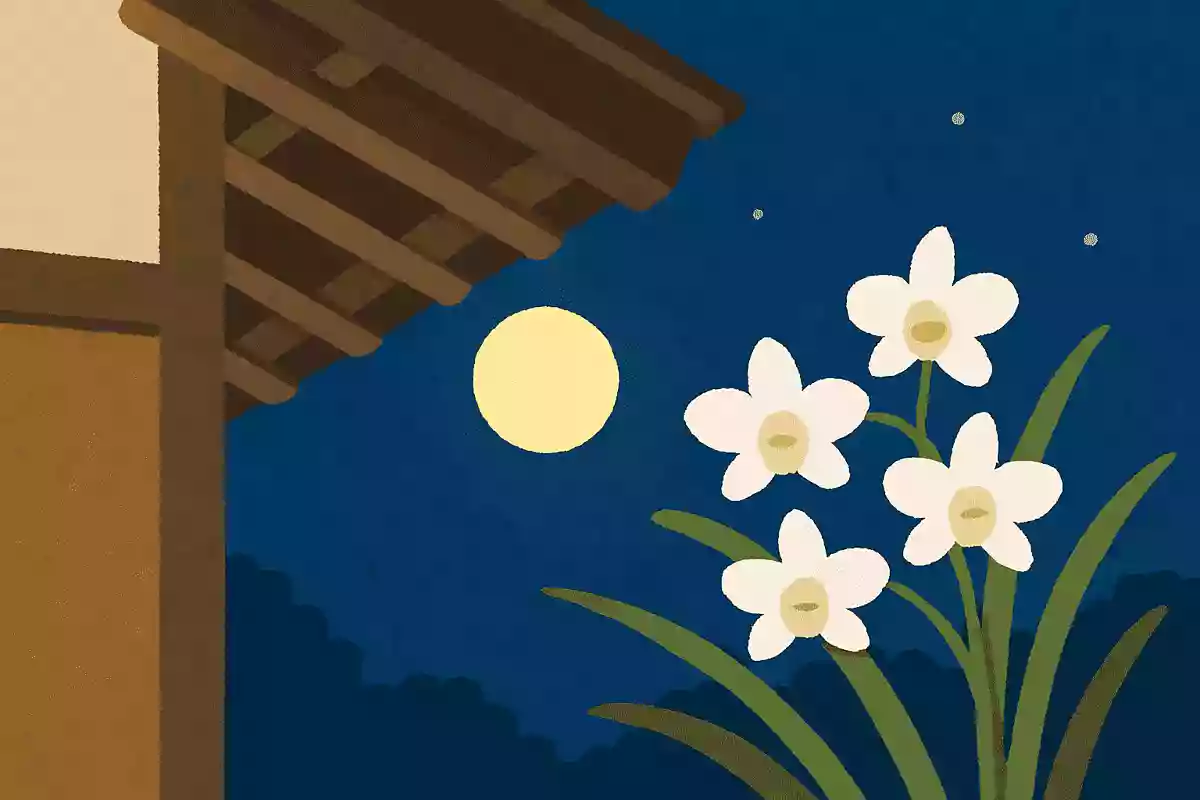
In the world of haiku, the orchid is considered a seasonal word for autumn.
Let me share a haiku that features orchids: “Engawa ni / sashi-iru tsuki ya / ran no hana.” It is said to depict a scene of moonlight streaming onto the veranda and orchids in full bloom.
The moon is often said to look its most beautiful in September, when the air is clear.
Speaking of September, there’s also the Mid-Autumn Moon Viewing, Jūgoya.
During this season of regular rainfall, the rain is said to wash dust from the air.
It’s a haiku that conjures up a beautiful autumn night bathed in moonlight.
Bright moon—circling the pond all through the nightMatsuo Bashō
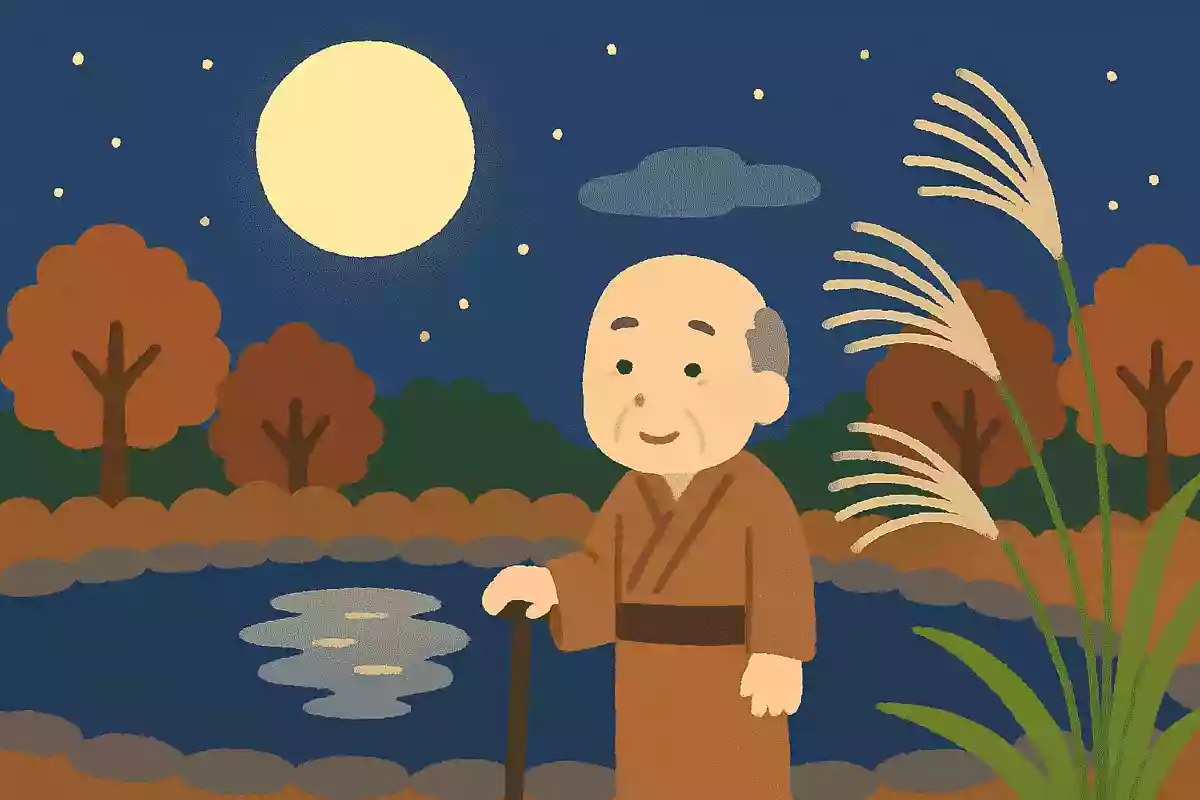
Matsuo Basho, a haiku poet of the early Edo period who laid the foundations of Japanese haiku and left many celebrated verses to posterity.
In this poem, he depicts an elegant scene of strolling around a pond on a beautiful moonlit night, spending the whole night gazing at the moon.
As the nighttime pond and moonlit sky come to mind, one can feel the richness of a heart devoted solely to appreciating the moon.
His verses are imbued with a calm openness to living in harmony with nature and a sensibility that perceives the beauty of autumn.
Passing a long autumn night quietly, bathed in the moon’s lovely light, soothes the soul.
