

[For Seniors] Haiku for September: Introducing Verses Perfect for Autumn

In September, after enduring the intense heat, we begin to feel the subtle signs of autumn.
When you think of September, what comes to mind? Many people might mention moon viewing or autumn wildflowers.
In the world of haiku, September is classified as “mid-autumn,” and there are many seasonal words associated with this month.
Here are some famous verses that use seasonal words unique to September.
Haiku that evoke the beautiful scenes of autumn can calm the hearts of older adults and help them enjoy a peaceful time.
It could also be nice to try composing a haiku using your favorite seasonal word.
- [For Seniors] A Collection of Famous Autumn Haiku: Introducing Beautiful Verses That Evoke Vivid Scenery
- [For Seniors] Evoking autumn scenes: Introducing beautiful haiku for October
- [For seniors] Classic autumn kigo: beautiful words that depict evocative scenesNEW!
- For Seniors: Famous Haiku of November — Introducing Verses Depicting Beautiful Autumn Scenery
- [For Seniors] September Song Special: Introducing Nostalgic Classics and Children’s Songs that Evoke Autumn
- [Elderly] Haiku with the theme of August: Introducing famous verses
- [For Seniors] Famous Haiku for December: Masterpieces Depicting Winter Scenes and Year-End Moments, Plus Tips on How to Compose Them
- [For Seniors] Enjoy September’s Autumn Fun! A Collection of Craft, Game, and Exercise Ideas
- [For Seniors] Enjoy Brain Training with September Trivia Quizzes & Fun Facts
- [For Seniors] Recommended September Origami to Feel the Autumn Season
- [For Seniors] Famous Haiku About January: Learn New Year Season Words and Tips for Composing
- [For Seniors] Summer kigo: A list of famous seasonal words to enjoy while savoring their elegance
- [For Seniors] June Haiku Showcase: Ideas to Feel Summer
[For Seniors] Haiku for September: A selection of verses perfect for autumn (1–10)
Even white dewdrops spill from the reeds—what a billowing swell.Matsuo Bashō
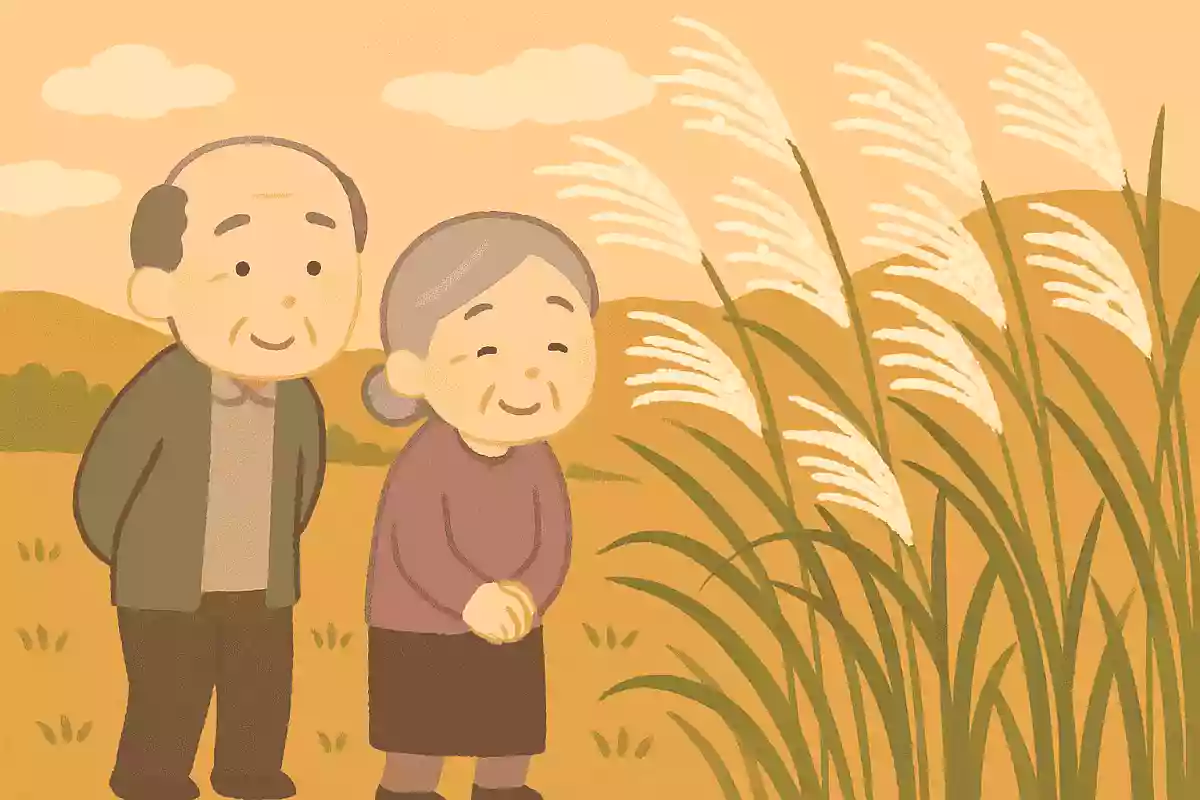
“Shiratsuyu mo kobosa nu Ogi no uneri kana” is a haiku composed by Matsuo Basho.
Both “white dew” and “bush clover” appear in the poem, and while both are autumn season words, the main subject here is bush clover; therefore the season word is considered to be bush clover.
The Japanese once used the term shiratsuyu (white dew) to describe the time of year when morning dew appears due to the temperature difference between day and night.
It is said to evoke the sight of dew glittering in the morning sun.
In the haiku, many dewdrops cling to the leaves of the bush clover; a gentle breeze causes the leaves to ripple, yet the bush clover seems to sway so as not to spill the dew.
It captures a moment that lets you feel autumn’s arrival.

Entering the snake’s den, the bell of the Other Shore tolls.Masaoka Shiki

Speaking of Ohigan, there are both the spring Ohigan and the autumn Ohigan.
Either can serve as a seasonal word in haiku, but in those cases people often add the character for spring or autumn, using forms like “spring Ohigan” or “autumn Ohigan.” This haiku also sings of Ohigan, but in fact its seasonal word is “snake entering its hole.” As the weather turns cold and hibernation begins, the snake goes into its burrow—the poem captures that scene.
A snake bustling into its hole; the bell of the autumn Ohigan resounding pleasantly—this is a haiku that lets you feel the deepening autumn with both eyes and ears.
It is one of the representative verses of Shiki, who is famous for his profile.
On a day of travel—how long the heat lasts—red spider liliesArō Usuda

You sometimes see red spider lilies blooming along rice fields and roadsides from summer into autumn, don’t you? I’d like to introduce a haiku by Asō Usuda that incorporates this autumn season word (kigo), higanbana (red spider lily): “On a day of travel— how long will this heat go on?— red spider lilies.” When this haiku was composed, the lilies were in bloom at a time when one could already sense autumn’s approach.
Perhaps, while traveling among the blooming lilies, he felt the heat and wondered, “How long will this heat last?” Even nowadays, we often have hot days continuing into autumn.
It might be nice to capture everyday moments of September in haiku together with older adults.
[For Seniors] Haiku for September: Introducing Perfect Verses for Autumn (11–20)
White dew—on every thorn of the briar, one by one.Yosa Buson
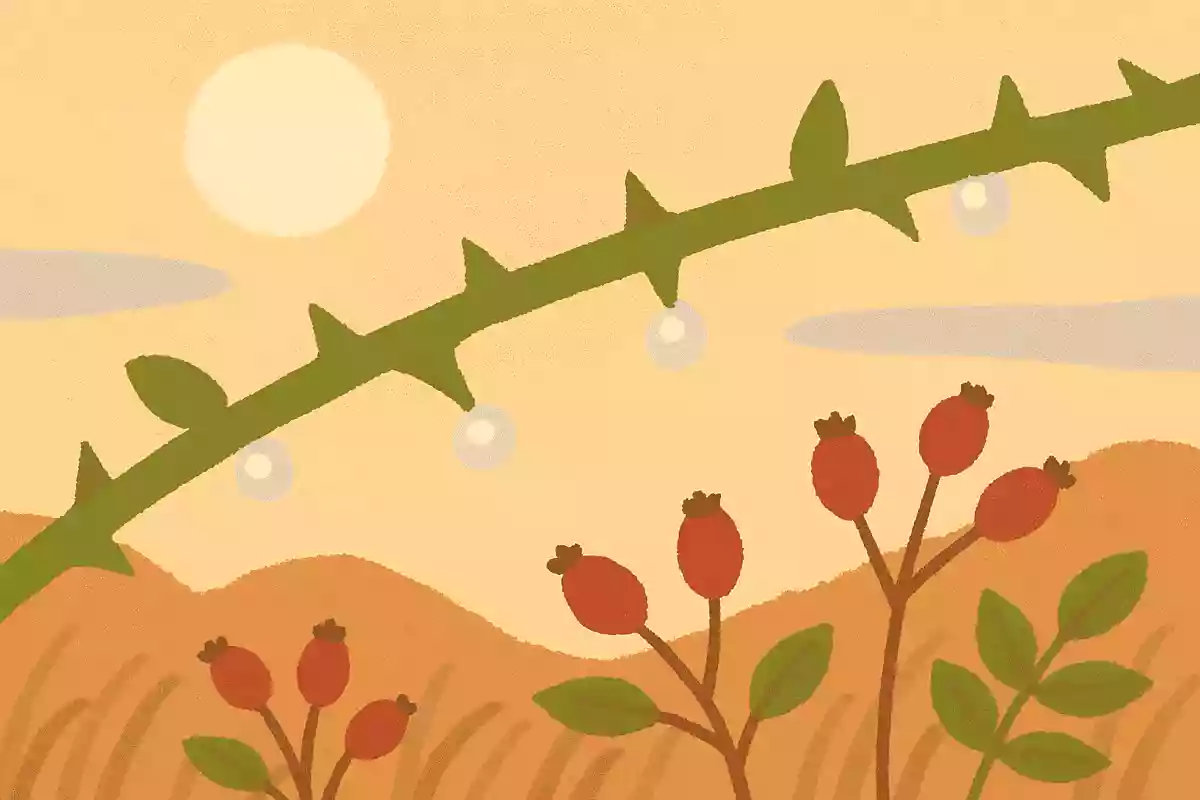
Yosa Buson, a haiku poet of the mid-Edo period who was also active as a painter, is known for haiku that depict scenes with painterly detail.
In this poem, he describes the white dew of an autumn morning resting, one by one, on the thorns of a briar.
The sight of tiny droplets gleaming on sharp thorns captures a quiet, beautiful moment woven by nature.
From the image of ephemeral, transparent dew clinging to the slightly rough presence of briar thorns, we sense the depth of nature, where severity and gentleness coexist.
Human life, too, is accompanied by hardship and suffering, yet this verse reminds us that moments of beauty exist even within them.

More than today, to whom shall I liken the autumn moon?Soseki Natsume
Natsume Sōseki, known as one of Japan’s foremost literary masters, also cherished haiku deeply.
In this verse, as he gazes up at the beautiful autumn moon, his feelings of longing for someone dear who is no longer there seem to seep into the moon itself.
The words suggest a sense that something will change from this day forward.
Alongside his intellectual rigor as a man of letters, the haiku reveals the loneliness and uncertainty that lie deep within his heart.
The crisp clarity of the autumn moon only heightens that solitude and melancholy.
In life, everyone knows the anxiety that accompanies turning points and transitions.
This verse quietly reflects life’s confusion and loneliness, leaving us with a memorable maxim.
A child cries, saying, “Please fetch me the bright moon.”Kobayashi Issa
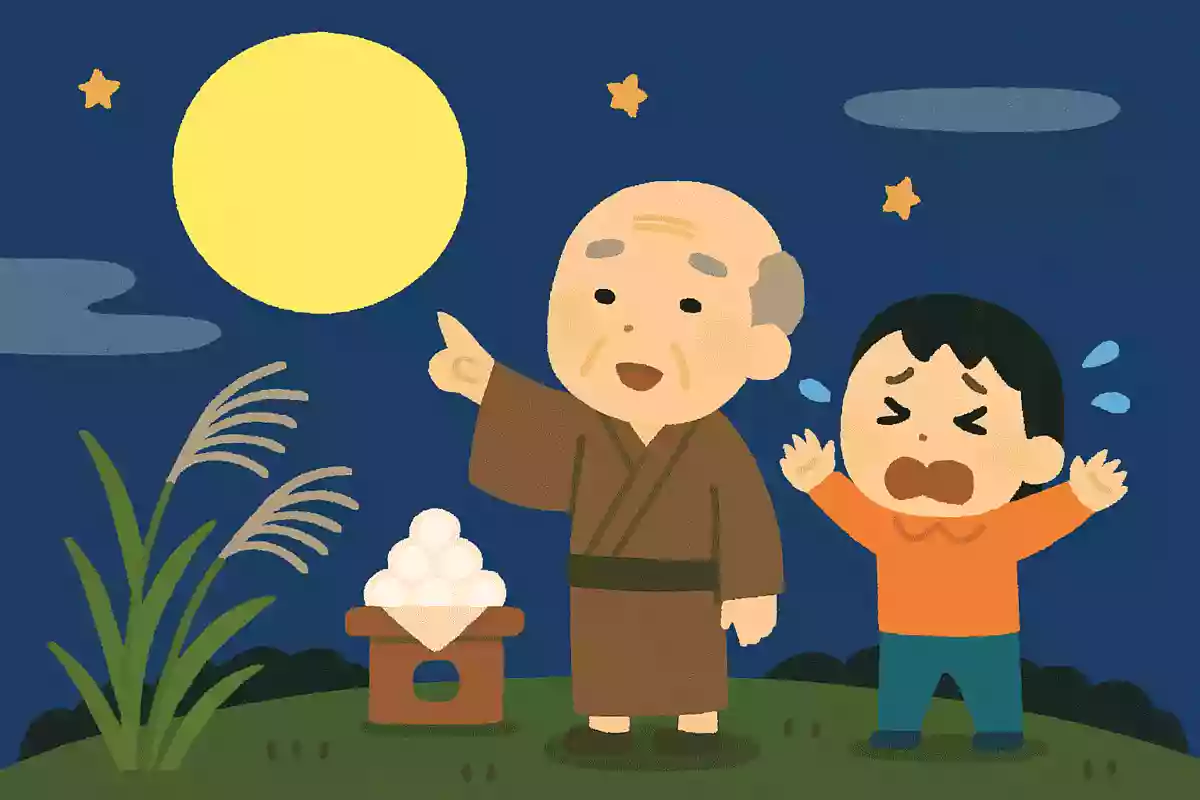
Kobayashi Issa, a haiku poet emblematic of the Edo period, is known for a style that centers on ordinary people’s lives and simple, humble living.
The scene of a crying child pleading to “take away tomorrow” overflows with innocent, wondrous imagination.
Perhaps the tears reflect anxiety or confusion about what tomorrow may bring.
Issa gently stands beside the child’s words and renders them with humor, capturing them lovingly in haiku.
The cry that rings out in the clear air carries a certain nostalgia and warmth—a haiku that draws close to the human heart.
Year of abundance— all sprawled out sleeping, sixty faces.Kobayashi Issa
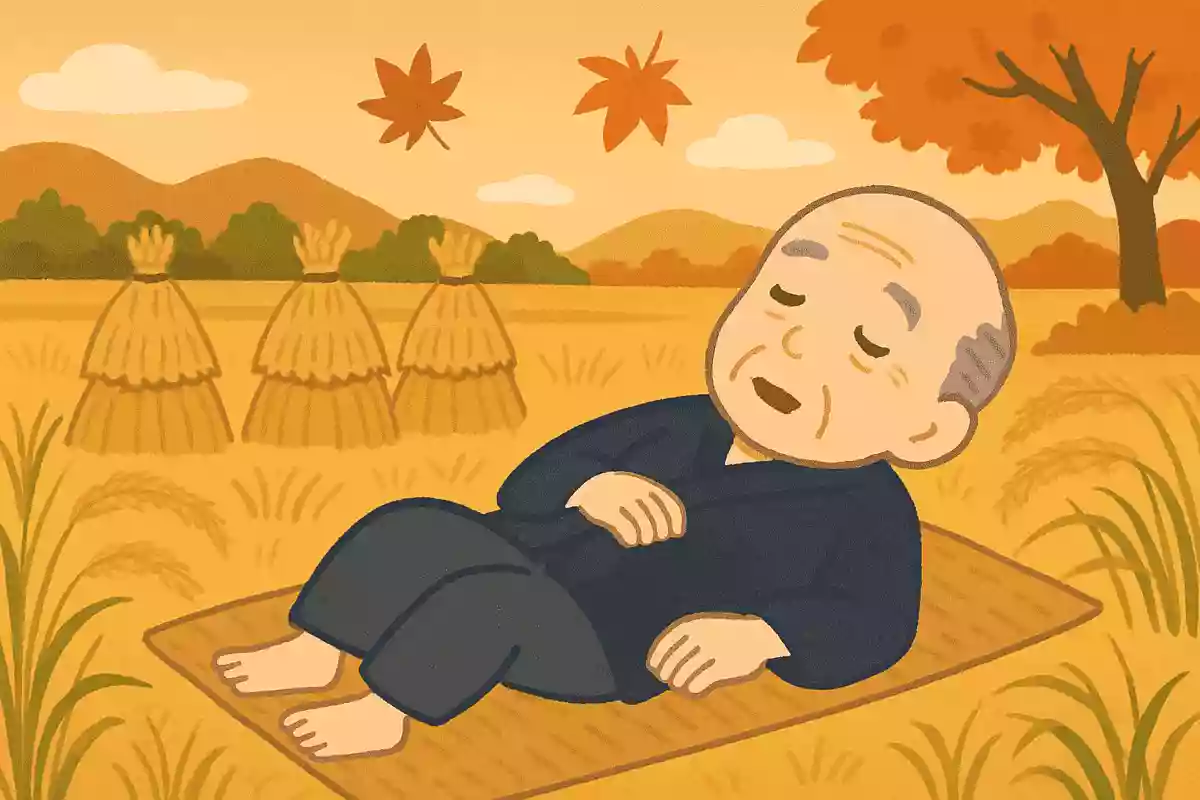
Alongside Matsuo Bashō and Yosa Buson, Kobayashi Issa is one of the leading haiku poets of the late Edo period, and he left many verses that draw on the everyday feelings of common people and familiar scenes.
In this poem, he depicts an autumn village celebrating a bountiful harvest, where elderly folks gather, lie back, and chat with one another.
You can picture those who have labored for many years finally relaxing with peace of mind as a fruitful year arrives.
The gentle moments that come amid the busy farming season evoke a sense of inner richness.
Even in old age, time spent laughing together with companions may be the greatest happiness of all.
Grateful for the abundant harvest, the poem conveys the joy of cherishing human connections and living with that spirit.