

[For Seniors] Haiku for September: Introducing Verses Perfect for Autumn

In September, after enduring the intense heat, we begin to feel the subtle signs of autumn.
When you think of September, what comes to mind? Many people might mention moon viewing or autumn wildflowers.
In the world of haiku, September is classified as “mid-autumn,” and there are many seasonal words associated with this month.
Here are some famous verses that use seasonal words unique to September.
Haiku that evoke the beautiful scenes of autumn can calm the hearts of older adults and help them enjoy a peaceful time.
It could also be nice to try composing a haiku using your favorite seasonal word.
- [For Seniors] A Collection of Famous Autumn Haiku: Introducing Beautiful Verses That Evoke Vivid Scenery
- [For Seniors] Evoking autumn scenes: Introducing beautiful haiku for October
- [For seniors] Classic autumn kigo: beautiful words that depict evocative scenesNEW!
- For Seniors: Famous Haiku of November — Introducing Verses Depicting Beautiful Autumn Scenery
- [For Seniors] September Song Special: Introducing Nostalgic Classics and Children’s Songs that Evoke Autumn
- [Elderly] Haiku with the theme of August: Introducing famous verses
- [For Seniors] Famous Haiku for December: Masterpieces Depicting Winter Scenes and Year-End Moments, Plus Tips on How to Compose Them
- [For Seniors] Enjoy September’s Autumn Fun! A Collection of Craft, Game, and Exercise Ideas
- [For Seniors] Enjoy Brain Training with September Trivia Quizzes & Fun Facts
- [For Seniors] Recommended September Origami to Feel the Autumn Season
- [For Seniors] Famous Haiku About January: Learn New Year Season Words and Tips for Composing
- [For Seniors] Summer kigo: A list of famous seasonal words to enjoy while savoring their elegance
- [For Seniors] June Haiku Showcase: Ideas to Feel Summer
[For Seniors] Haiku for September: Introducing Perfect Verses for Autumn (11–20)
The cosmos flower sways and comes to my lips.Ritsuko Hoshino
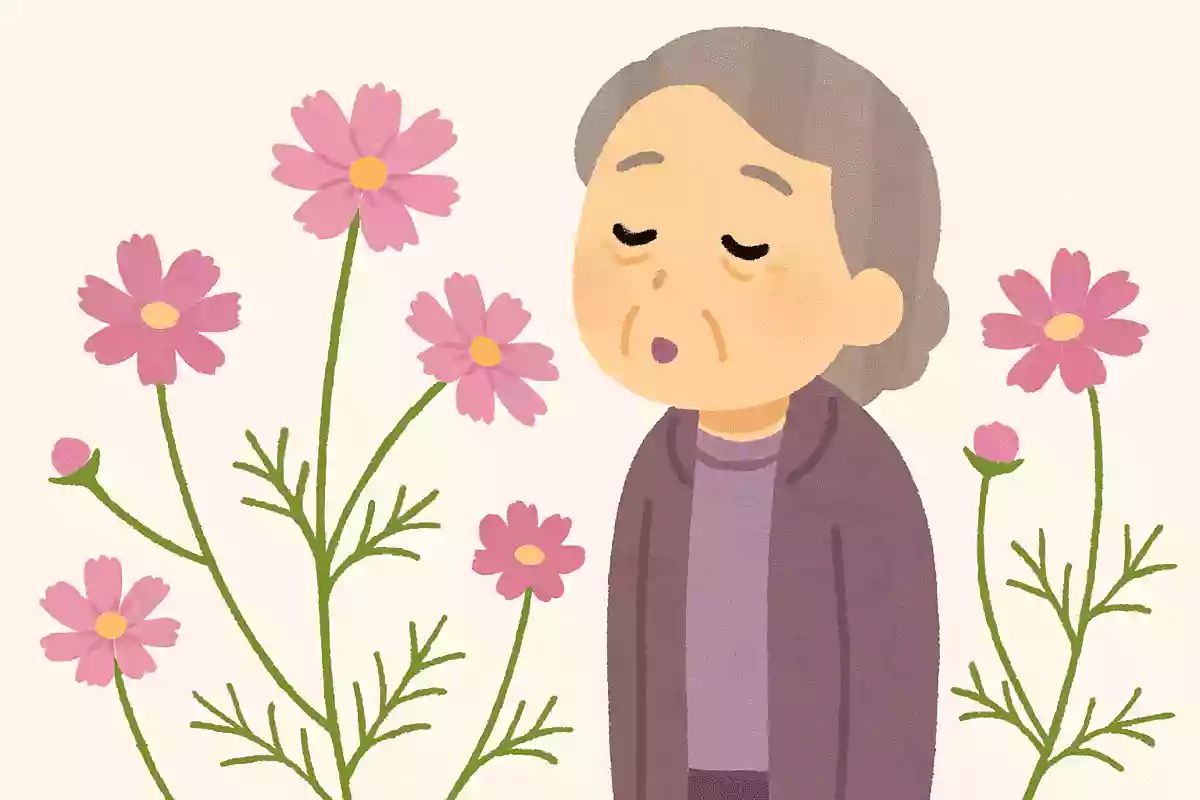
This is a haiku by Tatsuko Hoshino, who founded the women-led magazine Tamamo.
The poem captures the beauty of cosmos flowers that herald the arrival of autumn.
A blossom sways in the wind and softly brushes the lips—she renders that fleeting sensation with exquisite delicacy.
The scene conjures not only a visual image but also a tactile feeling, inviting us to savor the season’s transition with all five senses.
As one of the emblematic flowers of autumn, the cosmos carries a certain fragility.
Imagine strolling through a flower field on a clear autumn day; when a petal lightly grazes your face, a calming peace seems to enfold you.
It’s a beautiful verse that brings us closer to nature and makes the changing seasons feel intimate.

On this road, with no one passing by, autumn evening falls.Matsuo Bashō
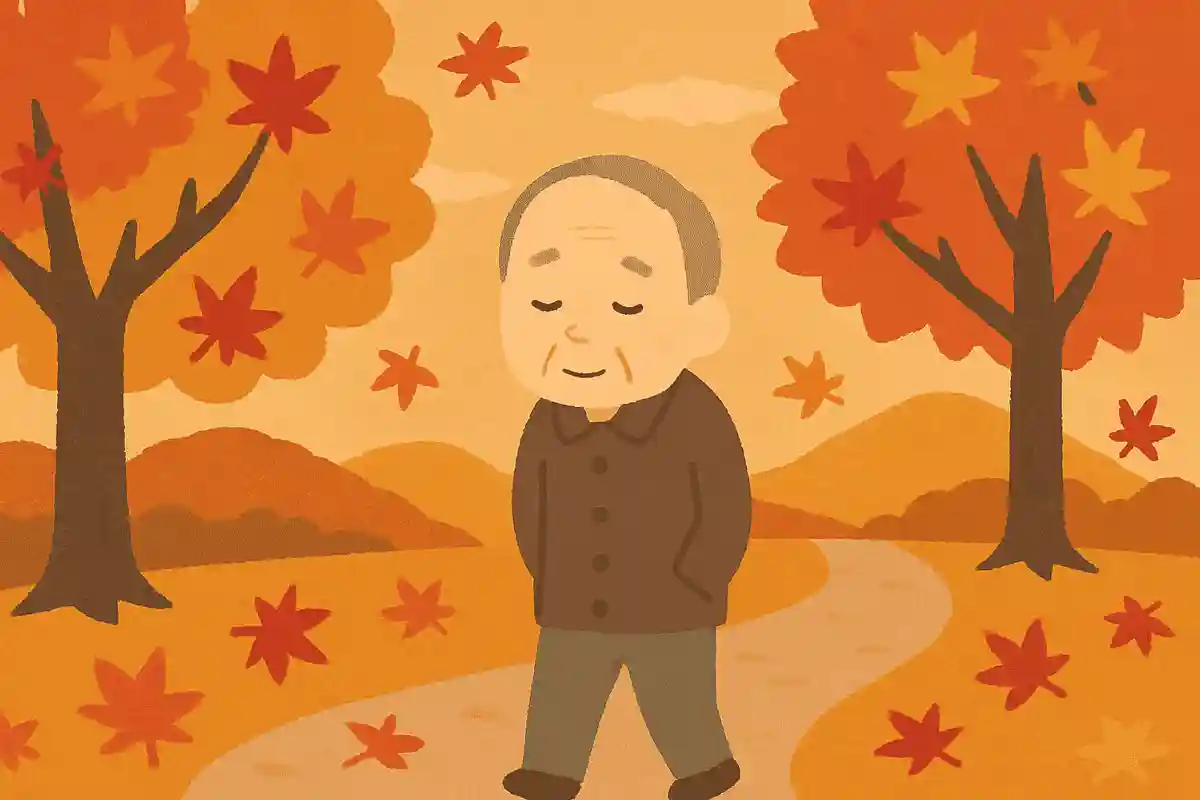
This is a haiku said to have been composed by Matsuo Bashō at the last poetry gathering he attended late in life.
It uses the seasonal word “aki no kure” (autumn’s dusk), which evokes the end of a season, and the preceding phrase “kono michi ya yuku hito nashi” (“on this road, no one passes”) also conveys a certain loneliness.
At the time, Bashō is said to have been troubled by power struggles among his disciples, and perhaps due to the strain, he passed away a few weeks after the gathering.
As he approached the end of his life, he may have felt the solitude of having no successor…

Mountains grow dim; on the fields at dusk, silver grass sways.Yosa Buson
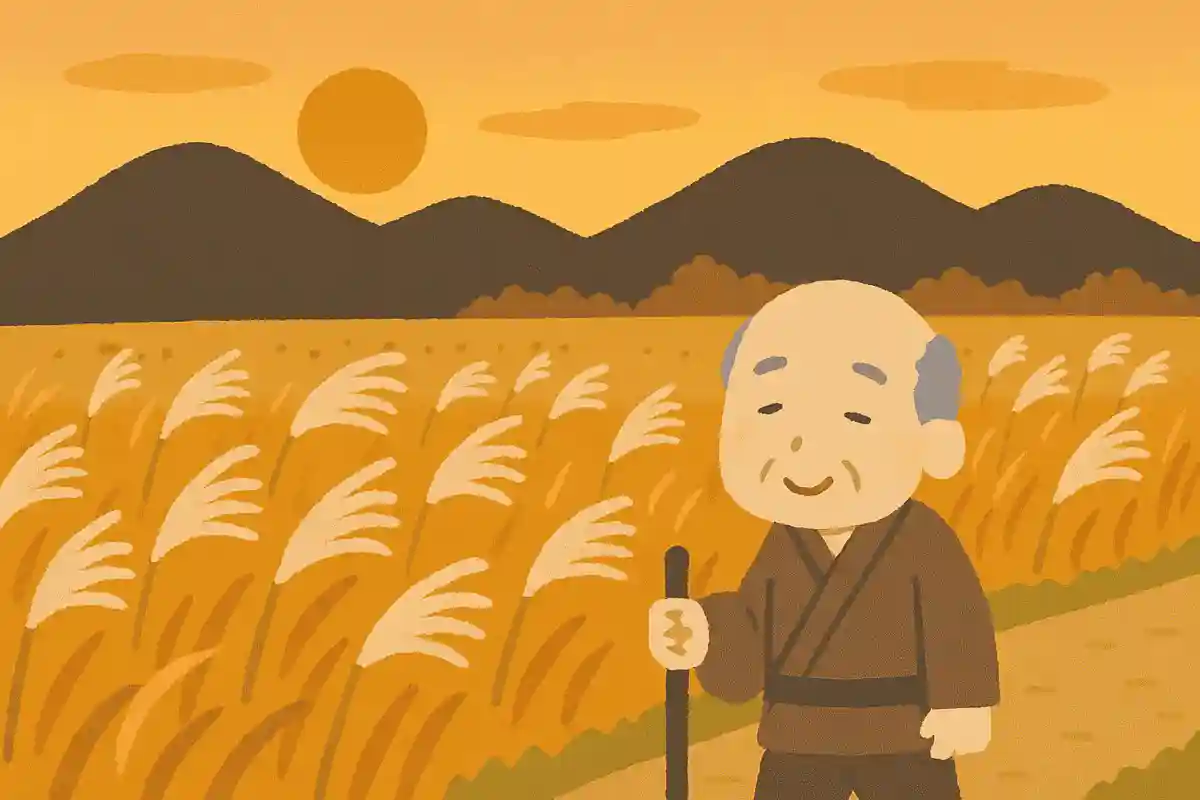
When autumn comes, there are likely some elderly people who go with their families to the mountains to view the autumn leaves.
Some of you may be looking forward to the foliage as well.
Even when the mountains are at their peak for autumn colors, it is often the case that the city and the plains have not yet turned.
Surely Yosa Buson, too, must have gazed at the distant, reddening mountains and overlaid that image with the plants familiar to him, composing a verse about an autumn day.
You can picture a scene seen with a wide field of view at the early-arriving dusk of autumn.
Incidentally, the susuki (Japanese pampas grass) that appears in haiku is said to be a plant that has long been closely connected to everyday life.

A child cries, “Please fetch me the bright full moon.”Kobayashi Issa
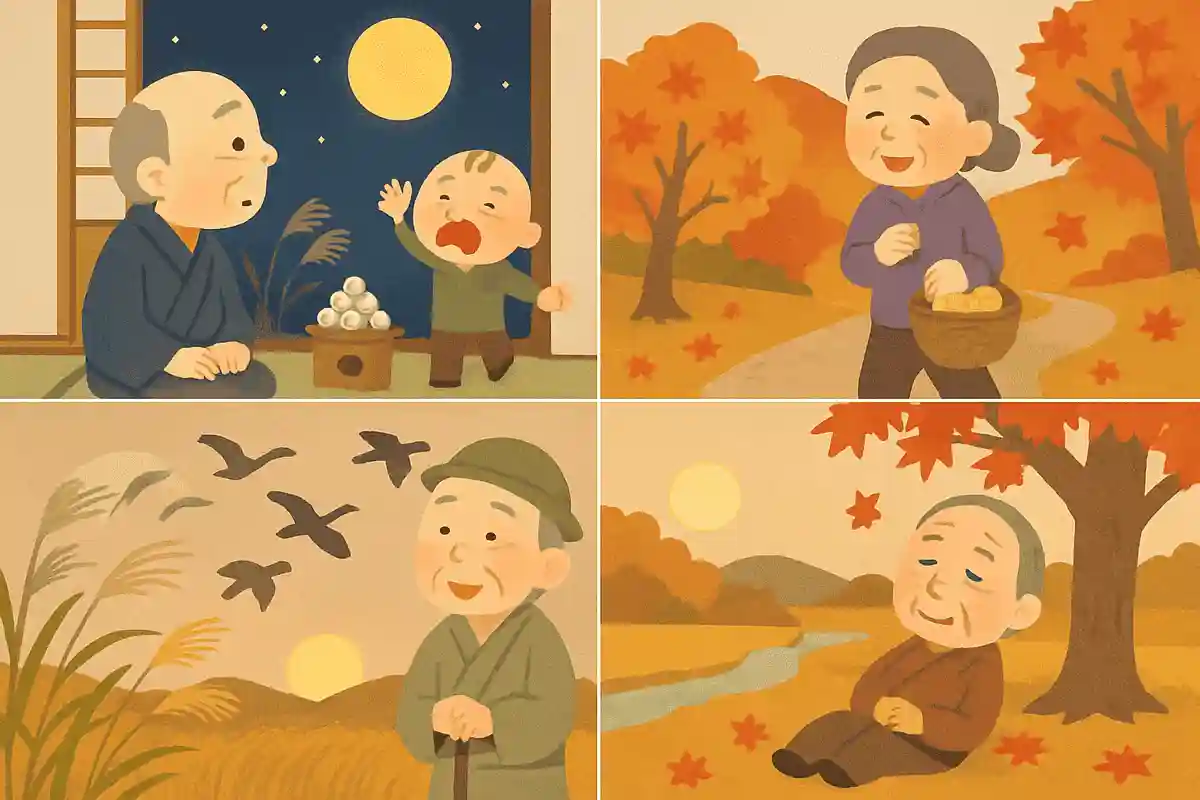
The autumn moon is truly beautiful, isn’t it? They say the air in autumn is clear, with less dust and pollen, so the moon’s outline is easier to see.
This piece describes a child being carried on someone’s back, pleading, “Please get the moon for me,” and I can understand that longing.
The child’s innocent request feels very heartwarming.
Autumn can evoke a sense of loneliness, but the haiku conveys a comforting warmth.
How about using this as a reference for creating heartwarming haiku together with older adults?
Brightly red, though the sun is indifferent, the autumn wind.Matsuo Bashō
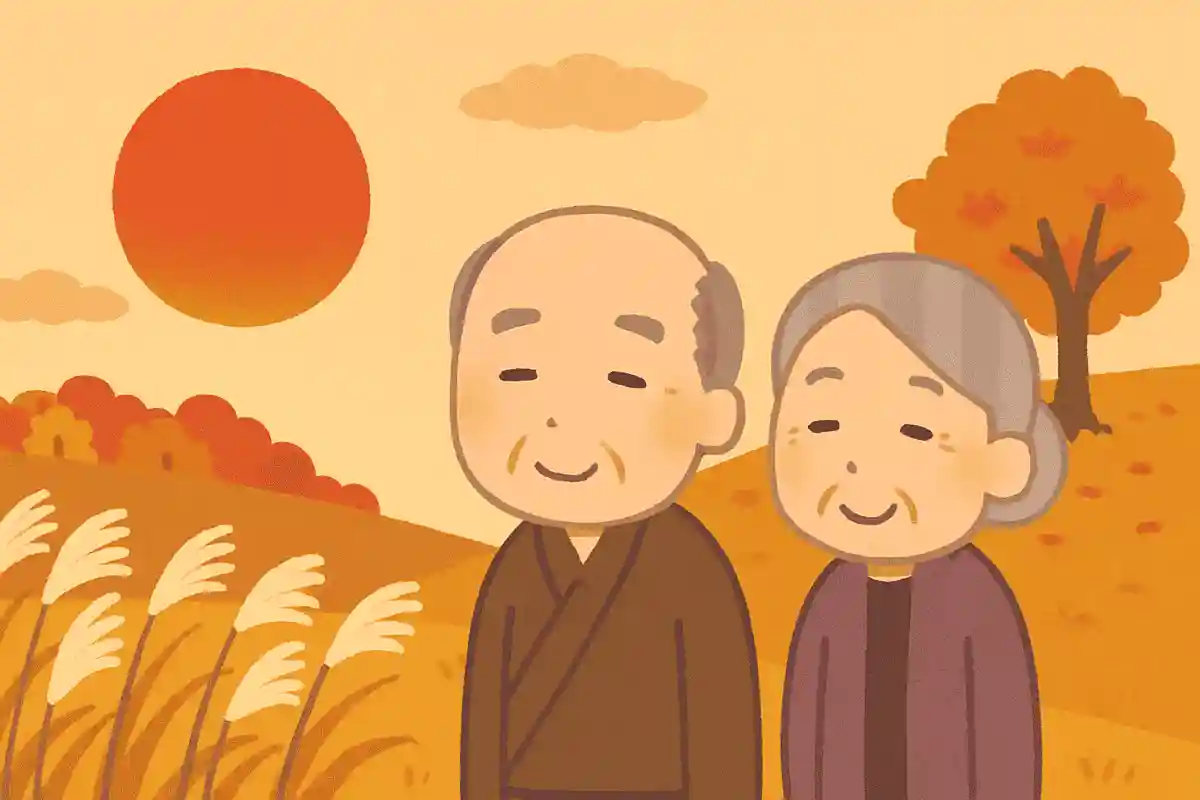
It portrays a crimson sunset blazing even after the start of autumn, along with a breeze that hints at the season’s arrival.
The contrast between the lingering heat and the gentle wind that carries autumn vividly expresses the shift of the seasons.
By savoring daily life while feeling the changes in heat and wind, one can notice the subtle transitions and processes as the seasons change and enjoy a deeper sense of seasonality.
Since the climate has changed compared to a decade or more ago, older adults may find pleasure in experiencing the shifts in wind and light while overlaying them with memories of summers and autumns from the past.

The bright autumn moon—circling the pond all through the nightMatsuo Bashō
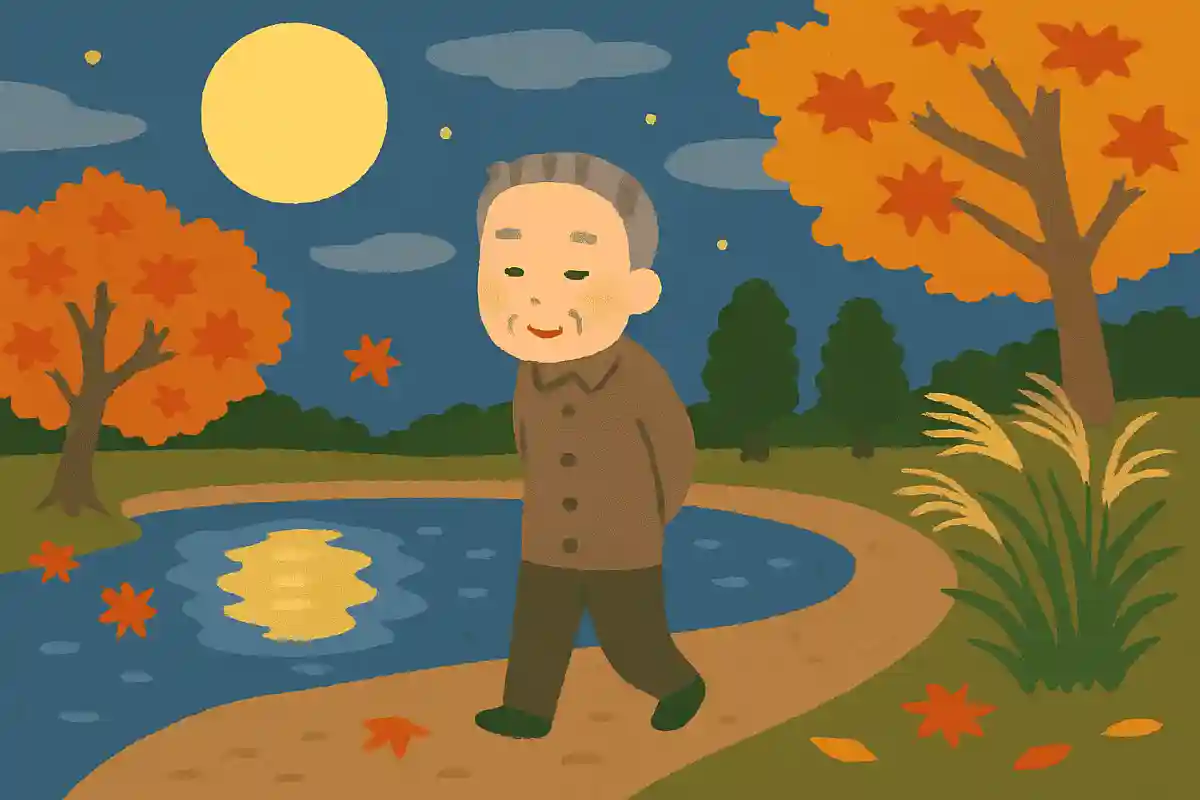
Autumn is the season for moon viewing, isn’t it? Gazing at the beautiful moon can make you feel as if your heart is being cleansed.
They say there’s actually a reason why the moon looks especially beautiful in autumn.
The season is dry and the air is clear, and the moon sits at just the right height for viewing.
Did Matsuo Bashō perhaps spontaneously compose a haiku upon seeing the bright moon? When you enjoy moon viewing with older adults, it might be fun to compose haiku together as well.
Matsuo Bashō was a haiku poet active in the Edo period.
There’s a special charm in composing a poem while looking at the same moon that Bashō once saw.
[For Seniors] Haiku for September: Introducing Perfect Verses for Autumn (21–30)
Chrysanthemum fragrance— in Nara there dwell ancient BuddhasMatsuo Bashō
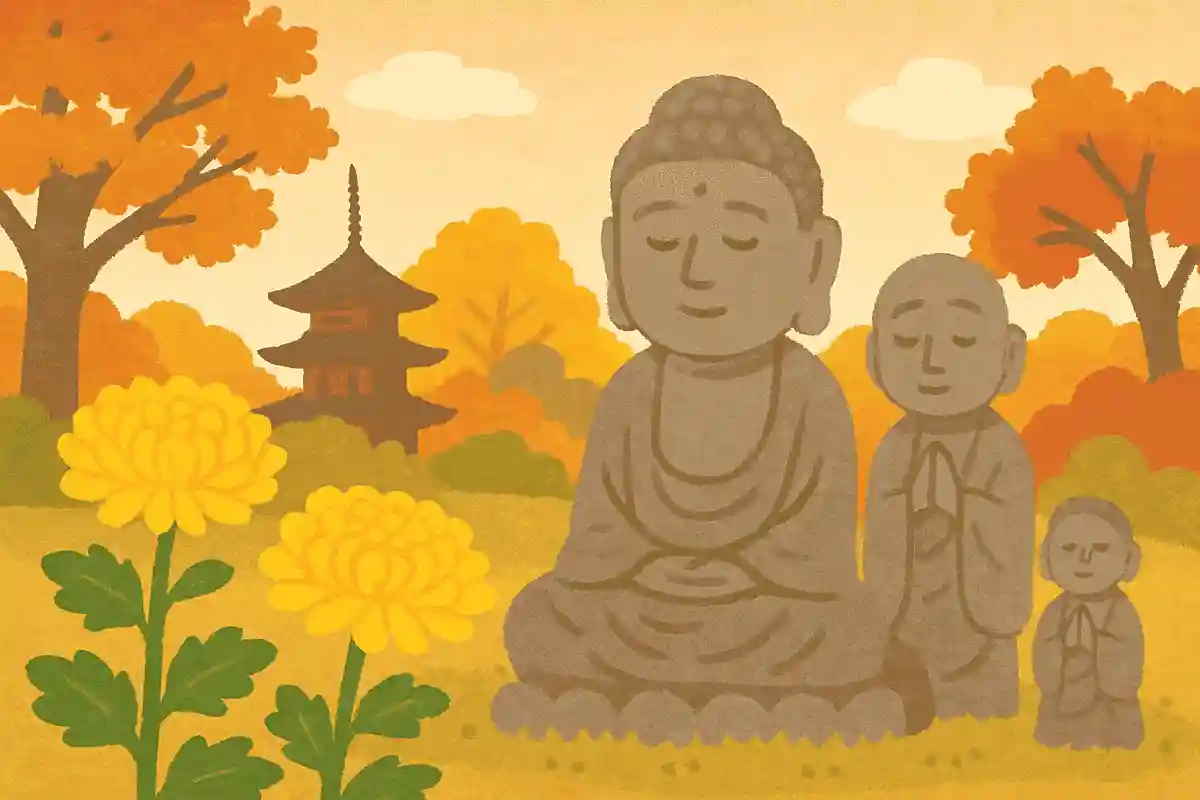
Walking through Nara, where the scent of chrysanthemums drifts in the air, one can picture old Buddhist statues standing quietly, wrapped in that fragrance.
The aroma and the stillness become one, naturally evoking the deepening of autumn and the weight of history in this single verse.
For older readers as well, it can be enjoyed from various angles—savoring it while overlaying memories of autumns past and temple precincts, reflecting on the season’s mood, the passage of time, and reminiscence.
Within its brief words lies space that invites the imagination to sense autumn through all five senses and to feel the quiet flow of time, making it a haiku that offers new discoveries with every reading.