

![[For Seniors] Hilarious! A Collection of Funny Questions](https://media.ragnet.co.jp/img/1200__png__https://www.ragnet.co.jp/files/2025/04/6b83a1c839b682eee0f9ab1753b07285.webp)
[For Seniors] Hilarious! A Collection of Funny Questions

This article is for those who want to delight older adults with a different kind of communication than usual.
We’ve gathered unique, lighthearted questions that can spark a chuckle—perfect for when conversations stall.
The answers to these questions can also help you gauge cognitive function, so use them to support your communication with older adults.
If something is hard to understand, try rephrasing it creatively.
We hope these questions become a starting point for more smiles and enjoyable conversations.
[For Seniors] Hilarious! Collection of Funny Questions (1–10)
“Hara-hachibu”—where did the remaining two parts go?
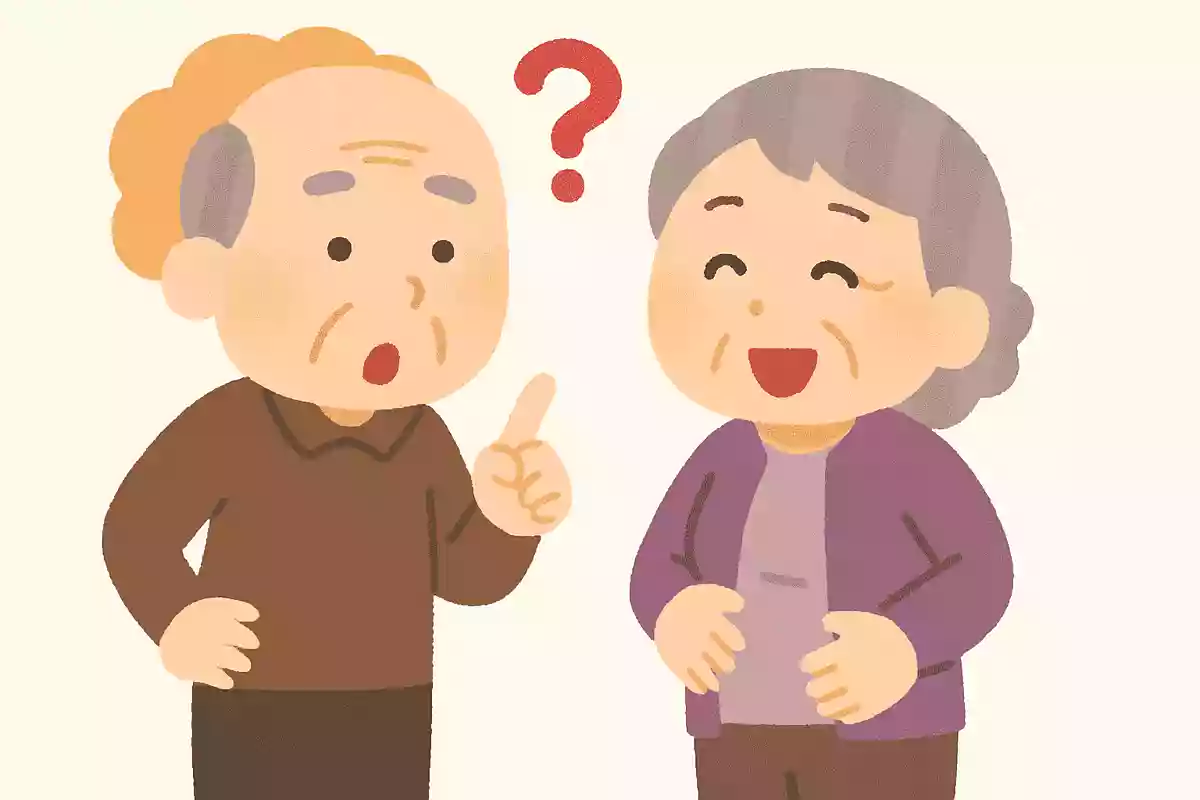
There’s a proverb that says, “Hara hachibu ni isha irazu,” meaning “If you eat until you’re 80% full, you won’t need a doctor.” For your health, it’s said to be better not to eat until you’re stuffed, but to leave a little room in your stomach.
Asking “Hara hachibu—so where did the other 20% go?” can be a helpful question for communicating with older adults after a meal.
It works as a fun joke and they might even tell you where that ‘extra 20%’ went.
Questions related to eating are easy to imagine and, I think, easy to answer.

Did Mr. Yukichi leave you over New Year?
New Year’s otoshidama—the cash gifts you give to your children or grandchildren.
Many older adults probably prepare otoshidama every year.
It’s also a time when year-end and New Year preparations can be costly.
So let’s have people associate “Mr.
Yukichi” in the question “Did Mr.
Yukichi leave you over the New Year?” with a 10,000-yen bill.
Making this association works as brain training and lets you look back on the New Year.
Understanding the expression “Mr.
Yukichi left” might even spark a laugh at the clever wording.
What kind of ‘bili’ is in ‘rehabilitation’?
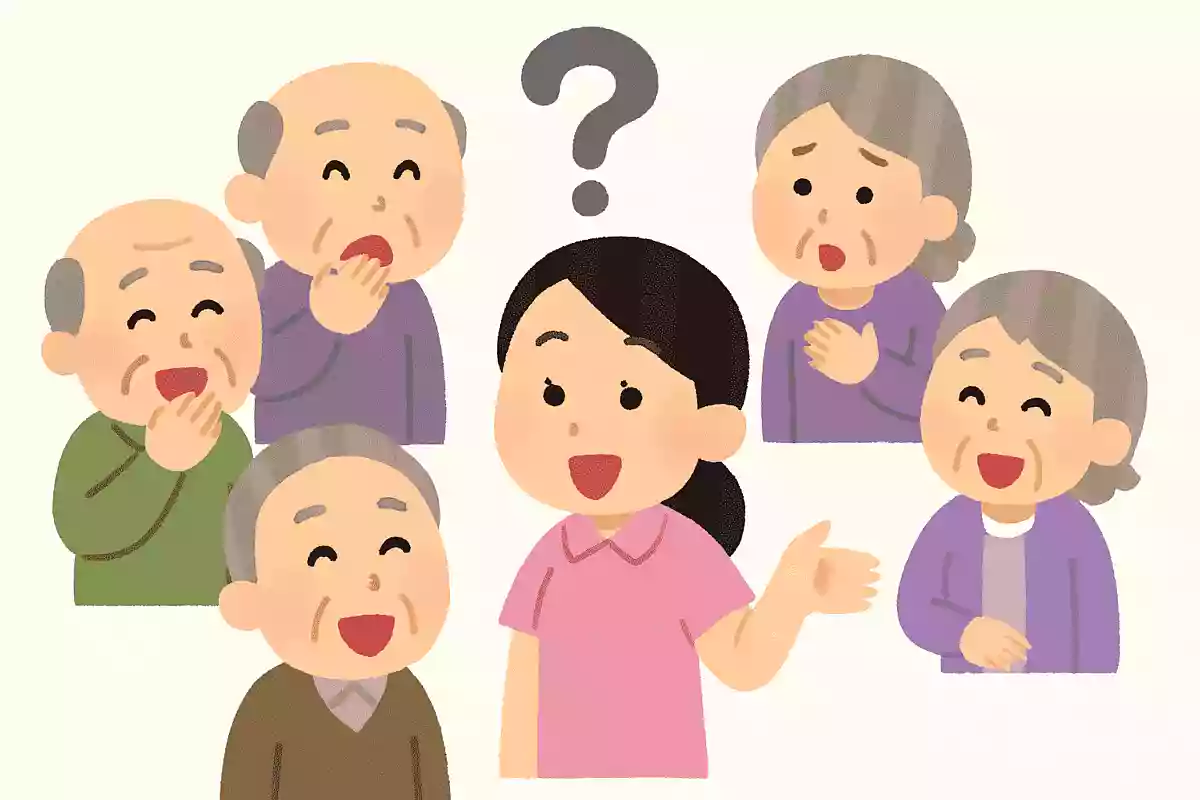
What do you think the “biri” in “rehabiri” (rehabilitation) means? If you ask a question like this, even older adults will surely crack a smile.
It’s fun to think about the answer, isn’t it? Looking at “rehabilitation” from a different angle might lead to new discoveries.
With a touch of humor, it seems like you could have an enjoyable conversation.
How about imagining the meaning of “rehabilitation” together with older adults? You might even activate the brain while laughing.
A conversation like this could open up a wonderful time.
Did you switch from a wheelchair to a Mercedes?
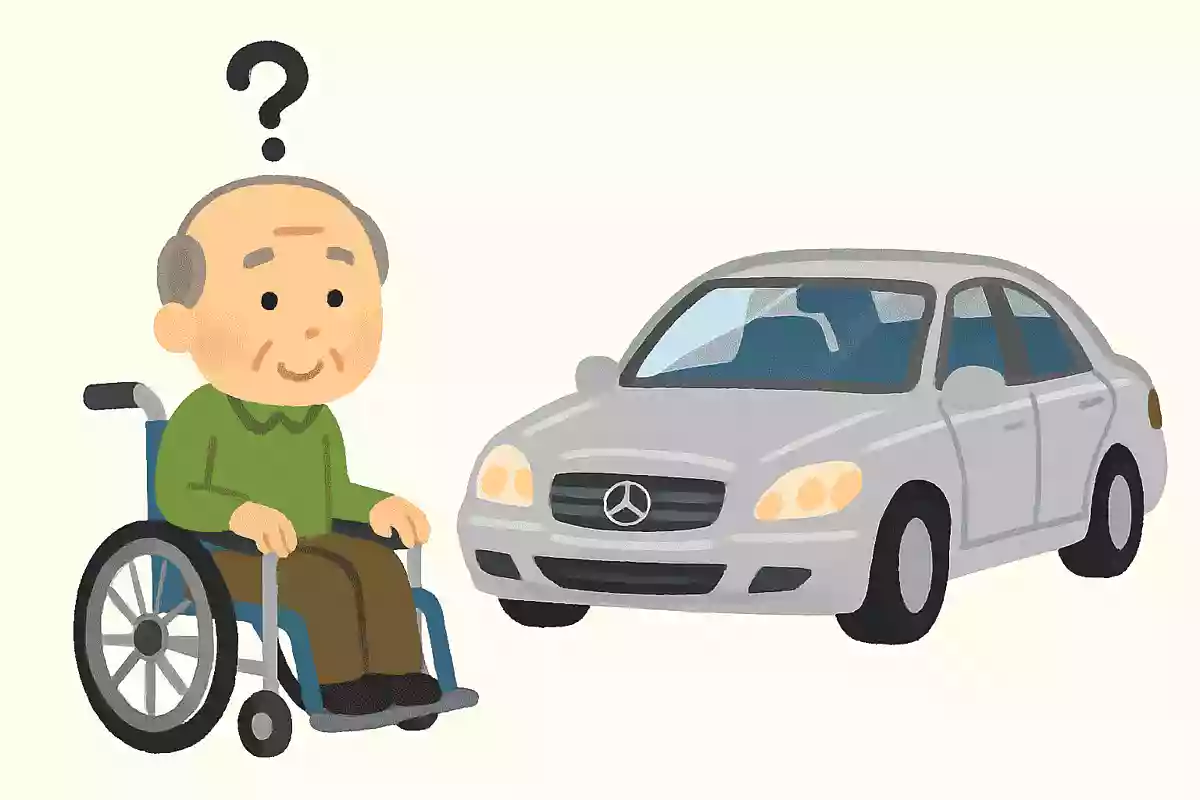
Here’s a question that can help break the ice with someone who uses a wheelchair: “Did you trade up from a wheelchair to a Mercedes?” It’s a playful line I recommend using with older adults after you’ve built trust through various conversations.
Some may respond with a smile, saying, “Yep, I switched to a Mercedes,” while others might burst into laughter.
Asking similar light questions daily can also help you gauge how they’re feeling physically.
If the question is unique, it can be slipped into the conversation naturally and help keep the talk lively.
Where can I buy a “souvenir from the underworld”?
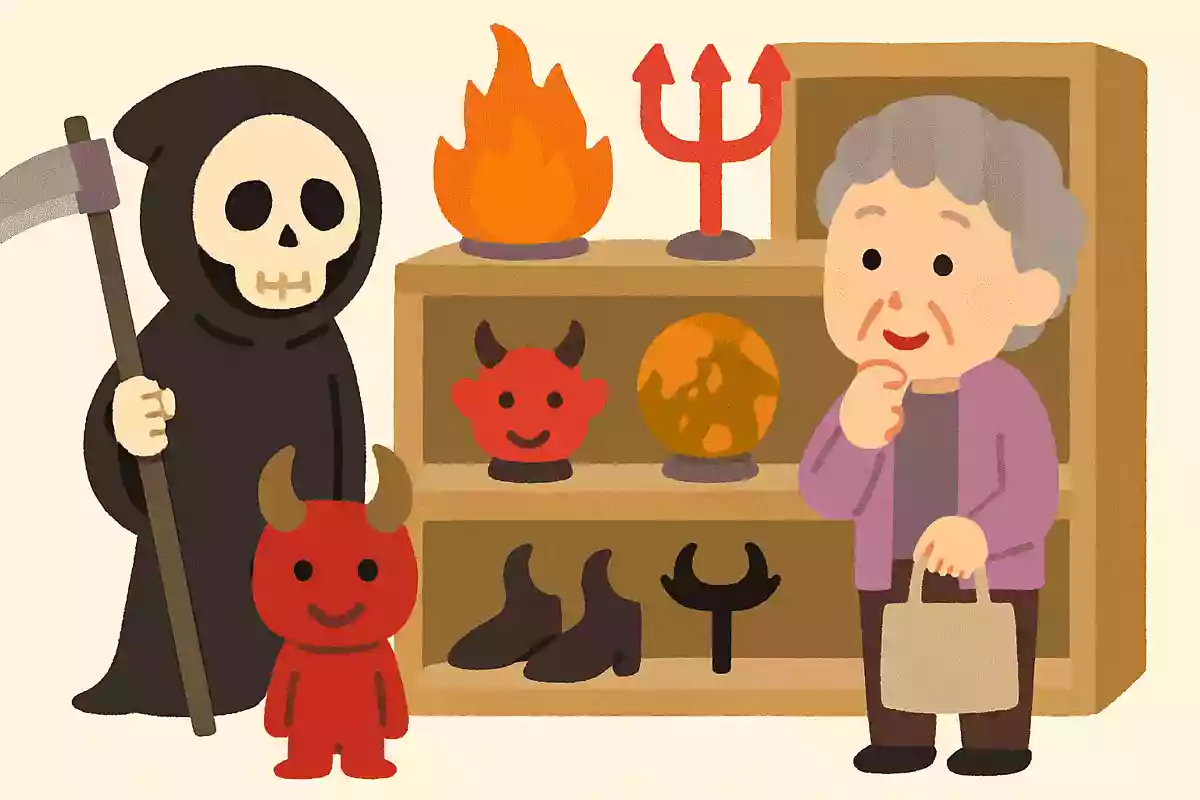
I wonder where you can buy a “souvenir from the underworld.” That’s a fun question, isn’t it? It’s perfect for adding a touch of humor when chatting with older folks.
You might even get the conversation going with, “So, where is the underworld, anyway?” A humorous exchange like that can really bring out each person’s personality.
Still, some people might find it a bit difficult.
In that case, you could rephrase it as, “What’s your favorite keepsake?” It could make for a warm, smile-filled moment.
Does “aji no aru ji” (literally, “letters with character”) taste good?
During recreation and similar activities, try saying something when you write words.
If you get a laugh with comments like “Say something funny again,” it helps staff recognize you as “Mr./Ms.
___ who always says funny things.” By the way, laughing stimulates the brain and is said to help prevent dementia.
Many older adults seem to spend very similar days.
Through communication that includes lighthearted, funny questions, we hope they can spend each day happily with smiles.
Did you find the secret stash?
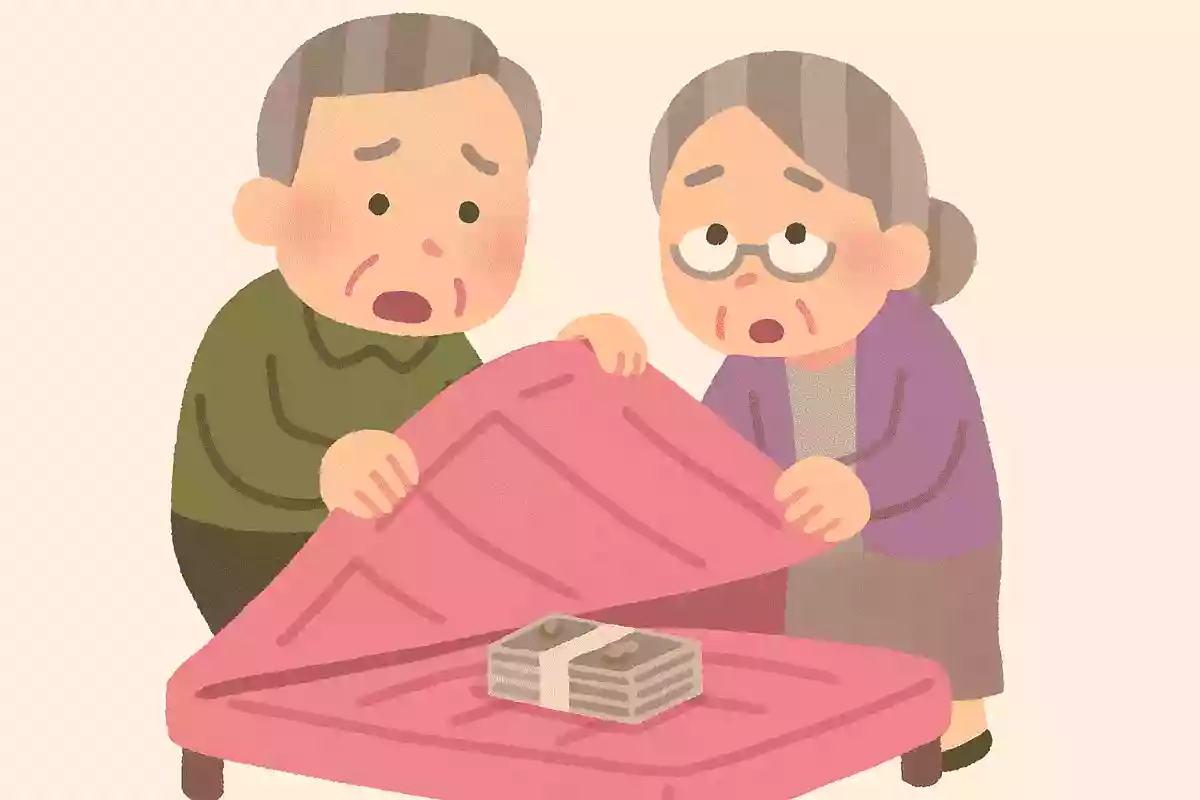
To deepen trust, it’s important to engage in communication.
Building trust also leads to an environment where high-quality services can be provided.
We should also take care to build up questions and conversations with older adults thoughtfully and respectfully.
If you hear an older adult say they’re “looking for something because they can’t find it,” try following up by asking, “Were you able to find it?” Remembering and referring back to what they said helps them feel acknowledged.
While this can make them feel happy, there are also points to be mindful of.
For older adults who feel that “something was stolen” or who “have worries about money,” please be especially mindful and adjust the way you speak to them.