

[For Seniors] Hilarious! A Collection of Funny Questions
This article is for those who want to delight older adults with a different kind of communication than usual.
We’ve gathered unique, lighthearted questions that can spark a chuckle—perfect for when conversations stall.
The answers to these questions can also help you gauge cognitive function, so use them to support your communication with older adults.
If something is hard to understand, try rephrasing it creatively.
We hope these questions become a starting point for more smiles and enjoyable conversations.
- [For Seniors] Conversation starters that help you chat: engaging questions and topics to spark lively talks
- Conversations Made Easy! A Collection of Topics That Elderly People Enjoy
- [For Seniors] Laugh-Out-Loud, Crowd-Pleasing! Fun Quiz
- Fun, engaging topics for conversations with older adults!
- [For Seniors] Guaranteed to Liven Things Up! A Collection of Brain Training Activities That Will Spark Laughter
- [For Seniors] Fun and Informative! Health Trivia Quiz
- [For Seniors] 3-Choice Dialect Quiz! A Collection of Fun Dialect Quizzes from Around Japan
- For seniors: Fun shiritori—enjoyable and easy to play
- [For Seniors] Get Excited by Knowing the Answers! Tricky Quiz
- [For seniors] Dice talk: engaging prompts
- [For Seniors] Have Fun with Wordplay Characters! A Collection of Funny Puzzles
- [For Seniors] Fun! Let’s Get Excited with Japan’s Number One Quiz
- [For Seniors] Enjoy Brain Training with September Trivia Quizzes & Fun Facts
[For Seniors] Hilarious! Collection of Funny Questions (1–10)
Were you sponged off?
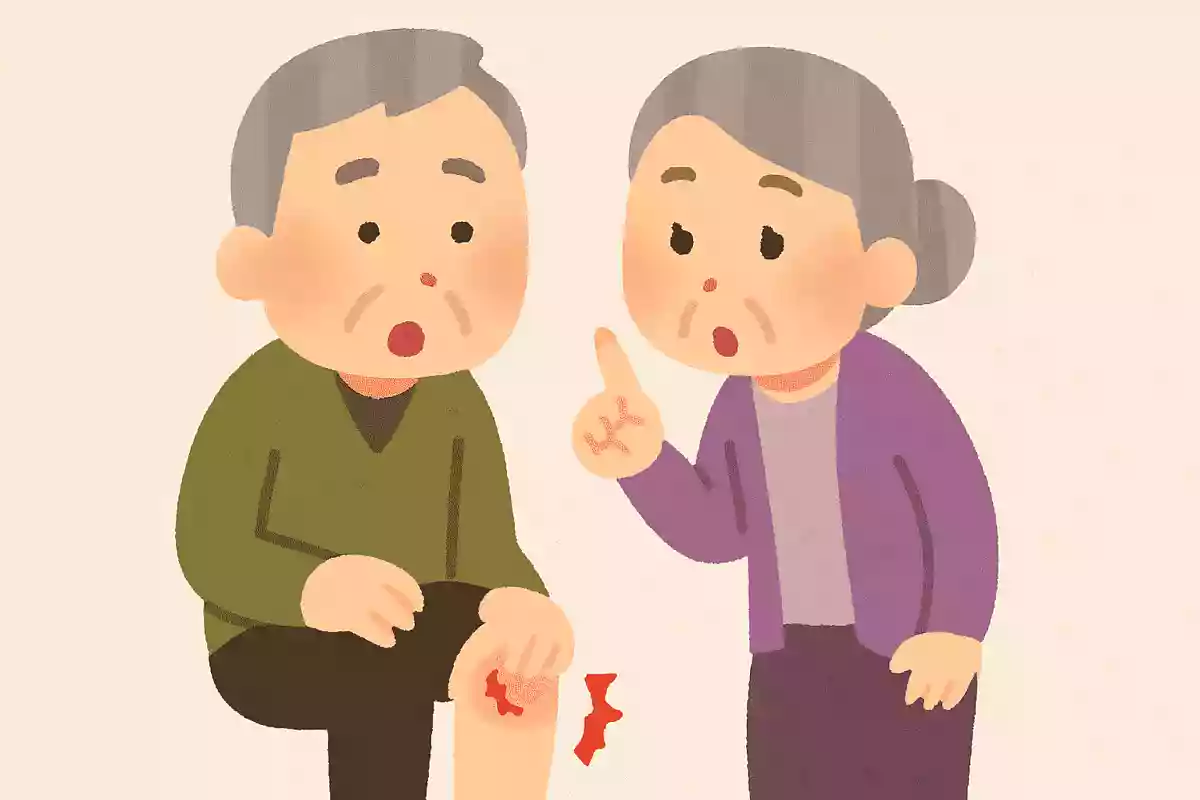
Topics about one’s children often come up in conversations with older adults, don’t they? During a pleasant chat, adding little interjections can make things even livelier.
In Japanese, we often describe adult children who can’t be financially independent and need support as “gnawing on their parents’ shins.” So when someone talks about helping their child, try asking a playful question like, “Have they been gnawing on your shins?” Sometimes it’s a gripe about their kids, but turning it into a lighthearted joke or interjection can lead to laughter.
Laughing helps relieve dissatisfaction and stress.
Keep an eye on the timing of the conversation and give it a try.

What kind of sound does it make when your knees wobble?
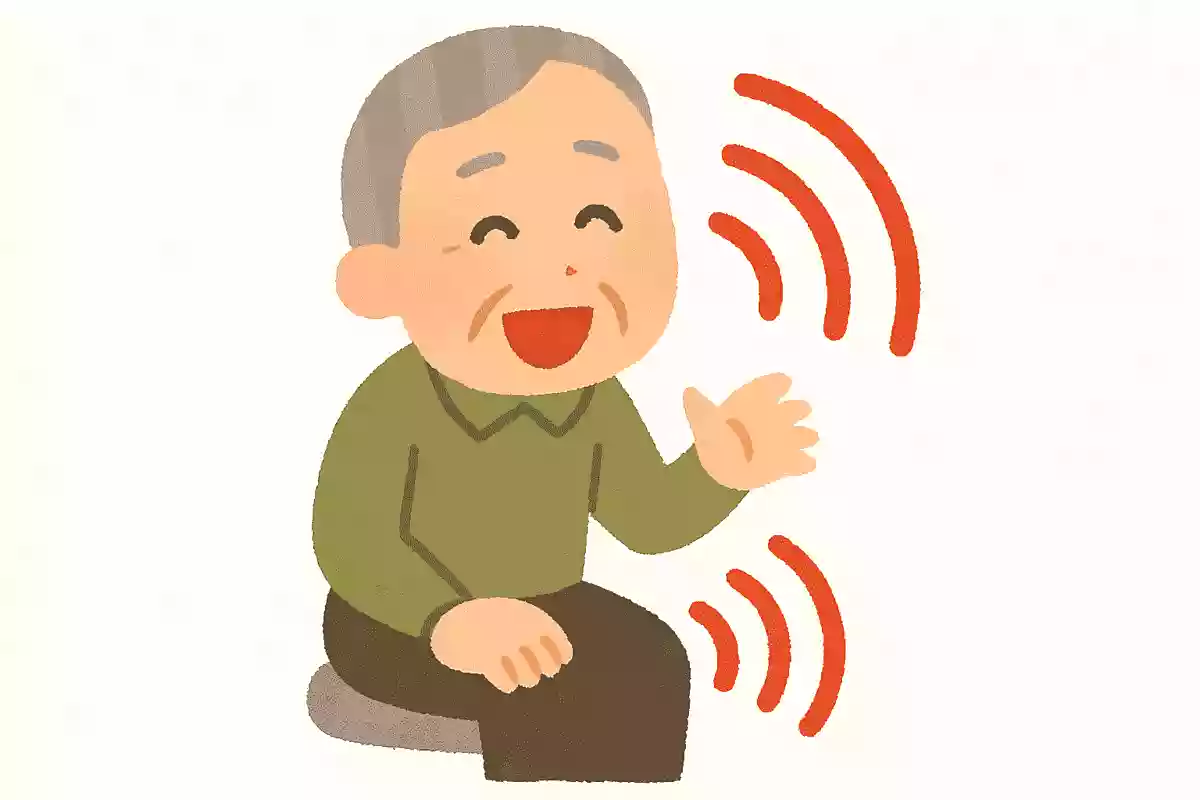
When you walk on a mountain slope and such, people say “my knees are laughing.” This “knees are laughing” state means you can’t put strength into them and your knees feel wobbly.
For older adults, some may even feel strain in their knees just from walking in everyday life.
“If your knees laugh, what kind of sound do they make?” is a perfect question to use during exercise sessions at care facilities or in conversations with seniors.
Saying it as a call-and-response during leg exercises might spark some laughter.
Some people might even answer by making their knees’ ‘laughing’ sound.
It’s said that laughter activates the brain and can help prevent dementia.
How about creating more fun, laughter-filled moments with the seniors in your life?
Please say “pizza” ten times. What is this here (knee)?
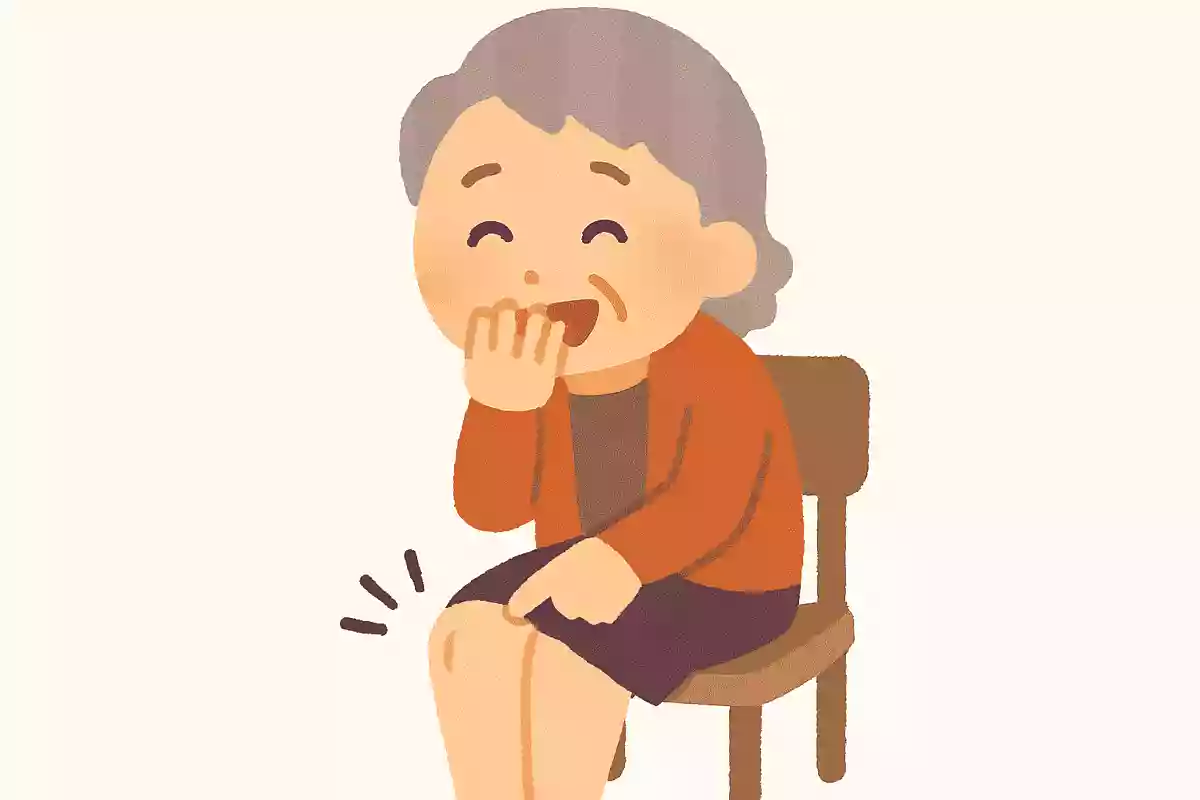
Don’t you think it sounds fun to ask someone to say “pizza” ten times? After they finish, if you suddenly point to your knee and ask, “What’s this?” everyone will surely smile.
Playful questions like this can create a warm, relaxed atmosphere for older adults.
By watching their facial expressions and reactions as they answer, you can also get a sense of their cognitive function, making it a wonderful form of communication.
Please give this kind of question a try.
[For Seniors] Hilarious! Collection of Funny Questions (11–20)
Are you going to the girls’ gathering?
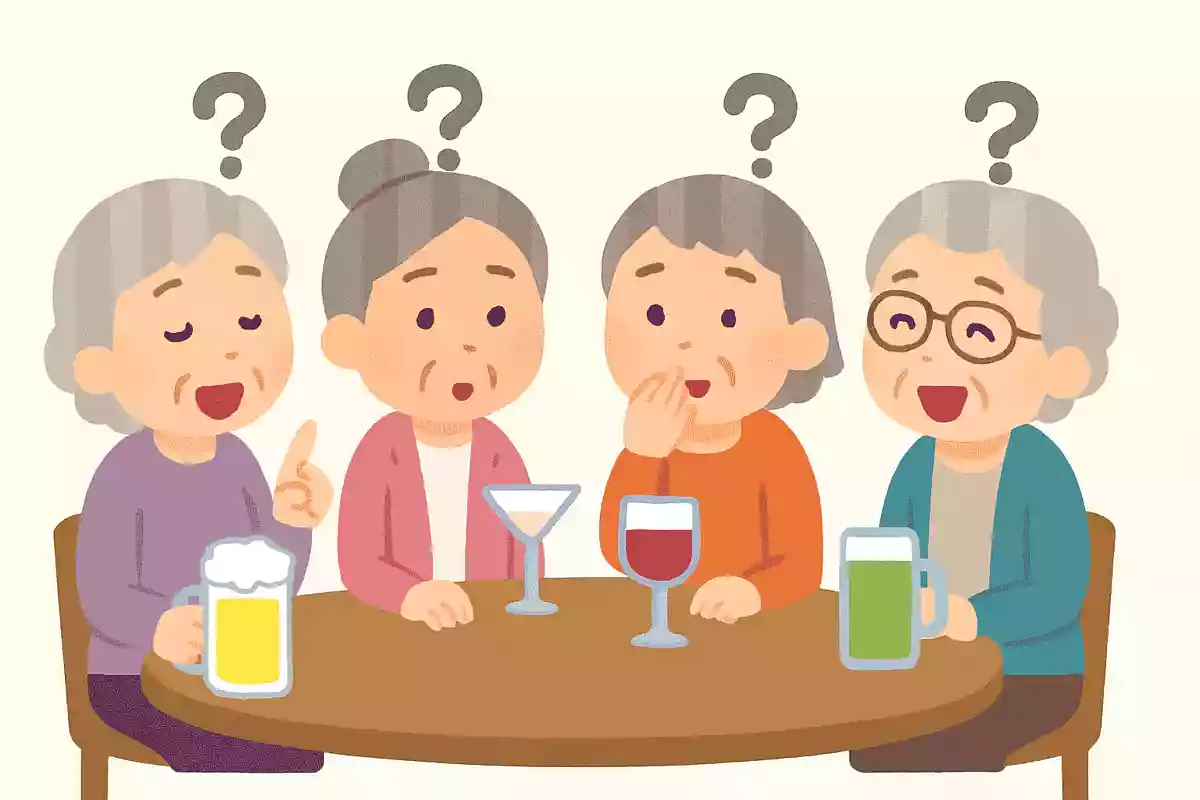
Let’s try working the term “joshikai” into our conversations—a word that was a bit of a craze for a while.
A joshikai is a get-together just for women, such as a meal, a drinking party, or a tea gathering.
Since women talk about all kinds of topics among themselves, it’s said to be a good way to relieve stress.
If you see a lively group of women enjoying a recreational activity, it might be nice to ask, “Is this a joshikai?” Some people may not be familiar with the term, so explaining what it means could be a great conversation starter and help the discussion open up even more.
Is there a bonus with the pension?
How about trying a slightly quirky question like, “Do pensions come with bonuses?” It can be a fun way to start a conversation with older adults.
A bit of humor can bring more smiles and warm the heart.
Since pensions are a familiar topic, it might lead to all kinds of memories and stories.
Using familiar words like “beppin-san” (a charming or pretty lady) is also a nice touch.
I hope you can spend enjoyable time together while being attentive to their feelings.
If you eat all the beans from the bean-throwing, how many will there be?
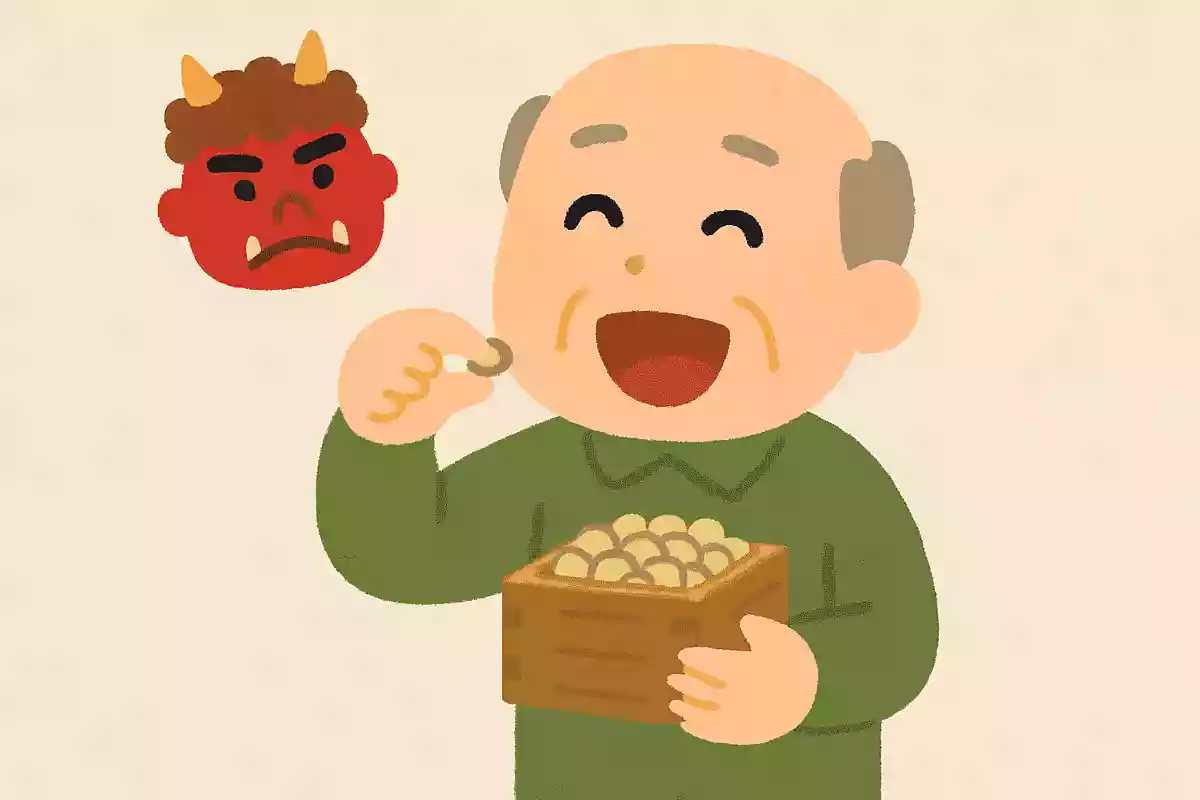
When you think of February, you probably picture “bean throwing,” right? During conversations at bean-throwing events, try asking some humor-filled questions.
Customs vary by region, but in many places people eat beans equal to their age, or their age plus one.
As we get older, though, eating close to that many beans can feel tough for some.
In some places, instead of eating beans, they serve “fukucha,” a type of good-luck tea made by putting a few beans and kombu (kelp) in a teacup.
In that warm, friendly atmosphere—especially if you bring up the question of “how many beans to eat”—the conversation is sure to liven up even more.
“Hey,” “You” What’s your wife’s name?
There may be long-married couples who address each other as “anata” and “omae.” Some men even used to call their wives “oi.” Those ways of referring to one’s wife aren’t used much these days, are they? It’s an interesting question to bring up, especially when you’ve been chatting with an older gentleman for a while.
If he actually used to call his wife “oi” or “omae,” he might even answer with a laugh.
Through such questions, he may recall fond days spent with his spouse, and the conversation could naturally deepen and expand.