

![[For Seniors] Get Excited by Knowing the Answers! Tricky Quiz](https://media.ragnet.co.jp/img/1200__png__/files/2025/05/9146b96a546b30c40e8a87d6078a344a.webp)
[For Seniors] Get Excited by Knowing the Answers! Tricky Quiz

Many nursing homes and welfare facilities run quiz activities, don’t they?
How about adding some “trick questions” to your usual quizzes?
This time, we’re introducing trick questions designed for seniors.
We’ve gathered lots of questions with punchlines that will make seniors laugh and answers with a sense of humor.
Since the style is a bit different from usual, try adding a brief explanation of what trick questions are before you start the quiz.
That way, seniors may find it easier to jump in smoothly.
By all means, have fun while taking on the quiz!
[For Seniors] Get excited by knowing the answers! Tricky Quiz (1–10)
Which prefecture is the northernmost in the Japanese archipelago?
See the answer
Aomori Prefecture
You might be tempted to answer “Hokkaido,” but there’s a trick in the question. Japan is divided into prefectures, right? The question says “the northernmost prefecture,” so the answer should be a prefecture name. The correct answer is Aomori Prefecture. Within Aomori, the northernmost area is Ōma Town, which is famous for its tuna.

There are eight types of shogi pieces in total. How many types of Othello pieces are there?
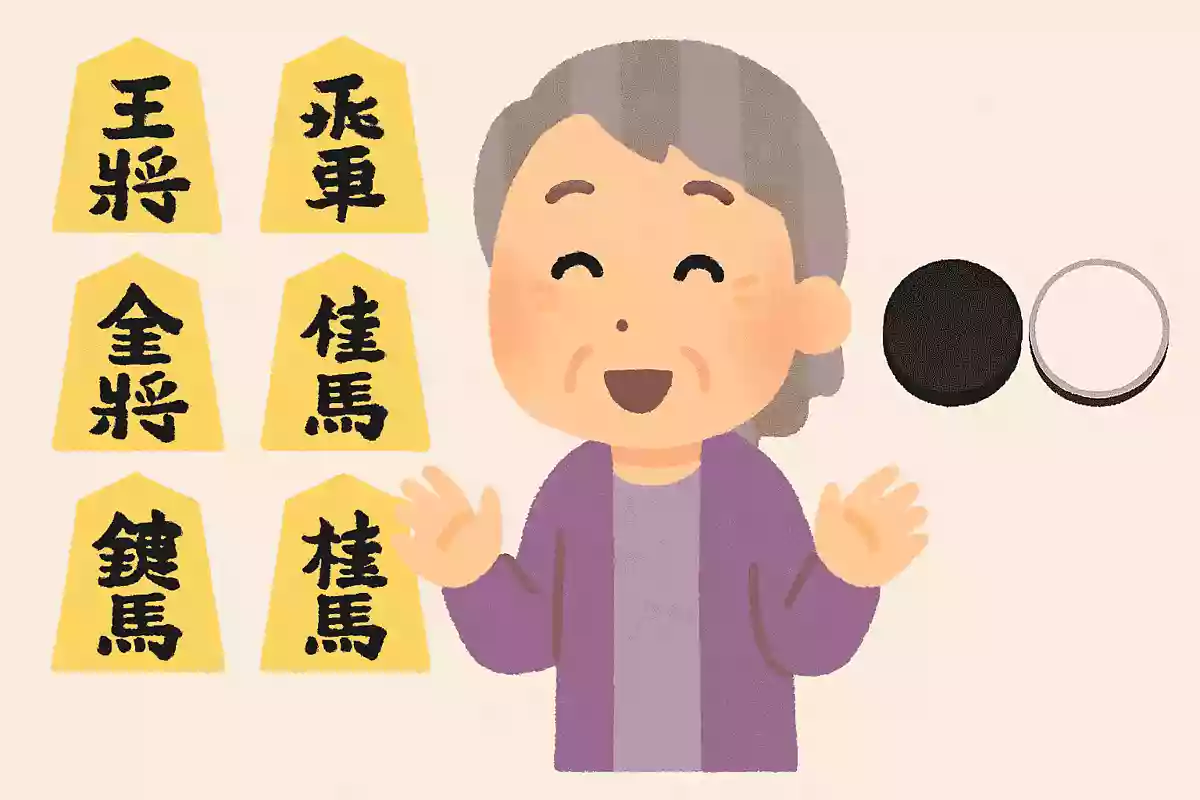
See the answer
one kind
Othello pieces come in black and white, right? It might seem like there are two possible answers, but since each piece simply has black and white on opposite sides, there’s really only one. Othello originated in Japan and was devised by Mr. Hasegawa, who was a junior high school student at the time and found the rules of Go difficult. He came up with a version of Go called “hasami-go,” where you capture by sandwiching your opponent’s pieces with your own. When he became a university student, Hasegawa used bottle caps from milk bottles and developed rules to make it into a game. Later, he brought it to a toy manufacturer, and it was commercialized.
There are seven months in a year that have 31 days. How many months have 28 days?
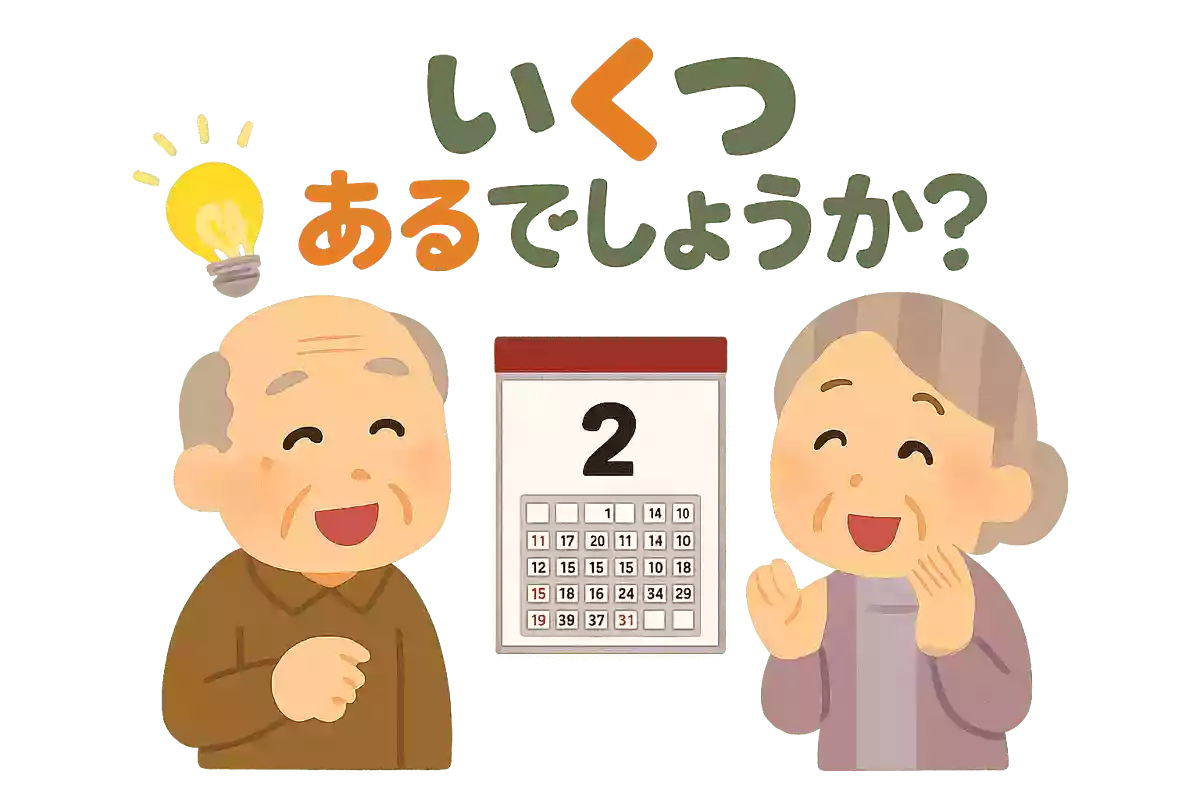
See the answer
12 pieces
The 28th exists in all 12 months. February ends on the 28th, but in a leap year it gains one extra day and becomes the 29th, which can be confusing. As the Earth takes 365 days to orbit the Sun, it accumulates a one-day discrepancy over four years. To correct this, a leap year is added once every four years, and the extra day is added to February.
Among the flowers button, rose, lily, and camellia, would there be any with thorns?
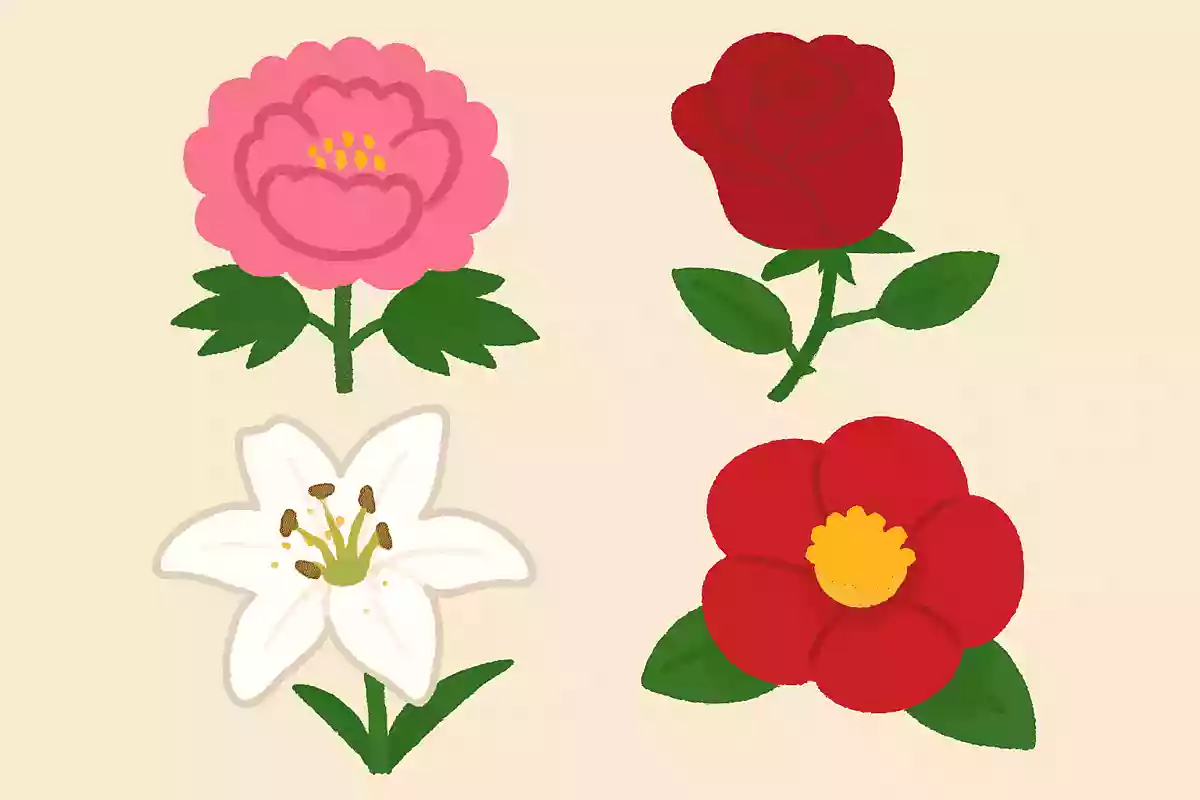
See the answer
not
When we think of flowers with thorns, roses come to mind, but the correct answer is “none.” The part that has thorns isn’t the rose flower, but the rose stem. The thorns, a characteristic of roses, are initially moist and soft, but eventually lose moisture and harden. There are various theories about why roses have thorns, but one is that they help the plant hook onto surrounding vegetation for support.
Sato-kun passed the person in 4th place in the school marathon. What place did Sato-kun finish in?
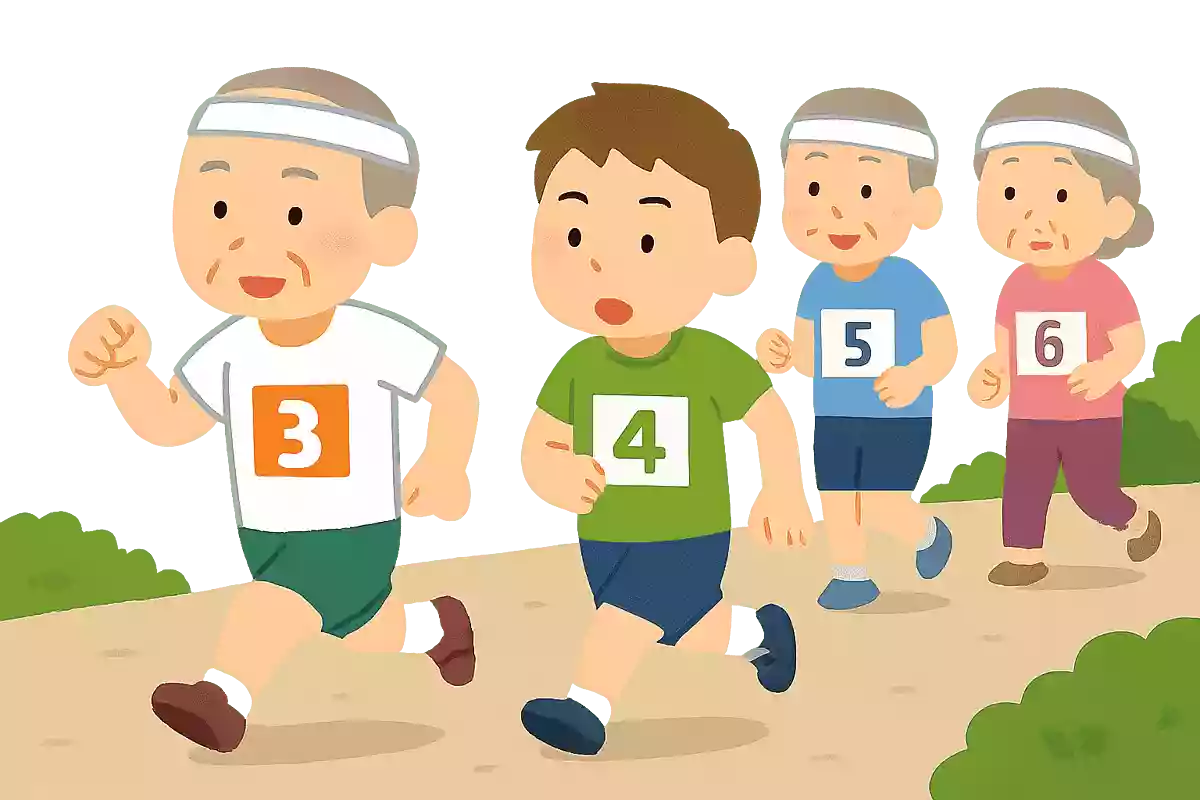
See the answer
4th place
You might be tempted to think you “moved up to 3rd place” by passing Sato, right? But if you pass the person in 4th place, you become 4th. With trick questions, it’s important to stay calm and work through the problem. For more complex questions, drawing a diagram on a whiteboard or paper can make your reasoning and the answer much clearer.
Yoshio is the older brother of Yoshiko and Jiro. One day, Yoshio gave Yoshiko and Jiro a riddle. Yoshio: “What is something that my younger brother has two of, but my younger sister has only one of?” What is the answer?

See the answer
The hiragana “to”
If you write otōto (younger brother) in hiragana, it’s おうとと, which contains two to’s. Similarly, if you write imōto (younger sister) in hiragana, it’s いもうと, which has one to. Looking at the problem from a different angle makes it easier to arrive at the answer. Since otōto and imōto are familiar words even to older people, they’ll likely think “I see” and find the answer convincing.
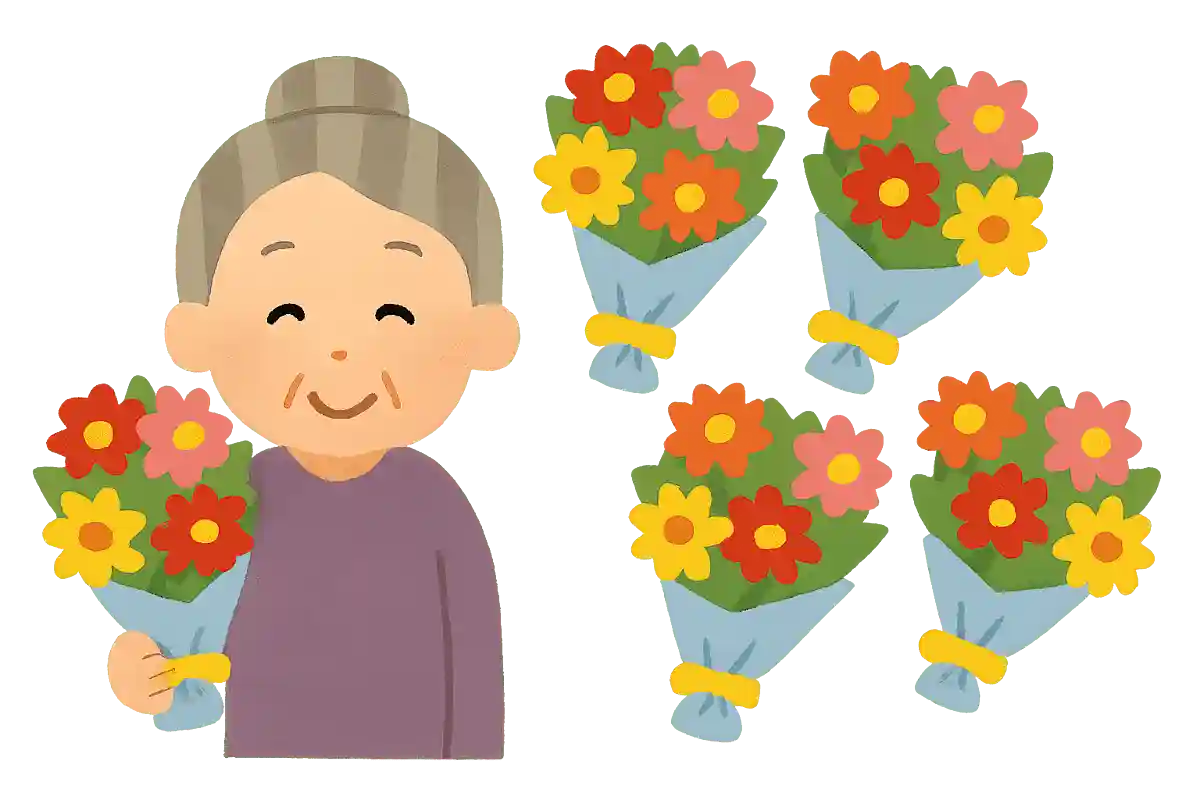
Hanako has two bouquets. She received four bouquets from her friend. How many bouquets are there in total?
See the answer
1 bundle
First, if you add the two bouquets Hanako has to the four she received from her friends, you get six bouquets, right? However, the problem statement says to “combine all the bouquets.” When you combine all the bouquets, they form a single bouquet. It’s a problem where carefully reading the statement and thinking deeply reveals the answer.