

Recreation Activities Effective for Long-Term Care Prevention for Seniors

This article introduces recommended recreational activities for preventing the need for long-term care.
We’ve gathered a wide range of options, including exercises and games that move the hands and feet, as well as quizzes that engage the mind.
Doing recreational activities is effective for physical rehabilitation and dementia prevention.
You can also expect benefits like increased appetite and improved sleep quality as your activity level rises.
It’s also a great opportunity to interact with other older adults who are participating.
Please use this article as a reference and enjoyably put it to use for care prevention.
[For Older Adults] Recreational Activities Effective for Preventing the Need for Care (1–10)
Intro QuizNEW!
https://www.tiktok.com/@tidakukuru/video/7367386562134347009In this “Intro-don” game, the intro is played on the piano, and players listen and slap the card bearing the song title, like in karuta, to claim it.
It’s a game you can’t win without listening skills, judgment, and quick reflexes.
However, it might also be good training for older adults.
Since karuta is a timeless, beloved game that everyone gets absorbed in, this version is sure to spark some heated battles.
Until you get used to it, try playing in a small group, like two against one!

Intro quiz for seniorsNEW!

Let’s enjoy an intro quiz with Showa-era hit songs! This version is for beginners, and about 15 seconds of the intro will play.
If you know the answer, please say the song title.
There are 30 questions, so you can enjoy it as a recreational activity.
Thinking about which song it is makes for good brain training, and the nostalgic intros make it a perfect game for seniors.
It’s also a chance to test your knowledge and memory, so give it a try!
Guess the Instrument Sound QuizNEW!

We present a quiz where you listen to 16 instruments and guess their names.
The instruments selected are ones that everyone has probably seen or heard at least once, and as hints, photos and names of the instruments are also shown, so the difficulty level is fairly low.
However, the last question is a hint-free secret! For that one, judge based on sound alone.
You won’t get it unless you listen carefully, so prick up your ears and think about the correct answer.
If you get 11 or more correct, you’ll be awarded the title of Genius Musician, so why not aim for that and give it a try?
Bon Odori (Bon dance)NEW!

Bon Odori is an essential part of summer festivals! The time when everyone forms a circle and dances to Bon Odori songs fosters a sense of unity and offers a great chance to move your body while having fun.
Older adults may have danced in their youth, so they might remember the steps the moment they hear a famous tune.
It’s a music recreation activity that can be thoroughly enjoyed indoors, so be sure to plan one in the summer and get everyone excited.
To avoid tripping and falling, make sure to wear comfortable, easy-to-move-in clothing.
round (canon)NEW!

A round is a method of singing where you divide the singers into two or more groups and have them sing the same song with staggered entries.
It’s the same piece, but it creates a different kind of harmony than when everyone sings together.
The key point to watch out for is not getting pulled along by another group.
If you don’t keep track of your own cue and where you are in the song, you’ll end up following another group and won’t be able to get back.
For the starting cue, it’s a good idea for a staff member to give a “ready, go” signal.
WalkingNEW!

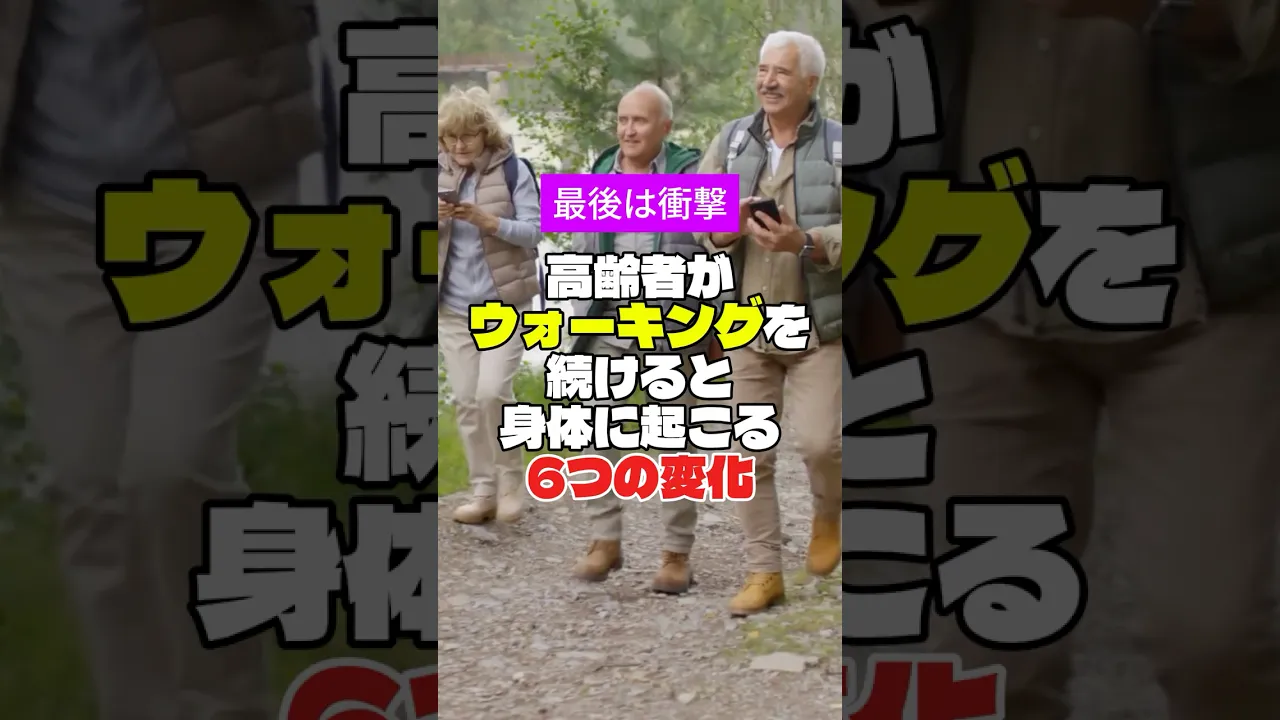
Walking, which can lift both your mind and body, is easy to start and refreshing.
It’s said that walking can help prevent dementia, improve swelling and cold sensitivity, and boost the release of “happiness hormones.” By paying attention to posture, breathing, and swinging your arms forward and back while you walk, you can increase the exercise benefits.
To keep it up over the long term, it might help to choose places you like as goals or listen to your favorite radio shows or music while walking.
Let’s stay mindful of building a healthy body for our future selves.

ground golfNEW!
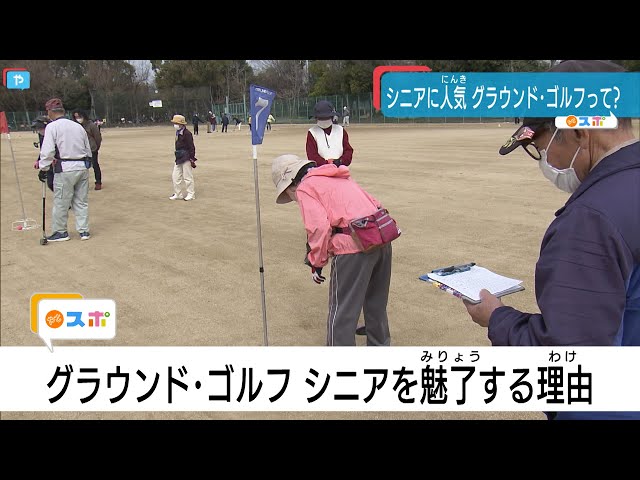
Ground golf is an easy-to-play activity in parks and plazas that doesn’t require a dedicated course; with just a club, a ball, and a post, anyone can enjoy it.
The rules are simple: you compete on the number of strokes it takes to get the ball into the post.
Since you don’t loft the ball into the air like in golf, it seems safe for seniors to enjoy as well.
It’s similar to gateball, but ground golf is an individual game rather than a team sport.
It also appears to be popular because its rules are simpler than those of gateball.