


This article introduces recommended recreational activities for preventing the need for long-term care.
We’ve gathered a wide range of options, including exercises and games that move the hands and feet, as well as quizzes that engage the mind.
Doing recreational activities is effective for physical rehabilitation and dementia prevention.
You can also expect benefits like increased appetite and improved sleep quality as your activity level rises.
It’s also a great opportunity to interact with other older adults who are participating.
Please use this article as a reference and enjoyably put it to use for care prevention.
- For Seniors: Effective Recreation for Preventing Care Needs—Have Fun While Staying Healthy
- [For Seniors] Recommended Easy Strength Training
- [Brain Training for Seniors] Recommended Hand-Play Recreation for Dementia Prevention
- [November Health Topic] Indoor Recreation Ideas for Older Adults
- [For Seniors] Refresh Your Mood! Lively, Get-Moving Games
- [For Seniors] Enjoyable Indoor Activities! Recreations and Games That Engage the Mind and Body
- Recommended recreational activities to help seniors enjoy their time in care facilities
- [For Seniors] Enjoyment at Day Care: A Roundup of Games and Recreational Activities
- [For Seniors] Extremely Effective Brain Training! A Fun Collection of Hand Games
- [October Health Topic] Introducing Recreational Activities for Seniors!
- For Seniors: Enjoy Every Day! A Collection of Senior Recreation Ideas
- [For older adults] Music recreation that helps boost mood and improve health
- [March Health Topic] Introducing Recreational Activities for Seniors!
[For Older Adults] Recreational Activities Effective for Preventing the Need for Care (1–10)
WalkingNEW!

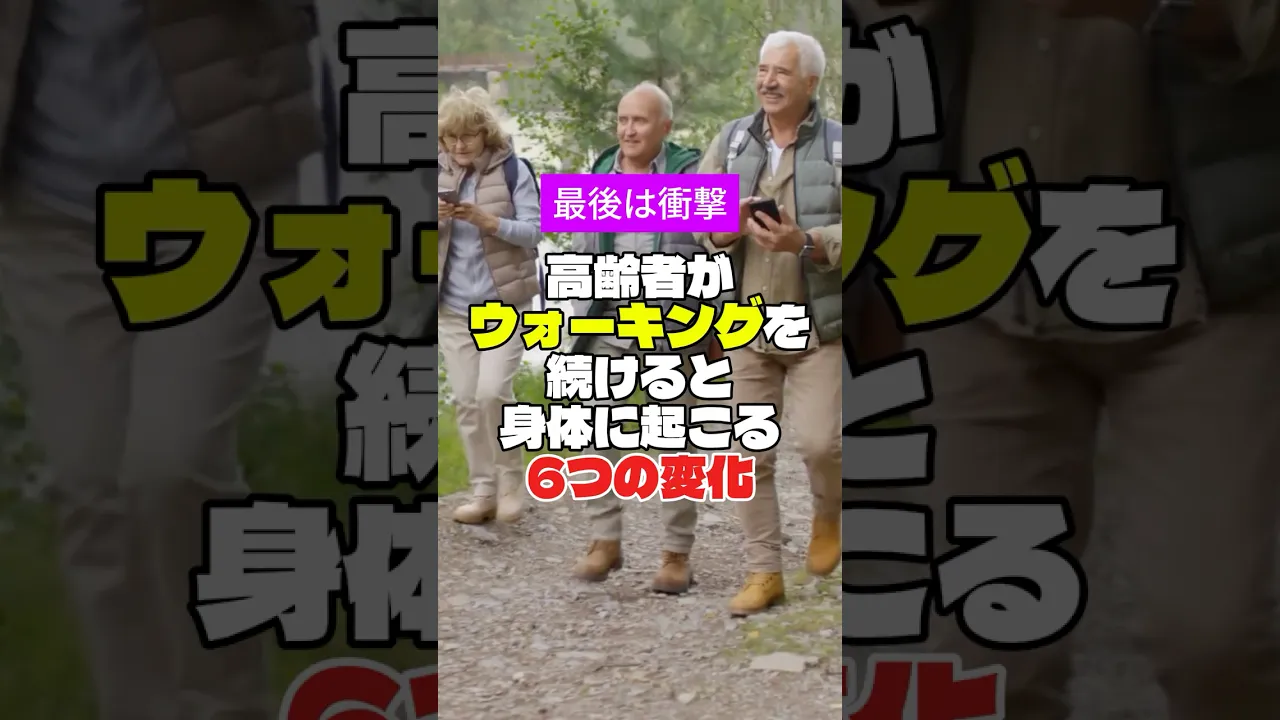
Walking, which can lift both your mind and body, is easy to start and refreshing.
It’s said that walking can help prevent dementia, improve swelling and cold sensitivity, and boost the release of “happiness hormones.” By paying attention to posture, breathing, and swinging your arms forward and back while you walk, you can increase the exercise benefits.
To keep it up over the long term, it might help to choose places you like as goals or listen to your favorite radio shows or music while walking.
Let’s stay mindful of building a healthy body for our future selves.

ground golfNEW!
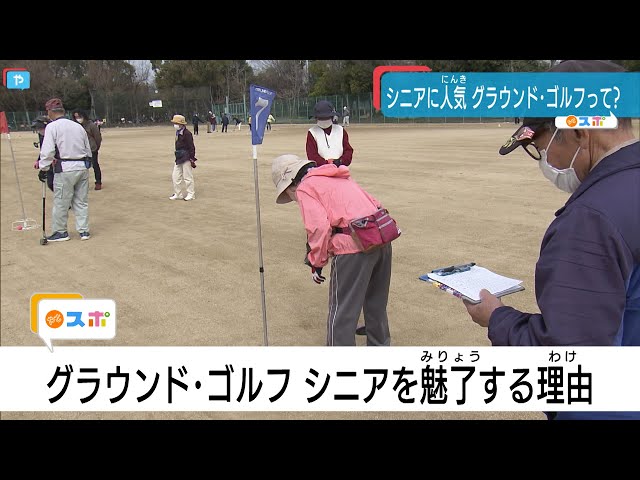
Ground golf is an easy-to-play activity in parks and plazas that doesn’t require a dedicated course; with just a club, a ball, and a post, anyone can enjoy it.
The rules are simple: you compete on the number of strokes it takes to get the ball into the post.
Since you don’t loft the ball into the air like in golf, it seems safe for seniors to enjoy as well.
It’s similar to gateball, but ground golf is an individual game rather than a team sport.
It also appears to be popular because its rules are simpler than those of gateball.

danceNEW!

Dancing to music, moving your body in time, is a perfect sport for socializing and maintaining health.
Movements like following the music and learning choreography also serve as brain training.
If you’re worried because of pain in your legs or lower back, it might be good to start by sitting and focusing on hand and arm movements.
When you dance, prepare non-slip shoes and start at a comfortable pace, taking breaks as needed.
Enjoying dance while communicating with friends may naturally lift your spirits and make you feel more positive.
5-minute oral exercisesNEW!

This is a training routine that helps prevent aspiration and choking, which often occur in older adults.
First, rotate your neck to stretch, then to strengthen the area around your mouth and inside the mouth, move your mouth deliberately while pronouncing “aaah” and “eeeh.” Next, puff out your cheeks and move your tongue.
Once you’ve finished everything, move on to the Pa-Ta-Ka-Ra swallowing exercises.
This exercise involves saying the four syllables “pa,” “ta,” “ka,” and “ra” out loud to strengthen the tongue and throat.
Start by saying “pa” five times in a row, then repeat it faster after you finish.
Do the same for the remaining syllables.
At-home throat trainingNEW!

Throat decline doesn’t only make it harder to speak; it can also affect swallowing and lead to choking incidents.
To help reduce the risk even a little, here are some simple exercises you can do daily.
First, inhale for three seconds and exhale.
Next, consciously engage the muscles around your mouth and cheeks and move your mouth widely while saying “u” and “i.” Then continue with sticking out your tongue, varying your pitch, and swallowing a small amount of water.
These simple exercises are suitable for anyone, so please give them a try if you like.
Gokkun trainingNEW!

Swallowing is something we could do without thinking when we were younger.
However, many people feel that as they get older, they cough or aspirate more often.
Because there’s also a risk of choking, if you feel you can’t swallow well, try “gokkun” training.
Prepare some water, then practice swallowing while checking your tongue position and by varying the amount you swallow.
Simply performing the act of swallowing with awareness becomes training.
Let’s improve your swallowing ability and enjoy meals safely.
Goo-Paa ExerciseNEW!

This “rock-paper” exercise is perfect for brain training and a great idea for preventing dementia.
First, sit in a chair and relax with deep breathing and stretches.
Then extend both arms in front of your body, make a “paper” with your right hand and a “rock” with your left.
Switch them to the rhythm.
Next, add marching in place and move the same way.
After that, add arm movements.
The difficulty will gradually increase, so your head might get confused, but do it at a pace that works for you.