

Recreation Activities Effective for Long-Term Care Prevention for Seniors

This article introduces recommended recreational activities for preventing the need for long-term care.
We’ve gathered a wide range of options, including exercises and games that move the hands and feet, as well as quizzes that engage the mind.
Doing recreational activities is effective for physical rehabilitation and dementia prevention.
You can also expect benefits like increased appetite and improved sleep quality as your activity level rises.
It’s also a great opportunity to interact with other older adults who are participating.
Please use this article as a reference and enjoyably put it to use for care prevention.
- For Seniors: Effective Recreation for Preventing Care Needs—Have Fun While Staying Healthy
- [For Seniors] Recommended Easy Strength Training
- [Brain Training for Seniors] Recommended Hand-Play Recreation for Dementia Prevention
- [November Health Topic] Indoor Recreation Ideas for Older Adults
- [For Seniors] Refresh Your Mood! Lively, Get-Moving Games
- [For Seniors] Enjoyable Indoor Activities! Recreations and Games That Engage the Mind and Body
- Recommended recreational activities to help seniors enjoy their time in care facilities
- [For Seniors] Enjoyment at Day Care: A Roundup of Games and Recreational Activities
- [For Seniors] Extremely Effective Brain Training! A Fun Collection of Hand Games
- [October Health Topic] Introducing Recreational Activities for Seniors!
- For Seniors: Enjoy Every Day! A Collection of Senior Recreation Ideas
- [For older adults] Music recreation that helps boost mood and improve health
- [March Health Topic] Introducing Recreational Activities for Seniors!
[For Older Adults] Recreational Activities Effective for Preventing the Need for Care (1–10)
Swallowing muscle trainingNEW!

Some people may choke while eating or wake up at night coughing on saliva.
How about trying swallowing muscle training? This training focuses on the larynx, which serves as a lid for the trachea, to strengthen the muscles used for swallowing.
Lie on your back, bend your ankles to 90 degrees, and slightly lift your head.
Keep looking at your toes and hold that position for 60 seconds.
There’s also a method for abdominal exercises using a towel, so give it a try if you like.

Swallowing Exercises: Cheek Training EditionNEW!
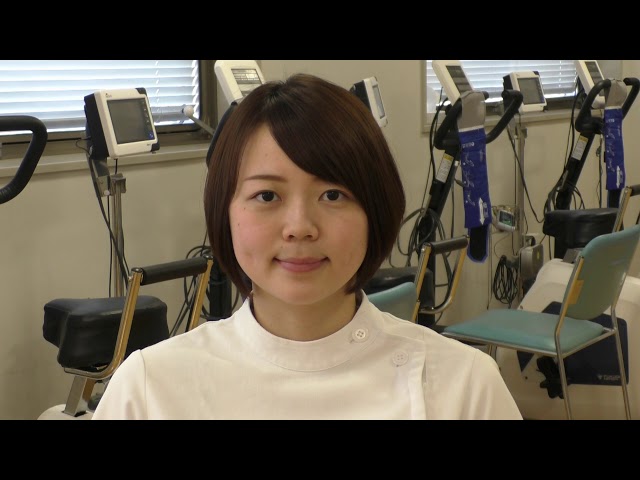
If you have trouble swallowing food, try strengthening your cheeks! First, pucker your cheeks tightly as if sticking the insides of your cheeks to your teeth.
Next, with your mouth closed, pull the corners of your mouth to the sides as if making a smile.
It might help to picture a smiley-face mouth! Finally, puff out your cheeks as if filling your mouth with air and blow them up like “poo.” Try each for about five seconds.
It’s a quick exercise you can do right away, so why not try adding it before meals?

Improve swallowing with foot stretchesNEW!

Many people may wonder, “How does training the legs, which are far from the mouth, help with swallowing?” In fact, when the legs—specifically the hamstrings—become tight, your back ends up pressed against the chair back and your head juts slightly forward, creating poor posture.
Poor posture can negatively affect swallowing.
To improve this, first sit shallowly on a chair and extend one leg with your toes pointing upward.
Then tilt your body forward as if you’re trying to touch your chin to your toes.
Hold this position for 30 seconds.
When you’re done, do the same on the other leg.
The effect is temporary, so be sure to do it every day!
[For Older Adults] Recreational Activities Effective for Preventing the Need for Care (11–20)
Energetic Stepping ExerciseNEW!

When you want a full-body workout, walking is an easy option, but there are times when it’s difficult for those with mobility issues or due to the weather.
In that case, let’s do a seated marching exercise that moves your whole body while staying in a chair.
First, take deep breaths and do some warm-up stretches.
After the warm-up, march your feet while counting out loud and add movements like raising your hands, opening both hands, and rolling your shoulders.
Finally, cool down to relax your body and finish.
Let’s move the whole body to maintain and improve muscle strength.
Rhythmic exercises while seated

As an effective recreation for preventing care dependency, how about seated rhythm exercises? Move your arms and legs to the beat while counting.
Start by moving your arms forward and backward, and up and down.
Once you’re used to the arm movements, add leg movements as well.
Paying attention to maintaining good posture and moving your body firmly in time with the rhythm can make it even more effective.
Because it can be done while seated, it’s safe and accessible for older adults—one of its key advantages.
For older adults with stable standing balance, it’s fine to do the exercises standing.
Please do them within a comfortable range suited to each person’s condition, without overexertion.

finger exercises

Let’s do finger exercises to help prevent dementia! While counting from 1 to 10, raise and lower your fingers in order.
The key is to move your fingers while speaking out loud clearly! Once you get used to it, increase the difficulty a bit.
This time, add claps between the numbers.
Repeat the pattern of counting while raising your fingers, clapping, then counting while raising your fingers again.
Because this combines several actions—moving your fingers while speaking, remembering the numbers, and clapping—it’s effective for stimulating the brain.
This video also introduces a much more advanced version, so be sure to check it out for reference.
Three exercises to straighten your back
@hapreha Stand up straight! Improve your posture 💪 Don’t let anyone call you old ☝️ Top 3 strength-training exercisesPreventive Care ExercisesDementia preventionFall prevention#HappyRehabLate-stage elderly
Original song – Happiriha – Happiriha | My 82-year-old mother's vitality habits
Many older adults find their backs getting more rounded with age year by year.
Has slouching led to issues like stiff shoulders or lower back pain? Here, we introduce three exercises to help straighten your posture.
The “Back Sway Exercise,” where you clasp your hands in front while seated and gently sway; the “Chest-Opening Stretch,” done by clasping your hands behind you; and the “W Exercise,” where you bend both elbows to make a W shape and open and close your arms.
All can be done while seated, so you can even try them while watching TV.
Feel free to incorporate them casually in little moments throughout your day.