

[For Seniors] Ideal for Dementia Prevention: Easy-to-Practice Reminiscence Therapy Topics


In recent years, “reminiscence therapy” has been drawing attention as a way to help prevent dementia in older adults.
Reminiscence therapy is a type of treatment that activates the brain by recalling and talking about one’s past and earlier experiences.
It is believed to help prevent dementia and slow its progression, and is being adopted in elder care facilities such as day service centers.
There are many themes related to the past that can be used when conducting reminiscence therapy.
So this time, we’ll introduce themes that are useful for reminiscence therapy and can be frequently used in caregiving settings.
Please feel free to use them as a reference.
- [For Seniors] Brain Training! Recall Quiz Collection!
- [For Seniors] Conversation starters that help you chat: engaging questions and topics to spark lively talks
- [For Seniors] Fun and Engaging Brain-Training Recreation
- Recreation Activities Effective for Long-Term Care Prevention for Seniors
- [Brain Training for Seniors] Recommended Hand-Play Recreation for Dementia Prevention
- Fun, engaging topics for conversations with older adults!
- Conversations Made Easy! A Collection of Topics That Elderly People Enjoy
- [For Seniors] Great for Brain Training! Question Card Ideas
- [For Seniors] Recommended Even for People with Dementia! Simple Recreational Activities
- [For Seniors] January Trivia Quiz & Fun Facts. Brain training with quizzes about New Year and winter.
- Hand games that liven things up for seniors—also great brain training
- [For Seniors] Recommended Brain Training! Classic Riddles
- Fun Brain Training! Memory Games for Seniors
[For Seniors] Ideal for Dementia Prevention: Easy-to-Practice Reminiscence Therapy Ideas (1–10)
Local regional cuisine and tourist attractions
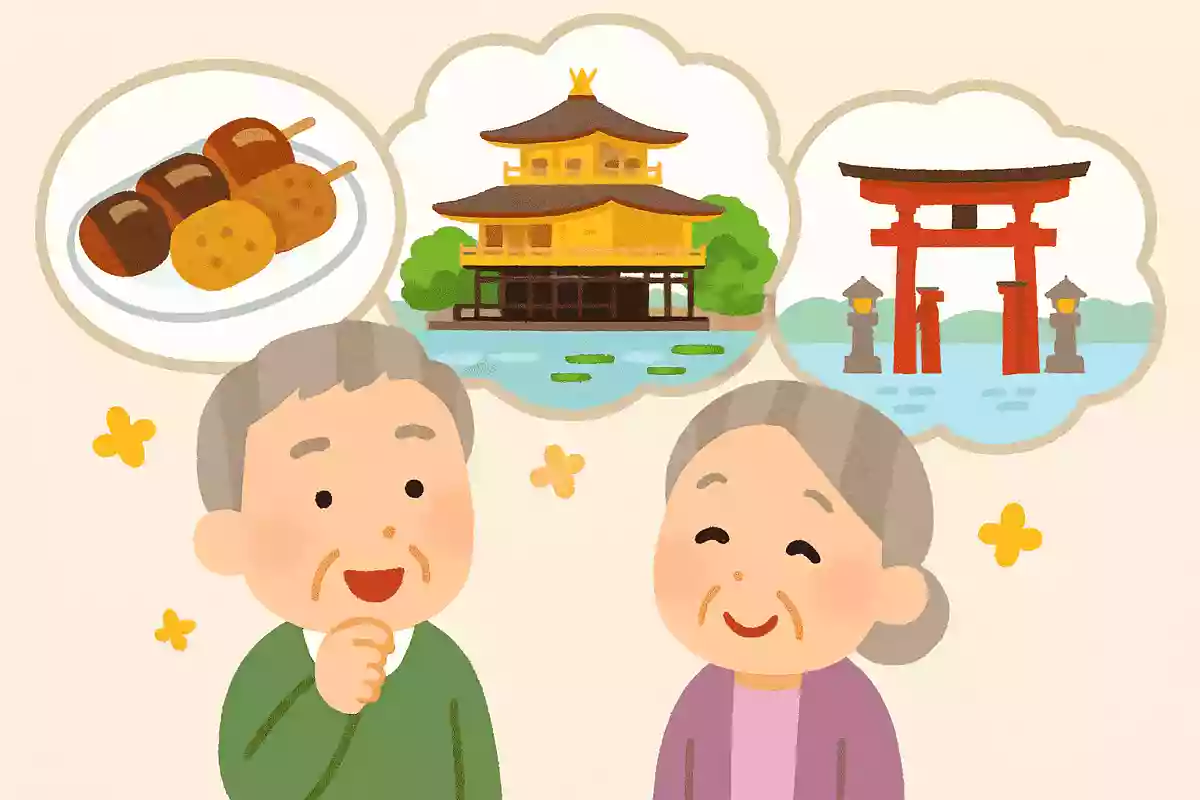
Did you know that memories like “places you used to visit” or “family meals around the table” can help prevent dementia? Among reminiscence techniques, topics such as “local traditional dishes” and “tourist attractions” are especially easy to put into practice and are expected to stimulate the brain.
Recalling nostalgic flavors and scenery sparks conversation and helps trigger the retrieval of memories.
In care settings, discussions about local landmarks and signature foods elicit good responses, and using photos or old maps makes them even more effective.
Because these are familiar topics, they’re easy to incorporate into daily life and are a recommended approach that can help slow the progression of dementia.

A story about a pet I used to have
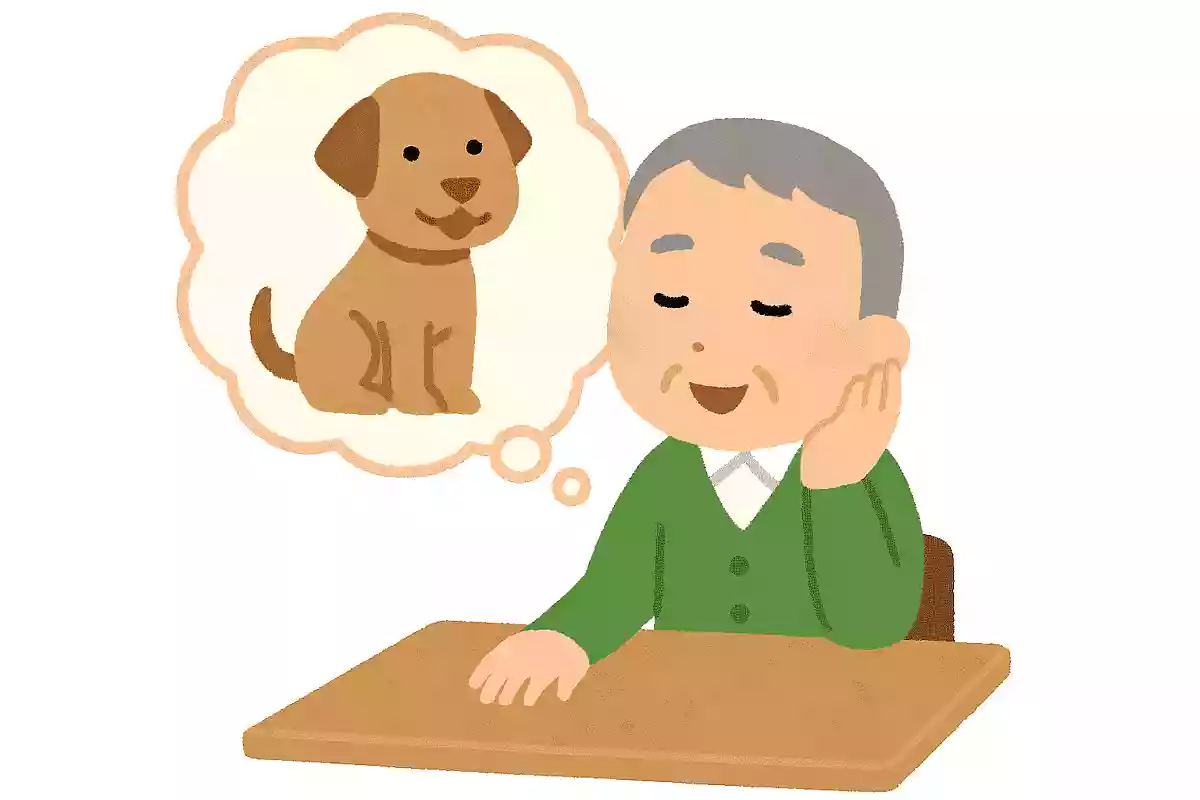
“I used to have a dog.” Reminiscence that begins with a simple line like this is highly effective for preventing dementia.
Among such topics, “stories about pets we used to keep” are especially good at drawing out memories strongly tied to emotions, which helps activate the brain.
Talking about walks with the pet, the origin of its name, or its little quirks naturally brings smiles and encourages conversation.
It’s easy to put into practice in care settings, and it’s even more effective when talking while looking at photos.
Animal-related memories are common to many people, fostering interaction with other participants as well.
Because it’s a familiar, heartwarming theme, it can greatly help slow the progression of dementia.
Meeting my spouse
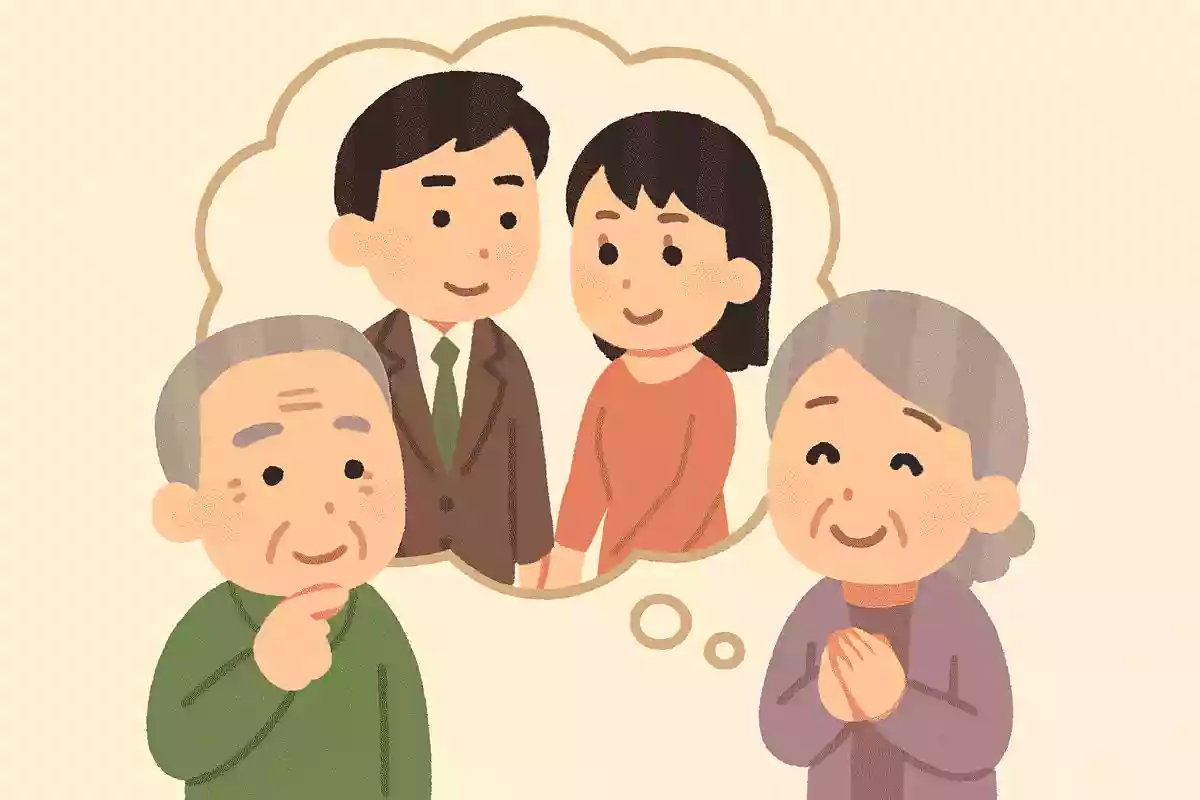
Meeting people is one of life’s precious treasures, and many people may especially cherish how they met their spouse.
How about inviting them to recall and share the story of how they met their partner and how that relationship developed? Since it’s impossible to predict how people will meet and what kind of relationship will grow from it, some might have truly surprising stories.
Noticing how each person’s path has been different could also be a great conversation starter.

[For Seniors] Ideal for Dementia Prevention: Easy-to-Practice Reminiscence Therapy Ideas (11–20)
Clothing from the past
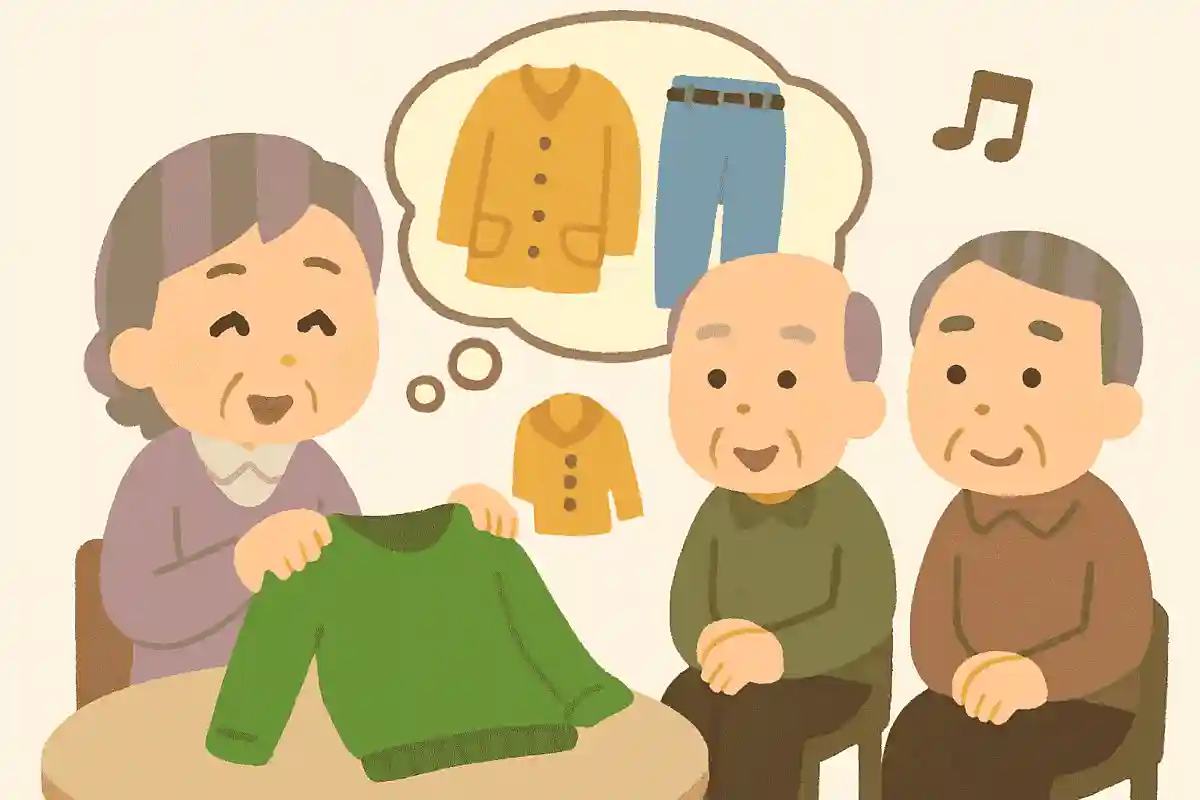
By learning about older adults’ clothing history, you may get a glimpse of what life was like at the time.
The Showa era in particular saw many changes in Western-style clothing.
As the years passed after that, clothing seems to have come closer to today’s fashion.
It might be good to ask, in order, about the clothes they wore as children, during their school years, and after becoming adults.
This can also lead to recalling past events.
By remembering the past, one can connect to the present and be reminded of the current time and season.

How old would you like to be again?
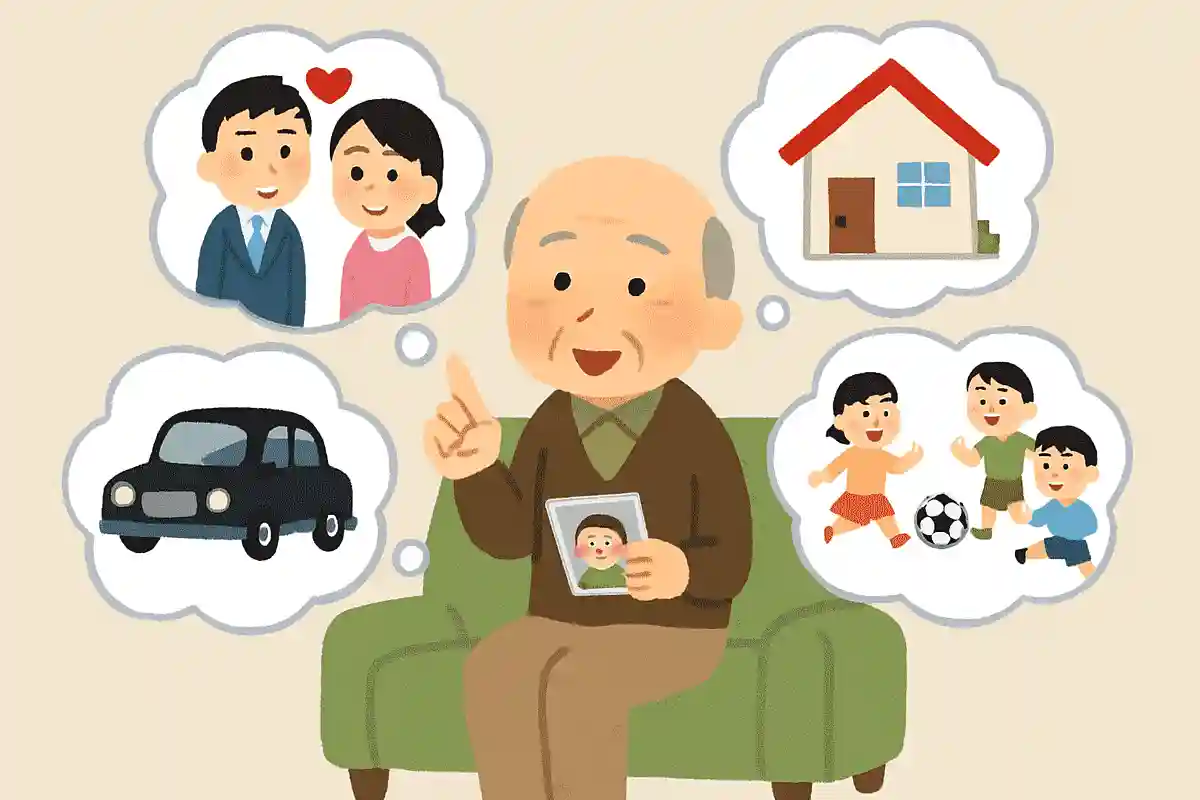
An idea to share the age you’d like to go back to in your life, along with the reasons.
Everyone has special moments—things you were passionate about when you were young, time spent with family, or periods when you worked especially hard.
By talking about what you’d want to do if you could return to that time, the conversation will come alive as you recall how you felt back then.
It can also be interesting to discuss what you’d challenge yourself to do if you could go back with the knowledge and experience you have now.
Reflecting on the past might help you notice the fulfilling parts of your life and the important things you can only understand now.
By listening to others, you can sense both the differences and the common threads in each person’s life, making it a topic that deepens conversation.

A bittersweet event from my younger days
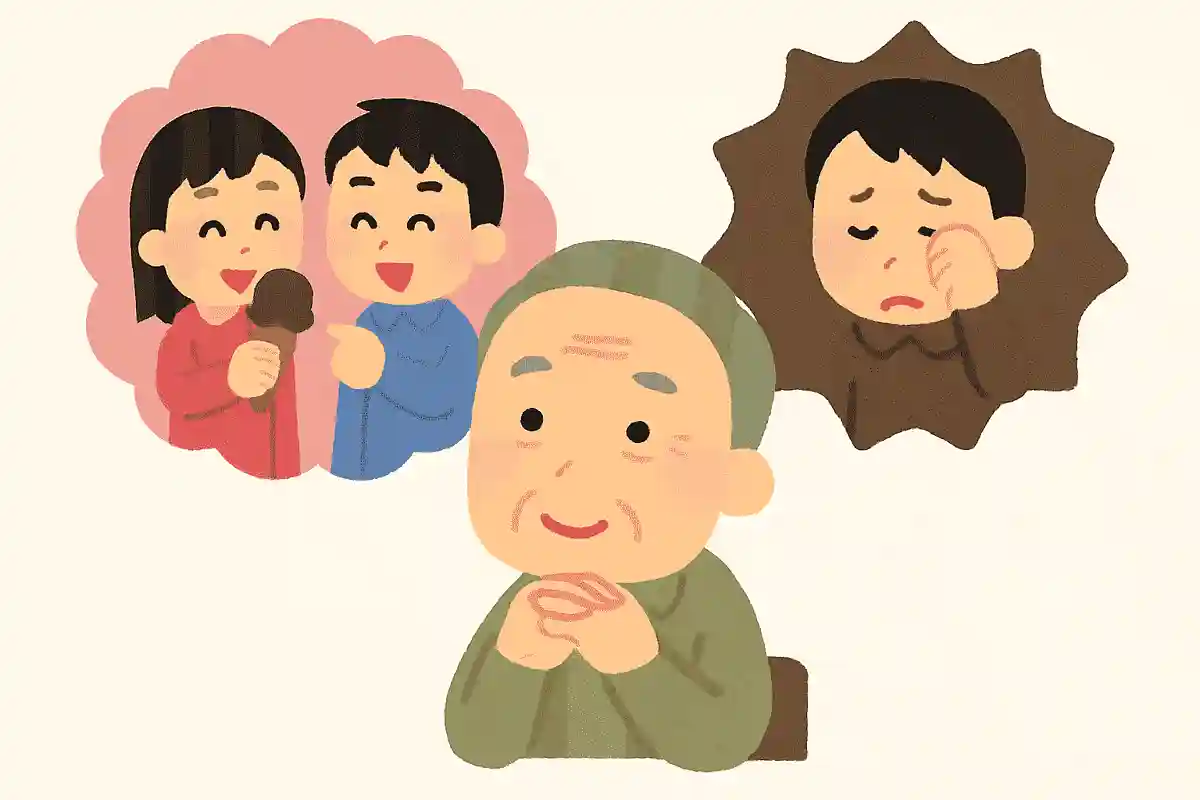
This is a conversation theme about sharing youthful memories that linger in your heart no matter how many years pass.
Talking about those bittersweet moments from your younger days brings a wave of nostalgia and a smile to your face.
First-time experiences, heart-racing moments, and memories that stirred your emotions can come back vividly even with the passage of time.
By recalling how you felt back then as you speak, you can rediscover who you were and see how it overlaps with who you are now.
It can also spark lively conversation as others who’ve had similar experiences empathize.
Those bittersweet memories are now a precious part of your life.
Looking back on them lets you spend time cherishing the person you were then.
Childbirth and childrearing
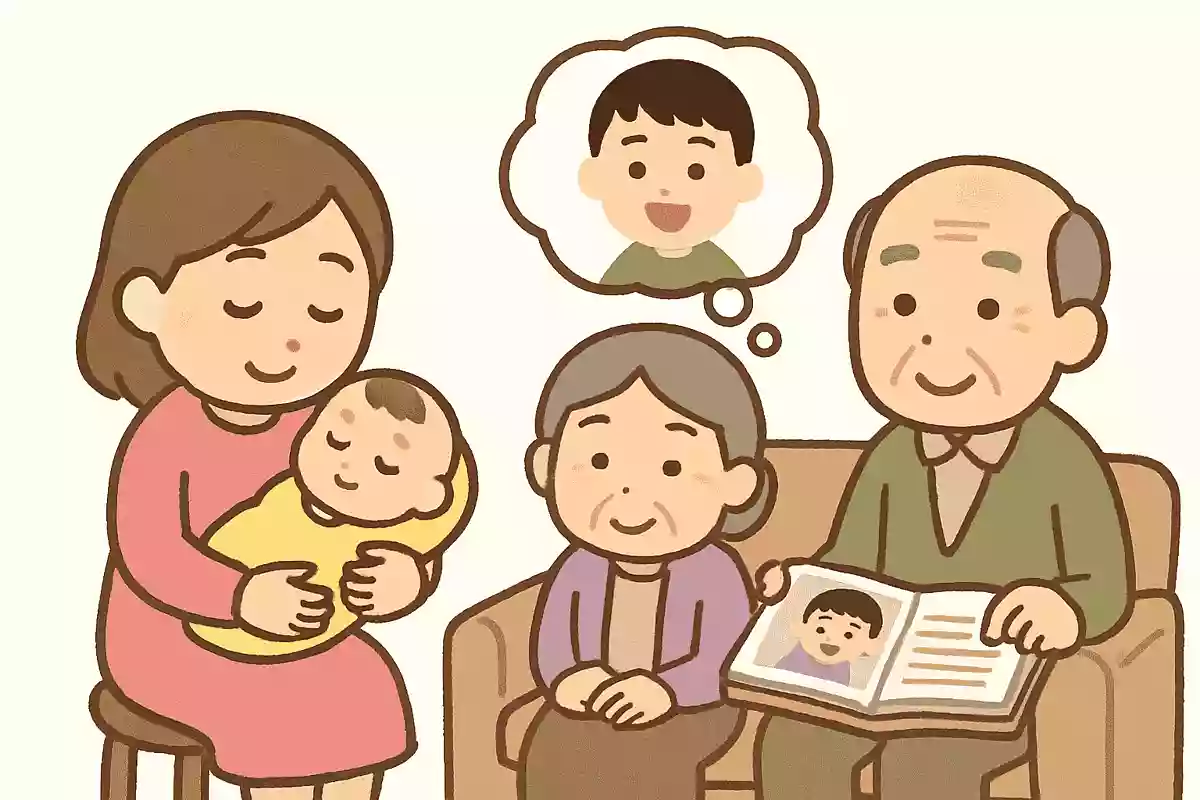
Ask older adults who have experience with childbirth and child-rearing about what it was like back then.
Encouraging them to recall details—such as how many children they had and what they found most challenging—can help stimulate the brain.
Today, it’s an era when fathers are actively involved in parenting, with terms like “ikumen” and systems such as postnatal paternity leave.
Many older adults may still picture “fathers working outside” and “childcare as the mother’s job.” Even so, both partners likely found joys in parenting amid the difficulties.
Please do ask them about it.