

Hand games that liven things up for seniors—also great brain training

Hand-based activities are a fun and effective way for older adults to stimulate the brain.
Even simple hand games can stimulate the brain by moving the fingertips, helping to maintain or improve cognitive function.
In addition, doing them to music or together with others naturally brings more smiles and increases opportunities for communication.
In this article, we introduce hand games that are easy for seniors to enjoy without strain and also work as brain training.
Incorporate easy activities into your routine to maintain your health while having fun!
[For Seniors] Lively Hand Games That Also Train the Brain (1–10)
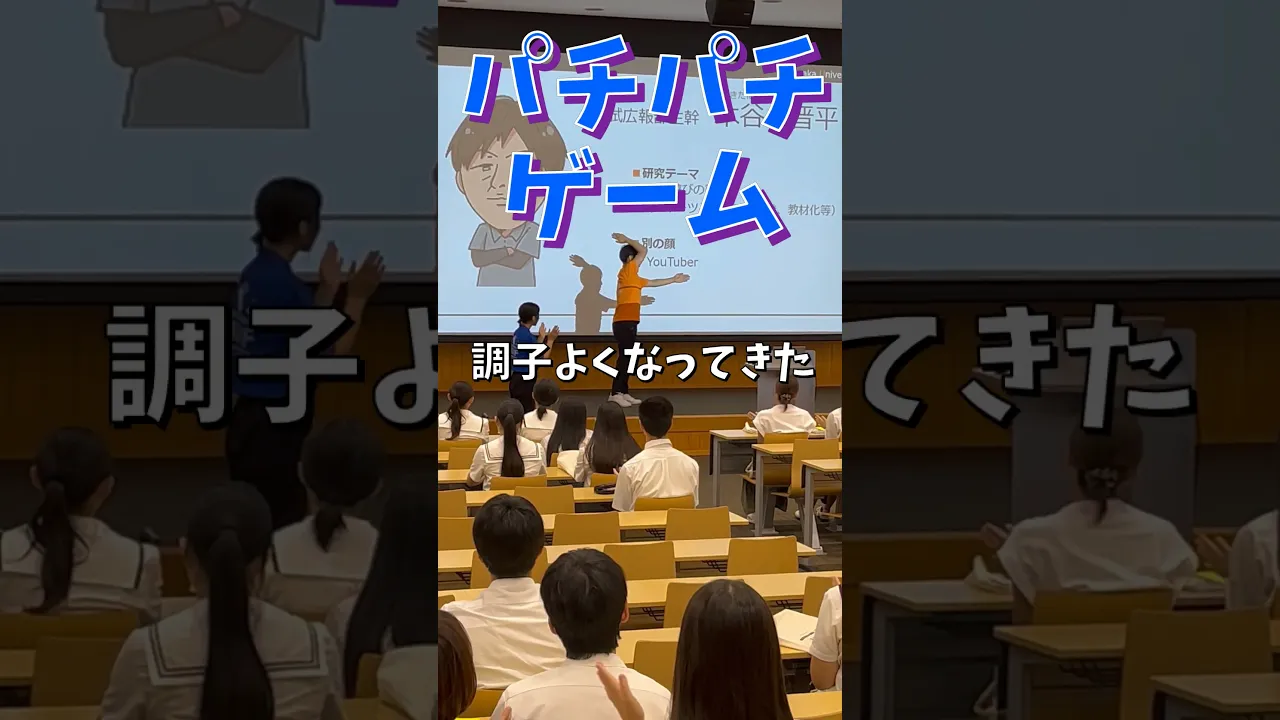
Clap-Clap Game

This is a game where everyone tries to clap right in time with the designated person’s movements.
The designated person turns to the side, extends one hand, and then brings the other hand over to overlap it.
Everyone claps at the exact moment the hands meet.
If the hands come together too slowly, it’s hard to sync the sound, so keep a certain pace.
While you might expect a steady rhythm, the key to making the game exciting is throwing in twists—like not letting the hands meet on the final beat.

OK finger exercise

Consciously moving your fingers helps activate the brain, improve circulation, and support smoother daily life.
This simple exercise strengthens and improves finger movement by intentionally engaging your fingers.
You’ll alternately perform a clenching-and-opening motion and a wrist-twisting motion, while also checking that you’re moving properly.
It’s also recommended to do the same with your toes, not just your hands, to help promote circulation throughout your entire body.
Song of the Frogs

Hand-play activities set to the song “Kaeru no Uta” (Song of the Frog) can be expected to stimulate the brain by moving the fingers in rhythm.
For example, you can alternately form a snail shape with your hands in time with the song, and, playing on the word “kaeru” (which also means “to flip/turn over”), add a motion where you turn your hands upside down mid-routine to boost both fun and focus.
If you also extend your hands forward to make a ‘open palm’ (pa) shape, then pull them back into a ‘fist’ (gu) shape, you’ll be coordinating fingers and arms in different ways, which helps train judgment and reflexes.
By adding variations to the movements, it’s easier to keep going without getting bored, and because it can be done while seated, it’s a recommended recreation activity in care settings.

Yakiimo goo-choki-pa

Here is an idea for a hands-on rhythm game called “Yakiimo Goo-Choki-Paa.” It’s a simple activity where you move your hands like rock-paper-scissors in time with the lyrics, but syncing to the rhythm stimulates the brain and quickly turns it into training that uses judgment and reflexes.
The motions naturally bring smiles as you play, easing tension and sparking interaction with those around you.
Although the movements are simple, they unexpectedly engage both mind and hands, making it easy to try and hard to get bored of.
Because it’s done while seated, even those concerned about their stamina can participate comfortably.
Number Exercises

Let me introduce a fun exercise that adds numbers to hand play.
For each number from about 1 to 4, you add a specific hand movement.
For example, touch your head for 1, clap your hands for 2, and so on.
You can do it while seated, so it’s great for group recreation.
The most important thing is to approach this exercise with a sense of enjoyment.
If participants try too hard not to make mistakes while matching the numbers called out by the staff, older adults may feel pressured.
Please create an atmosphere where it’s okay to make mistakes as you do the exercise.
You’ll surely have a lively time together with the older adults.

hanging towel

Let me introduce a unique game that uses towels.
Prepare towels about the size of a face towel.
Stand at a distance and throw the towels so they hook onto a target stick.
Each person throws three towels, and you compete to see who can get the most towels onto the stick.
Since you’re throwing towels that you normally use to wipe your face or hands, the unexpected twist makes it lively and fun.
You can also replace the stick with a basket and turn it into a game where you throw the towels into the basket.
It can be played while seated, so it should be easy for older adults to take part as well.
butterflied sardine(s)

The hand game “Iwashi no Hiraki,” where you flap your hands open and closed, is simple yet uses the fingers precisely and stimulates the brain.
Repeating it to songs or rhythms improves concentration and may help prevent cognitive decline.
It can be done while seated, so it’s easy on older adults, and even those who aren’t comfortable speaking up can participate easily.
If you randomly change the type of fish to match the number of fingers, it stays engaging without getting boring.
It’s a quick, fun brain training activity recommended for seniors.