Haiku have a unique depth of flavor that belongs to the winter season.
From the cold moon and the first winter showers to the soft fall of snow, there are countless famous verses that richly capture these scenes.
For older readers in particular, encountering haiku filled with nostalgic landscapes and memories can warm and soothe the heart.
This time, we will introduce winter haiku composed by Japan’s leading poets, such as Matsuo Bashō and Yosa Buson.
We have carefully selected beautiful verses that conjure vivid scenes the moment you close your eyes.
Why not relax and immerse yourself in the world of haiku, while also noting the playful expressions and turns of phrase?
[For Seniors] Winter Haiku: Introducing Beautiful Masterpieces by Famous Haiku Poets (1–10)
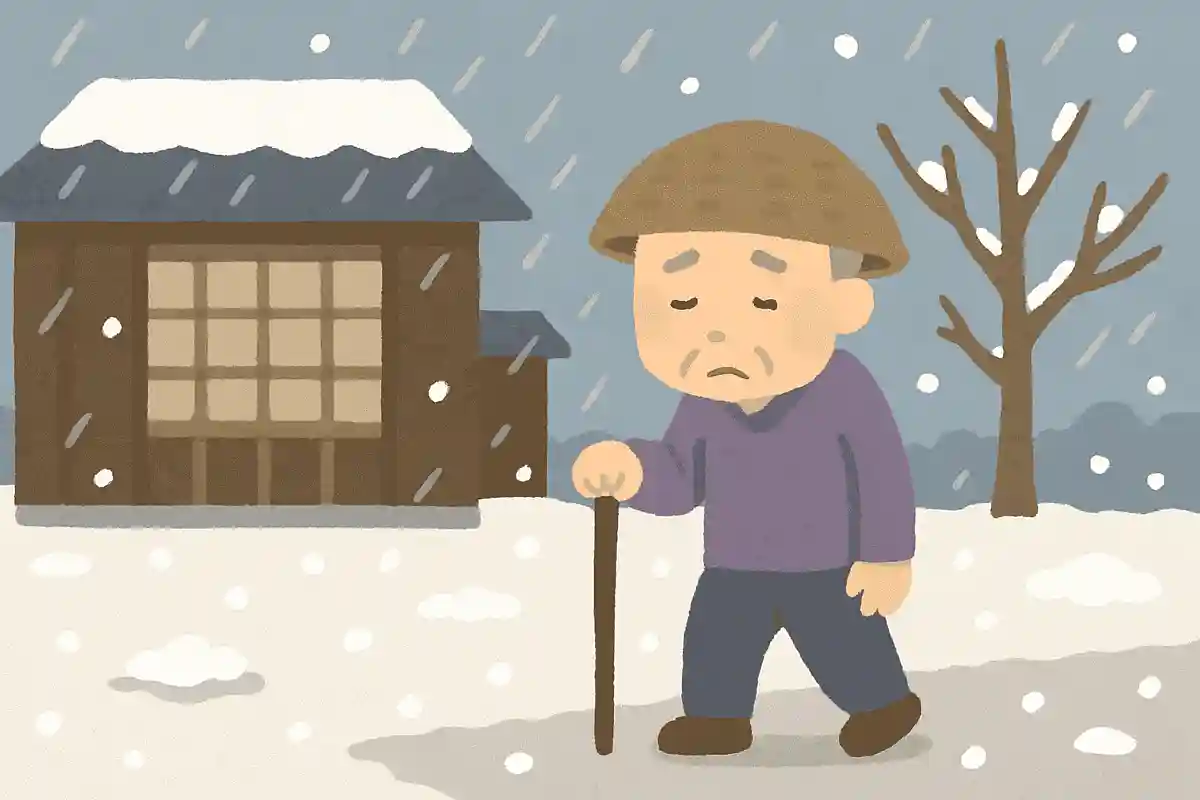
Even if the lodging is cold, let it be a shower of people.Matsuo Bashō
This is a haiku composed by Matsuo Bashō, who was born in Iga in the early Edo period.
It is said to have been written for a gathering of haiku poets at Hairikutei in Iga Ueno, expressing the thought that even if it turned cold, a shower of winter rain falling here would make the gathering all the more atmospheric.
You can sense Bashō’s chic sensibility and passion for haiku, his desire to enjoy elegance during an overnight retreat with fellow poets who could refine their craft together, and the very mood of the occasion.
It is a deeply evocative haiku, isn’t it? The gathering of like-minded companions must have been delightful.
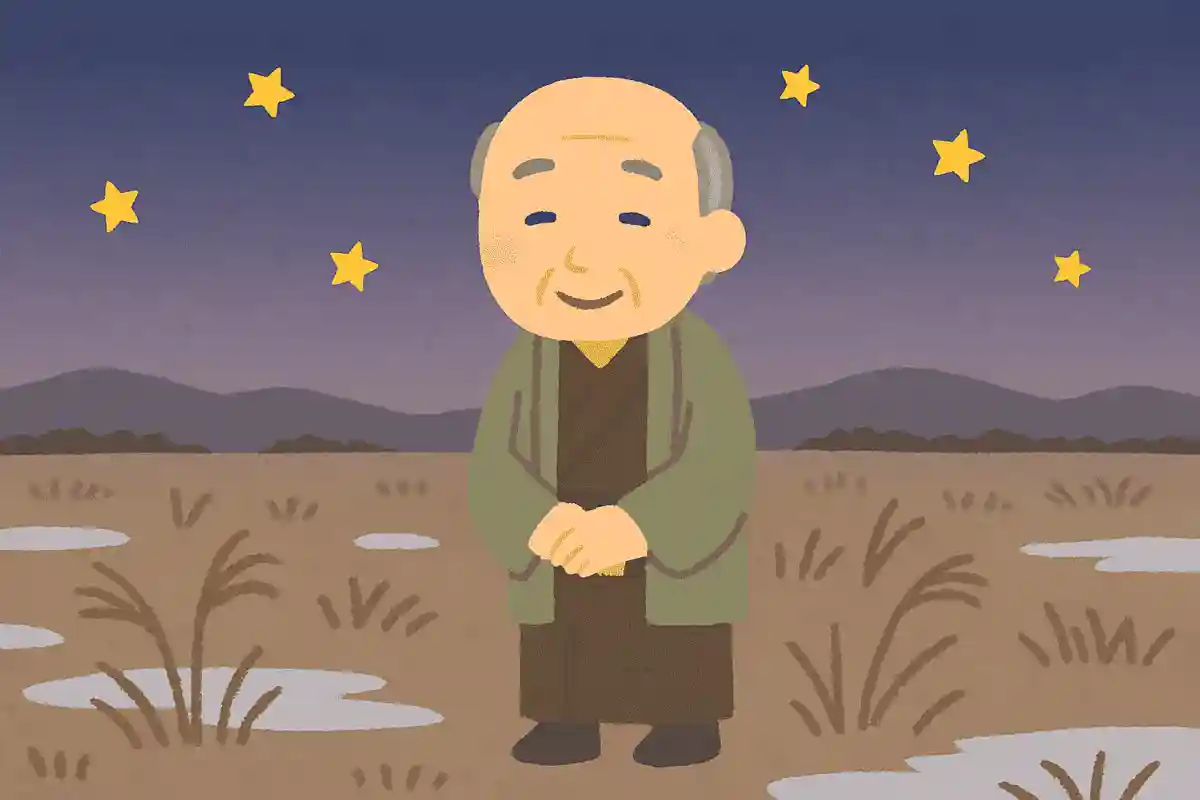
Before dawn, stars still shining—withered field.Yosa Buson
Yosa Buson, a haiku poet of the mid-Edo period, was born in Osaka, went to Edo, and eventually settled in Kyoto.
He was also known as a painter, and perhaps for that reason his haiku are painterly, with beautifully rendered landscapes.
Kuremadaki refers to the time when it is not yet fully dusk, with a little while left before nightfall.
The scene of stars beginning to appear one by one in the darkening sky, with withered fields spreading beneath them, is beautiful; the contrast between the barren fields and the stars, and even the atmosphere of that time, can be felt in the haiku.
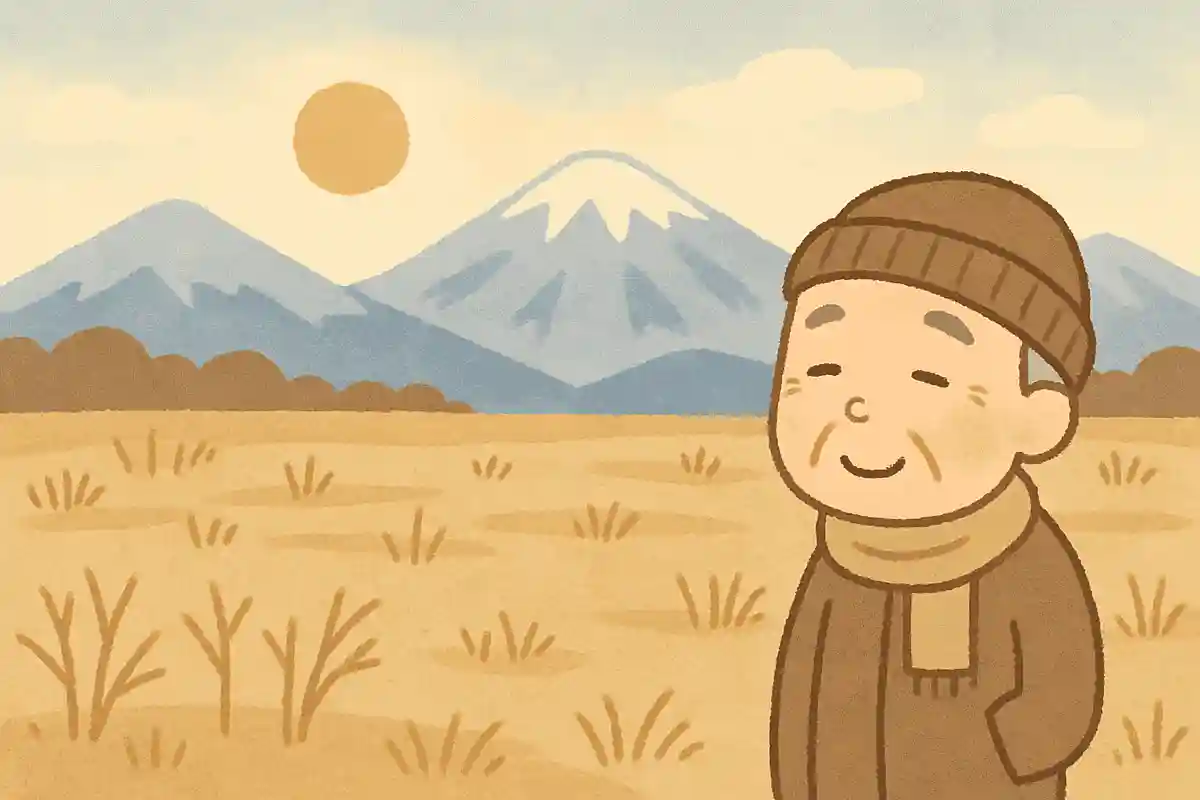
On distant hills, sunlight falls—withered field.Kyoshi Takahama
Here is a haiku written in 1900 by Kyoshi Takahama, who was born in 1874 and was also a student of Masaoka Shiki.
At first glance, it seems to simply describe the scene of sunlight falling on a distant mountain beyond a vast field of withered grass—already a beautiful landscape.
Yet the contrast between the sunlit mountain and the bleak field, or the idea that the distant mountain might stand for ideals, hopes, or goals, while we ourselves are walking across the withered field toward it, stirs many interpretations.
The poem also conveys a vivid sense of presence, as if you are standing there within the scene.
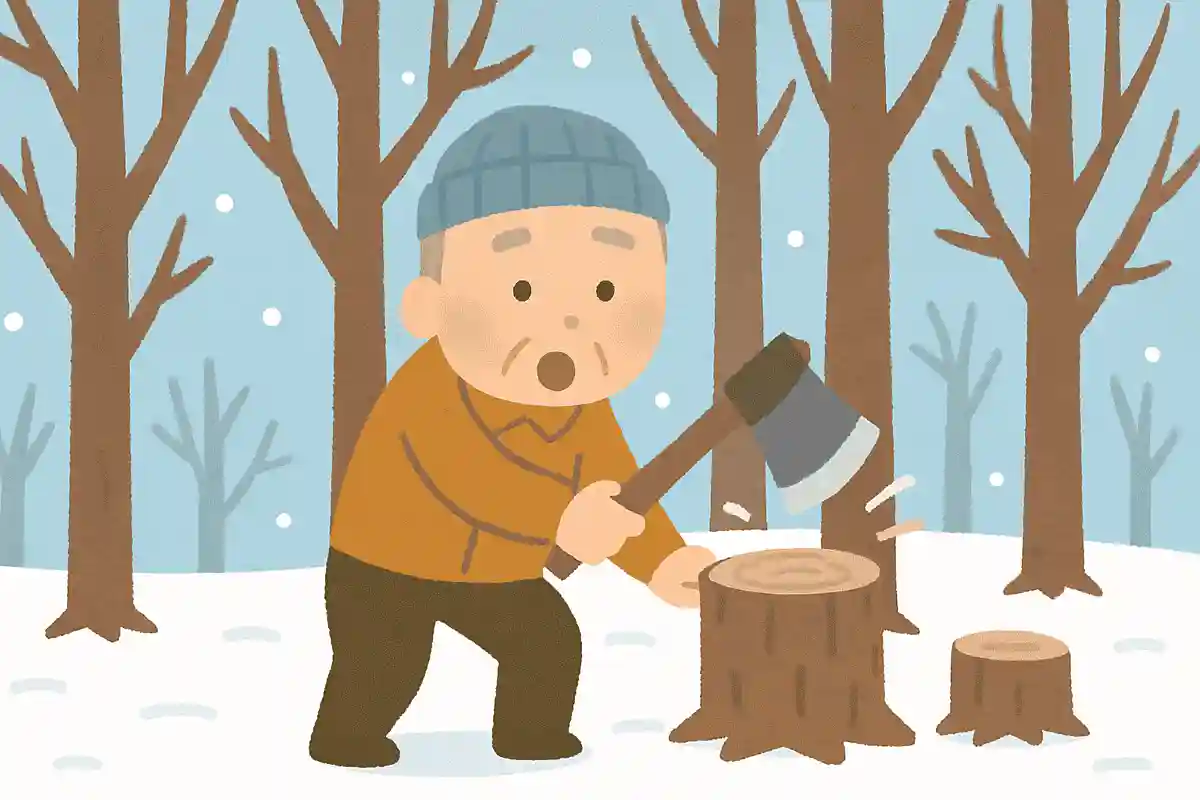
I swing the axe—startled by the scent—winter trees.Yosa Buson
Here is a haiku by Yosa Buson, born in 1716.
Winter is often thought of as a season when everything is asleep, but when an axe is put to the wood, a wonderfully rich fragrance rises up, and we are struck by the power of life; we can also sense preparations for spring and the stirring of new breath.
The contrast is marvelous: in the monochrome of winter trees, the swing of an axe releases a vivid, colorful aroma that had been sealed within.
It’s striking how many different essences are contained in such a short poem.


![[For Seniors] Winter Haiku: Introducing Beautiful Masterpieces by Famous Haiku Poets](https://media.ragnet.co.jp/img/1200__png__https://www.ragnet.co.jp/files/2025/10/b3c78f34aa66449805abf14bfd3582e0.webp)