

[For Seniors] Winter Haiku: Introducing Beautiful Masterpieces by Famous Haiku Poets


Haiku have a unique depth of flavor that belongs to the winter season.
From the cold moon and the first winter showers to the soft fall of snow, there are countless famous verses that richly capture these scenes.
For older readers in particular, encountering haiku filled with nostalgic landscapes and memories can warm and soothe the heart.
This time, we will introduce winter haiku composed by Japan’s leading poets, such as Matsuo Bashō and Yosa Buson.
We have carefully selected beautiful verses that conjure vivid scenes the moment you close your eyes.
Why not relax and immerse yourself in the world of haiku, while also noting the playful expressions and turns of phrase?
- [For Seniors] Winter songs you'll want to hum along to. A collection of classic tunes recommended for BGM and recreational activities
- [For Seniors] Fun Winter Activities: Recreation and Games
- Hand games that liven things up for seniors—also great brain training
- [For Seniors] Introducing Whiteboard Activities to Enjoy in Winter!
- [For Seniors] Haiku for March: Enjoying a Spring Moment with Famous Verses
- [For Seniors] Enjoy the Cold Winter! Simple, Recommended Crafts
- [For Seniors] Get Through the Chilly February! Recommended Health-Themed Recreations
- [For Seniors] Enjoy the Cold Winter! Seated Activities You Can Do
- [For Seniors] Spring Haiku. Spring Activity
- [For Seniors] Extremely Effective Brain Training! A Fun Collection of Hand Games
- [For Seniors] Brain-training with winter-themed quizzes. Great for activities, killing time, and dementia prevention.
- [For Seniors] Hand and finger play roundup: Finger exercises that lead to brain training
- [For Seniors] Fun Riddles That Stimulate the Brain
[For Seniors] Winter Haiku: Introducing Beautiful Masterpieces by Famous Haiku Poets (91–100)
Deep into dusk—late I arrive, a bonfire glows.Takashi Matsumoto
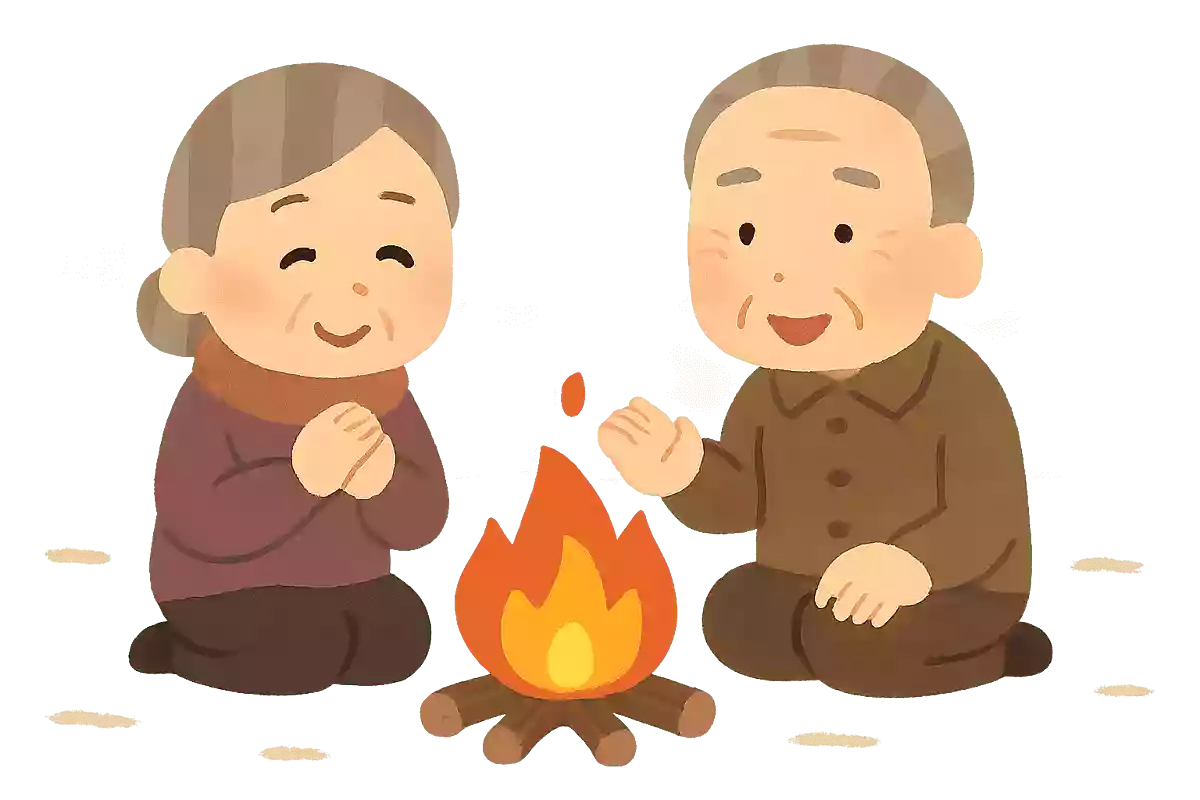
Takashi Matsumoto was a haiku poet active from the Taisho to the Showa era.
He excelled at composing haiku that captured things and scenes just as they were seen.
From the poem “Toppuri to / Ushiro kureishi / Takibi kana,” you can sense the feeling of winter.
It means that while you’re warming yourself by a bonfire, entranced by its light and warmth, when you look back you find that the sun has already set and the landscape has gone completely dark.
Because winter sunsets come in an instant, the poem holds both the warmth by the fire and the passage of time behind it.
The expression toppuri is an interesting touch as well.
Older adults, too, might try composing haiku that capture the passage of time or use playful expressions.

Time and again, I asked how deep the snow was.Masaoka Shiki
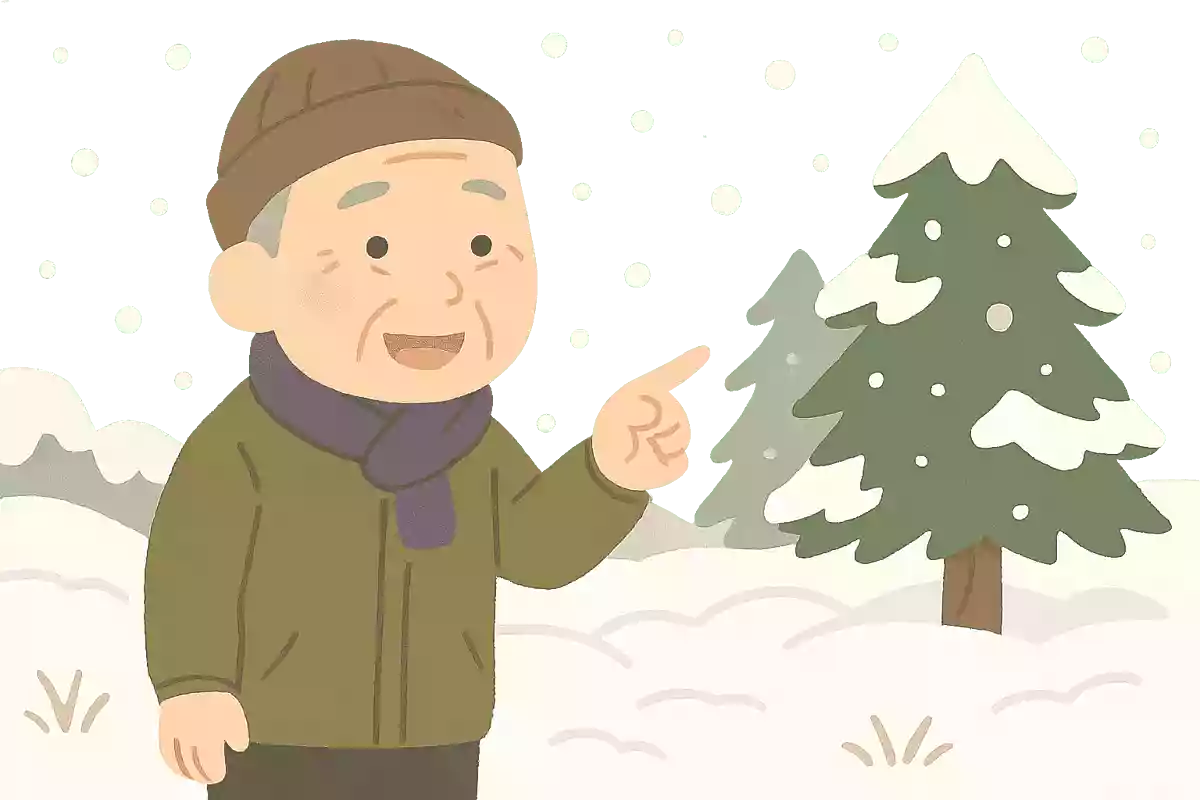
When watching the snow fall from the sky, you sometimes wonder, “How much will it pile up?” Here’s a haiku by Masaoka Shiki that captures that feeling.
From “Many times I asked how deep the snow was,” you can sense how preoccupied the speaker is with the falling snow.
It means something like: I was so curious about how much the snow had accumulated that I kept asking my family about its depth.
You can even sense a slightly playful tone.
Elderly people might also use scenes and events from daily life like this as a reference when composing their own haiku.
In conclusion
Winter haiku capture scenes woven by Japan’s four seasons and discoveries found in everyday life. Enjoying haiku with older adults also leads to encounters with fresh perspectives born from rich life experience. Savor the changing seasons and try your hand at composing haiku, delighting in playful expressions and word choices.