

[For Seniors] Winter Haiku: Introducing Beautiful Masterpieces by Famous Haiku Poets


Haiku have a unique depth of flavor that belongs to the winter season.
From the cold moon and the first winter showers to the soft fall of snow, there are countless famous verses that richly capture these scenes.
For older readers in particular, encountering haiku filled with nostalgic landscapes and memories can warm and soothe the heart.
This time, we will introduce winter haiku composed by Japan’s leading poets, such as Matsuo Bashō and Yosa Buson.
We have carefully selected beautiful verses that conjure vivid scenes the moment you close your eyes.
Why not relax and immerse yourself in the world of haiku, while also noting the playful expressions and turns of phrase?
- [For Seniors] Winter songs you'll want to hum along to. A collection of classic tunes recommended for BGM and recreational activities
- [For Seniors] Fun Winter Activities: Recreation and Games
- Hand games that liven things up for seniors—also great brain training
- [For Seniors] Introducing Whiteboard Activities to Enjoy in Winter!
- [For Seniors] Haiku for March: Enjoying a Spring Moment with Famous Verses
- [For Seniors] Enjoy the Cold Winter! Simple, Recommended Crafts
- [For Seniors] Get Through the Chilly February! Recommended Health-Themed Recreations
- [For Seniors] Enjoy the Cold Winter! Seated Activities You Can Do
- [For Seniors] Spring Haiku. Spring Activity
- [For Seniors] Extremely Effective Brain Training! A Fun Collection of Hand Games
- [For Seniors] Brain-training with winter-themed quizzes. Great for activities, killing time, and dementia prevention.
- [For Seniors] Hand and finger play roundup: Finger exercises that lead to brain training
- [For Seniors] Fun Riddles That Stimulate the Brain
[For Seniors] Winter Haiku: Introducing Beautiful Masterpieces by Famous Haiku Poets (31–40)
The nightingale, shining in the sun, moves from branch to branch.Genseki Tei
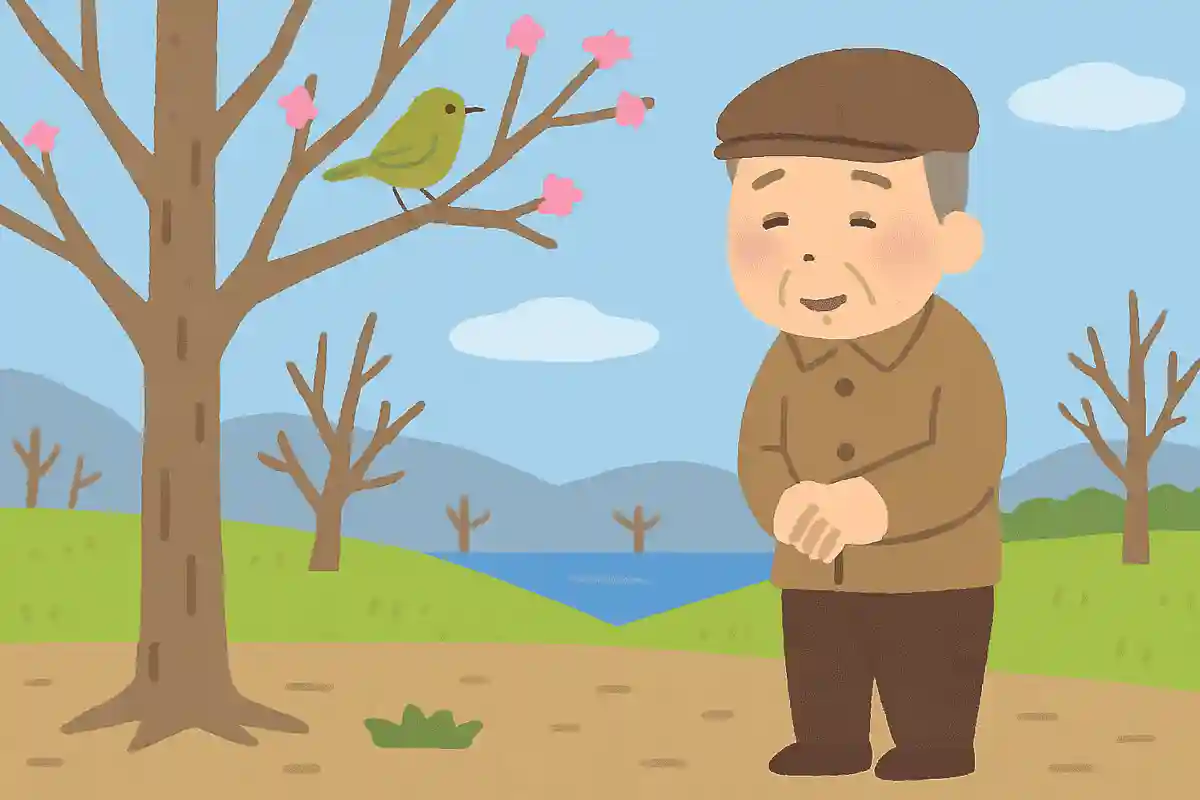
With its distinctive call of “ho-hokekyo,” the bush warbler is a bird that heralds the arrival of spring.
February is still a chilly time of year, yet it’s also a season when we can sense warmth in the sunlight.
Seeing a bush warbler perched on a haiku tree and basking in the sun suggests that spring, with its gentle warmth, is drawing near even amid the cold air.
Let’s try composing haiku that capture the feeling of February, that in-between time bridging winter and spring, as perceived by older adults.
It can also be a chance to revisit memories of past Februaries.

February— plum blossoms at the Tenjin shrineKobayashi Issa
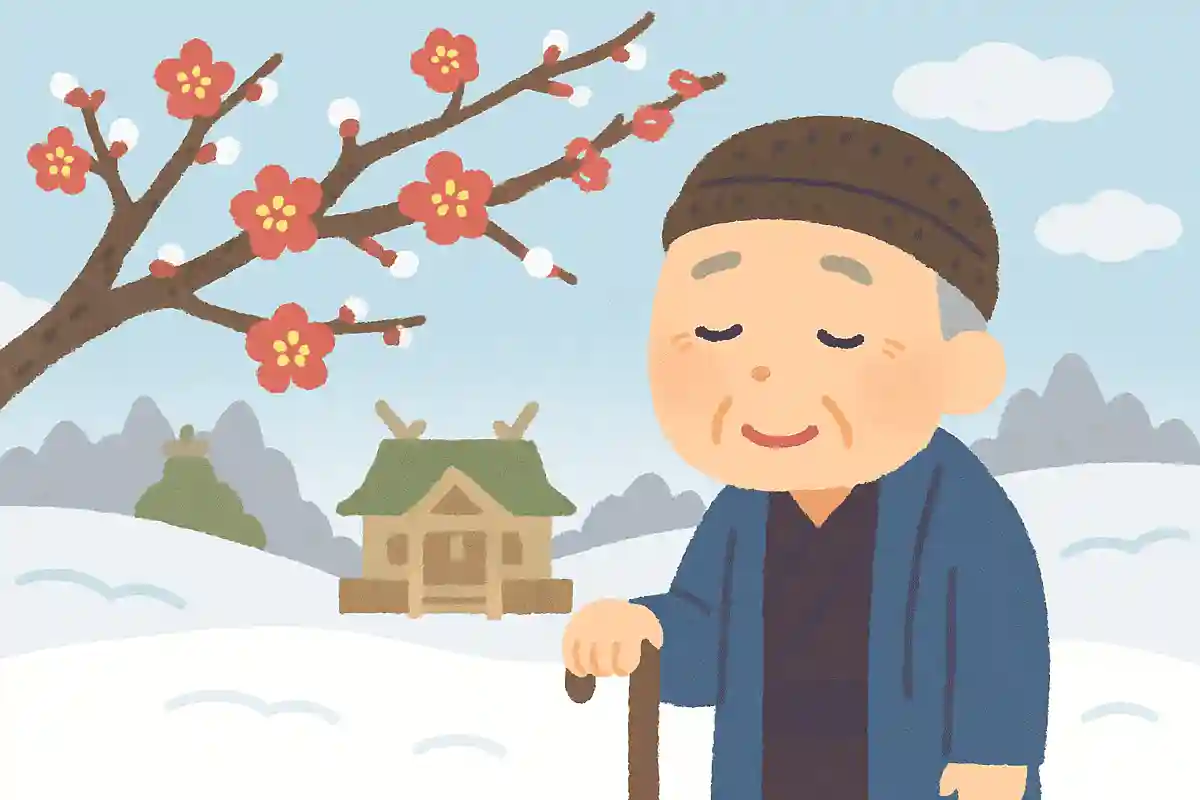
Tenjin-sama refers to Sugawara no Michizane, who was a politician and is also famous as the god of learning.
Because he excelled in many abilities and was widely respected, he has been venerated as Tenjin-sama even after his death.
Sugawara no Michizane is said to have loved plum blossoms dearly, and plum blossoms also appear in this haiku as a seasonal word.
The opening term “Ningatsu” (for February) is considered a colloquial misuse by some, though others say it feels characteristically Kobayashi Issa.
Setting aside which view is correct, I hope you enjoy it as one of the haiku for February.

Snow has melted— the whole village full of childrenKobayashi Issa
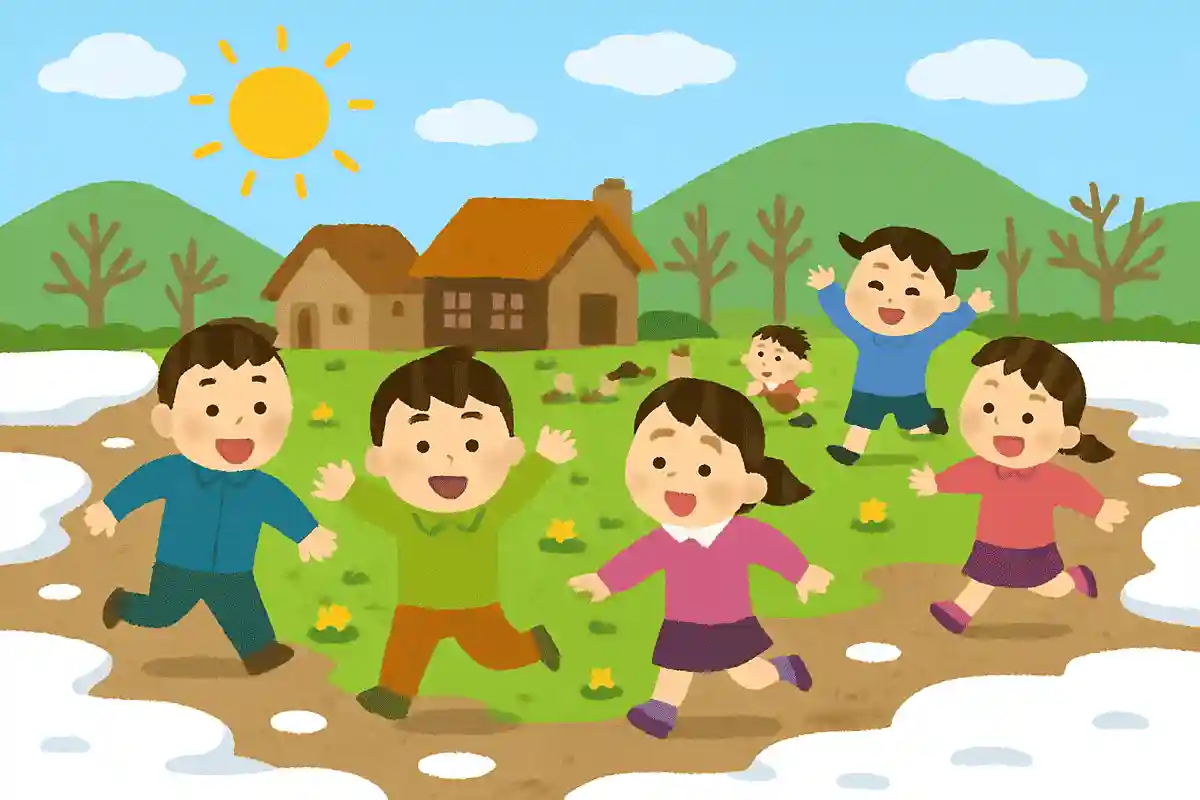
When we see children being lively, it can feel as if we ourselves are energized just by watching them.
Kobayashi Issa, who composed haiku, may have felt the same way.
In Japan, there used to be many more problems related to living conditions and food than there are today.
In regions with heavy snowfall, it is said that many people lost their lives to cold and hunger during the winter.
You can sense the joy of warmer days arriving and of being able to see healthy, spirited children again.
Some older people may have been born and raised in areas of heavy snow.
Let’s ask them about winter life unique to such snowy regions.
Plum blossoms white—truly white—newly so.Ritsuko Hoshino
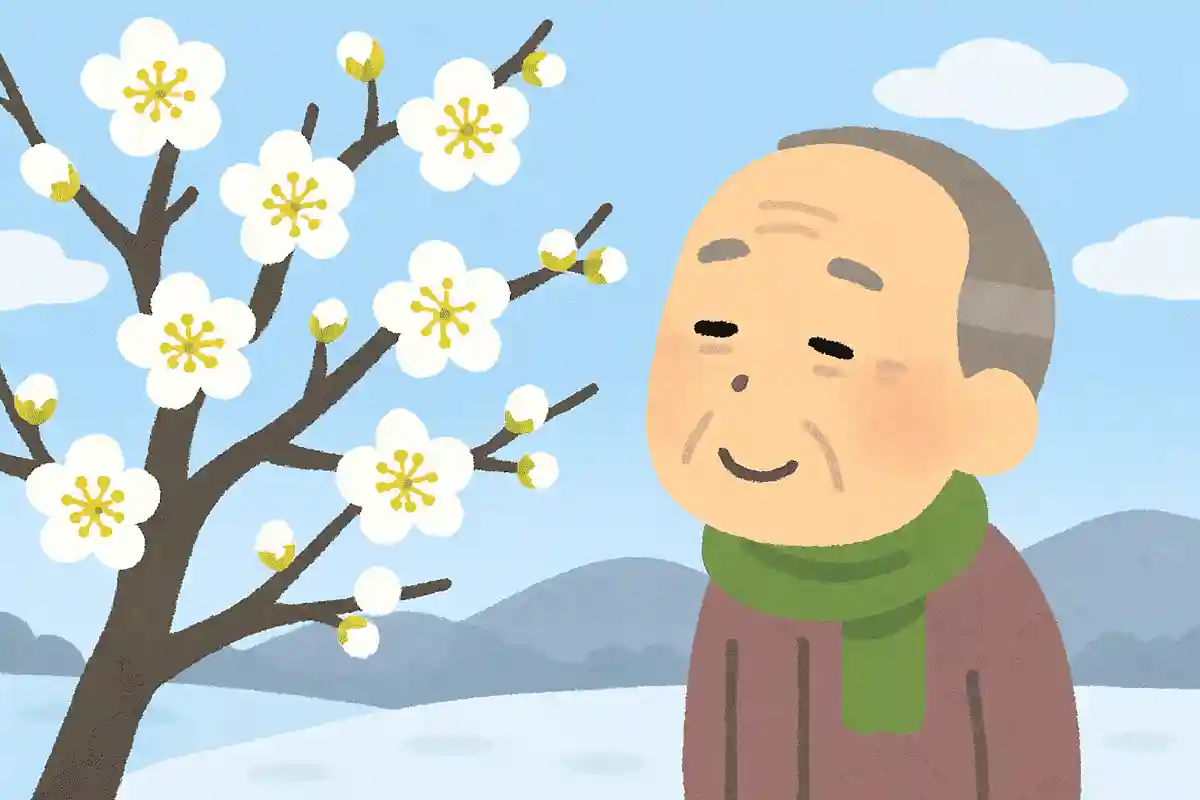
February is still a chilly time of year, yet many plum blossoms begin to bloom even then.
You often hear about the plum’s first blossoms on TV or online, don’t you? Plum trees that open small white, red, or pink petals in the cold wind convey both beauty and a touching sense of resilience.
In haiku as well, although we see plum blossoms every year, it feels like we can enjoy their bloom with fresh feelings again this year.
Some older adults may also look forward to the plum blossoms.
When you go for a walk together, it might be nice to enjoy haiku not only about the plum blossoms you see, but also about other outdoor scenes.
A single plum blossom—just enough warmth for one.Aran-seki Hattori
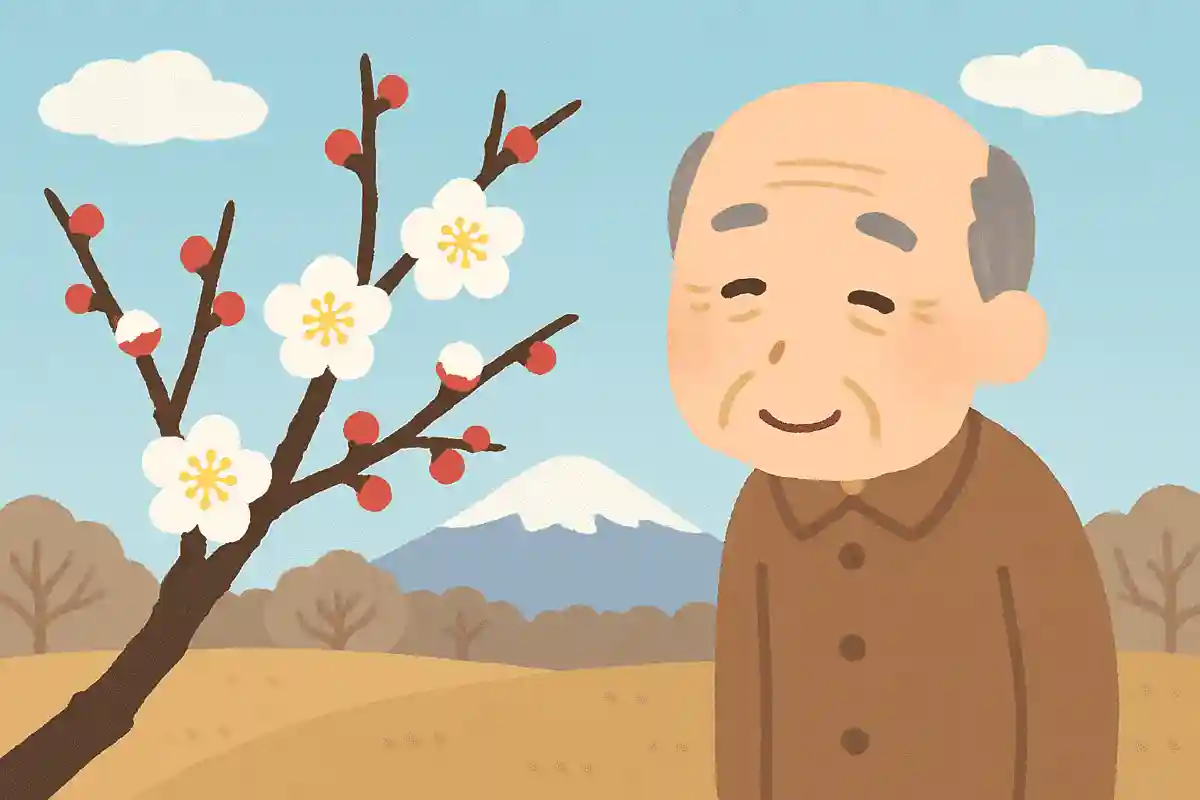
February often brings cold winds, yet even in such conditions, plum blossoms begin to bloom.
Even when we feel the chill, some people may sense a “gentle warmth,” and the sight of plum blossoms, as if announcing the arrival of spring, can make their hearts leap.
Besides plum blossoms, camellias and early-blooming cherry blossoms also flower in February.
If you’re with an older person who loves flowers, they might be able to tell you more in detail.
It could be nice to enjoy composing haiku together while having that kind of conversation.
[For Seniors] Winter Haiku: Introducing Beautiful Masterpieces by Famous Haiku Poets (41–50)
In mountain hamlets, Banzai comes late—the plum blossoms.Matsuo Bashō
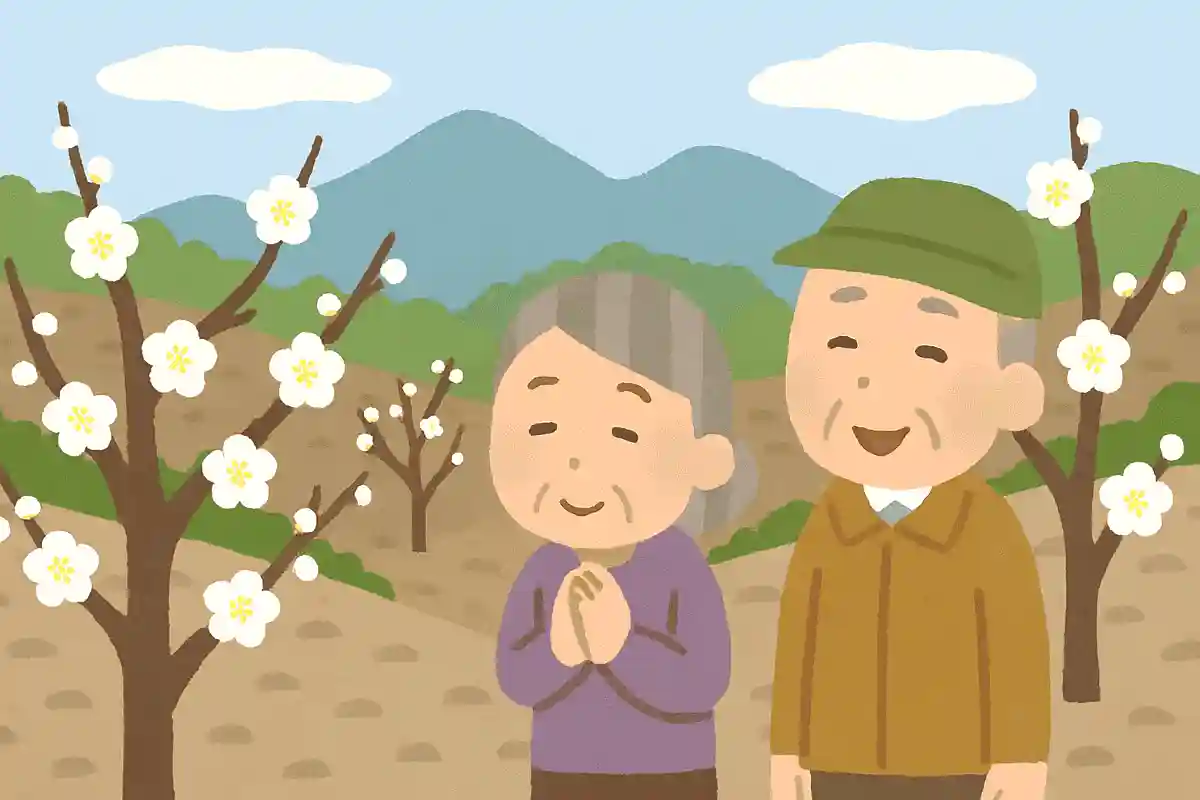
It’s a verse about how, in a mountain village far from the town, the manzai performers finally arrive around the time the new year has begun and the plum blossoms are in bloom.
Manzai is a performing art in which entertainers visit homes singing words of New Year’s celebration; it’s also said to be the origin of today’s manzai comedy duos.
You may have noticed that this poem uses two seasonal words: “plum blossoms” and “manzai.” As a rule, overlapping seasonal words is a technique to be avoided.
However, in this verse the primary season word is clearly defined, and the content of the haiku isn’t impaired.
Truly worthy of Bashō, the poet known as the Haiku Sage.
With the scent of plum blossoms, the sun suddenly rises on a mountain path.Matsuo Bashō
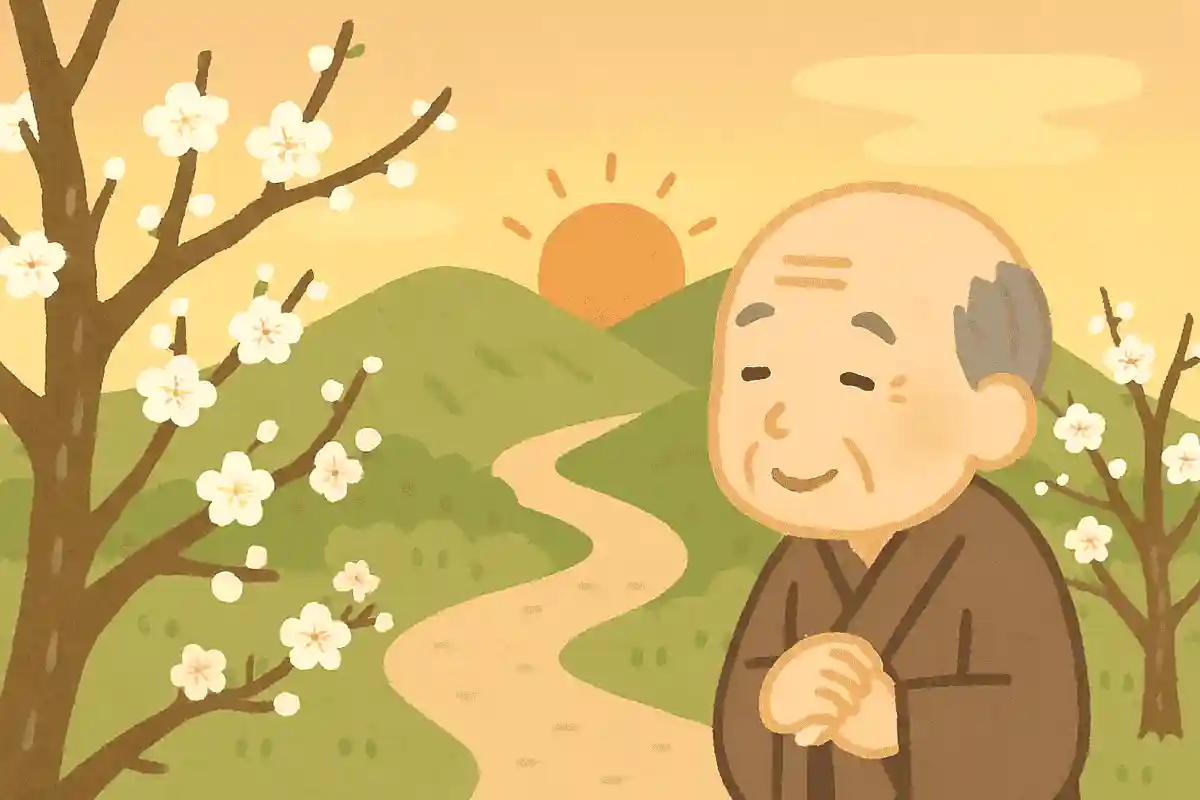
Plum blossoms are flowers that often reach their blooming season in February.
Though the blossoms are small, they make an impressive sight as they bloom even in the chilly early spring winds.
Their fragrance is wonderful, too, and it seems to carry a hint of spring.
In haiku, it’s said that not only people but even the sun is lured by the scent of plum blossoms.
That’s how enchanting their fragrance must be.
Walking near a plum tree, you can savor the changing seasons through both sight and sound.
Among older adults as well, there may be those who look forward to the plum blossoms’ bloom.