

[For Seniors] Winter Haiku: Introducing Beautiful Masterpieces by Famous Haiku Poets


Haiku have a unique depth of flavor that belongs to the winter season.
From the cold moon and the first winter showers to the soft fall of snow, there are countless famous verses that richly capture these scenes.
For older readers in particular, encountering haiku filled with nostalgic landscapes and memories can warm and soothe the heart.
This time, we will introduce winter haiku composed by Japan’s leading poets, such as Matsuo Bashō and Yosa Buson.
We have carefully selected beautiful verses that conjure vivid scenes the moment you close your eyes.
Why not relax and immerse yourself in the world of haiku, while also noting the playful expressions and turns of phrase?
- [For Seniors] Winter songs you'll want to hum along to. A collection of classic tunes recommended for BGM and recreational activities
- [For Seniors] Fun Winter Activities: Recreation and Games
- Hand games that liven things up for seniors—also great brain training
- [For Seniors] Introducing Whiteboard Activities to Enjoy in Winter!
- [For Seniors] Haiku for March: Enjoying a Spring Moment with Famous Verses
- [For Seniors] Enjoy the Cold Winter! Simple, Recommended Crafts
- [For Seniors] Get Through the Chilly February! Recommended Health-Themed Recreations
- [For Seniors] Enjoy the Cold Winter! Seated Activities You Can Do
- [For Seniors] Spring Haiku. Spring Activity
- [For Seniors] Extremely Effective Brain Training! A Fun Collection of Hand Games
- [For Seniors] Brain-training with winter-themed quizzes. Great for activities, killing time, and dementia prevention.
- [For Seniors] Hand and finger play roundup: Finger exercises that lead to brain training
- [For Seniors] Fun Riddles That Stimulate the Brain
[For Seniors] Winter Haiku: Introducing Beautiful Masterpieces by Famous Haiku Poets (21–30)
Drift ice and the gate-waves of Soya— the storm won’t cease.Seishi Yamaguchi

This is a haiku by Seishi Yamaguchi, who spent his childhood in Karafuto, written as he recalls those early years.
The seasonal word in this poem is “drift ice,” ice that floats and drifts on the sea.
At first glance, you might think it’s a winter kigo.
However, drift ice arrives in spring, when the frozen seawater begins to melt little by little—so it actually signifies the arrival of spring in cold regions.
“Sōya” refers to the Sōya Strait, north of Hokkaido.
The poem contrasts the fierce, standing waves of the Sōya Strait with the drifting ice.
Though the signs of spring are approaching, February remains bitterly cold.
The haiku vividly captures the severity of midwinter and the relentless rough seas that show no sign of calming.

By the scent of plum blossoms, I am drawn back—ah, the cold.Matsuo Bashō
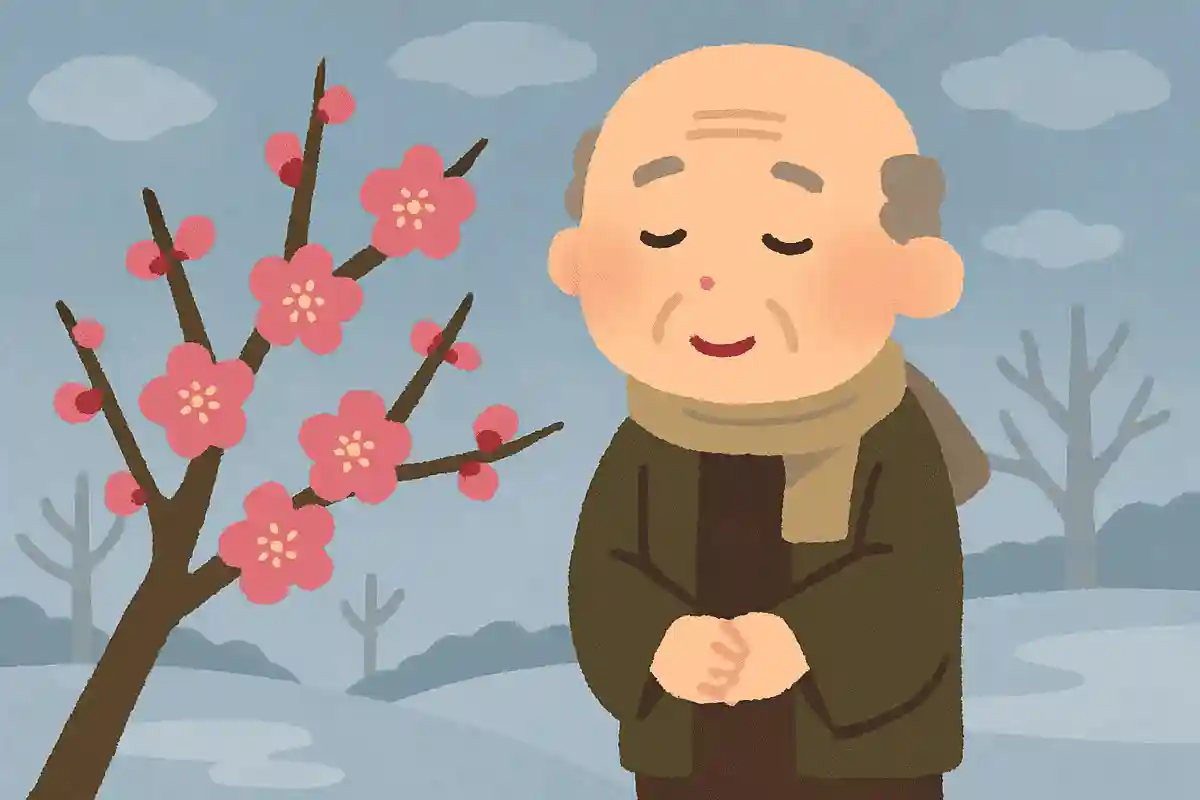
Although “ume” (plum blossom) is famous as a spring kigo, in this verse the kigo is “ume ga ka,” which literally means the fragrance of plum blossoms.
Ume heralds spring, but it is an early-spring flower that begins to bloom as the season shifts from cold to warm.
Just because the ume has bloomed doesn’t mean spring has arrived at once.
You can sense how, even while feeling the signs of spring, the lingering winter chill makes one stop short and stand stock-still; through this, the poem conveys the gradual changing of the seasons.
Behind the willow with the nightingale, before the thicketMatsuo Bashō
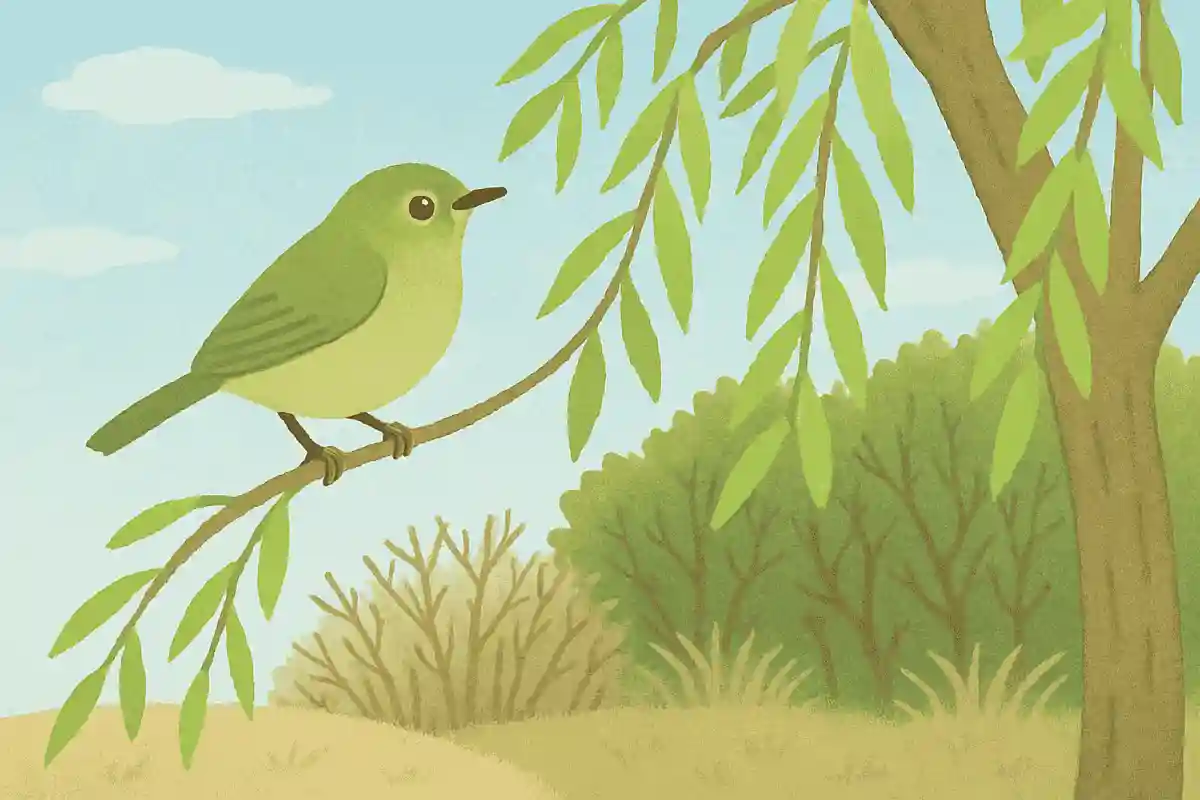
It’s a haiku that conjures up the image of a restless nightingale flitting behind the willows and popping out in front of the thicket.
The nightingale, also called the harbinger of spring, is often depicted as a quintessential symbol of the season—like “plum blossoms and nightingale.” So we tend to think of it as a graceful creature, but in reality it moves around quite a lot.
This haiku captures the nightingale just as it is, almost like a live commentary on the bird right before your eyes.
Just imagining it brings a gentle smile—what a lovely piece.

Before I knew it, the needles had vanished—this is their memorial service.Takashi Matsumoto
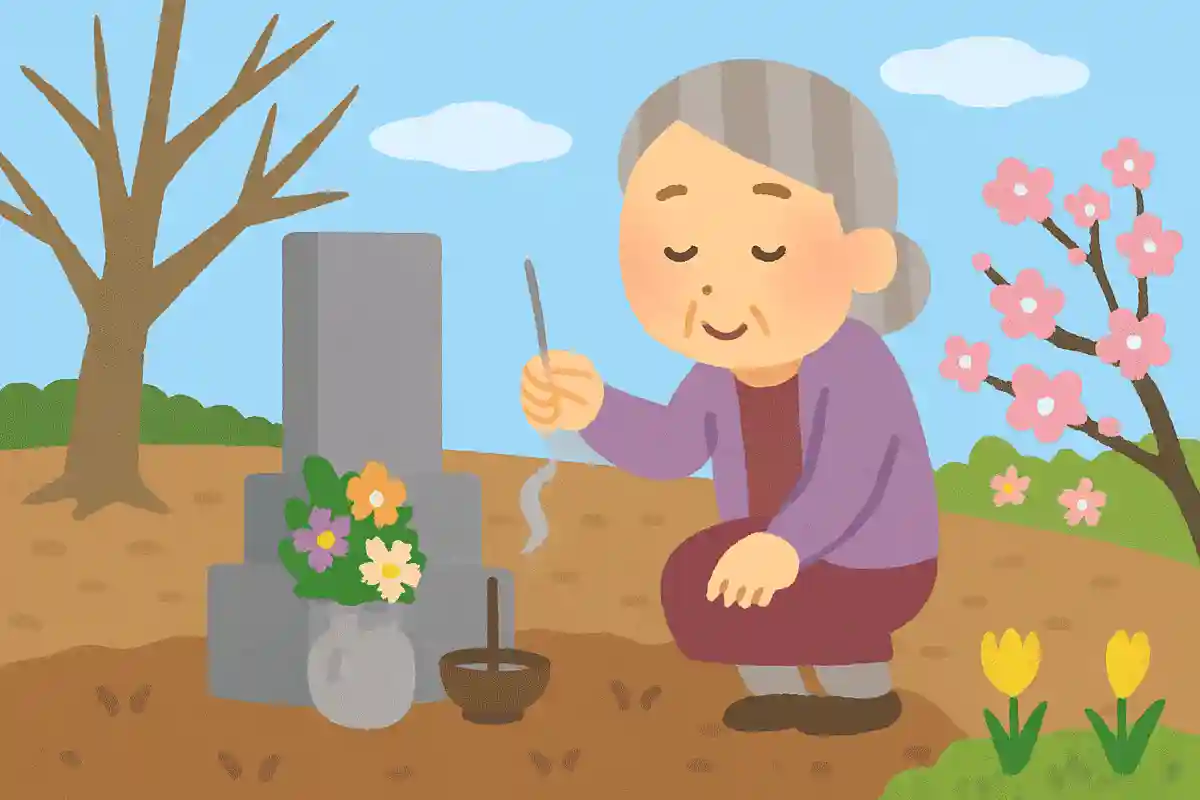
Hari-kuyo is a ritual held on February 8 to honor and give thanks for needles that have become damaged, broken, or unusable.
In times when needlework for making kimono was a valuable livelihood, needles were an essential and treasured tool.
To show appreciation, people would rest the needles by sticking them into soft items like tofu or konjac and then offer them at temples and shrines.
This expressed the wish that the needles, which had worked so hard until then, could take their final rest in a soft place.
The verse that calls to mind the many needles and the women diligently engaged in needlework seems to praise the labor and efforts of those women and the needles alike.
Warbler— nor am I distant from the February well-wishers.Sei-sei Matsuse
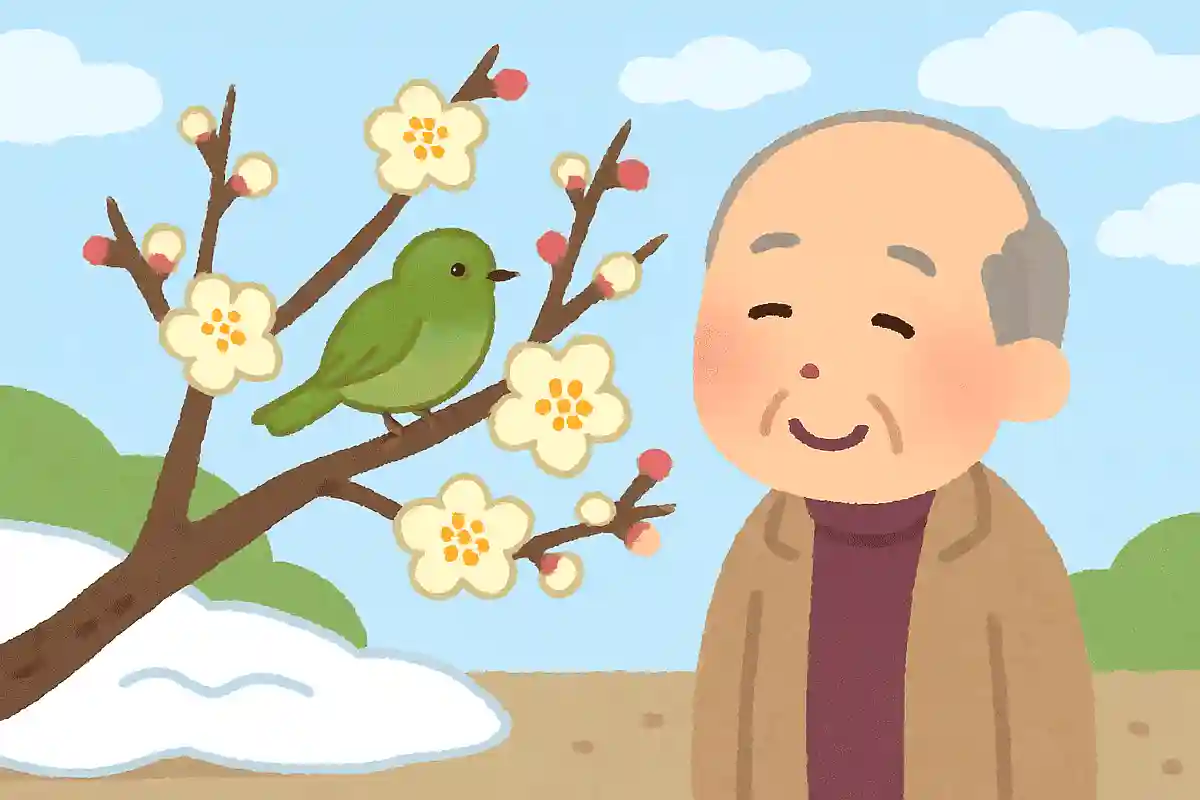
It’s common to exchange New Year’s greetings during the New Year holiday, but in the past there was a custom called “February visitors,” where people who were busy at that time would make their rounds and offer greetings later.
This work depicts the scene in early spring, when bush warblers appear, of those February visitors arriving.
The phrase at the end, “sokarazu,” means “not neglecting” or “not being remiss.” It conveys how people welcomed those who came to greet them politely, even if belatedly, and treated them with courtesy.
Although this custom is fading in modern times, such scenes may once have been considered one aspect of the spring atmosphere.
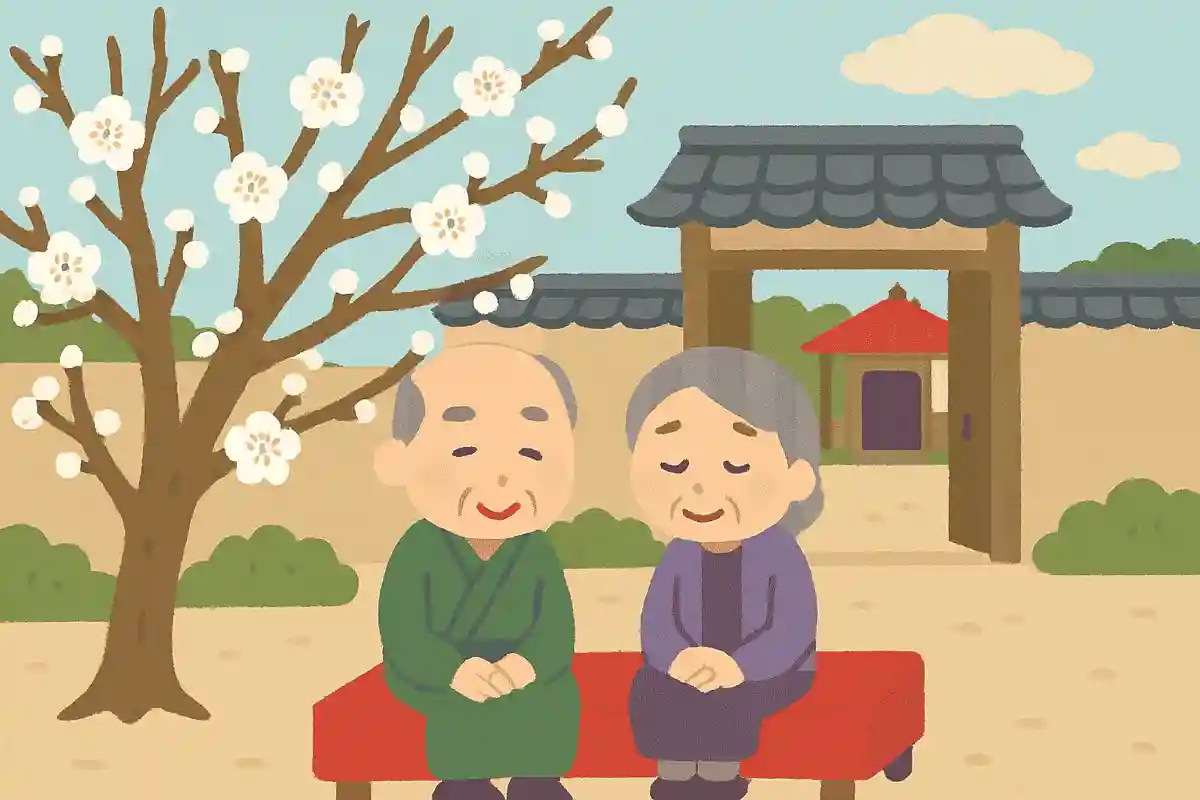
Plum blossoms bloom—the gate is a teahouse, a fine place to rest.Masaoka Shiki
Plum blossoms are known for blooming in early spring compared to other flowers.
In the world of haiku as well, the plum is often used as a season word for spring.
From Masaoka Shiki’s haiku about plum blossoms and a teahouse, one can sense the feelings experienced while taking a brief rest at a teahouse where the plums were in bloom.
Dropping in for a break at a teahouse, with beautiful plum blossoms nearby, put one in a very pleasant mood.
In February, when the cold still lingers, the noble, pure, and vivid plum blossoms seem to gently and warmly soothe people’s hearts.
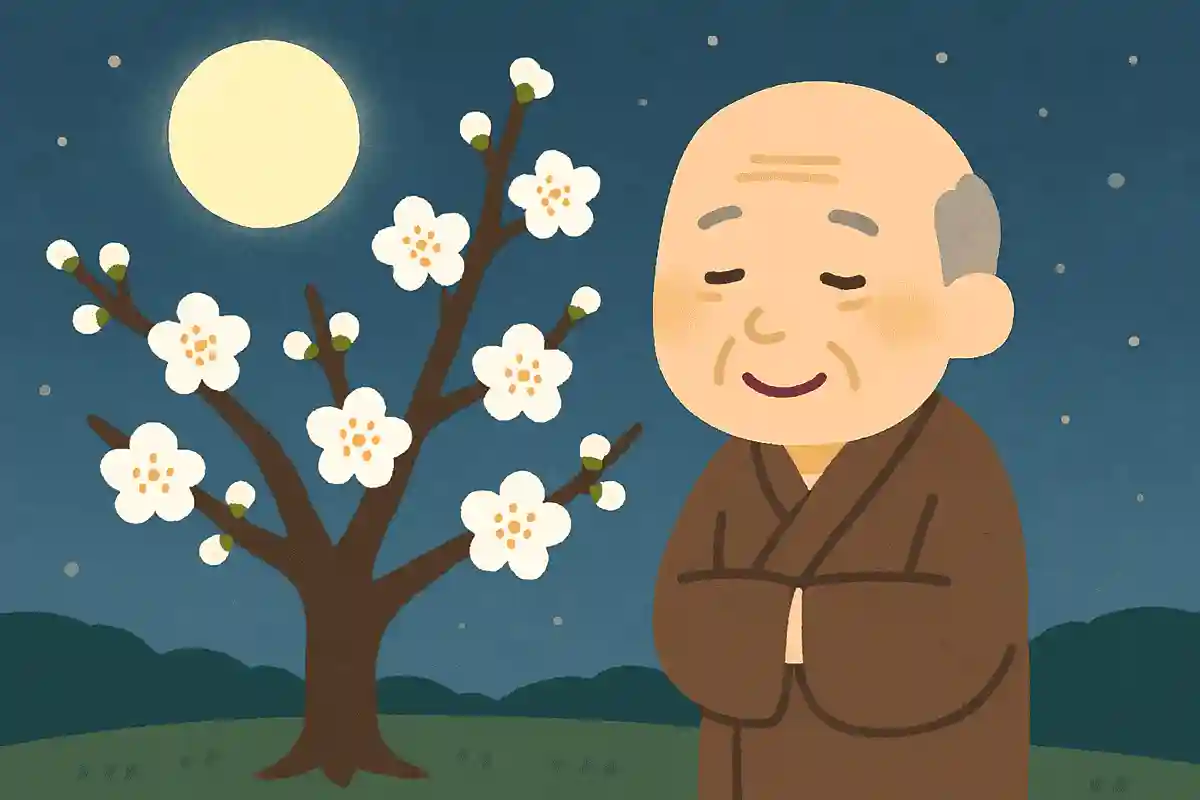
In the white plum blossoms, a soul enters—oh, moonlit nightMasaoka Shiki
Tamashii-iri refers to a ritual in which a spirit is enshrined into a mortuary tablet placed in a Buddhist altar—also called a kaigen kuyō (eye-opening consecration).
In this verse, it’s not a tablet but white plum blossoms, which are a seasonal word, that seem to be imbued with a soul, their beauty standing out under the moonlit night.
It means they are as beautiful as if a soul had entered them, and the emotion felt upon seeing them comes through directly.
White plum blossoms are known as harbingers of spring, with their peak viewing season around February to March.
Plum blossoms are generally of two types: red (kōbai) and white (shira-ume).
You can tell which tree it is by cutting and looking at the cross section—the color differs, I’m told.