

[For Seniors] Winter Haiku: Introducing Beautiful Masterpieces by Famous Haiku Poets


Haiku have a unique depth of flavor that belongs to the winter season.
From the cold moon and the first winter showers to the soft fall of snow, there are countless famous verses that richly capture these scenes.
For older readers in particular, encountering haiku filled with nostalgic landscapes and memories can warm and soothe the heart.
This time, we will introduce winter haiku composed by Japan’s leading poets, such as Matsuo Bashō and Yosa Buson.
We have carefully selected beautiful verses that conjure vivid scenes the moment you close your eyes.
Why not relax and immerse yourself in the world of haiku, while also noting the playful expressions and turns of phrase?
- [For Seniors] Winter songs you'll want to hum along to. A collection of classic tunes recommended for BGM and recreational activities
- [For Seniors] Fun Winter Activities: Recreation and Games
- Hand games that liven things up for seniors—also great brain training
- [For Seniors] Introducing Whiteboard Activities to Enjoy in Winter!
- [For Seniors] Haiku for March: Enjoying a Spring Moment with Famous Verses
- [For Seniors] Enjoy the Cold Winter! Simple, Recommended Crafts
- [For Seniors] Get Through the Chilly February! Recommended Health-Themed Recreations
- [For Seniors] Enjoy the Cold Winter! Seated Activities You Can Do
- [For Seniors] Spring Haiku. Spring Activity
- [For Seniors] Extremely Effective Brain Training! A Fun Collection of Hand Games
- [For Seniors] Brain-training with winter-themed quizzes. Great for activities, killing time, and dementia prevention.
- [For Seniors] Hand and finger play roundup: Finger exercises that lead to brain training
- [For Seniors] Fun Riddles That Stimulate the Brain
[For Seniors] Winter Haiku: Introducing Beautiful Masterpieces by Famous Haiku Poets (61–70)
The layered hills—little spring (a mild autumn day)Soseki Natsume
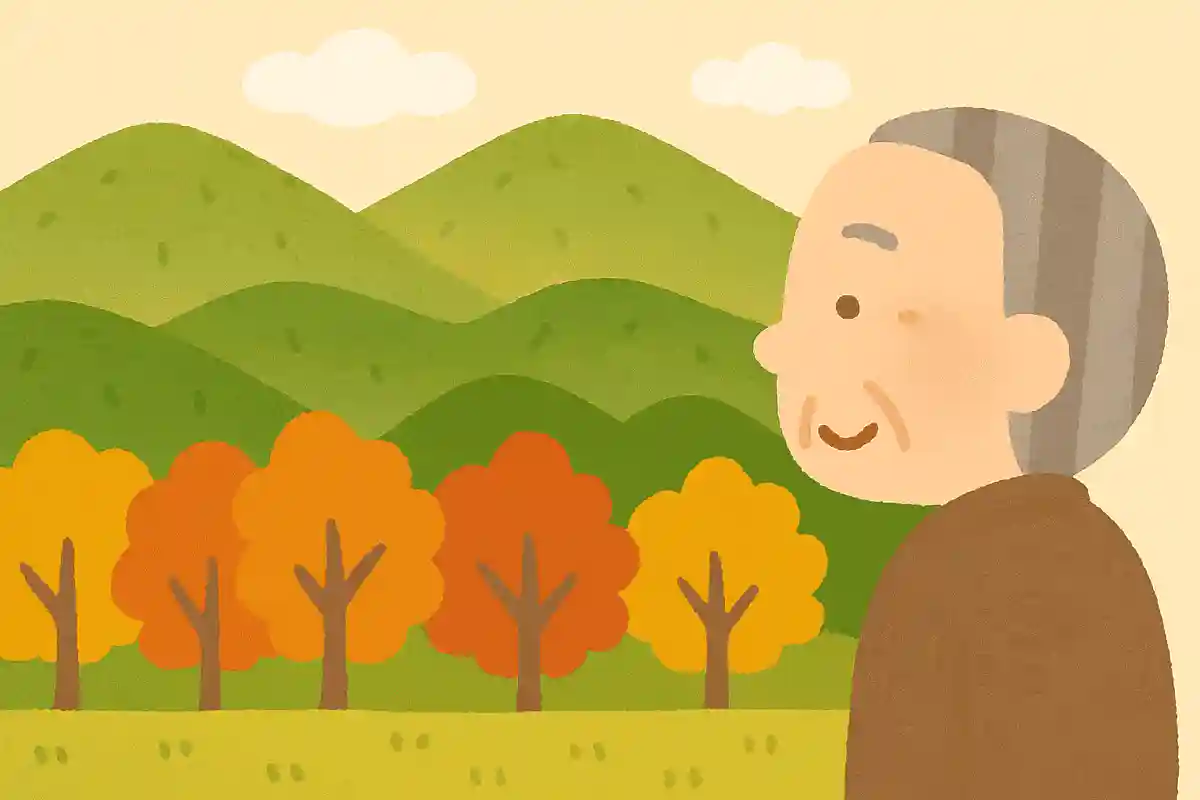
This is a haiku about the gentle “koharu-biyori,” the mild, springlike days from late autumn to early winter.
“Kusayama” refers to softly contoured hills covered in grass, and their appearance of layering one behind another is expressed as “overlapping.” In the clear air of late autumn, wrapped in sunlight, you can almost see the distant hills tenderly overlapping.
The seasonal word “koharu kana” conveys that gentle, warm sunshine and a sense of calm before winter arrives.
Please quietly savor this comforting blessing of the season before the cold deepens.

Warm, this year’s winter—solstice plum blossoms.Fusei Tomiyasu
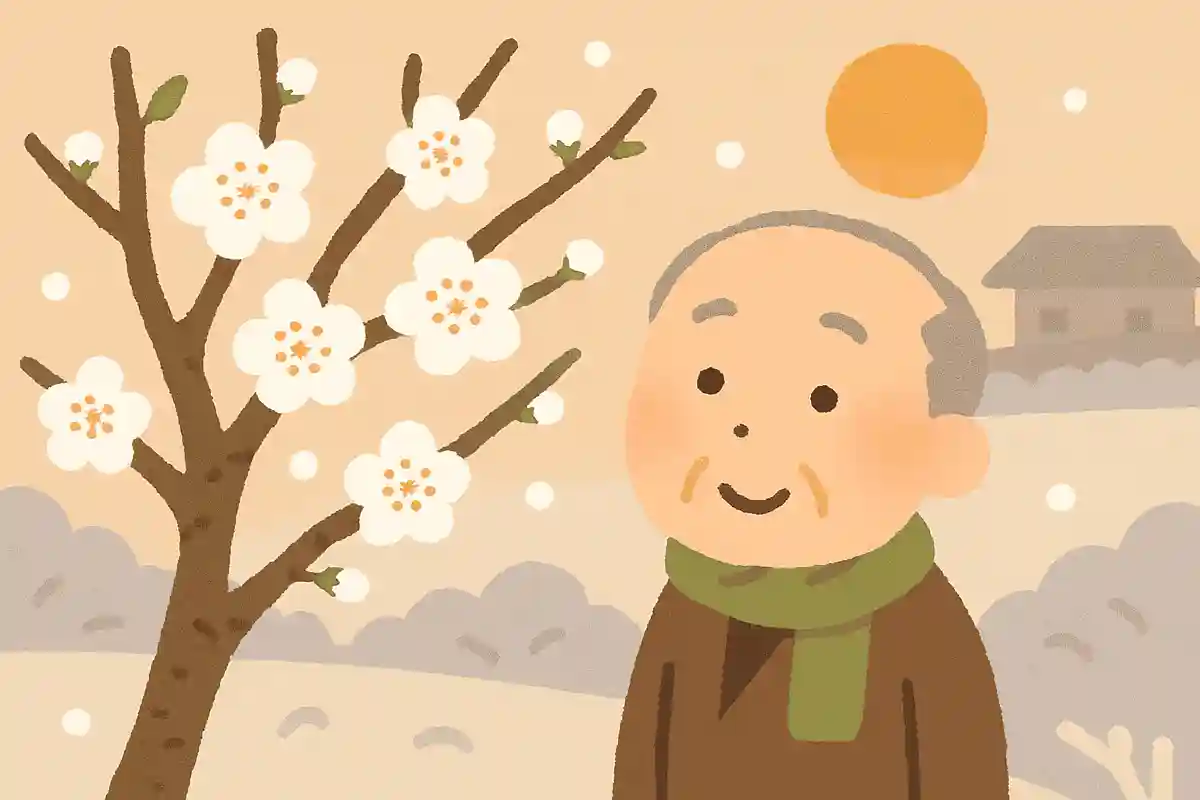
‘Tōjibai’ (winter-solstice plum) is a variety of plum that blooms earlier than any other, beginning around the winter solstice.
For this reason, tōjibai is known as a seasonal word for December.
December is usually the heart of winter, with many cold days, but it must have been warm that year.
The description depicts tōjibai blooming in a winter milder than usual.
In the world of haiku, the plum is used as a seasonal word heralding the arrival of spring, so it conveys Tomiyasu Fūsei’s longing for spring.

First mist— even the crisp bite of the stalk, only until last yearKobayashi Issa
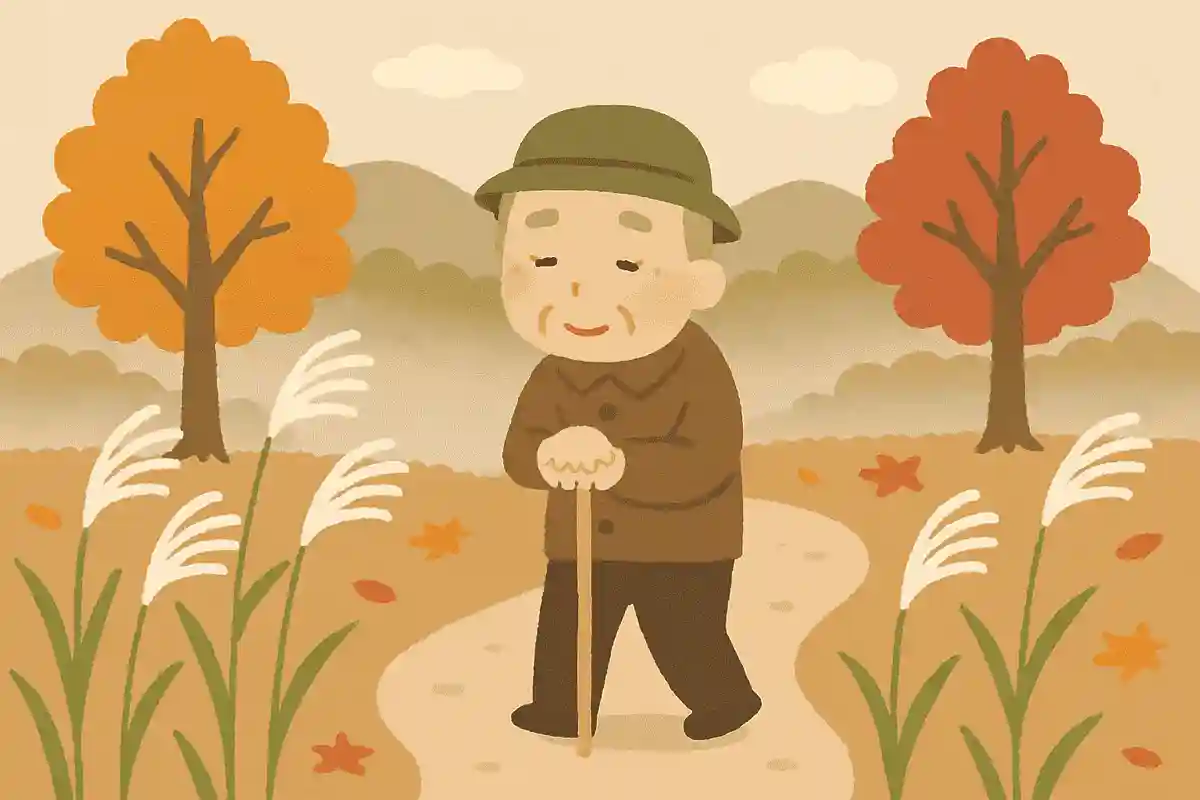
This is a poem by Kobayashi Issa about a quiet morning from late autumn into early winter.
“First mist” refers to the soft fog that settles at the beginning of winter.
Within the white mist enveloping fields and meadows, Issa gazes at the withering grass stalks.
“The crisp bite of the stalk” evokes the crunchy sensation when chewing grass.
By adding “until last year,” he laments that this year the grass has already withered and lost its freshness.
In Issa’s heart, there must have been a lingering attachment to the passing seasons and a quiet reflection on growing older.
On a calm morning in November, this gentle yet poignant verse evokes memories of days gone by, as if glimpsed beyond the mist.
A sleeping child, using its mother as a shield against the frost.Kobayashi Issa
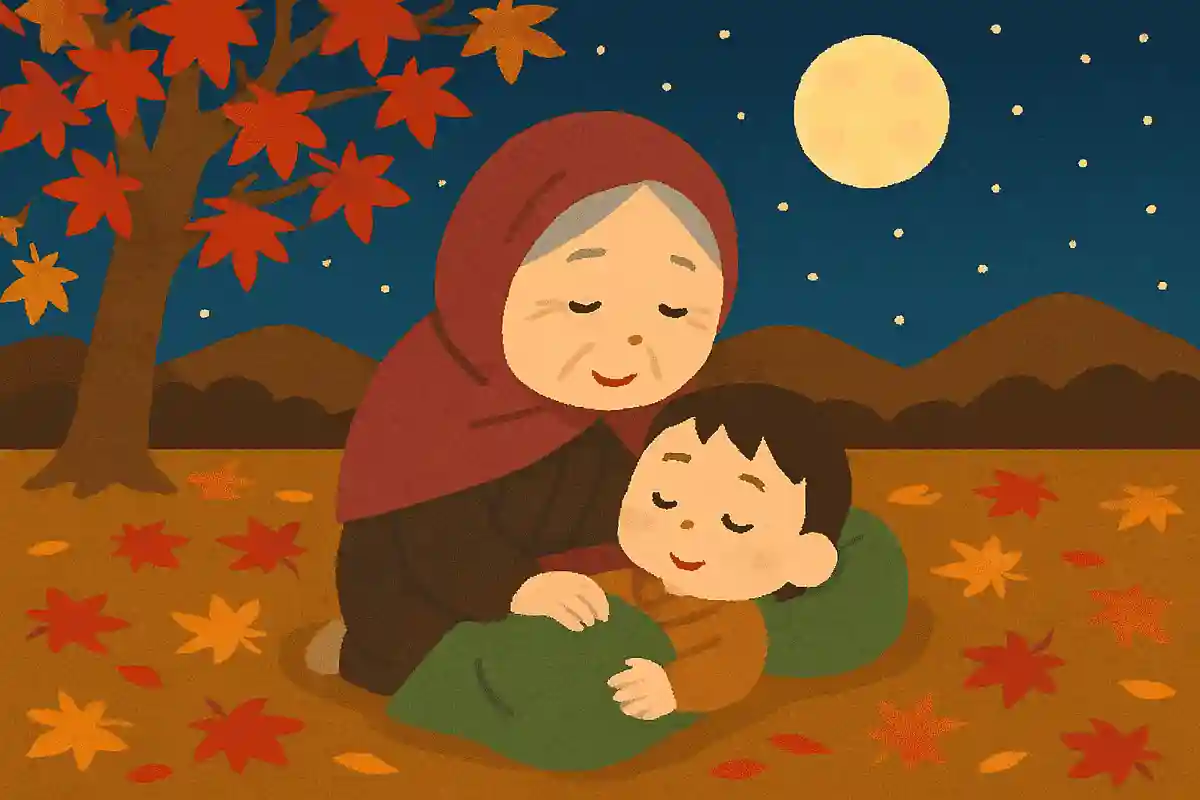
A verse depicting a warm parent-and-child scene from late autumn into early winter, as the cold deepens.
“Frost shelter” means protection from cold frost and chill.
The mother’s warmth is likened to a “frost shelter,” gently portraying a child sleeping soundly against her breast.
Though it’s cold enough for frost outside, only around the mother and child is there a calm, warm air.
It’s a poem that lets you feel human warmth and deep affection amid the severity of nature.
Reading it in November, as the chill grows, spreads a gentle feeling that warms the heart.
Winter butterfly—yet another pool of sun has grown.Kazuo Ogasawara
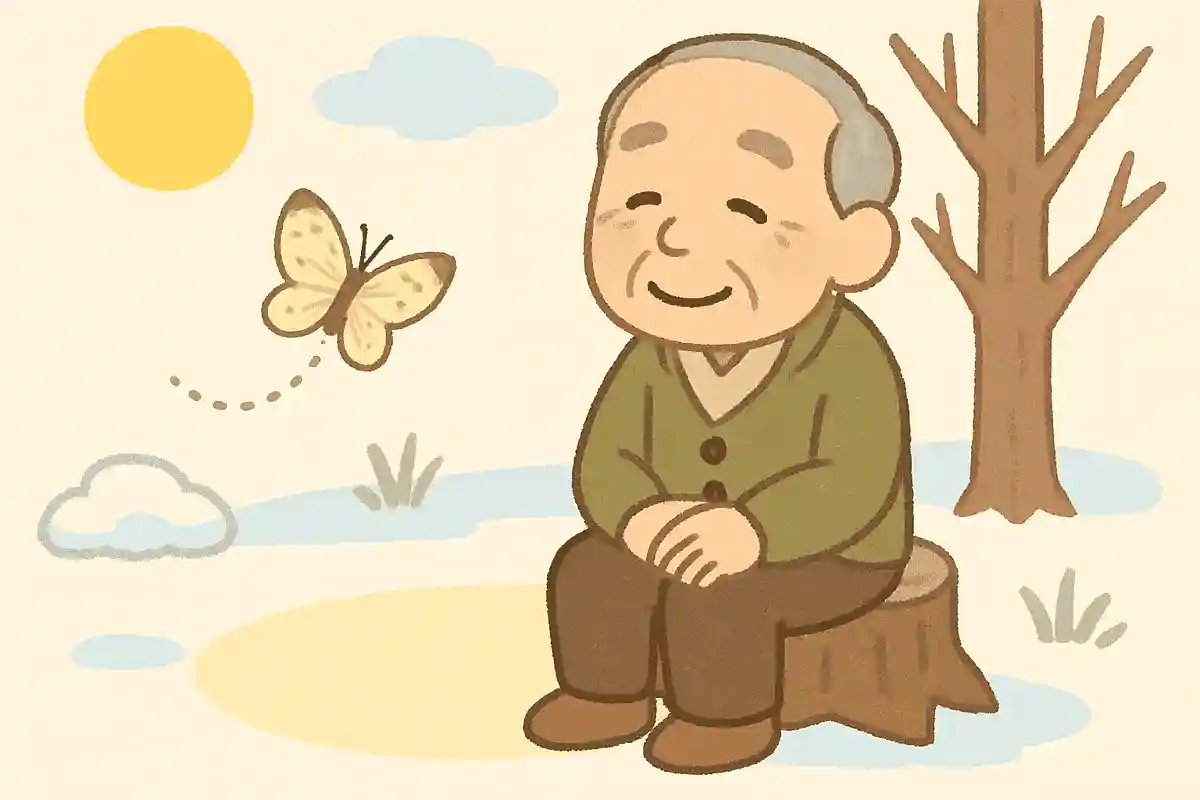
This is a haiku by Kazuo Ogasawara, gently observing winter butterflies gathering in sunlit patches during the cold season.
“Winter butterflies” refers to butterflies that, despite the chill, are drawn to the sunlight, evoking the resilience of life and the presence of small creatures in nature.
As the phrase “adding one more sunlit patch” suggests, the poem tenderly depicts how butterflies gather one by one in warm spots of light.
Ogasawara likely imbued the poem with a feeling of turning one’s heart toward the warmth of life and light amid winter’s cold.
In the gentle sunshine of December, one can sense the small joys of nature.
Even as I pause to tie my skate laces, the trend is already taking off.Seishi Yamaguchi
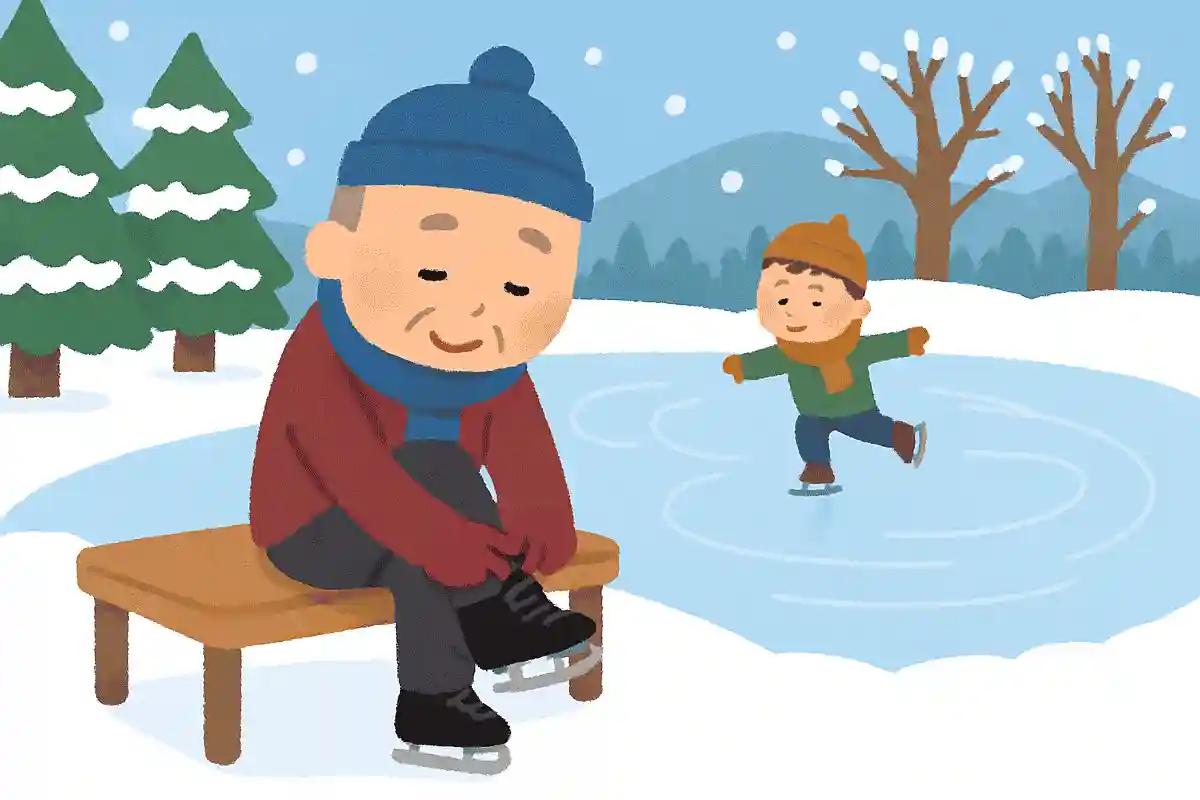
This is a haiku by Seishi Yamaguchi that captures the excited anticipation of winter pleasures amid the chill from late autumn to early winter.
“Sukēto no himo musubu ma” refers to the moment spent tying the laces of one’s skates to get ready.
It’s a brief pause before actually starting to skate, yet even in that short time you can feel the heart lifting with excitement.
“Hayari tsutsu” expresses how expectation and thrill quicken to the point of restlessness.
Seishi naturally and candidly portrays the joy and delight spreading in a child’s—or his own—heart with the arrival of winter.
Even on a cold day in December, you can feel the pleasure of moving your body and the happiness the season brings.
Out to sea I go—no place for the wintry wind to returnSeishi Yamaguchi
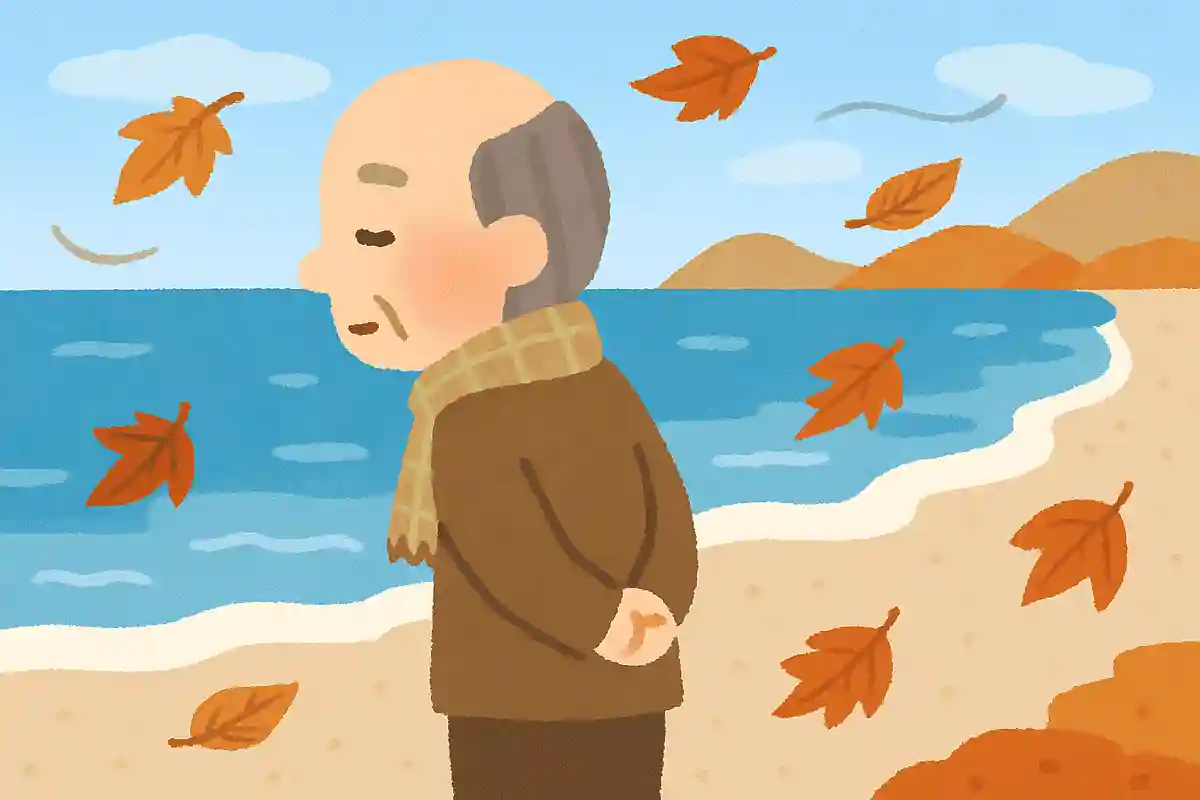
This verse was composed by Seishi Yamaguchi, a haiku poet of the Meiji era.
“Kogarashi” refers to the strong, dry wind that blows from autumn into winter—something many may have heard mentioned in weather reports.
The phrase means that once the kogarashi goes out to sea, it has nowhere to go and never returns to land.
Around the age of fifty at the time, Yamaguchi was living near Ise Bay due to wartime evacuation.
He later stated explicitly that he likened the kogarashi to kamikaze pilots in this poem.
The verse conveys the lament that, like the kogarashi, the kamikaze depart and never come back.