

![[For Seniors] Brain-training with winter-themed quizzes. Great for activities, killing time, and dementia prevention.](https://media.ragnet.co.jp/img/1200__png__https://www.ragnet.co.jp/files/2025/10/5a53fa784f4255824cc2dea101500853.webp)
[For Seniors] Brain-training with winter-themed quizzes. Great for activities, killing time, and dementia prevention.


As the weather turns cold, we tend to spend more time indoors where it’s warm.
On such winter days, why not enjoy some fun moments with quizzes that anyone can enjoy, regardless of age, while engaging your mind? This time, we’re introducing quizzes that you can enjoy and learn from together with older adults, featuring tidbits about New Year’s traditions and the nature of winter.
By revisiting traditional wisdom and seasonal changes in quiz form, conversations that span generations will flow naturally.
How about taking on the challenge with your family or friends?
For Seniors: Winter-Themed Brain-Training Quizzes. Great for Recreation, Passing Time, and Dementia Prevention (1–10)
How many times has it snowed in Okinawa in recorded history?
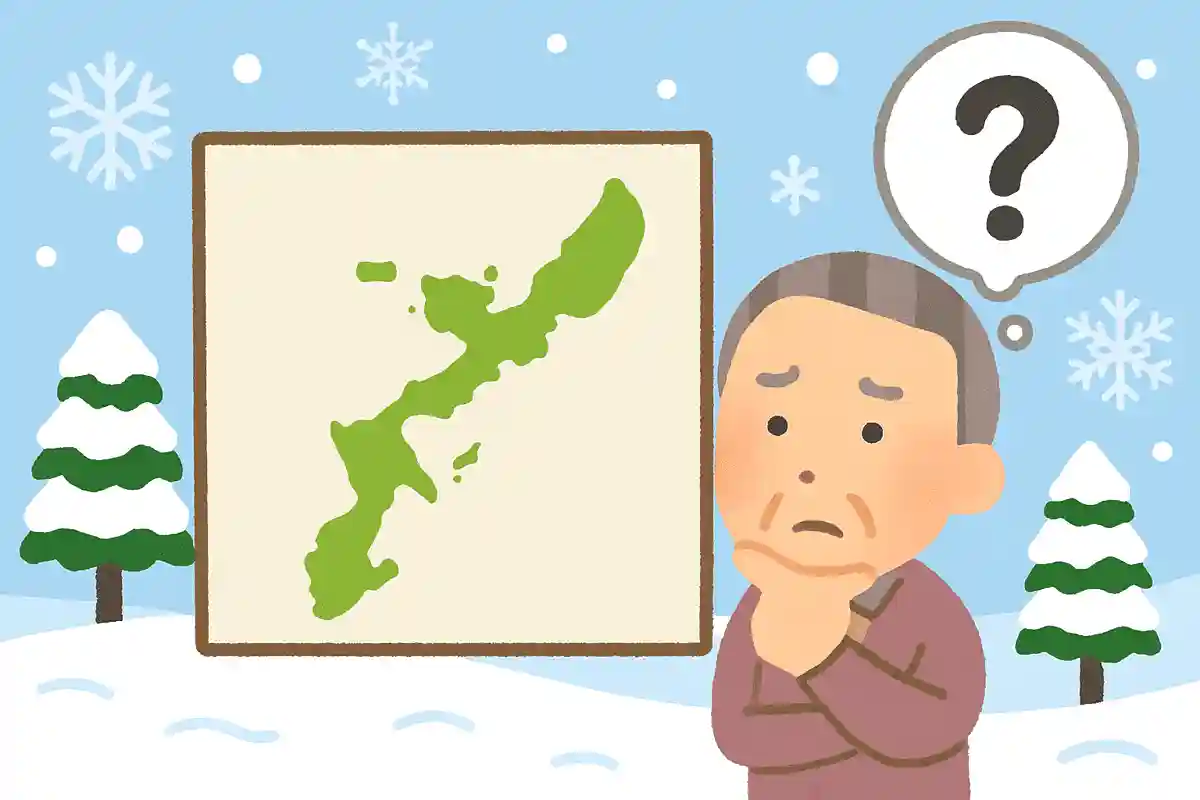
- 0 times
- one time
- twice
See the answer
twice
In Okinawa Prefecture, snowfall is extremely rare due to its very mild climate, and snow has only been recorded twice in observation history. The first occurrence was on February 17, 1977, when sleet was observed. The second was on January 24, 2016, and sleet was observed then as well. Even across Japan as a whole, snow in Okinawa is exceptionally rare and became big news for local residents. The attention given to such unusual weather phenomena can be a good opportunity to learn about the region’s climatic characteristics.

Which of the following beverages is considered effective for warming the body?

- barley tea
- Green tea
- black tea
See the answer
black tea
Black tea is a fermented tea and is said to have a warming effect on the body. During fermentation, catechins change, making it easier for the body to generate heat. Barley tea, on the other hand, is caffeine-free and has a cooling effect, and green tea also tends to cool the body. Therefore, black tea is recommended when you want to warm your body effectively during the cold winter.
What kind of wishes are associated with datemaki in osechi cuisine?
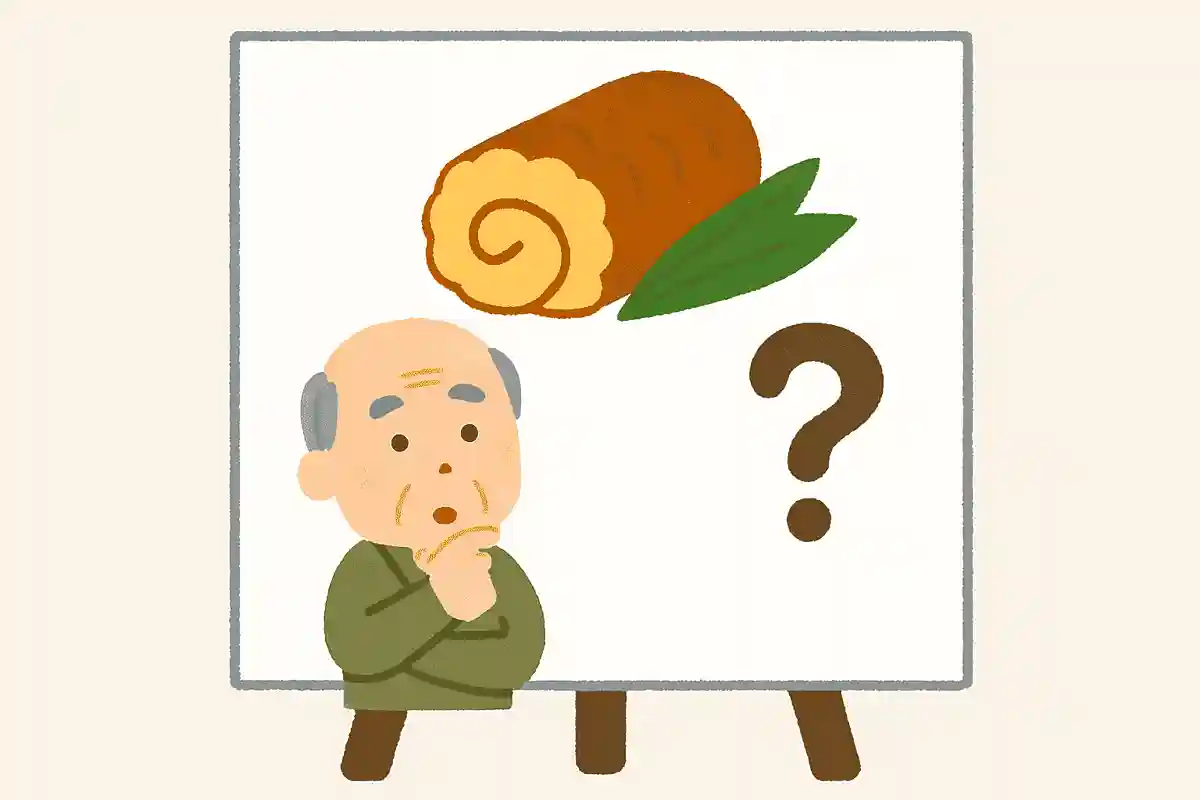
- So that one may acquire learning and knowledge
- So that I can save a lot of money
- So that my family can live in good health
See the answer
So that one may acquire learning and knowledge
Datemaki is made in the shape of a scroll or book, symbolizing a wish for abundant knowledge and learning. In the past, books and scrolls were precious, so it came to represent the idea of gaining knowledge. Eating it at New Year’s carries the meaning of seeking wisdom and learning at the start of the year, and hoping for growth. Its sweet, soft texture also makes it easy for older people to eat, which is why it is one of the popular Osechi dishes.
Spinach, which is in season during winter, is rich in an important nutrient. What is the nutrient that is said to increase in winter compared to summer?
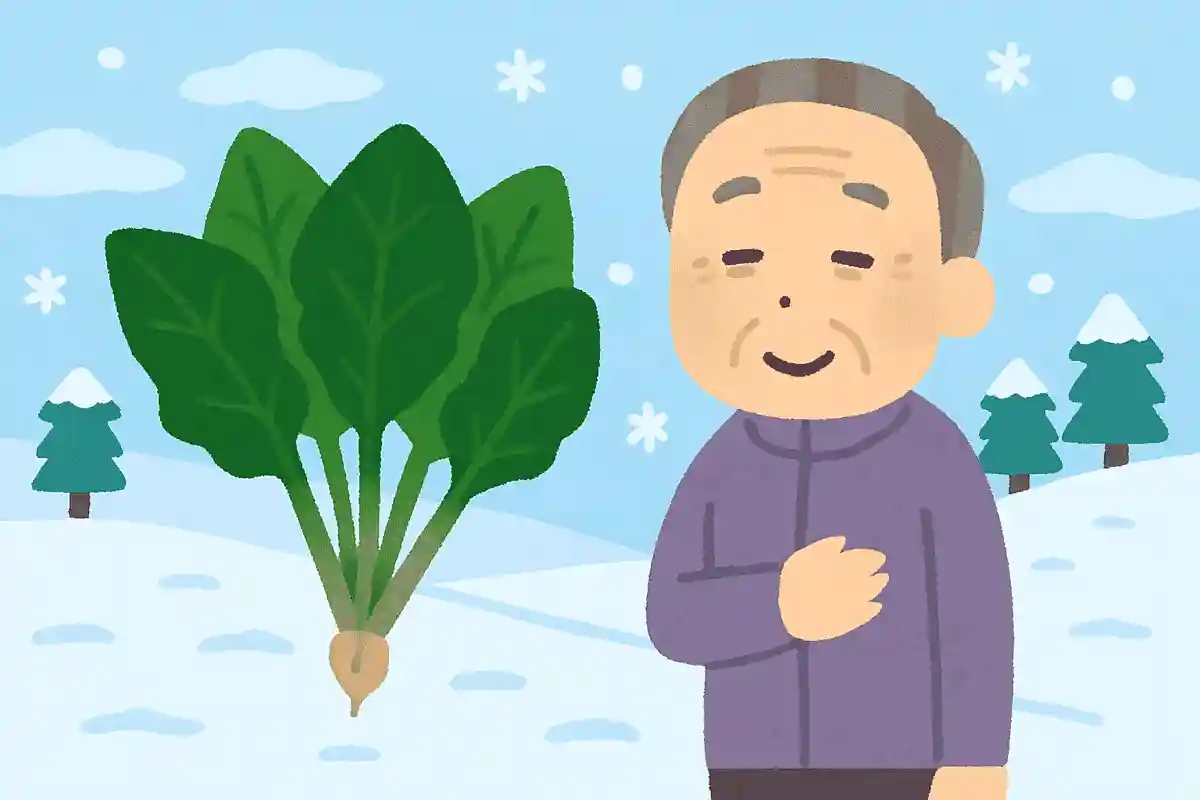
- Vitamin C
- Calcium
- iron (dietary iron / iron content)
See the answer
Vitamin C
The correct answer is “vitamin C.” Spinach harvested in winter is said to contain more vitamin C than spinach harvested in summer. To protect itself from the cold, the spinach increases its own vitamin C. Vitamin C is very important for maintaining health, helping to prevent colds, combat fatigue, and improve skin. Vegetables that are in season in winter become more nutritious and tastier, so be sure to eat plenty of winter spinach!
Shirataki and ito-konnyaku are indispensable for hot pots. What’s the difference between them?
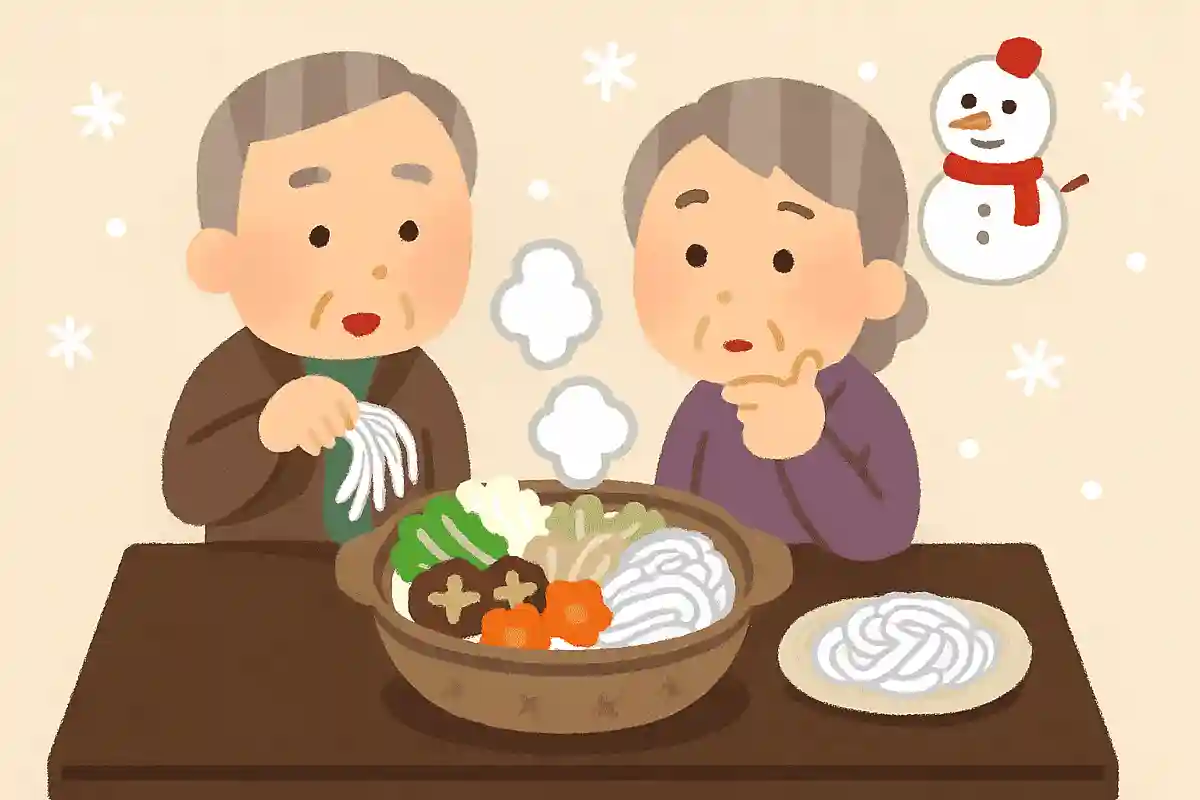
- Different materials and manufacturing methods
- Only the color is different.
- There is no clear difference.
See the answer
There is no clear difference.
There’s no major difference in the main ingredients or production methods of ito-konnyaku and shirataki, and their components are almost the same. While names and slight differences in thickness or color vary by region and manufacturer, they are essentially the same food. The terms often differ between eastern and western Japan, which can be confusing for consumers, but there’s little difference in how they’re used or in their taste. It’s a handy bit of trivia that older adults may also want to remember.
Which of the following items is good to put together in the cardboard box to prevent the mandarins from getting moldy?

- newspaper
- plastic bag
- towel
See the answer
newspaper
Mandarin oranges are more likely to mold when moisture is trapped. Since newspaper absorbs moisture, lining the bottom and the layers of the cardboard box with newspaper when storing mandarins will soak up excess humidity and help prevent mold growth. Plastic bags, on the other hand, trap moisture and have the opposite effect. Towels are easy to use, but newspaper dries more quickly and is therefore more effective. Replacing the newspaper from time to time makes it even more effective.
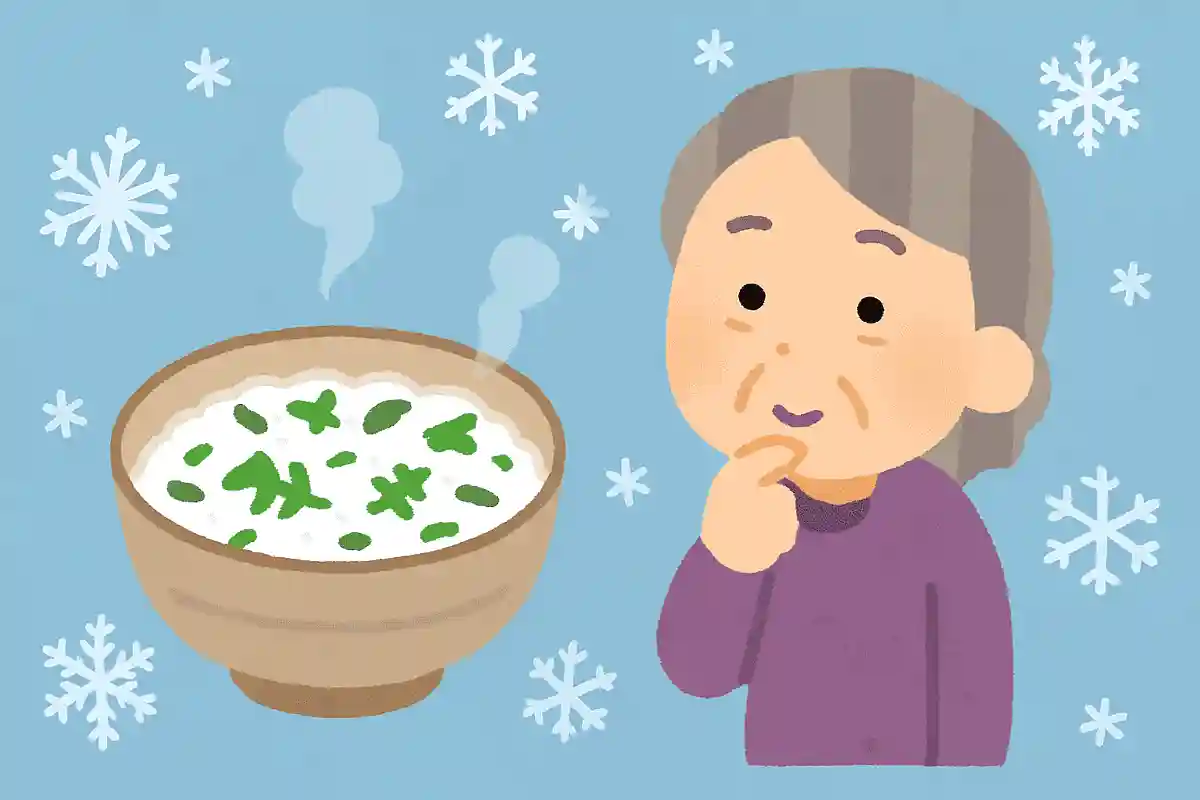
When do you eat nanakusa-gayu (seven-herb rice porridge)?
- January 1
- January 7
- February 3
See the answer
January 7
There is a custom of eating nanakusa-gayu (seven-herb rice porridge) every year on January 7. This day is called Jinjitsu no Sekku, the Festival of Humanity, and people eat rice porridge made with the seven spring herbs—seri (Japanese parsley), nazuna (shepherd’s purse), gogyo (cudweed), hakobera (chickweed), hotokenoza (nipplewort), suzuna (turnip), and suzushiro (daikon radish)—to pray for a year of good health. It also gives the stomach a rest after the rich New Year’s feasts, and is a tradition that dates back to the Nara period. Trying to recall the names of the seven herbs makes for perfect brain training, too.