

![[For Seniors] Recommended Trivia Quizzes & Fun Facts for November](https://media.ragnet.co.jp/img/1200__png__https://www.studiorag.com/files/2025/05/756af067f1eccb780db0c4297d9d5591.webp)
[For Seniors] Recommended Trivia Quizzes & Fun Facts for November

How about some trivia quizzes and fun facts that are great for seniors?
This time, we’ve gathered trivia and tidbits related to November.
They’re in a multiple-choice (three-option) quiz format, so they should be easy to answer.
Even with questions that seem simple, recalling memories and knowledge you’ve forgotten—like “Huh?” or “What was it again?”—can stimulate the brain and help prevent dementia.
It’s fun to do by a show of hands, and it could be even more engaging to form groups, discuss in larger numbers, and arrive at answers together.
For tougher questions, staff members might consider offering hints.
[For Seniors] Recommended Trivia Quiz & Fun Facts for November (Questions 1–10)
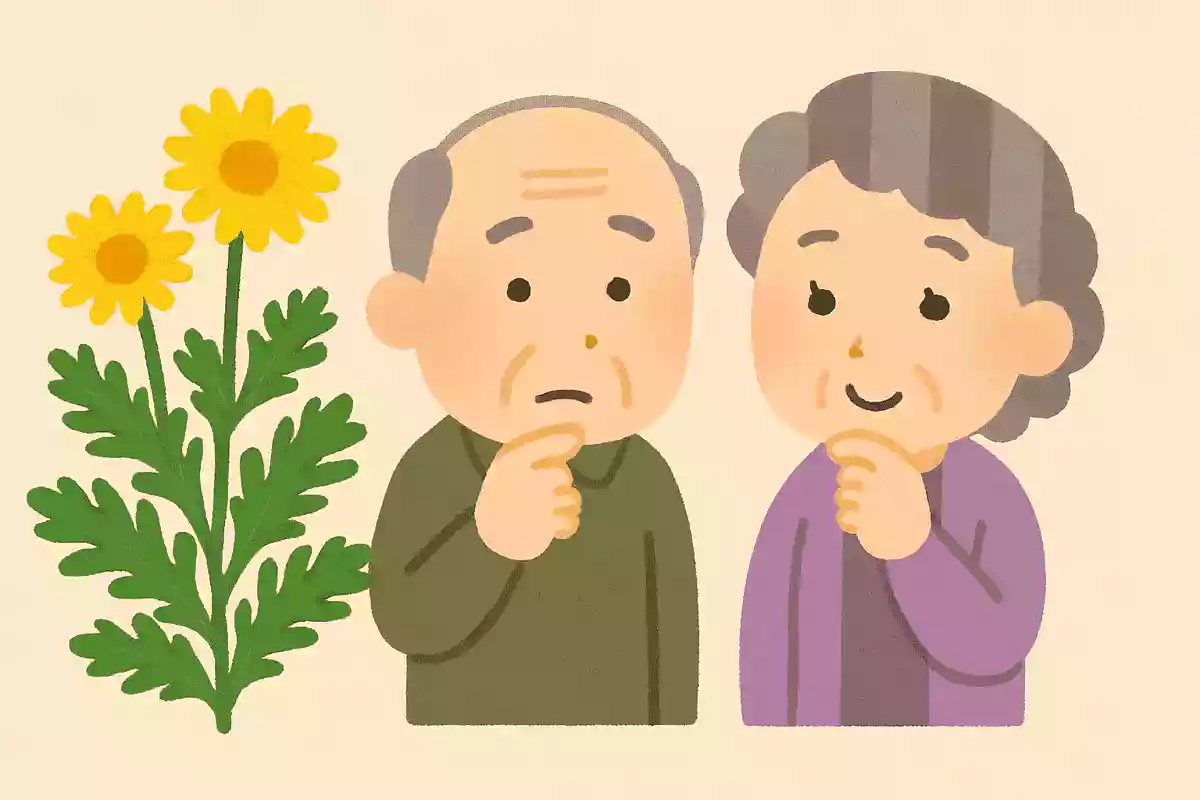
November is the peak season for shungiku (garland chrysanthemum), but why does its name contain the word ‘spring’?
- Because it blooms flowers in spring.
- Because it comes from a place name derived from spring.
- Because we plant the seedlings in early spring.
See the answer
Because it blooms flowers in spring.
Shungiku’s peak season is winter, but it was named “shungiku” (“spring chrysanthemum”) because it blooms in spring and its leaves resemble chrysanthemum leaves. It’s said to have come to Japan from China during the Warring States period, and cultivation across Japan began in the Edo period. Incidentally, it’s eaten as a vegetable only in East Asia, including China and Japan; in Europe, it’s grown as an ornamental plant.

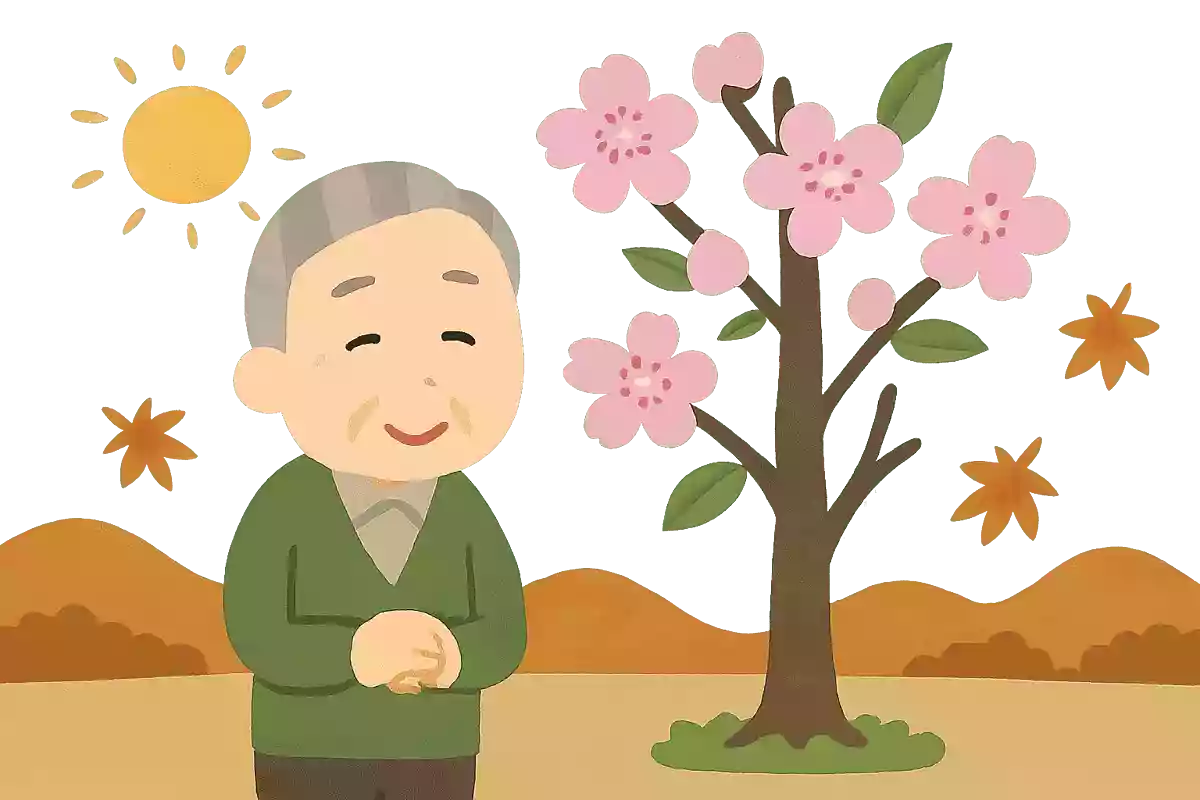
What do you call flowers that bloom in an unusual season during a warm spell of unseasonably mild weather known as “koharu-biyori” (a little spring-like day)?
- unseasonable blossoms
- stray blossom
- Flowers of the Four Seasons
See the answer
unseasonable blossoms
Kaeribana refers to the phenomenon in which flowers that normally bloom in spring or summer blossom in autumn or winter due to warm weather like an Indian summer. This is especially seen in cherry and peach trees. Kaeribana is also written as “返り花” and is sometimes called “nidobana” (second blooming) or “kuruibana” (out-of-season blooming).
In the calendar, November is considered winter, but what is the day called when winter begins?
- Beginning of Winter
- winter solstice
- early winter
See the answer
Beginning of Winter
Rittō is one of the 24 solar terms that originated in China before the Common Era, falling around November 7. From this day, winter is considered to begin on the calendar, and it marks a seasonal turning point when people start preparing for winter. The period from Rittō until the day before Risshun in early February is regarded as winter.
Matsutake mushrooms are cherished in Japan as a taste of autumn, but they aren’t very popular in the West. Why is that?

- The scent is distinctive and too strong.
- The colors are too dull to catch any interest.
- Difficult to cook and hard to handle
See the answer
The scent is distinctive and too strong.
In Japan, the aroma of matsutake mushrooms is cherished as luxurious and richly flavorful, but in the West their distinctive, strong scent is often disliked and they are not commonly eaten. As a result, even in regions where matsutake grow, they are rarely exported or consumed domestically.
What do you call a gently sunny day in early November?

- Indian summer
- Shimotsuki Biyori
- Perfect day for autumn leaves
See the answer
Indian summer
The answer is koharubiyori. Koharubiyori refers to calm, sunny days typically seen from early November to early December, especially days that feel warm during the daytime. Although it originally described weather in Japan, it is now widely used. Since it includes the character for “spring,” it’s good to be careful not to mistake it for a term that refers to the spring season.
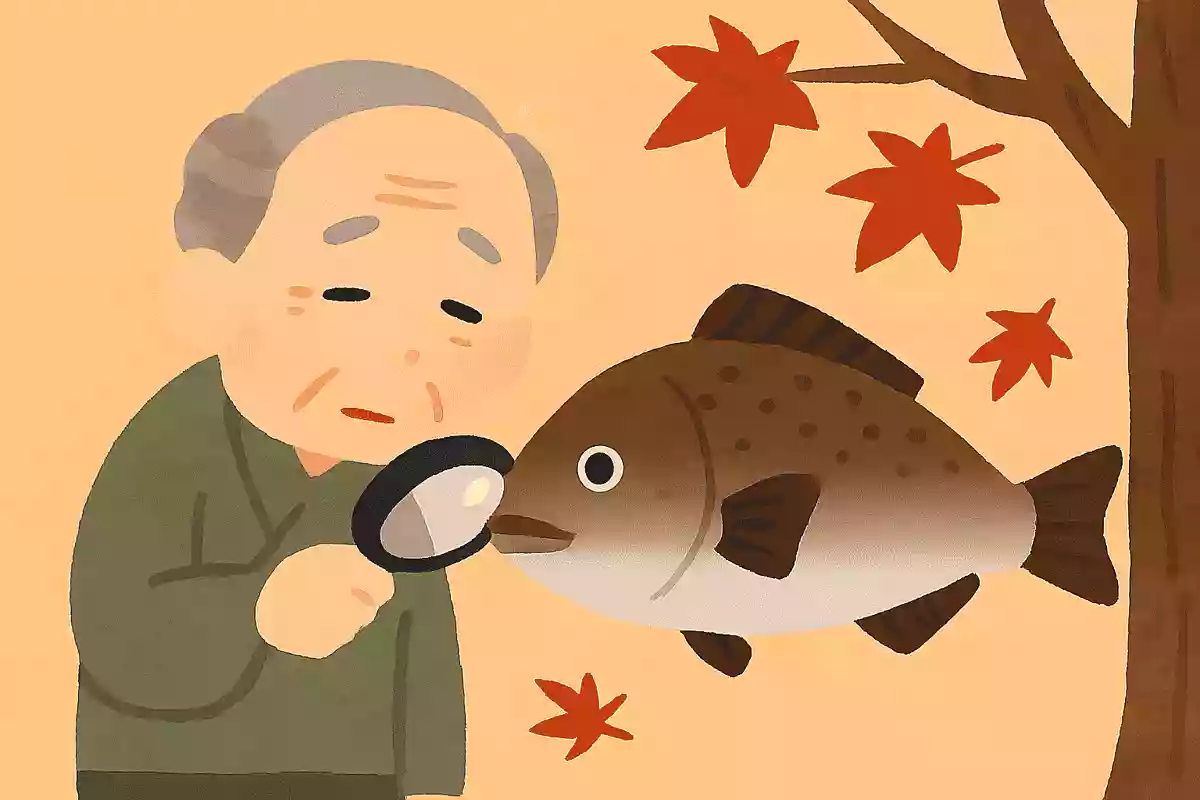
What is the autumn-season fish that was prohibited from being eaten during the Edo period?
- Pacific saury
- pufferfish
- salmon
See the answer
pufferfish
Fugu was extremely popular among samurai during the Edo period, but when troops assembled in Kyushu during the Bunroku-Keichō Campaigns, a series of deaths occurred due to fugu poisoning. As a result, Toyotomi Hideyoshi issued a ban on eating fugu. Although methods for safely removing the toxin have been established today, they were not in place at the time.
What do you call the first strong northerly wind that blows when transitioning into the cold winter?
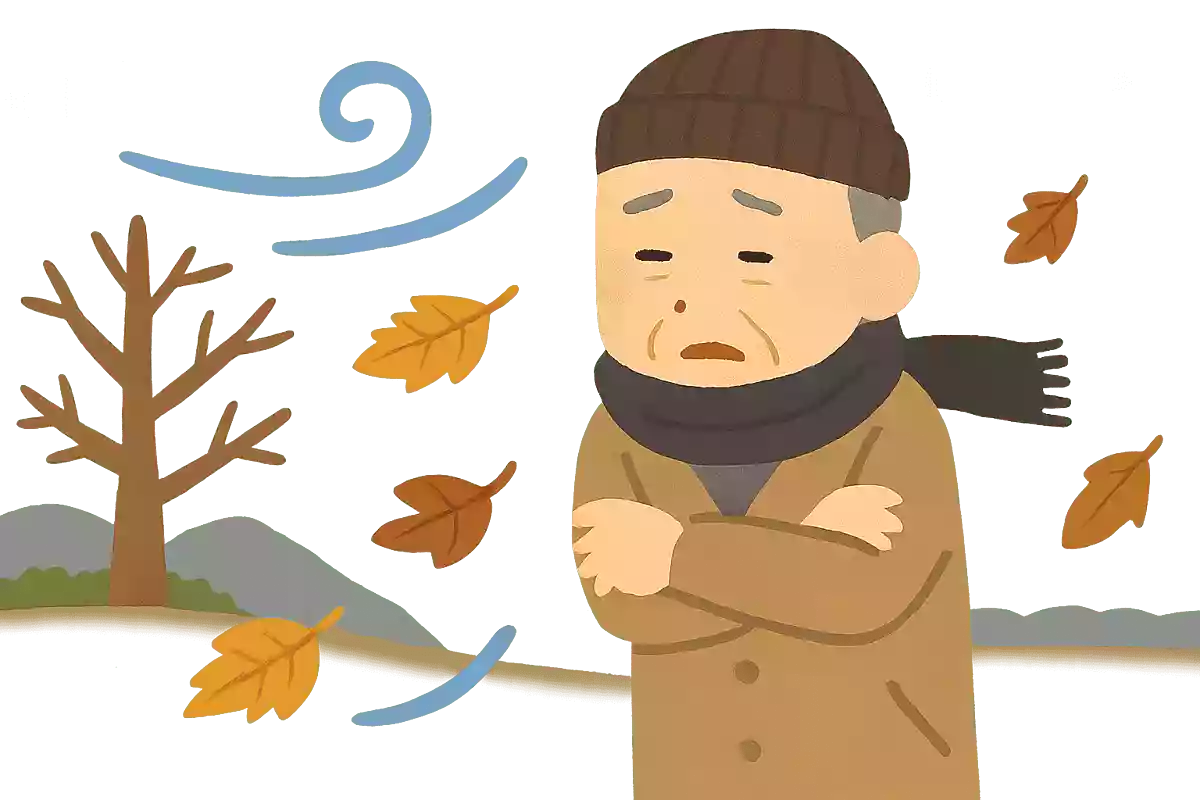
- cold wintry wind
- draft (cold air seeping through gaps)
- Wind with cold-like symptoms
See the answer
cold wintry wind
Kogarashi refers to the first strong northerly wind that blows as the weather turns colder from autumn to winter. Specifically, it means a northerly wind of at least 8 meters per second occurring between mid-October in late autumn and the end of November in early winter. When the kogarashi begins to blow, it signals that the full onset of winter is near.