

How much do you know? Trivia quiz for seniors that’s full of surprisingly unknown facts

Don’t you find that when you learn a fun fact you didn’t know, you almost can’t help but say, “Huh, really?”
I’d like to share some of those fun facts—especially the slightly nerdy ones that are “surprisingly little-known.”
Let’s enjoy them like a quiz while boosting our knowledge!
I’ve gathered tidbits that will make you want to tell someone, the kind that make you say, “Hey, did you know this?”
Many of them are useful for health and everyday life, so be sure to share them with your friends, too!
How much do you know? A quiz of little-known trivia for seniors (1–10)
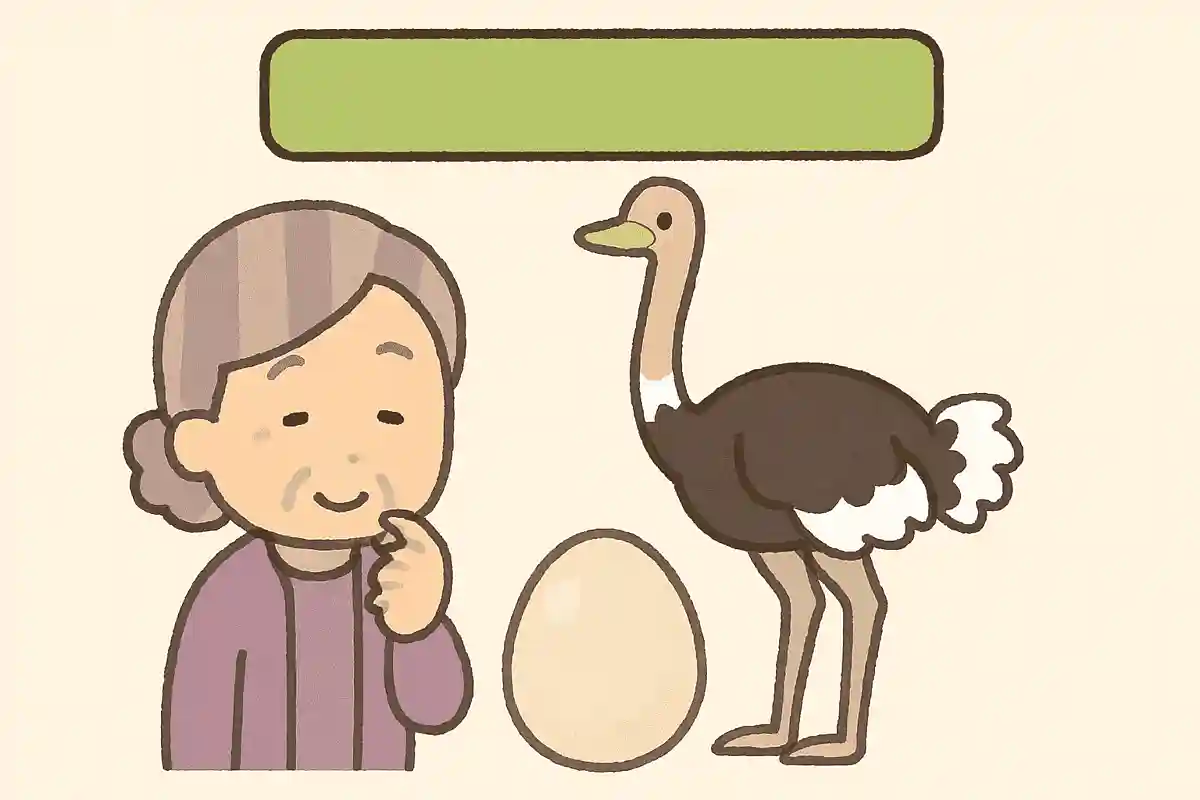
Which animal lays the largest eggs in the world?
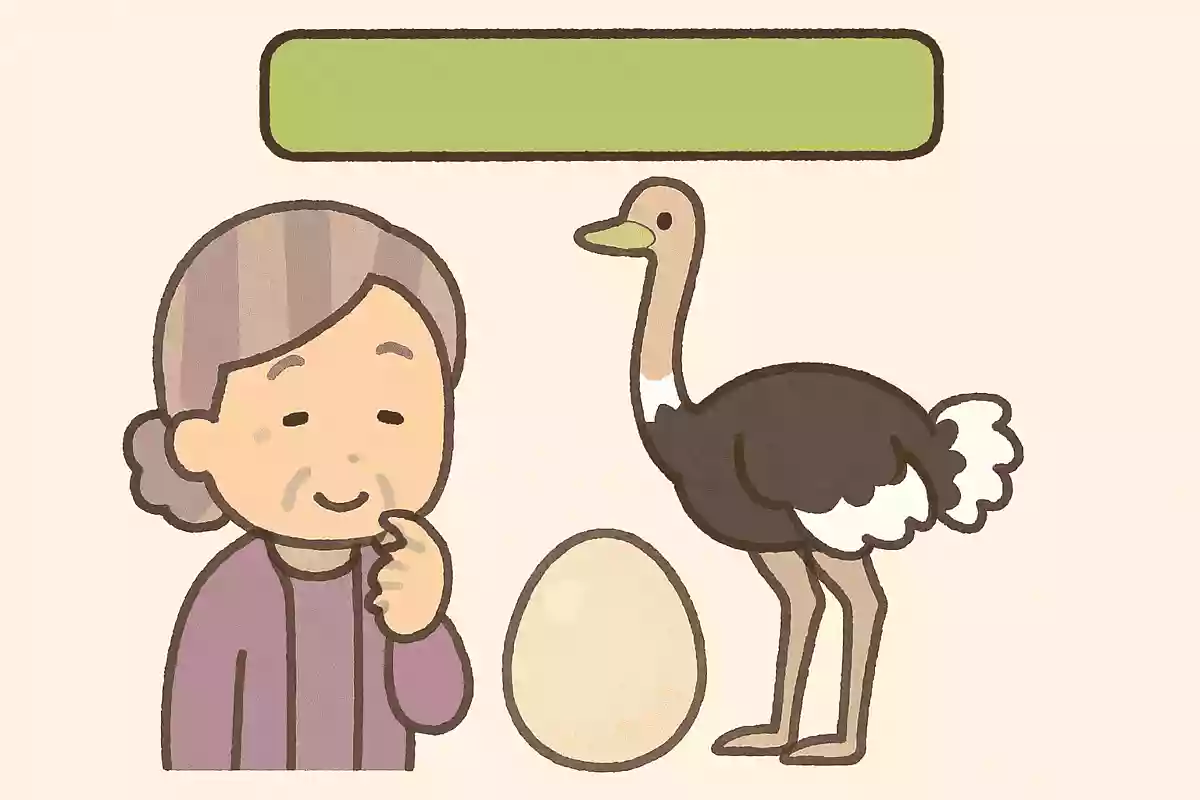
- ostrich
- Crocodile
- shark
See the answer
ostrich
An ostrich egg measures 16 centimeters and weighs about 1.5 kilograms. It’s surprising, isn’t it, that it’s equivalent to 20 to 25 chicken eggs we usually eat? Its shell is also 2 millimeters thick, so you crack it by hitting it with a hammer or the like.

What is the country of origin of the kiwifruit?

- China
- America
- New Zealand
See the answer
China
When we think of kiwifruit, we tend to associate it with New Zealand, but it actually originated in China. Seeds brought back from China were cultivated in New Zealand under the name “Chinese gooseberry,” and because the fruit resembled the country’s national bird, the kiwi, it was renamed and spread around the world.
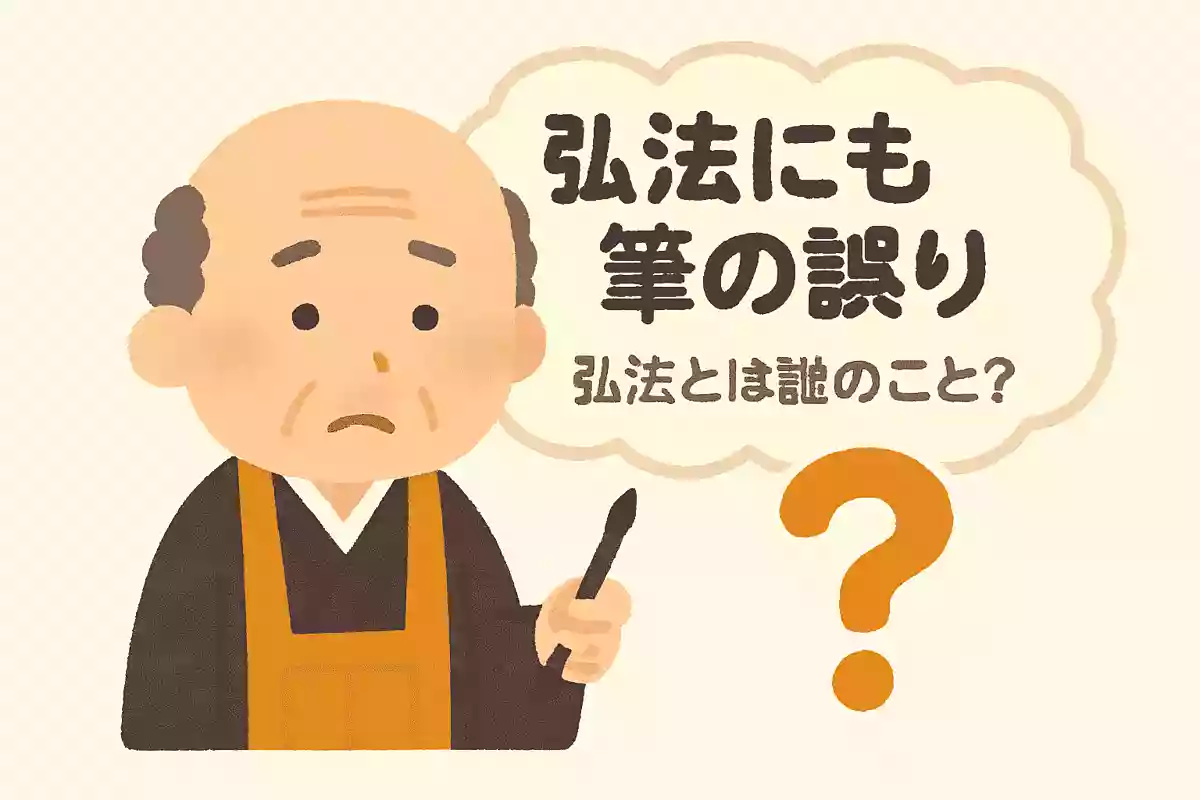
In the proverb “Even Kōbō makes mistakes with his brush,” who does Kōbō refer to?
- Kūkai
- Ikkyu
- Benkei
See the answer
Kūkai
Kūkai was a monk of the Heian period, also known as Kōbō Daishi. He traveled to China as a Japanese envoy to the Tang court to study esoteric Buddhism, and after returning to Japan, he spread the Shingon school. The saying “Even Kōbō makes mistakes with his brush” comes from the fact that Kōbō Daishi, a master calligrapher, once made a writing error; it means that no matter how great a person is, they still make mistakes.
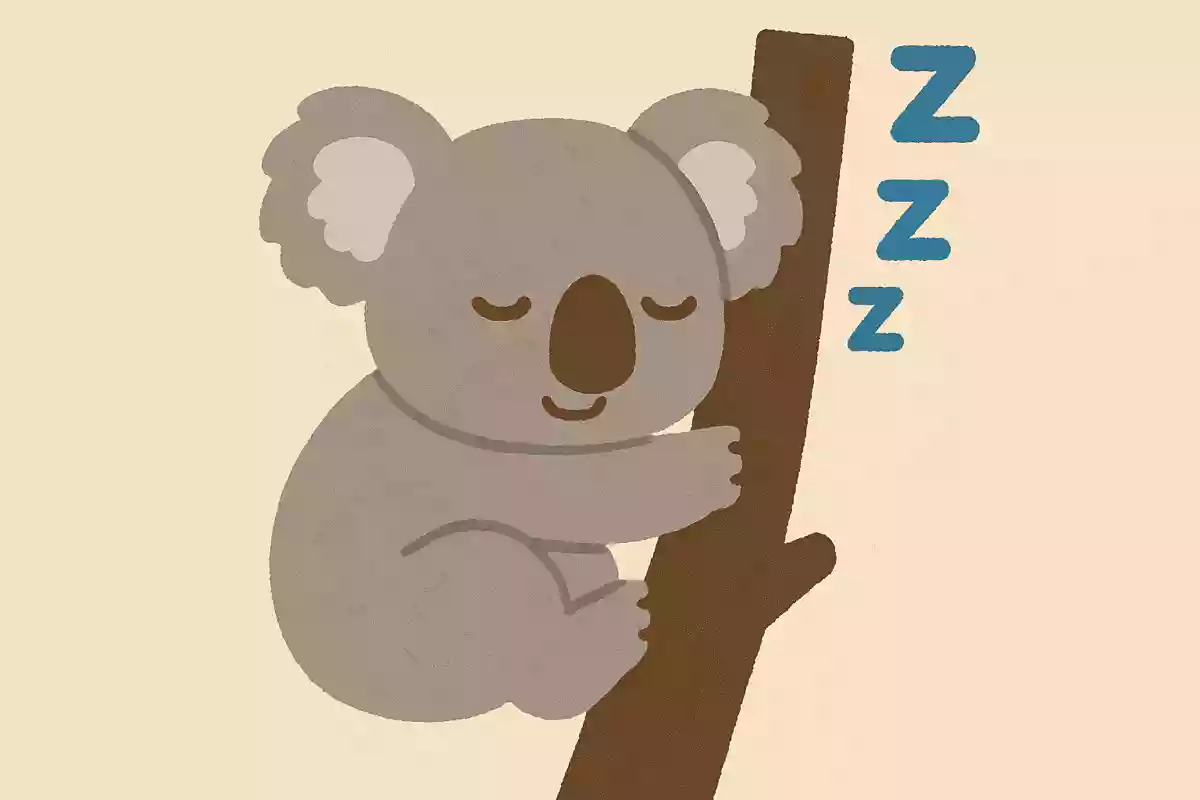
Koalas sleep an average of 22 hours. Why do they sleep for so long?
- So that you don’t get too hungry if possible
- To break down the poison
- To avoid being spotted by the enemy
See the answer
To break down the poison
You might wonder, why poison? Eucalyptus leaves, which koalas eat, contain toxins. Koalas use energy to break down those toxins, so they spend most of the day sleeping. These are toxins that koalas can metabolize, and even for humans, they would generally only cause something like a stomachache.
Which of the following is effective for removing limescale from a bathroom mirror?

- egg shell
- vinegar
- salt
See the answer
vinegar
Water spots seem to appear before you know it, and they’re a pain to remove. The culprit is the minerals in tap water. Mix equal parts vinegar and water, spray it onto the mirror with a spray bottle, and let it sit. It’s even more effective if you apply kitchen paper over it and leave it for a while.
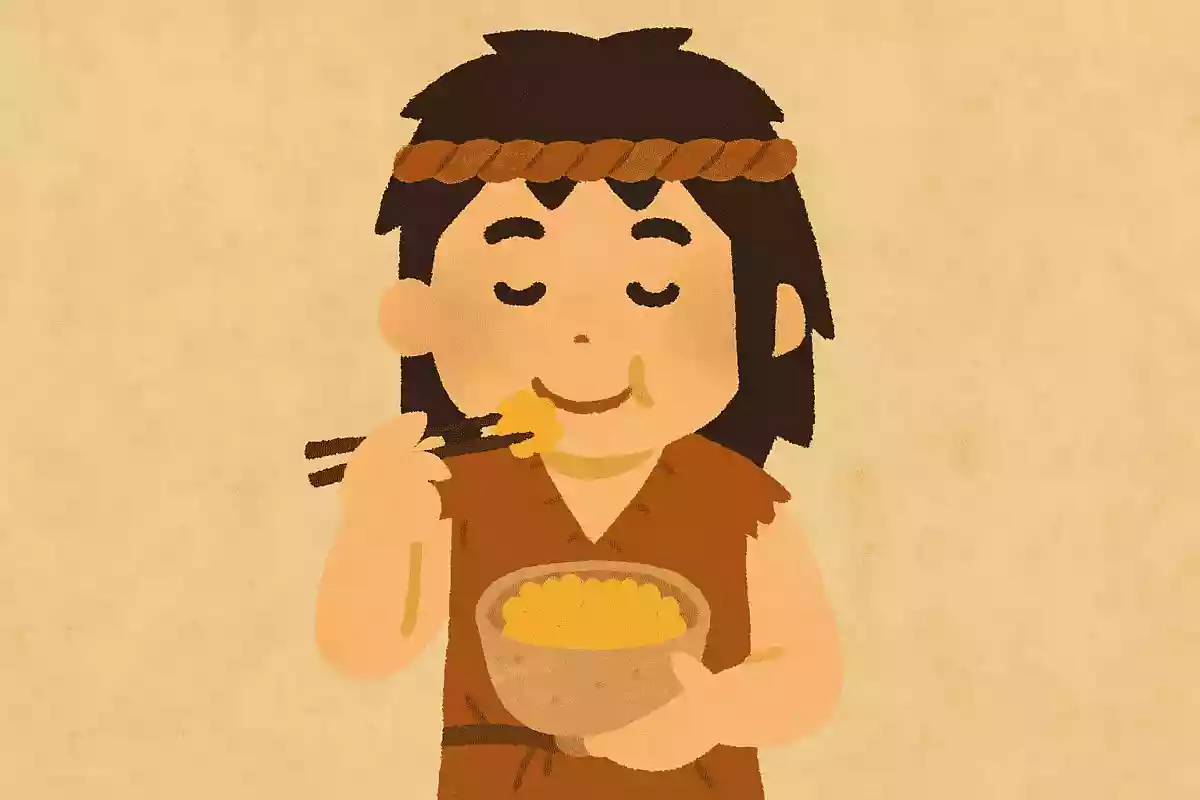
In the Jomon period, when rice began to be eaten in Japan, what color was the rice?
- black
- yellow
- red
See the answer
red
All of them seem possible, but the answer is red. The red rice, which is still known as red rice today, was considered precious when it was first introduced to Japan and was only eaten on auspicious days. The custom of serving and eating sekihan (red rice) on celebratory occasions comes from this.
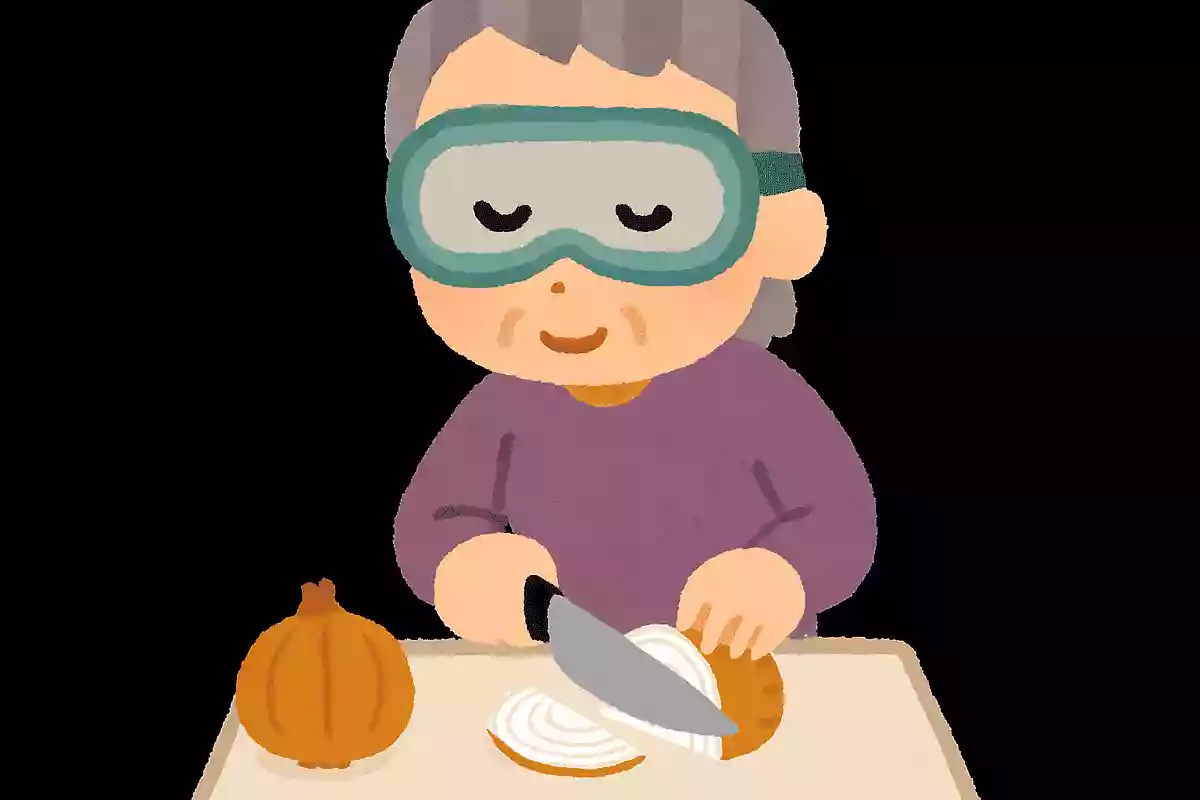
What are some ways to make it less likely to tear up when cutting onions?
- Chill the onion
- Sprinkle salt on the onion before cutting it.
- slam the onion onto the cutting board
See the answer
Chill the onion
By peeling the onion and wrapping it before chilling it in the refrigerator, the tear-inducing substances are less likely to disperse into the air or even to form. If you’re in a hurry, putting it in the freezer should have the same effect. It’s also said that microwaving works, so it might be worth trying different methods depending on how you plan to cook it.