

How much do you know? Trivia quiz for seniors that’s full of surprisingly unknown facts

Don’t you find that when you learn a fun fact you didn’t know, you almost can’t help but say, “Huh, really?”
I’d like to share some of those fun facts—especially the slightly nerdy ones that are “surprisingly little-known.”
Let’s enjoy them like a quiz while boosting our knowledge!
I’ve gathered tidbits that will make you want to tell someone, the kind that make you say, “Hey, did you know this?”
Many of them are useful for health and everyday life, so be sure to share them with your friends, too!
- [For Seniors] Surprisingly Unknown! General Knowledge Quiz
- [For Seniors] Fun and Informative! Health Trivia Quiz
- [For Seniors] Get Excited by Knowing the Answers! Tricky Quiz
- [For Seniors] Great for killing time! A fun three-choice trivia quiz
- [For Seniors] Trivia Quiz & Fun Facts for Everyday Life
- [For Seniors] Recommended Trivia Quizzes & Fun Facts for November
- [For Seniors] Fun and Informative! Trivia and Quizzes Introduced
- [For Seniors] Fun and Informative Trivia Quiz Collection
- [For Seniors] Sports Trivia Quiz & Fun Facts. Easy and Entertaining
- [For Seniors] Introducing Scary Trivia Quizzes & Fun Facts!
- [For Seniors] Liven Things Up! Fun Fish Trivia Quiz
- [For Seniors] Hina Matsuri (Girls’ Day) Trivia Quiz & Fun Facts. Recommended for Dementia Prevention Activities
- [For Seniors] Introducing Trivia Quizzes and Fun Facts About December
How much do you know? A quiz of little-known trivia for seniors (1–10)
Since when did people start adding shiso when making umeboshi?
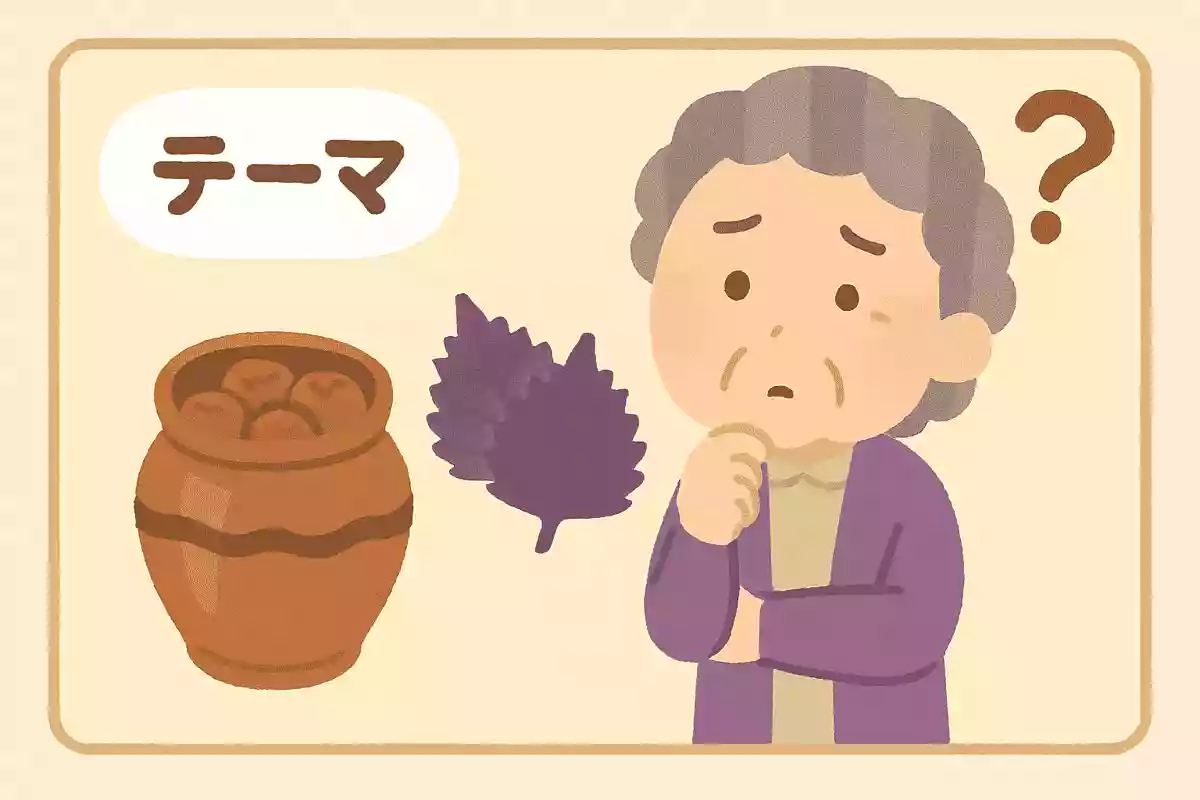
- Meiji era
- Edo period
- Jōmon period
See the answer
Edo period
Umeboshi began to be made as a preserved food in Japan during the Kamakura period. Even back then, they were valued for the claim that they made foods like rice balls less likely to spoil. Adding shiso leaves started in the Edo period; including them imparts antibacterial effects, resulting in umeboshi with excellent keeping quality.

Which of the following will lose its unpleasant smell when heated in a microwave?
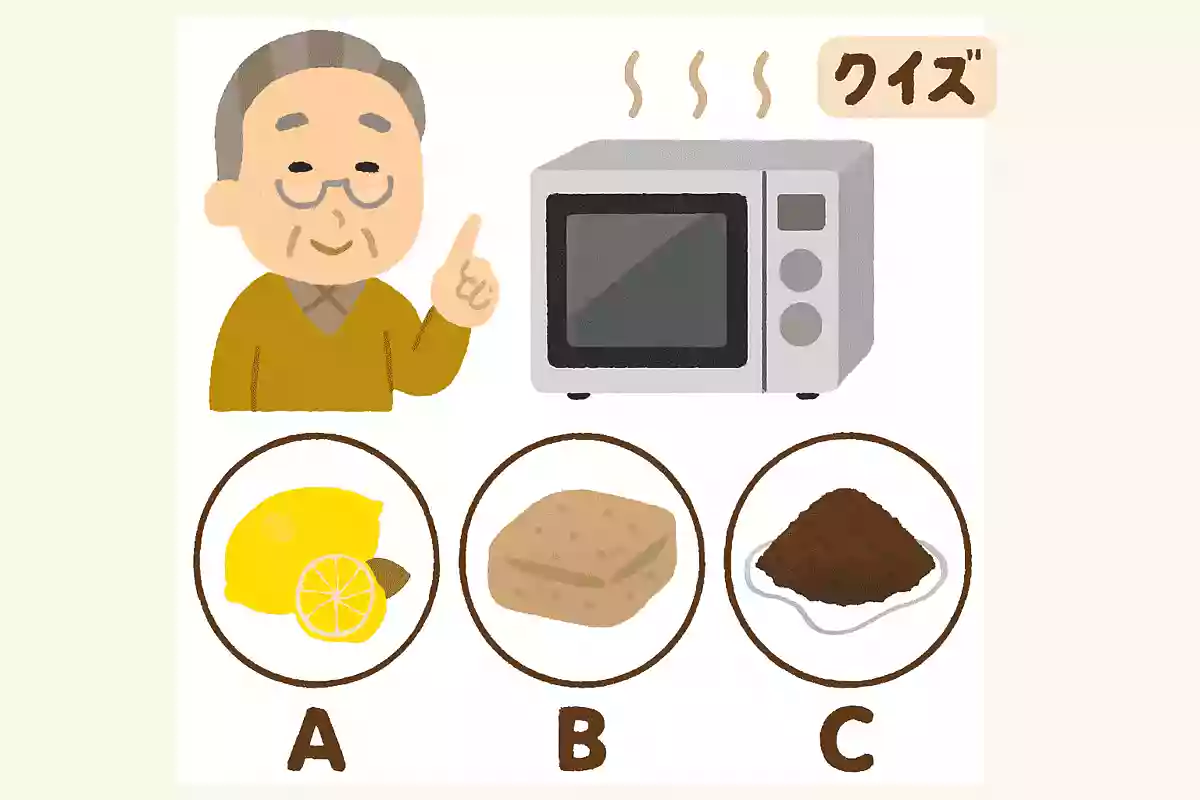
- rice-washing water
- used tea leaves
- lemon peel
See the answer
used tea leaves
Just put the used tea leaves into a heat-resistant container and microwave them, and it will remove unpleasant odors from inside the microwave. The catechins in tea leaves provide deodorizing and antibacterial effects. They’re also useful for cleaning and cooking, making tea leaves too valuable to throw away as they are.
What was the original purpose of using wind chimes?
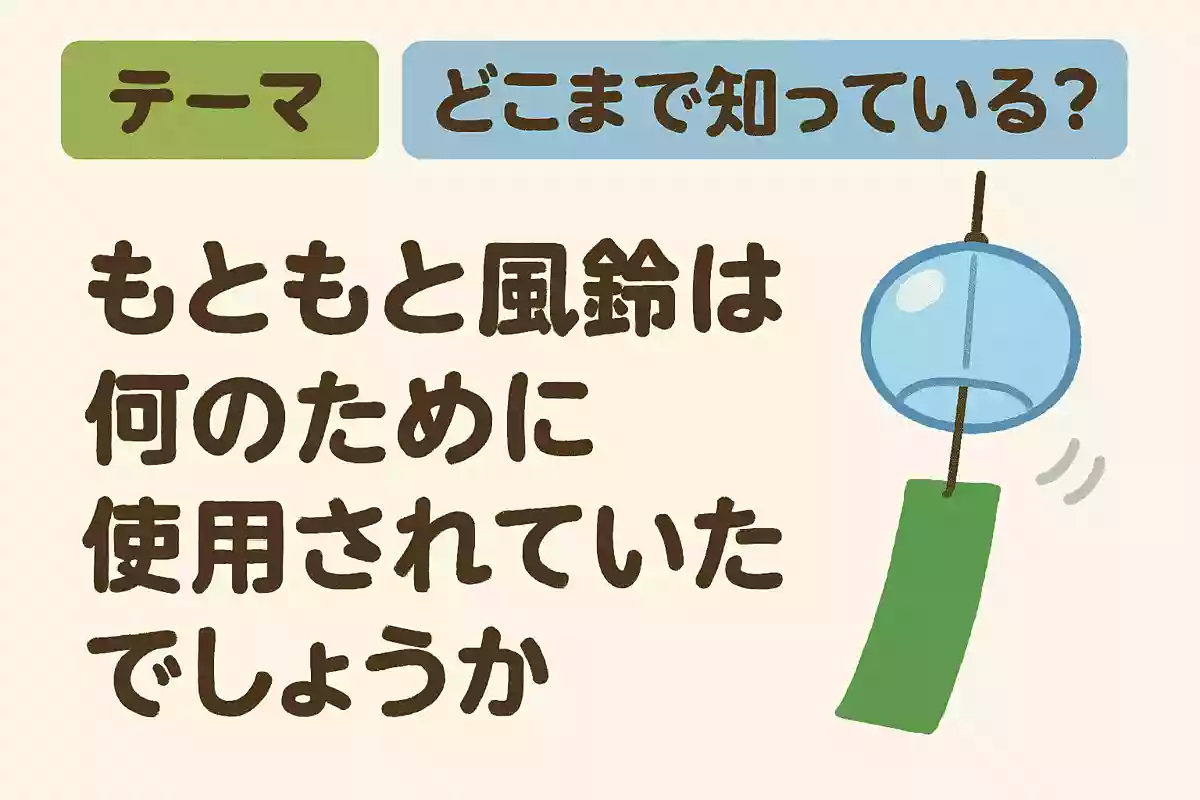
- Insect repellent that keeps bugs away with sound
- For the enjoyment of listening to sounds
- amulet against evil
See the answer
amulet against evil
Wind chimes were brought to Japan from China along with Buddhism. They were hung from the four corners of temple roofs, and their clattering sound was believed to ward off evil as a protective talisman called “fūtaku.” Starting in the Heian period, when nobles began adopting them at home for protection, wind chimes gradually spread in popularity.
[How much do you know?] For seniors: Little-known trivia quiz (11–20)
What does “PET” in PET bottle mean?
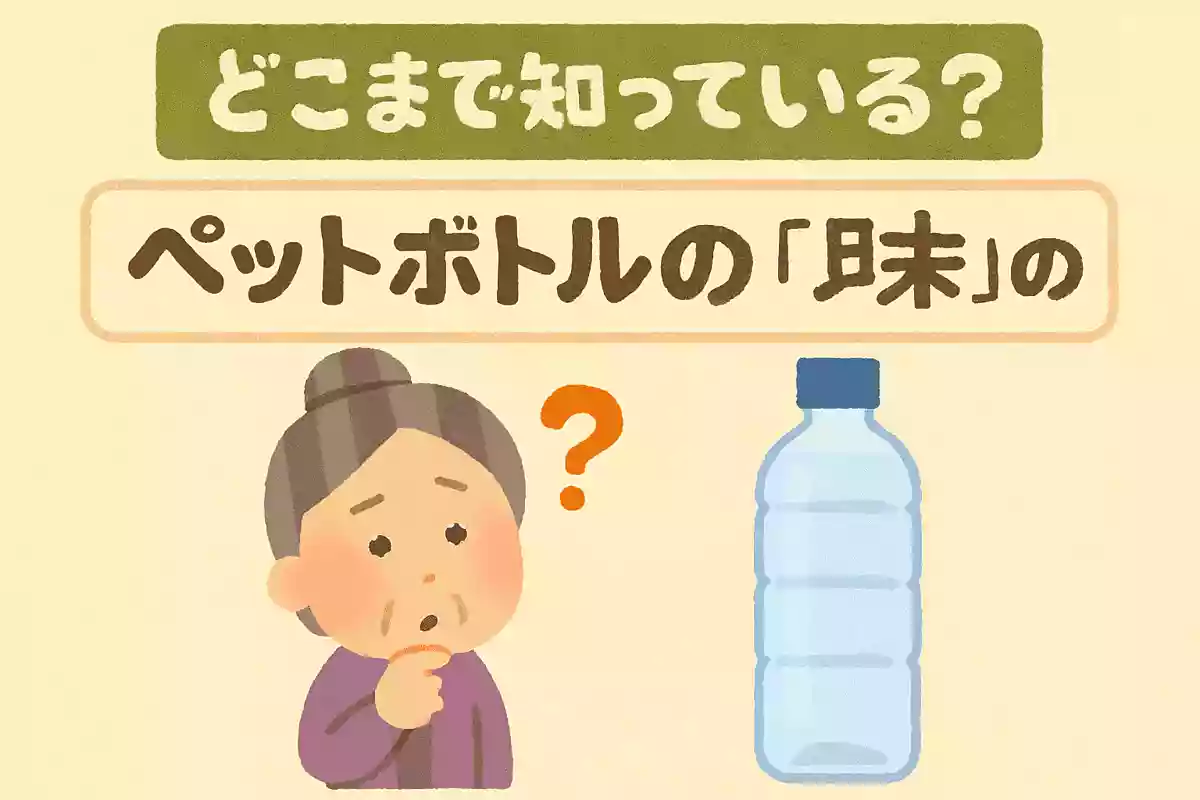
- Pets: animals that live together with humans
- It means “light.”
- Material name
See the answer
Material name
Named PET by taking the initials of Poly Ethylene Terephthalate, the PET bottle has now become indispensable in our lives as a container for beverages and more. In Japan, it was first used in 1977 as a container for soy sauce.
Which of the following is better not to do right after a meal?
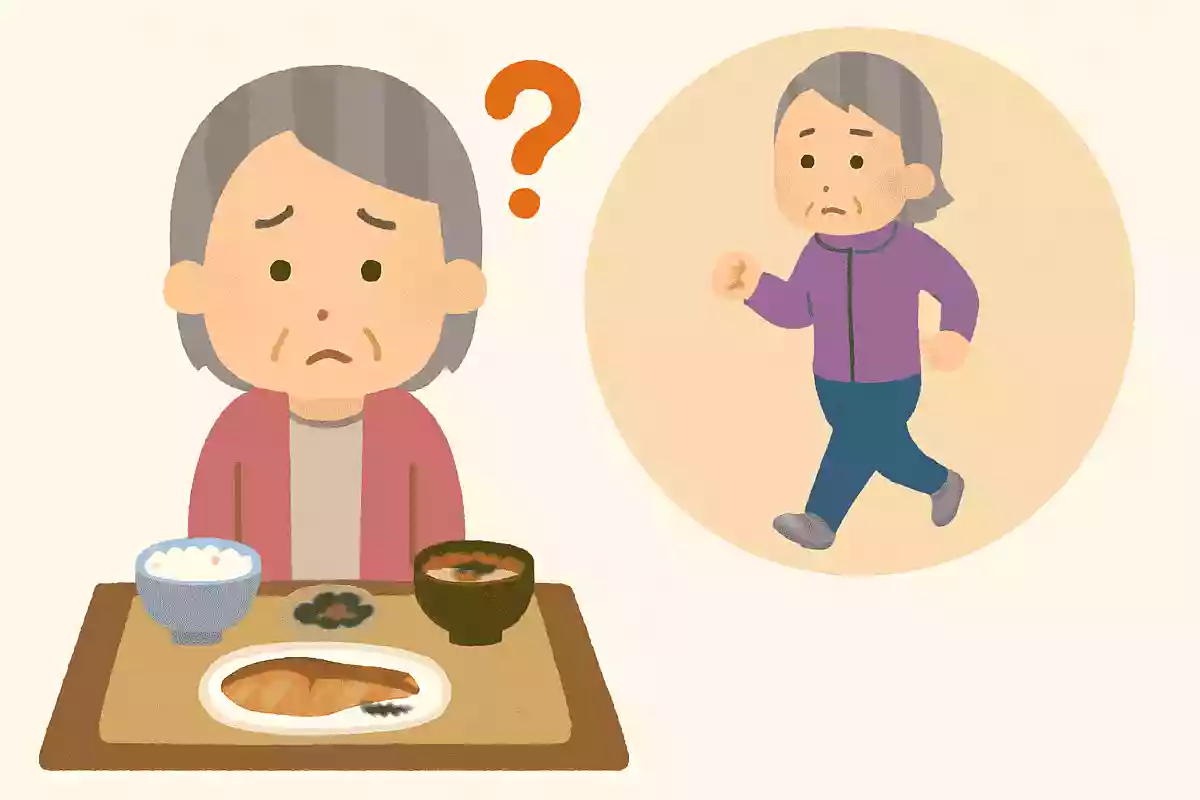
- Lie down right after eating
- Drink coffee after a meal
- brush my teeth
See the answer
Drink coffee after a meal
In the past, people used to say, “If you lie down right after eating, you’ll turn into a cow,” but for your stomach and intestines, it’s actually good for helping digestion. However, if you drink coffee immediately after a meal, the tannins and polyphenols in coffee bind to the iron you’ve just consumed and interfere with its absorption, which can lead to anemia. It’s best to wait at least 30 minutes after eating before drinking coffee.
Which of the following used to be used as a medicine?
- tomato ketchup
- vinegar
- soy sauce
See the answer
tomato ketchup
Tomatoes are said to be good for the body because they contain lycopene. Known as a vegetable rich not only in lycopene but also in nutrients like beta-carotene and vitamins, tomatoes were once considered beneficial in the United States in the 1830s, to the point that tomato extract was even patented as a medicine.
Why isn’t nori eaten very much outside Japan?
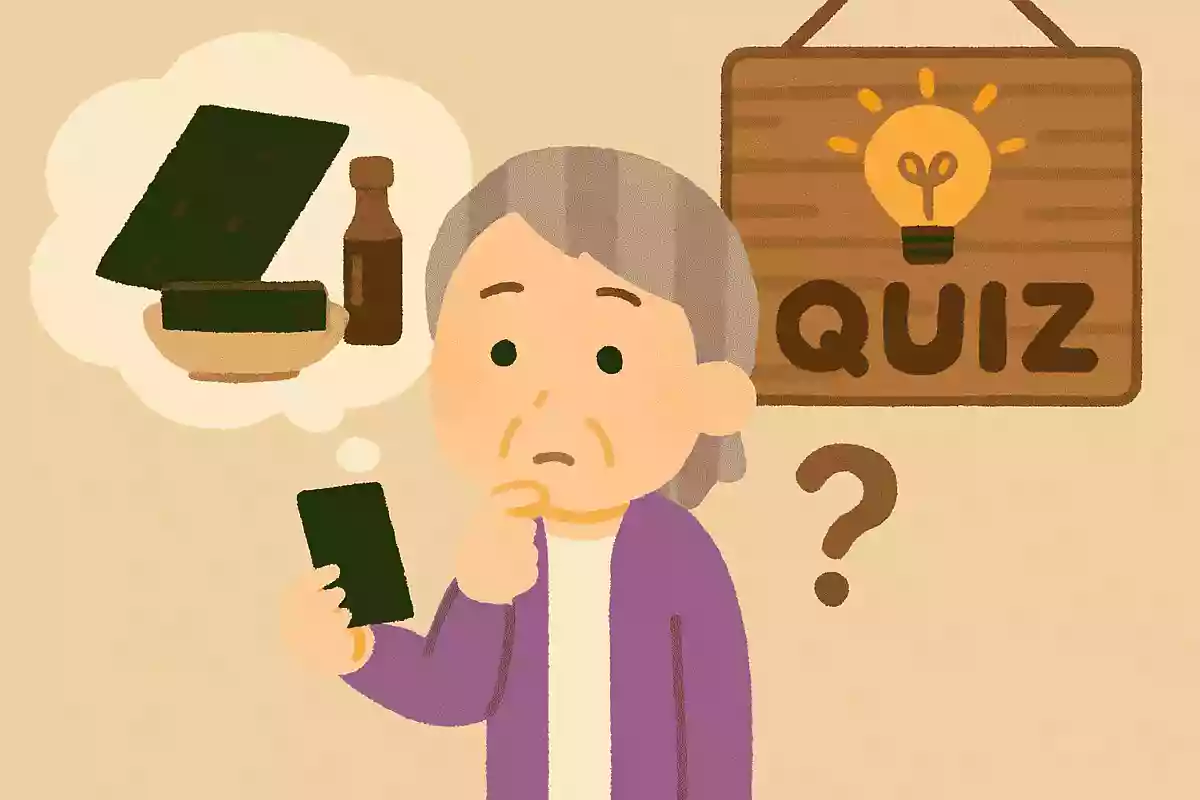
- Because the materials can only be obtained in Japan.
- Because people overseas have bodies that can’t digest nori (seaweed).
- Because the technology to make nori exists only in Japan
See the answer
Because people overseas have bodies that can’t digest nori (seaweed).
Only Japanese people can digest raw nori (seaweed). While nori is hard to digest for people overseas, it’s said that Japanese people have unique gut bacteria that can break down raw nori. By the way, nori that has been cooked can be digested by people overseas as well.