

How much do you know? Trivia quiz for seniors that’s full of surprisingly unknown facts

Don’t you find that when you learn a fun fact you didn’t know, you almost can’t help but say, “Huh, really?”
I’d like to share some of those fun facts—especially the slightly nerdy ones that are “surprisingly little-known.”
Let’s enjoy them like a quiz while boosting our knowledge!
I’ve gathered tidbits that will make you want to tell someone, the kind that make you say, “Hey, did you know this?”
Many of them are useful for health and everyday life, so be sure to share them with your friends, too!
- [For Seniors] Surprisingly Unknown! General Knowledge Quiz
- [For Seniors] Fun and Informative! Health Trivia Quiz
- [For Seniors] Get Excited by Knowing the Answers! Tricky Quiz
- [For Seniors] Great for killing time! A fun three-choice trivia quiz
- [For Seniors] Trivia Quiz & Fun Facts for Everyday Life
- [For Seniors] Recommended Trivia Quizzes & Fun Facts for November
- [For Seniors] Fun and Informative! Trivia and Quizzes Introduced
- [For Seniors] Fun and Informative Trivia Quiz Collection
- [For Seniors] Sports Trivia Quiz & Fun Facts. Easy and Entertaining
- [For Seniors] Introducing Scary Trivia Quizzes & Fun Facts!
- [For Seniors] Liven Things Up! Fun Fish Trivia Quiz
- [For Seniors] Hina Matsuri (Girls’ Day) Trivia Quiz & Fun Facts. Recommended for Dementia Prevention Activities
- [For Seniors] Introducing Trivia Quizzes and Fun Facts About December
[How much do you know?] For seniors: Little-known trivia quiz (11–20)
What happens when you put a delicious tomato in water?

- sink
- float
- swaying and moving
See the answer
sink
The deliciousness of a tomato is determined by its acidity and sugar content. Tomatoes that contain a lot of acid and sugar will sink in water, while those with less will float. You can’t try this at a greengrocer or supermarket, but it might be useful to remember.

Why did sushi and sashimi start being served with wasabi?
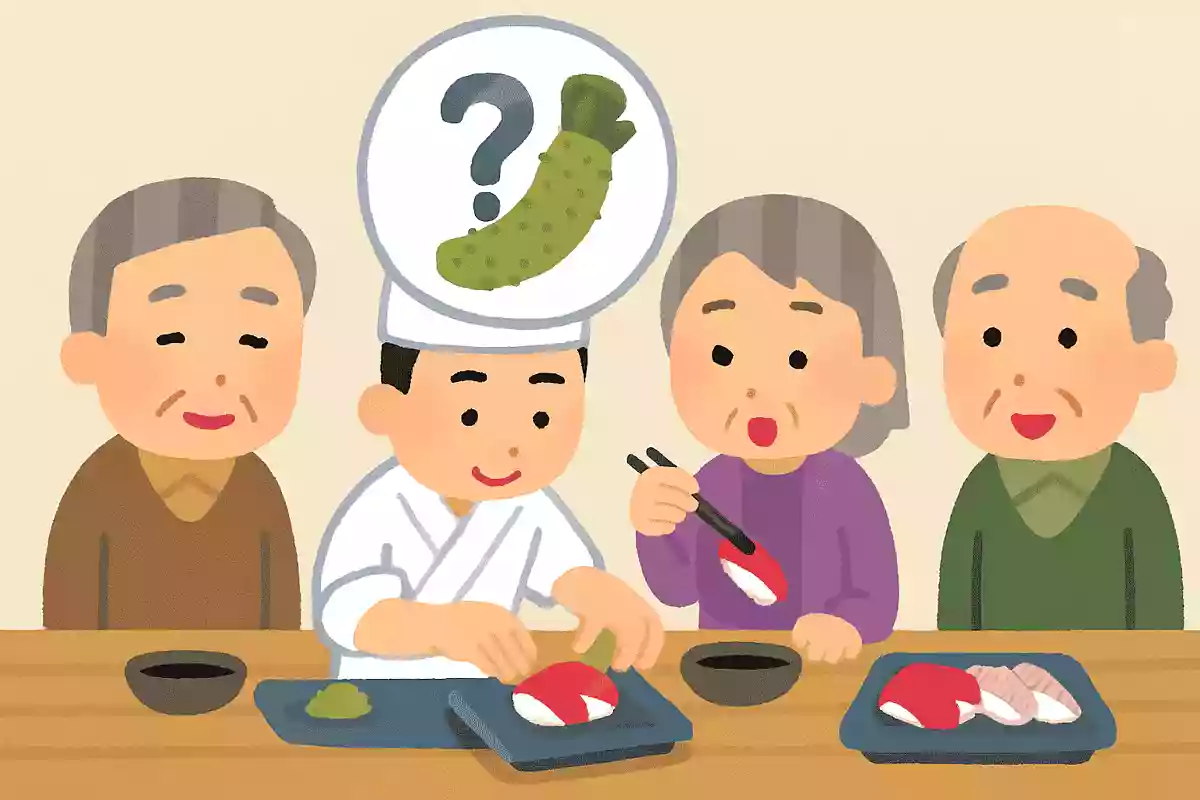
Many people don’t know this! Here’s a trivia quiz: Why did wasabi start being served with sushi and sashimi? Some people mix wasabi into soy sauce when eating sushi or sashimi.
But do you know why we began eating them with wasabi in the first place? The answer is: because wasabi has antibacterial properties that help prevent food poisoning.
While its sharp aroma and flavor are key attractions, the antibacterial effect makes it a win-win.
What do you call the black spots that appear on a banana peel?

The black spots that form on banana peels are called sugar spots.
Sugar spots are a sign that a banana has ripened and become delicious.
When the sugar spots spread all over and the peel becomes slightly soft, it’s said to be the ideal time to eat the banana as is.
You can also peel it, wrap it, and freeze it to enjoy in smoothies, cooking, or as a refreshingly cold banana ice treat.
Give it a try! Knowing the tips for when bananas are at their tastiest will help you enjoy even more delicious bananas.

Asparagus was originally used for ornamental purposes.

Asparagus has a slightly different form compared to other vegetables.
I’ve heard it takes at least three years from sowing the seeds to harvesting.
I’ve tried growing it a few times myself, but I never made it to harvest…
If you manage it properly, you can keep harvesting for about ten years.
Interestingly, asparagus was originally imported as an ornamental plant and only later became a food.
The curiosity of the person who thought, “Maybe I’ll try eating that plant that looks like a horsetail,” is pretty incredible, isn’t it?
Unfortunate Creatures Quiz 2

Creatures different from humans exist all over the world, and precisely because they live differently, we can’t help but feel that every one of their actions has meanings humans can’t fully grasp.
This quiz focuses on the arguably “unfortunate” aspects of some animals’ behaviors to deepen our understanding and affection for them.
Since the premise is “unfortunate,” you might predict that the more unfortunate option is often the correct answer—so we’ll ask you to consider the reasons as well.
Even though animals would presumably want to avoid pain and suffering, limited abilities can lead them to repeat certain behaviors almost as if by habit.
Through this, you’ll gain a deeper understanding of animals.

In sukiyaki, which ingredient is considered better not to place next to the meat?
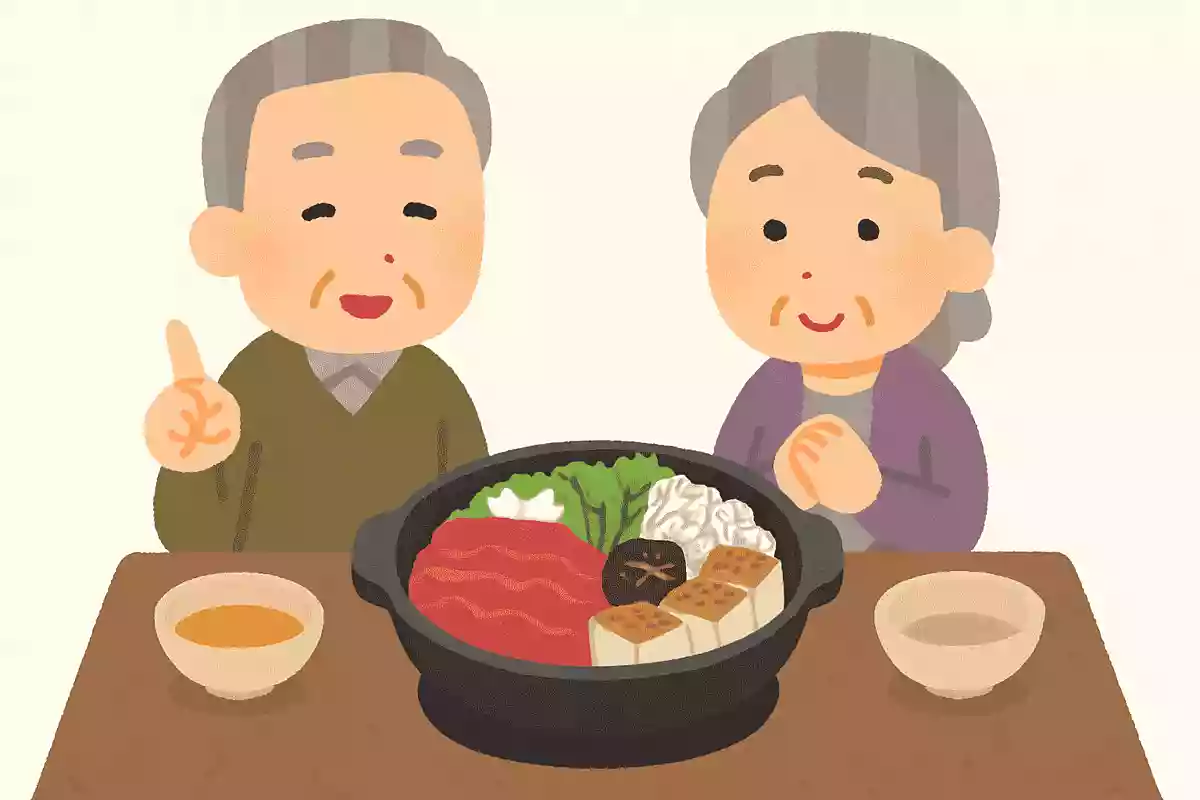
A quiz many people might already know! In sukiyaki, which ingredient is said to be better not placed next to the meat? Here’s a bit of trivia for you.
The correct answer is shirataki (konjac noodles).
Shirataki contains calcium, and when it comes into contact with protein, heat coagulation occurs, which causes the meat to toughen more quickly.
Some of you may have unknowingly placed them side by side in the pot.
To enjoy delicious, tender meat, it’s important to be a little mindful of how you arrange the ingredients.
How much do you know? For seniors: A trivia quiz with little-known facts (21–30)
What was the original purpose of kombu-jime?
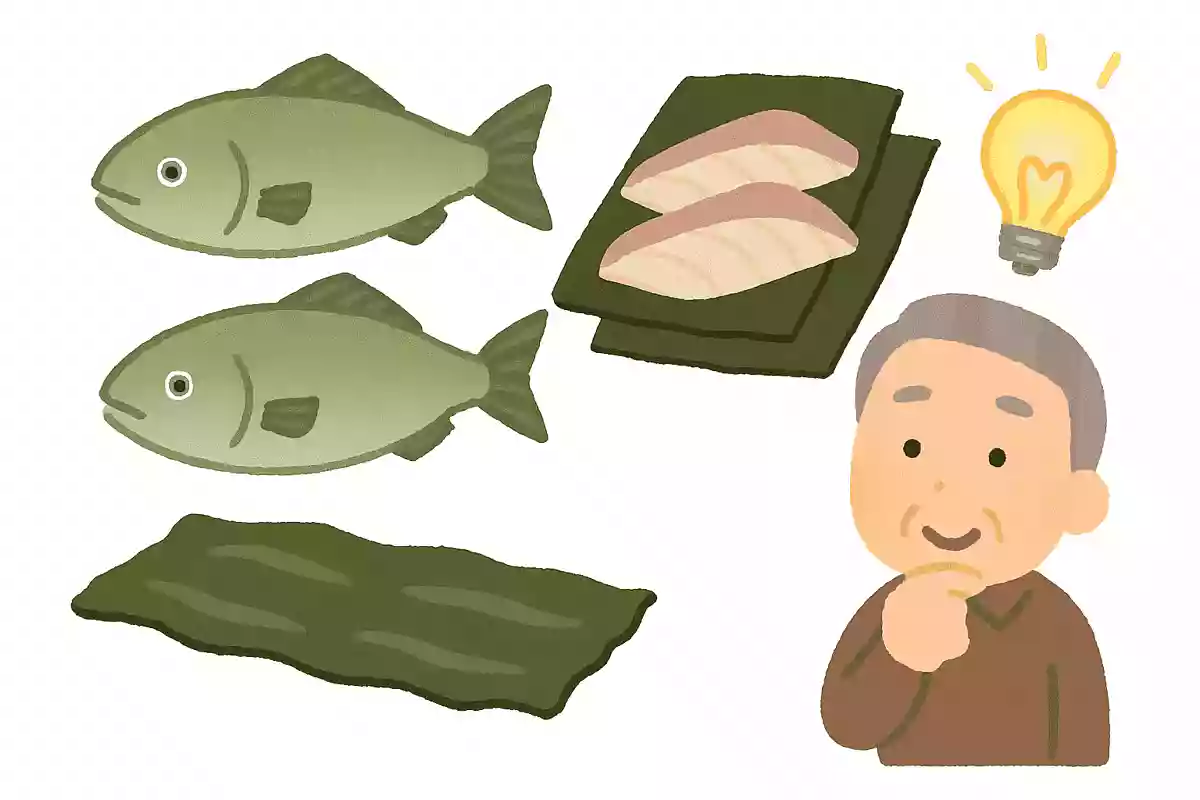
Knowing the origins can change how you see a dish! Here’s a trivia quiz: What was the original purpose of kombu-jime (curing with kelp)? The correct answer is “to make it last longer.” In the days before refrigerators, our predecessors found ways to extend the shelf life of fish and meat by drawing out excess moisture.
Most households now have refrigerators, but this method is still loved today.
Even the dishes we take for granted reflect the ingenuity of those who came before us, inspiring a renewed sense of gratitude.