

[For Seniors] Recommended Trivia Quizzes & Fun Facts for November

How about some trivia quizzes and fun facts that are great for seniors?
This time, we’ve gathered trivia and tidbits related to November.
They’re in a multiple-choice (three-option) quiz format, so they should be easy to answer.
Even with questions that seem simple, recalling memories and knowledge you’ve forgotten—like “Huh?” or “What was it again?”—can stimulate the brain and help prevent dementia.
It’s fun to do by a show of hands, and it could be even more engaging to form groups, discuss in larger numbers, and arrive at answers together.
For tougher questions, staff members might consider offering hints.
- [For Seniors] Introducing Trivia Quizzes and Fun Facts About December
- [For Senior Facilities] Lively and Fun! November Quiz
- [For Seniors] Trivia Quiz & Fun Facts for Everyday Life
- [For Seniors] Let's have fun with an autumn-themed quiz!
- [For Seniors] Fun and Informative! Health Trivia Quiz
- [For Seniors] Trivia Multiple-Choice Quiz
- How much do you know? Trivia quiz for seniors that’s full of surprisingly unknown facts
- [For Seniors] Let’s have fun with October trivia and fun facts quizzes!
- [For Seniors] Fun Quiz Questions That Will Liven Up December
- [For Seniors] Boost Your Knowledge! Fun Trivia Quiz
- [For Seniors] Introducing Scary Trivia Quizzes & Fun Facts!
- [For Seniors] Lively two-choice trivia quiz. Handy to know and tidbits you'll want to share with others
- [For Seniors] Fun and Informative Trivia Quiz Collection
[For Seniors] Recommended Trivia Quiz & Fun Facts for November (Questions 1–10)
What is the traditional (lunar calendar) name for November?

- Kisaragi (the traditional Japanese name for the second month; February)
- Shimotsuki (the traditional Japanese name for the 11th month)
- the tenth month (Kannazuki), literally “Month Without Gods”
See the answer
Shimotsuki (the traditional Japanese name for the 11th month)
In the old lunar calendar, November is called “Shimotsuki.” This name is said to come from “Shimofurizuki,” meaning the month when it gets cold and frost begins to fall, which was shortened to “Shimotsuki.” It is also the season of festivals held to offer thanks to the gods after the harvest. Kisaragi refers to February, and Kannazuki refers to October.

On the winter solstice, there is a custom of putting a fruit believed to warm the body into the bath. What is that fruit?

- Apple
- pumpkin
- yuzu
See the answer
yuzu
The answer is “yuzu.” Yuzu’s fragrance and components are said to promote blood circulation and warm the body, and there is a custom of taking a yuzu bath on the winter solstice. This custom is believed to have begun in the Edo period. Although people did not bathe frequently at the time, it is said to have started as a form of ritual purification to ward off misfortune specifically on the day of the winter solstice.
Which of the following is one of the meanings (stone words) of topaz, the birthstone for November?
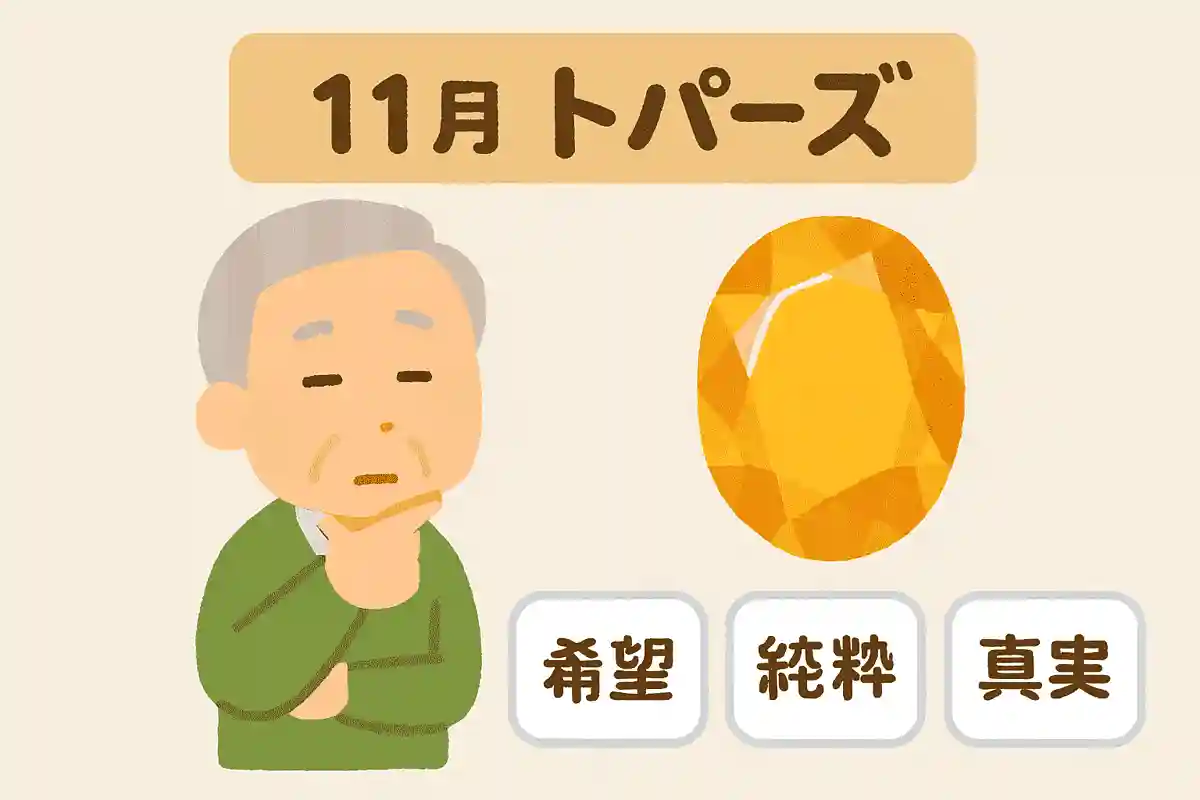
- fraternity
- Wisdom
- Courage
See the answer
fraternity
One of the meanings associated with topaz is “amity.” Topaz is considered a stone that symbolizes friendship, happiness, and truth, and as the birthstone for November it is cherished for additional meanings such as “hope, sincerity, success, and purity.” Its etymology traces back to the Greek word “topazos,” which means “to seek” or “to search for.”
[For Seniors] Recommended Trivia Quiz & Fun Facts for November (11–20)
Chitose ame, the indispensable candy for the Shichi-Go-San festival on November 15. In fact, there is a maximum length set for chitose ame. Which of the following do you think it is?
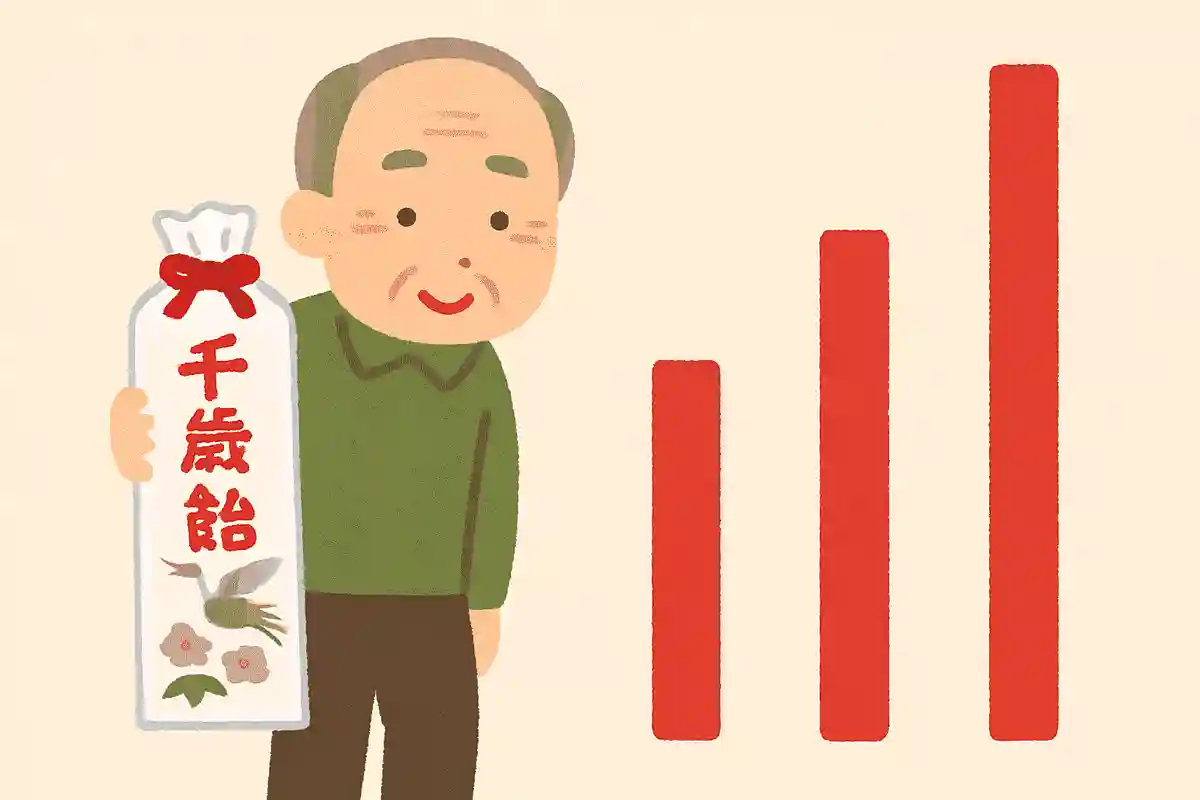
- 50 centimeters
- 80 centimeters
- 1 meter
See the answer
1 meter
The answer is one meter. The word chitose means “a thousand years,” and is considered auspicious as it expresses wishes for a child’s growth and longevity. Chitose-ame symbolizes health and long life because of its length. Also, around the time when November 15 began to be celebrated grandly, sugar was a luxury ingredient, so people likely wanted to give children something delicious to eat.
Kumquats are in season in November. What is the origin of the name “kumquat”?
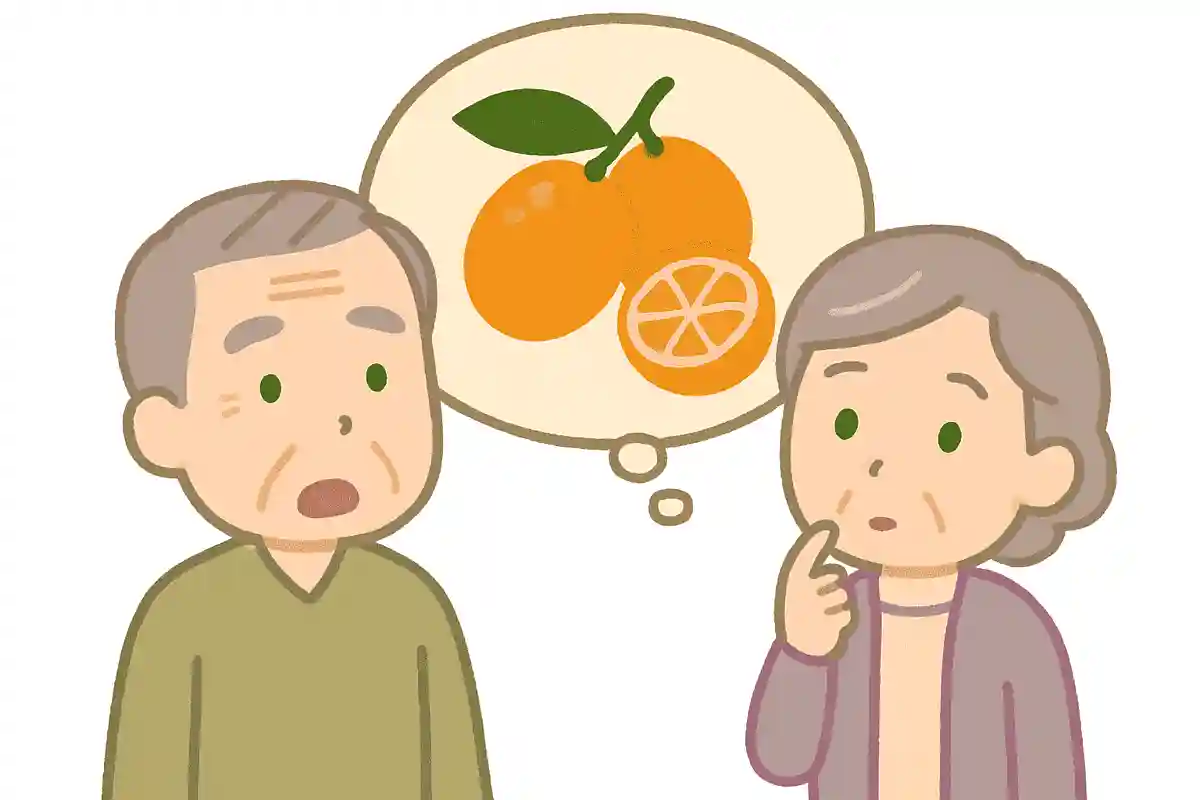
- Words that represent seeds of fruit
- A round shape shining in gold
- Names of old currencies
See the answer
A round shape shining in gold
Kinkan is a fruit that was introduced to Japan from China. Its golden, gleaming peel and its small, round shape evoke images of a golden sphere, which led to the Chinese name “金柑” (golden citrus). In Japan, this was read using the on’yomi (Sino-Japanese reading) as “kinkan,” which is the origin of the name.
What is the representative autumn plant that is called a living fossil?
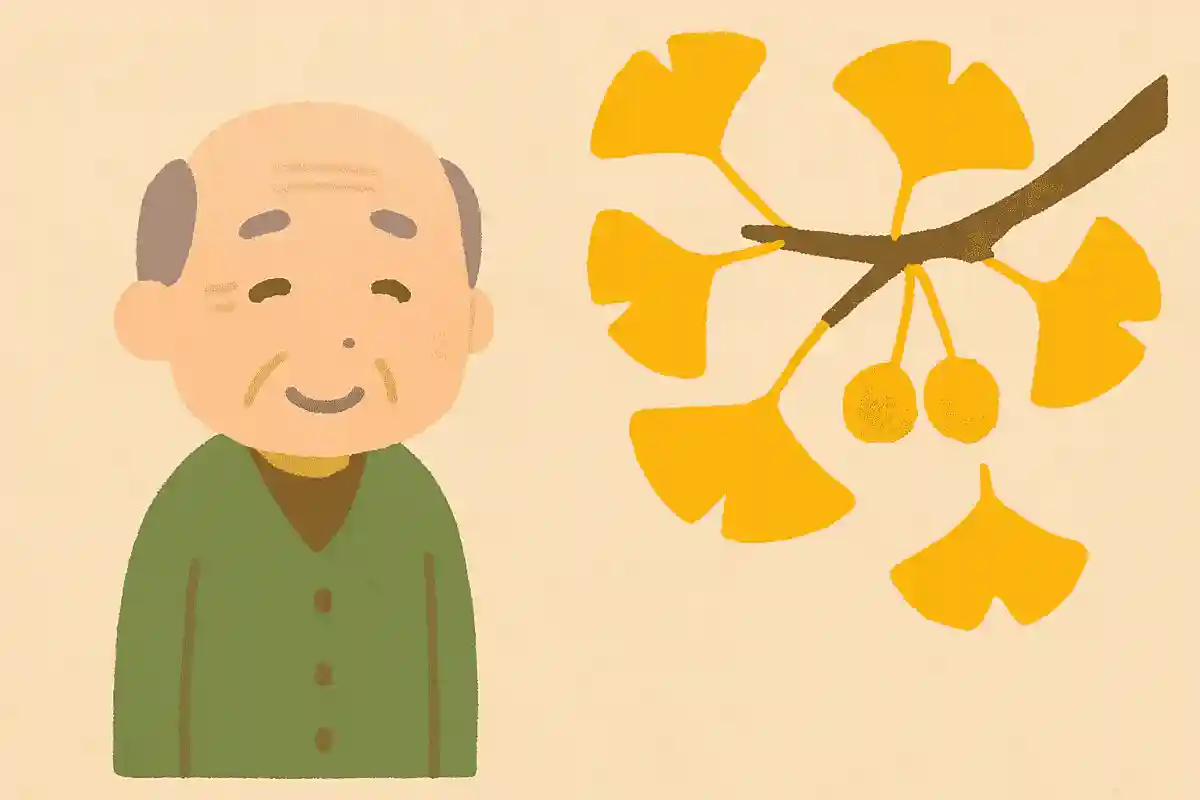
- ginkgo
- maple
- Japanese pampas grass
See the answer
ginkgo
Ginkgo trees are plants that have existed since the Jurassic period, when vegetation is said to have flourished on Earth, and because they have survived with little change in appearance since then, they are called “living fossils.” In autumn, their beautiful yellow leaves adorn the streets as roadside trees.
What popular snack has its commemorative day on November 11?
- Pocky
- Toppo
- Jagarico
See the answer
Toppo
November 11 is known as Pocky & Pretz Day. It was established on November 11, 1999, because the four number 1s in the date resemble the stick shape of Pocky and Pretz. Nowadays, there are many flavors of Pocky and Pretz. On November 11, it’s fun to prepare a variety and enjoy Pocky & Pretz Day.