

[For Seniors] Brain-training with winter-themed quizzes. Great for activities, killing time, and dementia prevention.


As the weather turns cold, we tend to spend more time indoors where it’s warm.
On such winter days, why not enjoy some fun moments with quizzes that anyone can enjoy, regardless of age, while engaging your mind? This time, we’re introducing quizzes that you can enjoy and learn from together with older adults, featuring tidbits about New Year’s traditions and the nature of winter.
By revisiting traditional wisdom and seasonal changes in quiz form, conversations that span generations will flow naturally.
How about taking on the challenge with your family or friends?
- [For Seniors] January Trivia Quiz & Fun Facts. Brain training with quizzes about New Year and winter.
- [For Seniors] Fun Quiz Questions That Will Liven Up December
- [For Seniors] Introducing Trivia Quizzes and Fun Facts About December
- [For Seniors] Brain-training quizzes for January: Let’s have fun with New Year and winter trivia
- [For Seniors] Enjoy the Cold Winter! Seated Activities You Can Do
- [For Seniors] Recommended Trivia Quizzes & Fun Facts for November
- [For Seniors] Have Fun with Wordplay Characters! A Collection of Funny Puzzles
- [For Seniors] Winter Haiku: Introducing Beautiful Masterpieces by Famous Haiku Poets
- [For Seniors] Trivia Multiple-Choice Quiz
- [For Seniors] Surprisingly Unknown! General Knowledge Quiz
- [For Seniors] Fun and Educational True-or-False Quiz
- [For Seniors] Fun and Lively! Recommended Quiz Questions
- [For Seniors] Fun Brain Training! February-Themed Quiz
[For Seniors] Brain training with winter-themed quizzes. Also great for activities, killing time, and dementia prevention (21–30)
What does it mean if you give someone gummies on Valentine’s Day?
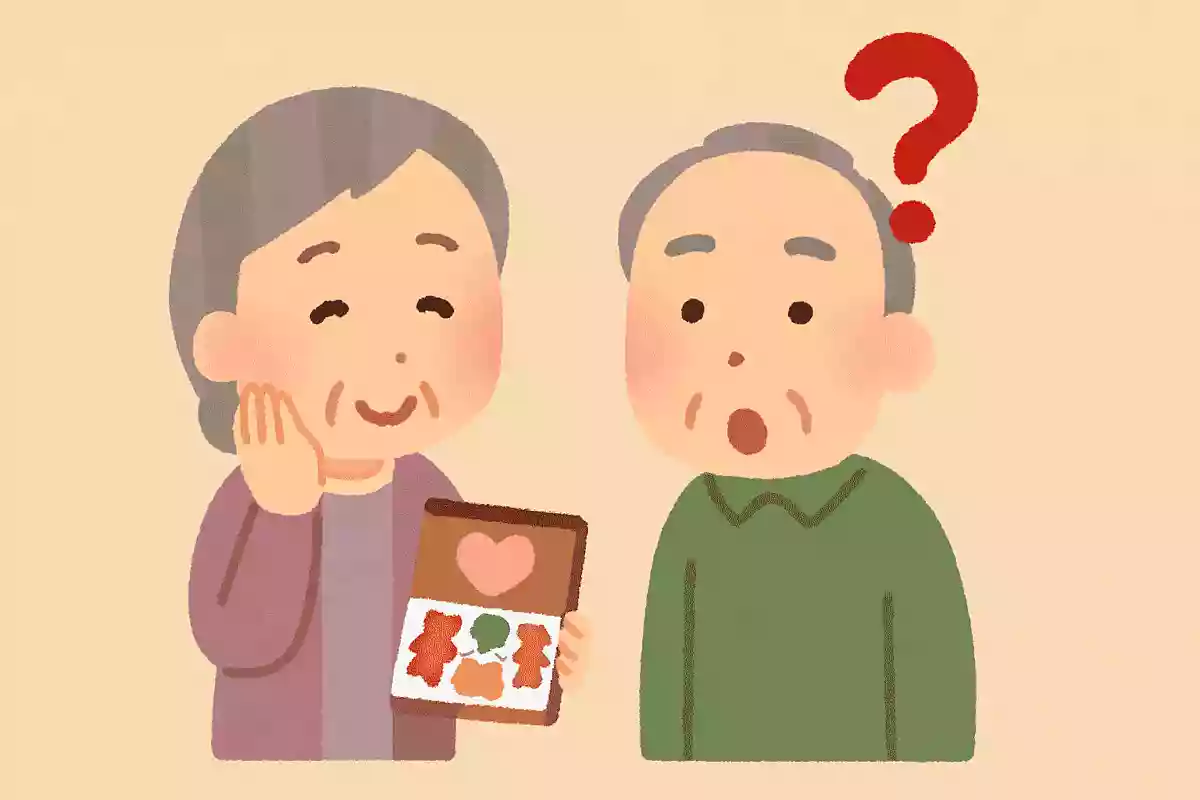
- I hate you.
- I like you as a friend.
- Please marry me.
See the answer
I hate you.
Surprisingly, gummy candy carries the meaning “I don’t like you.” Unlike chocolate, its childish and casual image may have led to that implication. You definitely shouldn’t give it to someone you like by mistake.

In which prefecture does the traditional event Namahage take place?
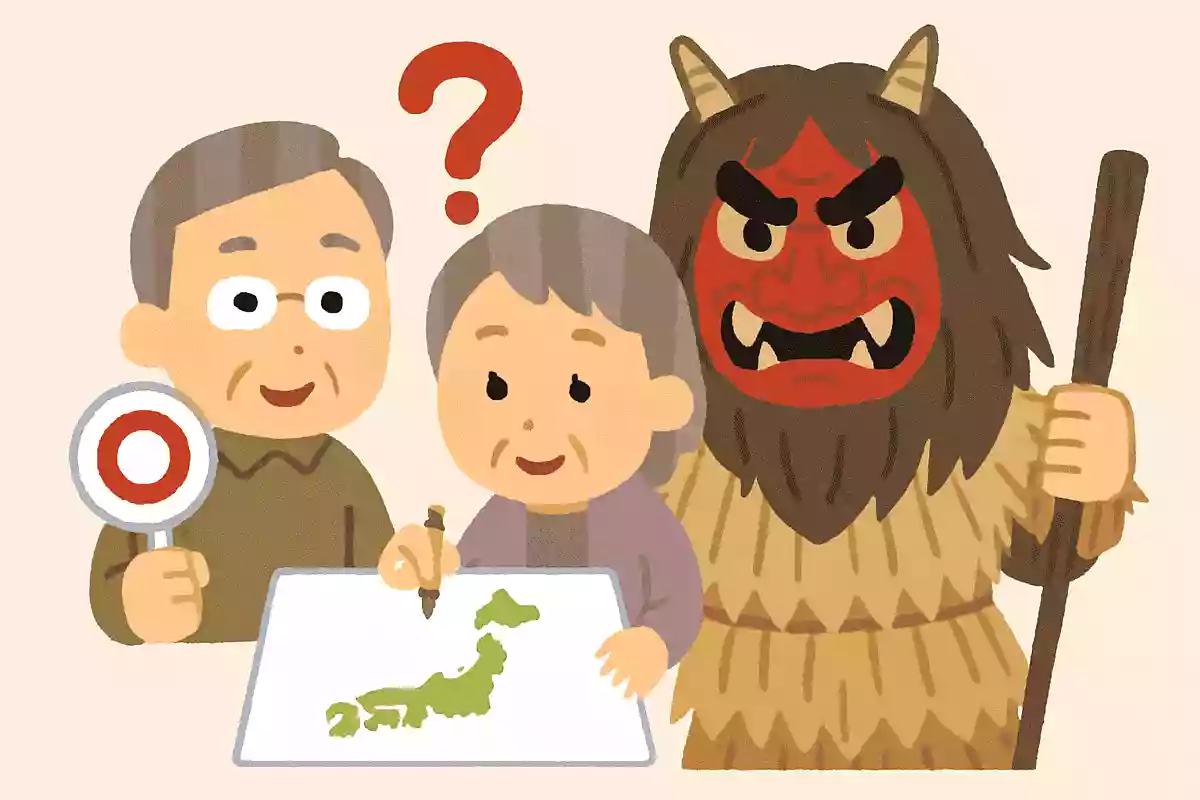
- Nagano Prefecture
- Toyama Prefecture
- Akita Prefecture
See the answer
Akita Prefecture
On New Year’s Eve in Oga City, Akita Prefecture, Namahage visit households throughout the community. The Namahage wear demon-like masks and outfits made of straw and hemp rope. However, they were originally not demons but visiting deities; at some point, though, they seem to have come to be regarded as a type of demon.

[For Seniors] Brain training with winter-themed quizzes. Great for recreation, killing time, and dementia prevention (31–40)
In eastern and western Japan, what fish is traditionally eaten on New Year’s Eve?

- Tuna and cod
- Salmon and yellowtail
- Sardines and whitebait
See the answer
Salmon and yellowtail
In Japan, there is a New Year’s custom of preparing a feast on New Year’s Eve to welcome the gods. Since people want to eat auspicious foods for the New Year, it’s said that they used to eat fish, which was once considered a luxury. The fish eaten at New Year’s is called “toshitori-zakana” (year-bringing fish). While it varies by region, broadly speaking, salmon was favored in eastern Japan and yellowtail in western Japan.
Wild bears hibernate, but do bears in zoos hibernate?
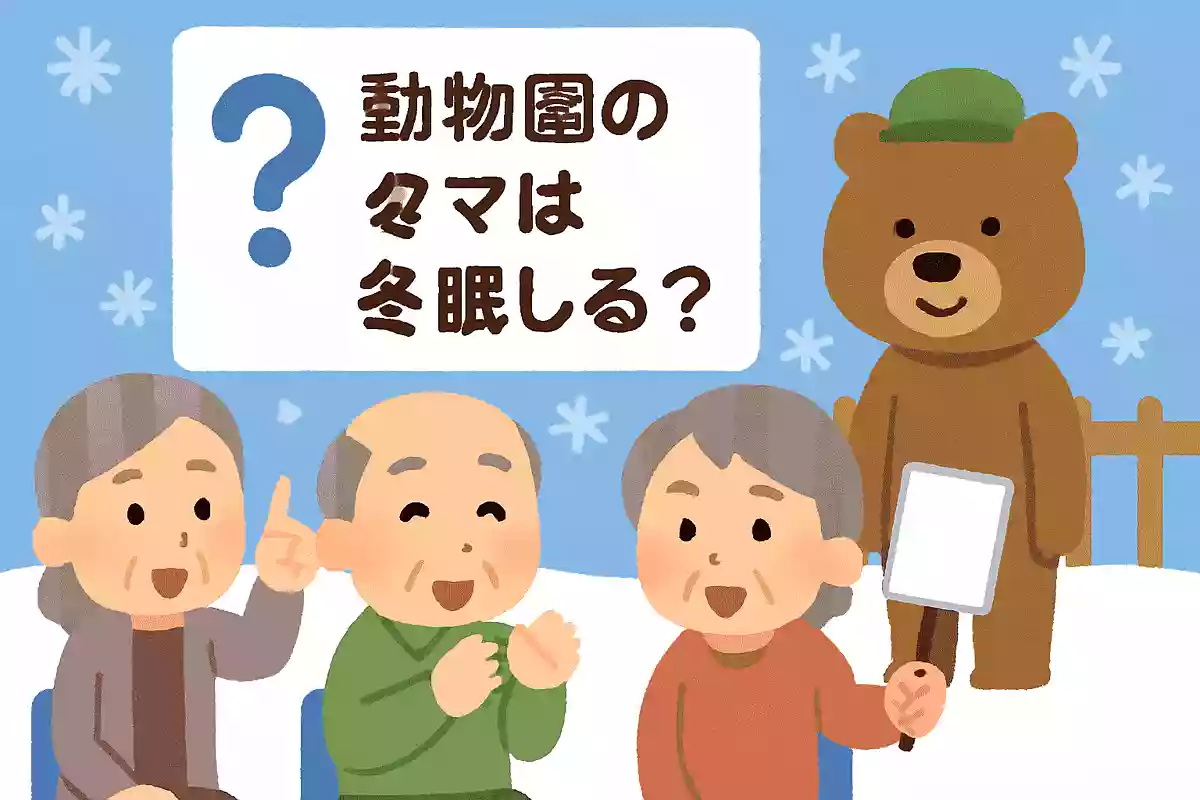
- hibernate
- Does not hibernate
- Sometimes hibernating, sometimes not
See the answer
Does not hibernate
Zoo bears do not hibernate. If you think about why wild bears hibernate, the answer becomes clear. Wild bears hibernate because food becomes scarce in winter. Zoo bears rarely have trouble getting food, so they apparently do not hibernate. By the way, it’s said that bears accumulate over 100 kilograms of fat before hibernating.
What is the reason for breaking open the kagami mochi with a wooden mallet instead of using a blade?
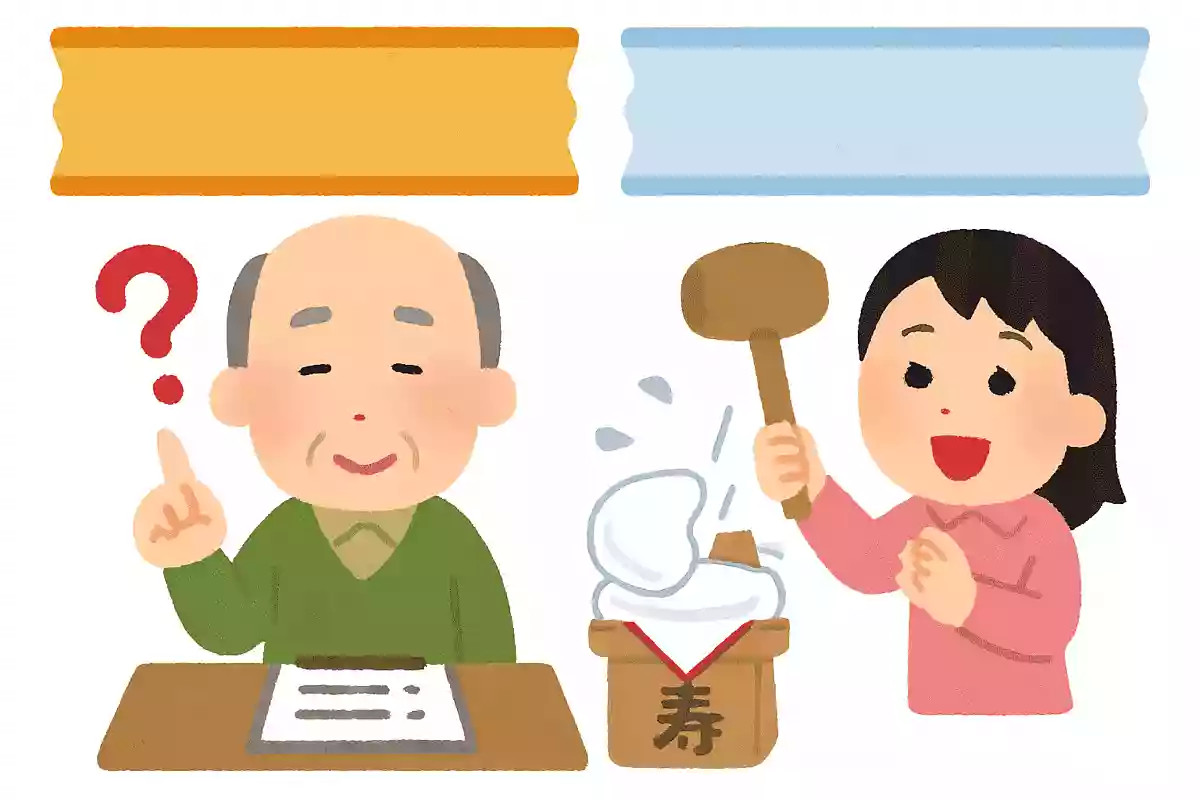
- Because among the samurai class, cutting (it) is considered bad luck.
- Because the kagami mochi has hardened and can’t be cut with a knife
- Because blades were luxury items and hard to obtain.
See the answer
Because among the samurai class, cutting (it) is considered bad luck.
Although there are slight regional differences, kagami-biraki is generally held on January 11. People break the kagami mochi into small pieces with a wooden mallet—but do you know why? For samurai from the Warring States through the Edo period, cutting with a blade was associated with seppuku and considered inauspicious. Therefore, in samurai households they broke the mochi with a wooden mallet, and that practice became the method used today for kagami mochi.
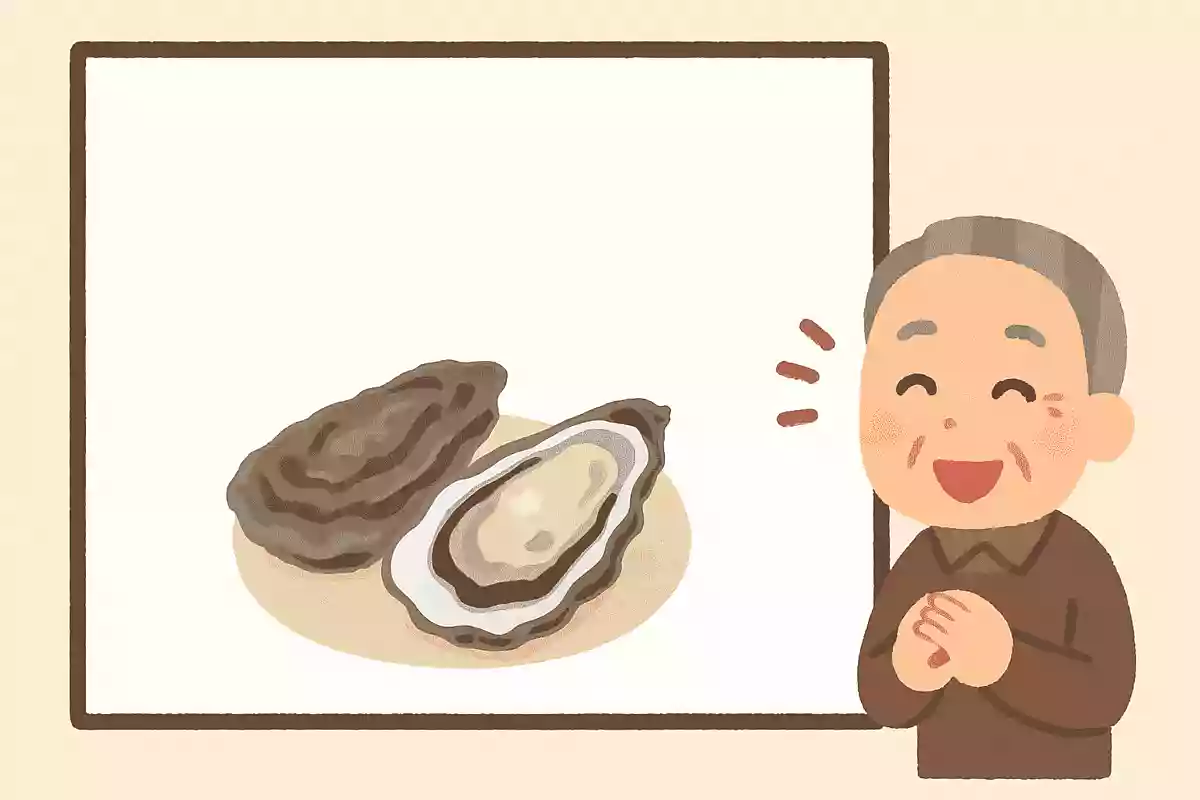
How is seafood such as oysters referred to?
- things from the sea
- Sea silk
- Milk of the sea
See the answer
Milk of the sea
Oysters are something you crave when winter comes. Their plump texture and rich umami are irresistible. Because oysters are white like milk, they’re called the milk of the sea.
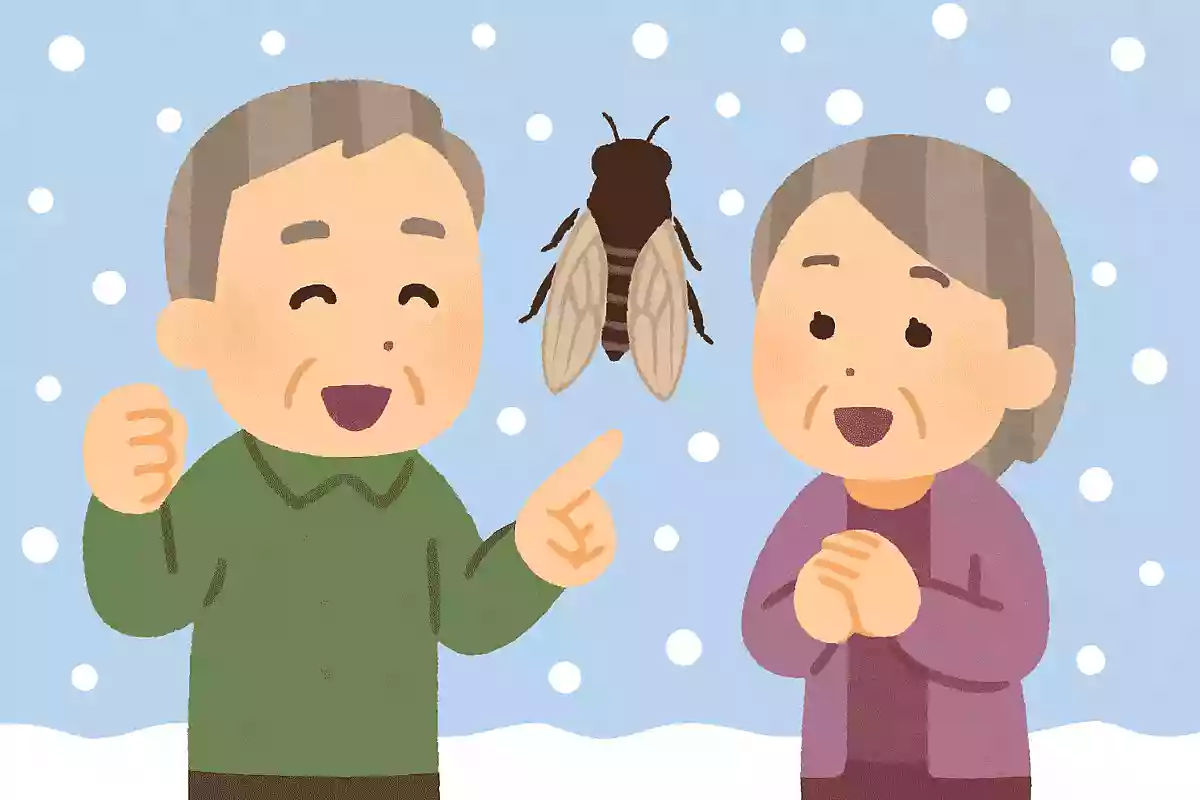
It is said that when a certain creature appears in large numbers, there will be heavy snowfall that year. What is that creature?
- dragonfly
- stink bug
- Frog
See the answer
stink bug
It’s said that when there’s a mass outbreak of stink bugs, there will be heavy snowfall that winter. However, according to experts, there doesn’t seem to be any direct evidence for this. In recent years in Japan, there have been regions where advisories were issued due to large numbers of stink bugs. Since snowfall has been decreasing in Japan, the amount of stink bugs may not be very closely related to snowfall.