

[For Seniors] Brain-training with winter-themed quizzes. Great for activities, killing time, and dementia prevention.


As the weather turns cold, we tend to spend more time indoors where it’s warm.
On such winter days, why not enjoy some fun moments with quizzes that anyone can enjoy, regardless of age, while engaging your mind? This time, we’re introducing quizzes that you can enjoy and learn from together with older adults, featuring tidbits about New Year’s traditions and the nature of winter.
By revisiting traditional wisdom and seasonal changes in quiz form, conversations that span generations will flow naturally.
How about taking on the challenge with your family or friends?
- [For Seniors] January Trivia Quiz & Fun Facts. Brain training with quizzes about New Year and winter.
- [For Seniors] Fun Quiz Questions That Will Liven Up December
- [For Seniors] Introducing Trivia Quizzes and Fun Facts About December
- [For Seniors] Brain-training quizzes for January: Let’s have fun with New Year and winter trivia
- [For Seniors] Enjoy the Cold Winter! Seated Activities You Can Do
- [For Seniors] Recommended Trivia Quizzes & Fun Facts for November
- [For Seniors] Have Fun with Wordplay Characters! A Collection of Funny Puzzles
- [For Seniors] Winter Haiku: Introducing Beautiful Masterpieces by Famous Haiku Poets
- [For Seniors] Trivia Multiple-Choice Quiz
- [For Seniors] Surprisingly Unknown! General Knowledge Quiz
- [For Seniors] Fun and Educational True-or-False Quiz
- [For Seniors] Fun and Lively! Recommended Quiz Questions
- [For Seniors] Fun Brain Training! February-Themed Quiz
For Seniors: Winter-Themed Brain-Training Quizzes. Great for Recreation, Passing Time, and Dementia Prevention (1–10)
What meaning do the candies hung on the Christmas tree have?

- the fruit of wisdom
- shepherd
- amulet against evil
See the answer
shepherd
Candy shaped like canes are hung on Christmas trees, right? In Christianity, they are said to symbolize shepherds. They are also said to represent Saint Nicholas’s bishop’s staff.

It’s often said that more women than men suffer from sensitivity to cold. Why is it more common among women?
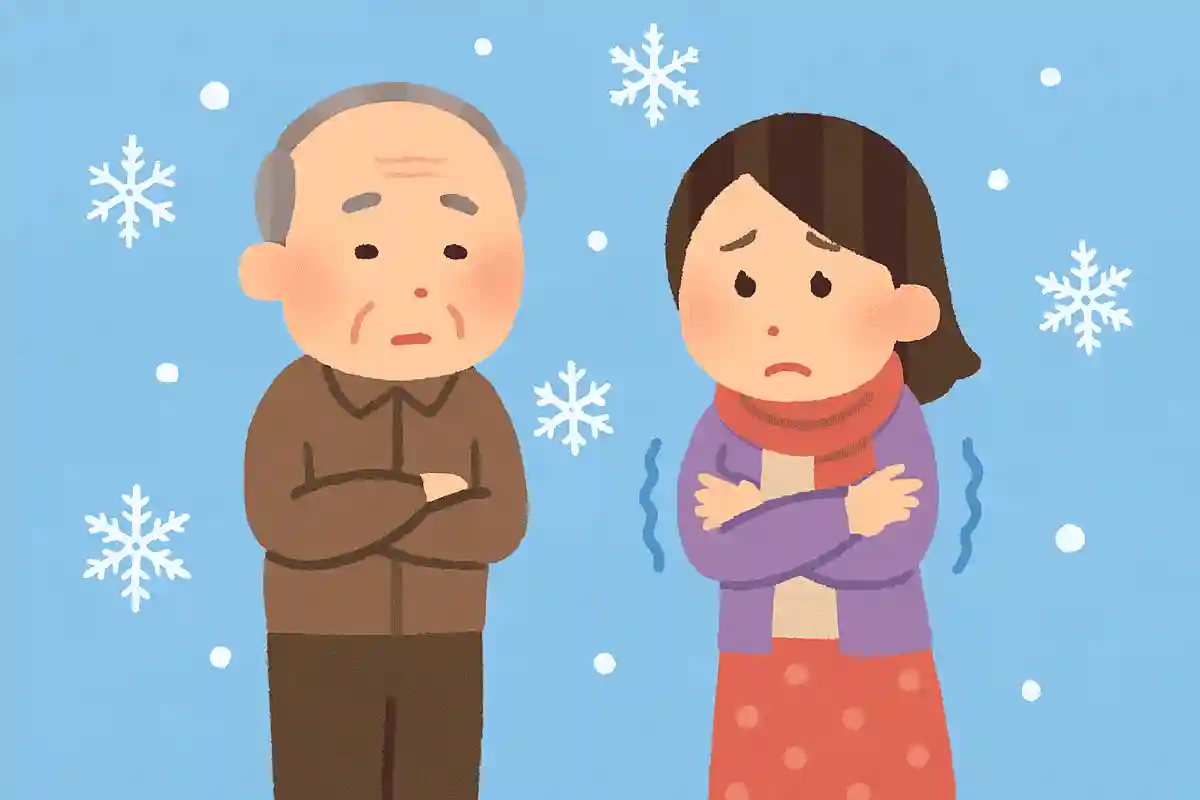
- Because she often drinks cold beverages on a regular basis.
- Because women have less muscle mass compared to men
- Because women are often shorter than men
See the answer
Because women have less muscle mass compared to men
One reason cold sensitivity is more common in women is that women generally have less muscle mass than men. Muscles generate body heat and help promote blood circulation throughout the body. With less muscle mass, the ability to produce heat is reduced, making the body more prone to feeling cold. Additionally, women are more likely to experience poor circulation due to hormonal factors, which is another reason cold sensitivity is more prevalent. Therefore, building muscle and keeping the body warm can help prevent or alleviate cold sensitivity.

What happens if you sleep with your socks on?
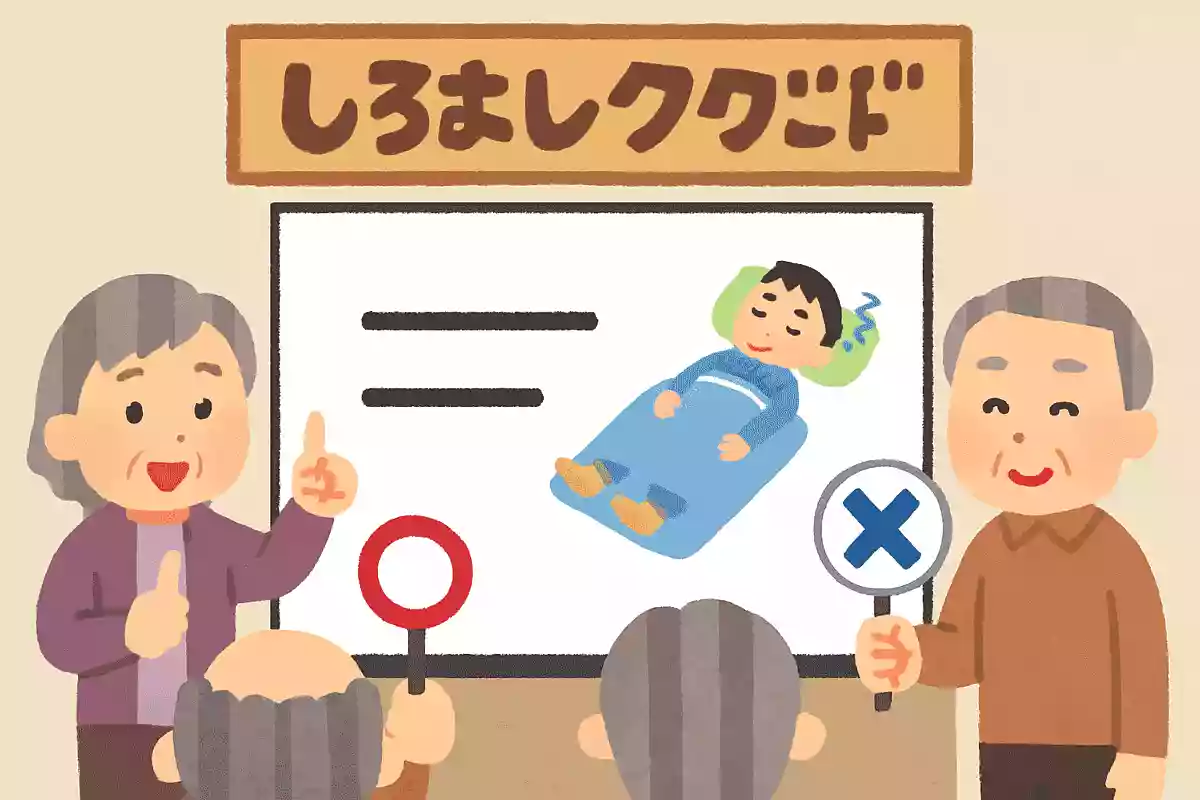
- My body feels cold.
- My body is warming up.
- It has a foot bath effect.
See the answer
My body feels cold.
In winter, our feet get really cold, don’t they? It’s easy to end up sleeping with socks on, but actually it can worsen circulation. When your toes can’t move, the blood vessels get constricted, making your feet more prone to getting cold.
[For Seniors] Brain training with winter-themed quizzes. Great for recreation, killing time, and dementia prevention (11–20)
A can of corn soup you crave in winter. How can you drink it without leaving any kernels in the can?
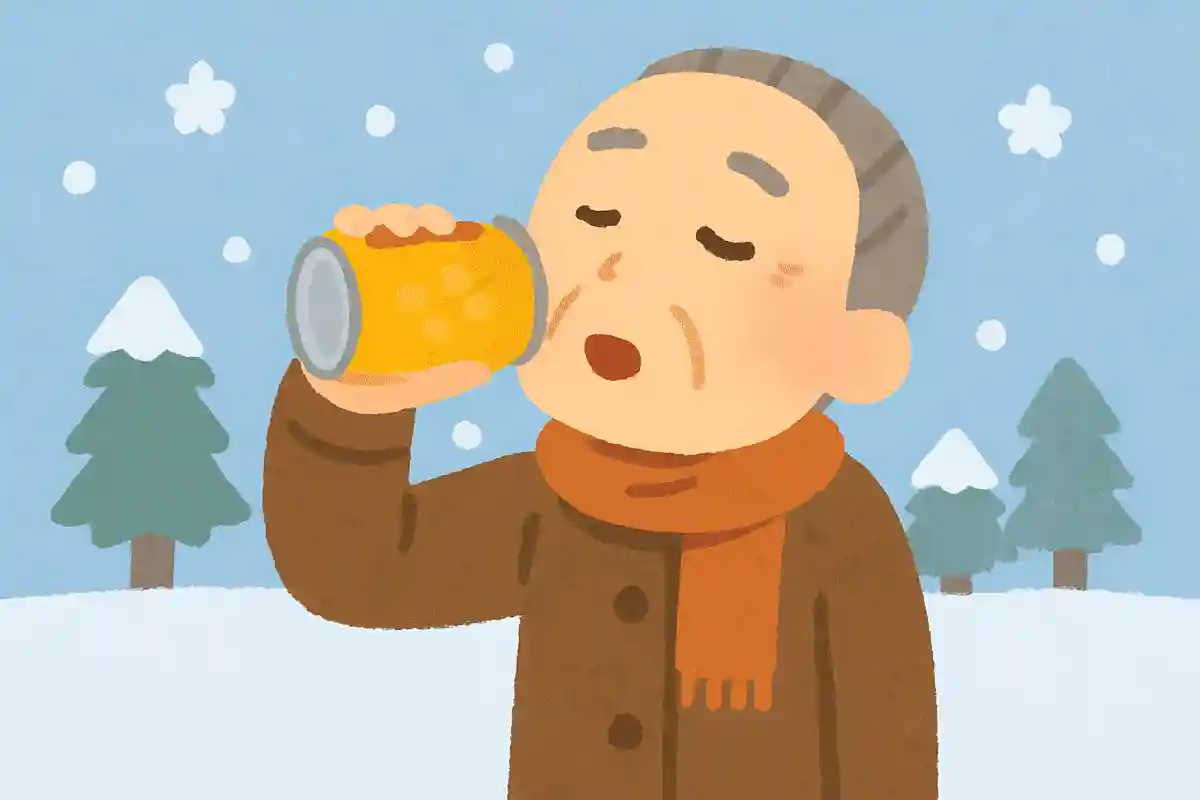
- Shake well before drinking.
- Drink without shaking
- Dent the area slightly below the drinking spout.
See the answer
Dent the area slightly below the drinking spout.
By denting the can slightly with your finger just below the opening, you change how the liquid and kernels flow inside a can of corn soup, making it easier for the corn kernels to move smoothly toward the spout. When you drink normally, the kernels tend to get stuck just before the opening, but creating a dent forms a slope inside the can, allowing you to finish even the kernels that would otherwise be left behind. This method has been featured on TV programs and the like, and it’s a handy little tip to know.
What is the difference between ‘hyou’ (hail) and ‘arare’ (graupel)?
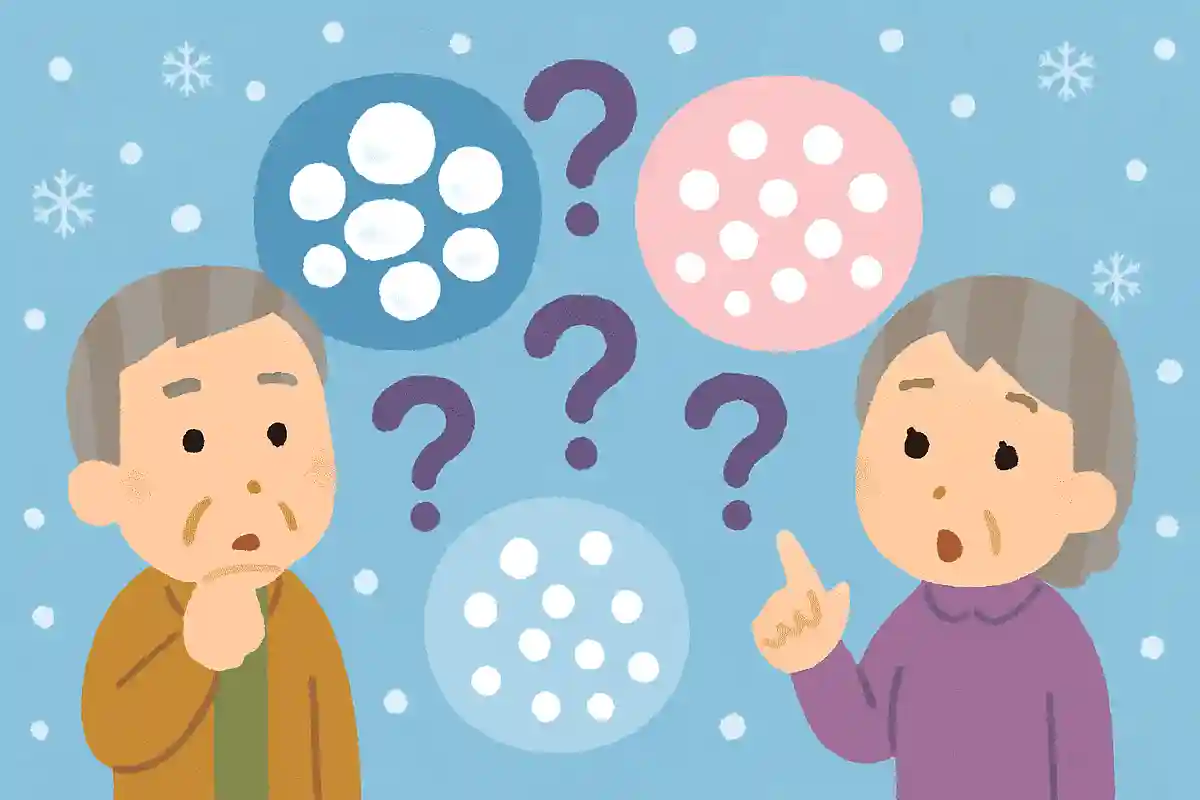
- rainy season
- Grain size
- Shape of Ice
See the answer
Grain size
Both “hyo” (hail) and “arare” (graupel/small hail) are ice pellets that fall from the sky, but the difference lies in their size. Pellets with a diameter smaller than 5 mm are called “arare,” and those 5 mm or larger are called “hyo.” While both are the same in being ice pellets, their names change depending on size. Both can be observed as natural phenomena in winter, so try looking up at the sky with care.
Why do we decorate with kadomatsu for the New Year?
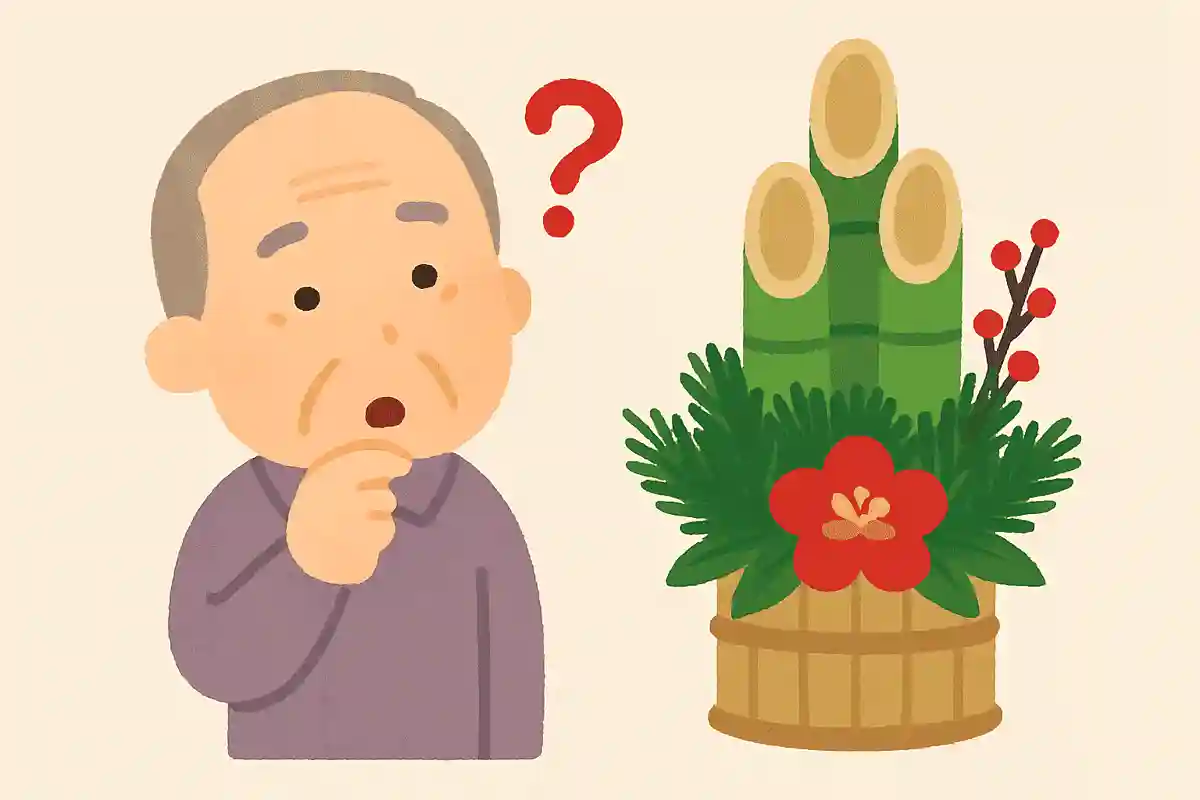
- To pray for my family's health
- To pray for a bountiful harvest next year
- To welcome the Toshigami (New Year deity)
See the answer
To welcome the Toshigami (New Year deity)
A kadomatsu is a traditional New Year’s decoration placed at entrances of homes. It is made with pine and bamboo, which serve as markers to welcome the toshigami, the deity of the year, into the home. The toshigami is believed to bring happiness, health, and a good harvest for the new year, so displaying a kadomatsu is thought to invite good fortune into the household. For this reason, it is not merely a decoration but carries an important meaning as a way to welcome the deity.
Why is static electricity more likely to occur in winter, such as after using sweaters or blankets or when touching a doorknob?
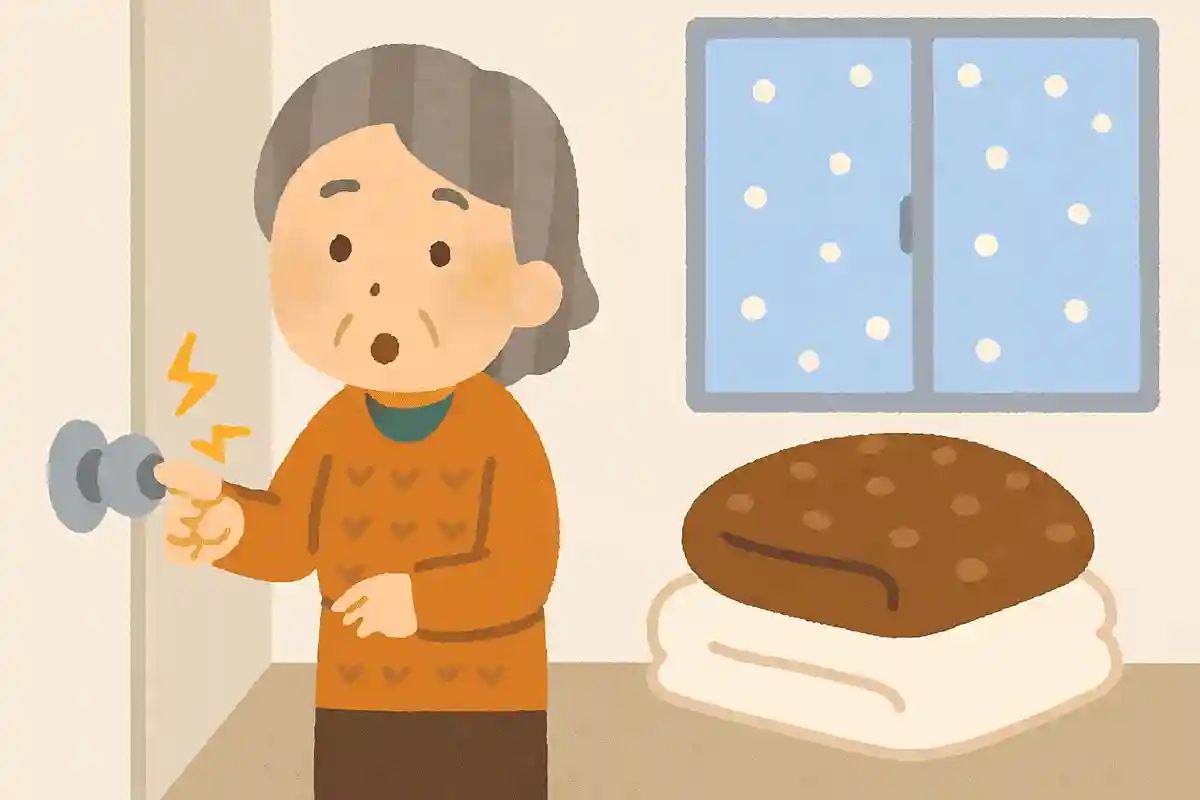
- Because the amount of water in the body decreases
- Because the air is dry
- Because the cold lowers body temperature.
See the answer
Because the air is dry
Static electricity often occurs in winter when the air is dry. When it’s dry, there is less sweat and moisture, making it harder for the electricity accumulated in your body to dissipate. As a result, when you touch metal objects like doorknobs, the electricity discharges all at once, causing a sharp zap. Conversely, when the humidity is high, electricity can naturally escape from your body more easily, so static electricity is less likely to occur. That’s why you need to be careful about static electricity in winter.