

![[Simple and Fun] New Year’s Quizzes Recommended for Seniors](https://media.ragnet.co.jp/img/__png__https://2.bp.blogspot.com/-5NP8pqFY7HQ/VsGsBTM6yZI/AAAAAAAA36M/eq6sgtnOqRE/s800/food_ozouni_shiromiso.webp)
[Simple and Fun] New Year’s Quizzes Recommended for Seniors
Many people probably spend New Year’s by eating osechi with family and visiting a shrine for hatsumode.
One of the wonderful things about Japanese people is how they value traditional customs.
This time, we’re introducing a New Year’s quiz designed for seniors.
All the questions are multiple choice with three options, so they should be easy to answer.
Don’t worry about making mistakes—please share lots of answers! We’ve gathered various fun facts related to the New Year.
There may even be questions that teach something new to seniors as well.
If you’re looking for New Year’s quizzes, please use this as a reference.
[Easy and Fun] New Year’s Quizzes Recommended for Seniors (1–10)
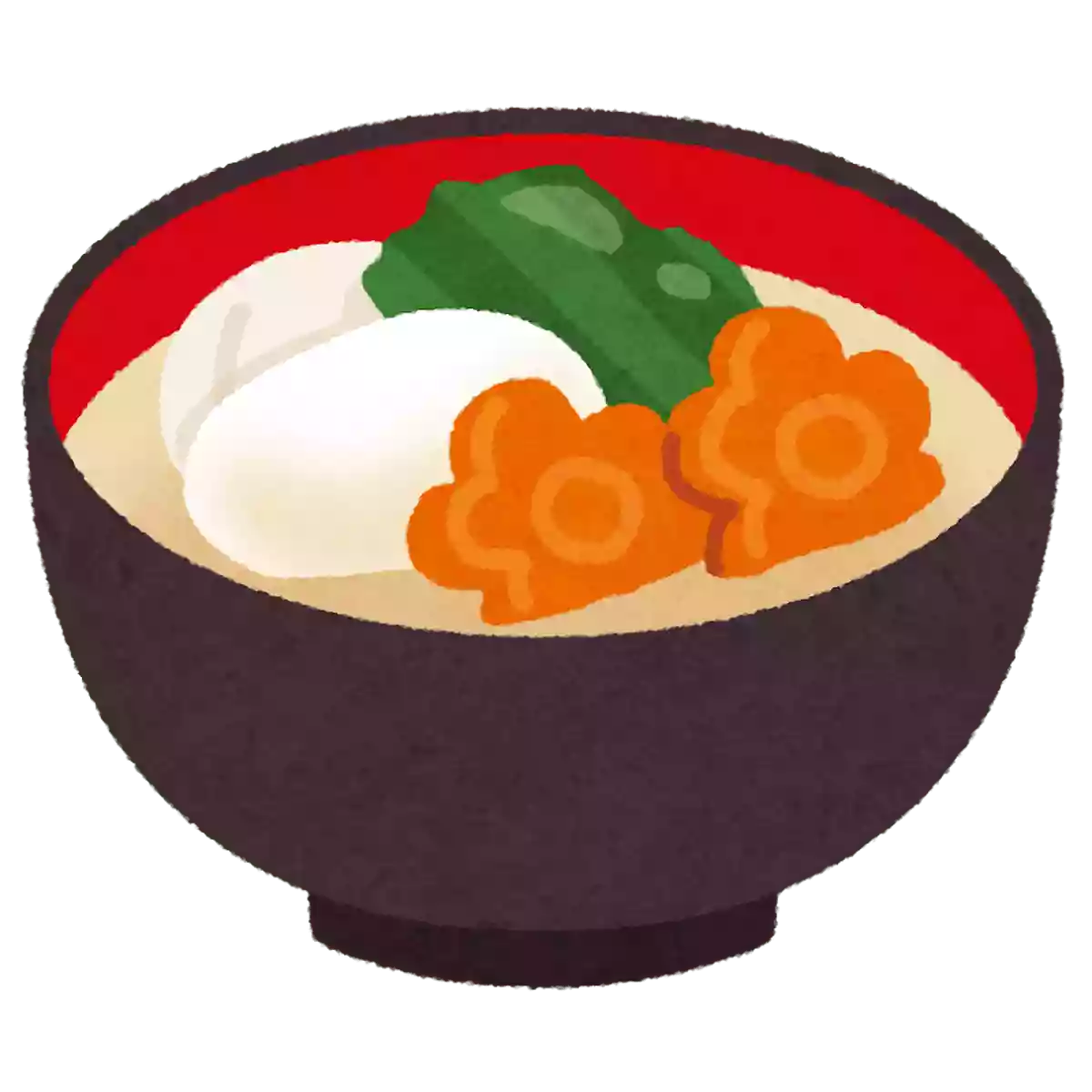
Where is kinako zoni eaten?
2.bp.blogspot.com
- Nara
- Kyoto
- Wakayama
See the answer
Nara
The flavor of zoni varies by region across the country, doesn’t it? In Nara Prefecture, it’s a sweet miso-based zoni served with sweet kinako on the side. They say the sweet-and-salty taste is addictive.

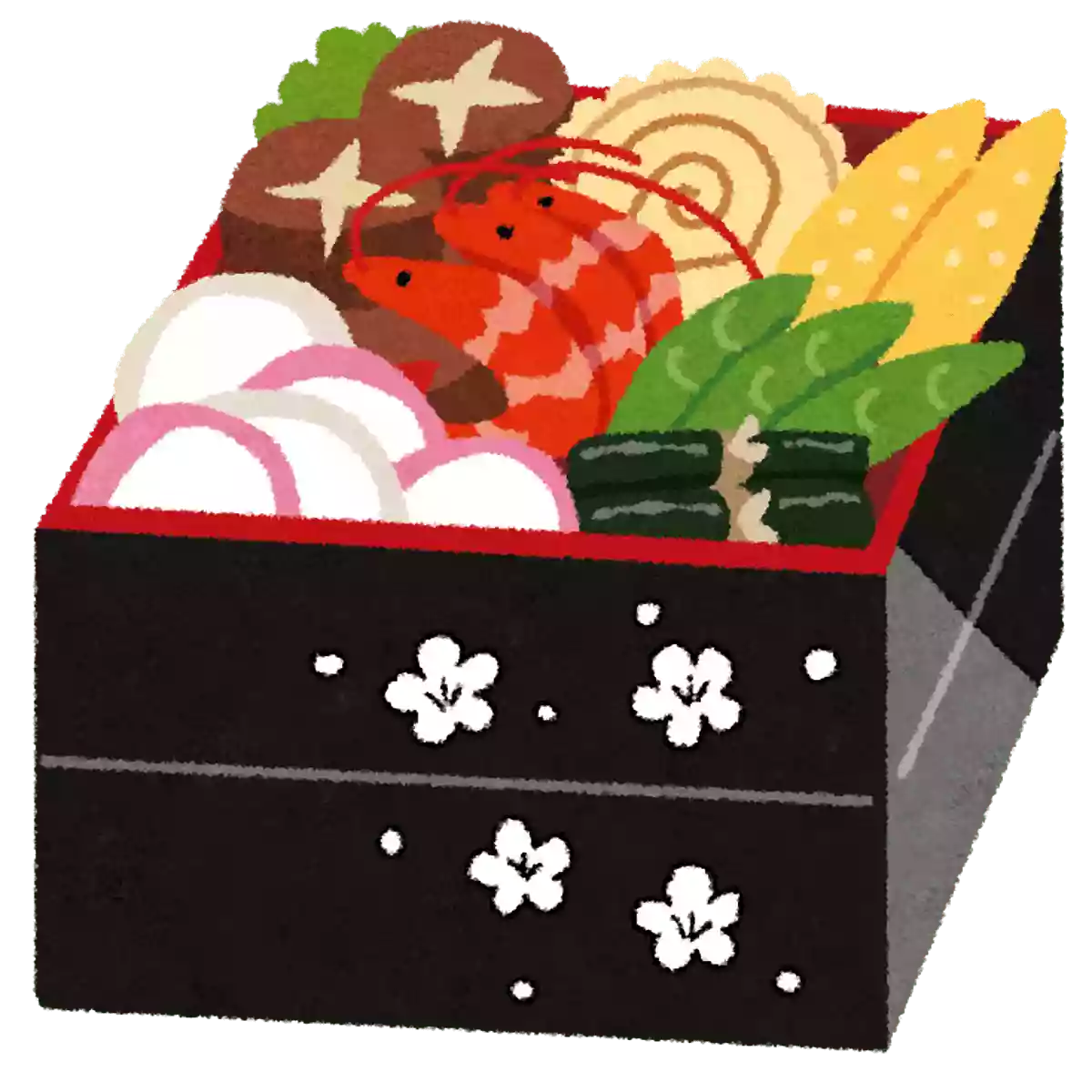
Why is osechi-ryori served in stacked lacquered boxes (jubako)?
1.bp.blogspot.com
- To reduce the number of dishes to wash
- To layer blessings
- To get into the picnic mood
See the answer
To layer blessings
These days, osechi cuisine has become quite compact. Originally, I hear that a five-tiered stacked set was the standard. Getting together on New Year’s Day and eating osechi with everyone is a fun way to spend the holiday, isn’t it?
There are some foods in osechi-ryori that have protective, warding-off-evil effects—what are they?

4.bp.blogspot.com
- want to
- herring roe
- black soybeans
See the answer
black soybeans
Black soybeans are said to have the power to ward off evil. Since ancient times, the color black has been considered effective for driving away malevolent spirits. They also carry the wish for good health in the new year. Additionally, because of the word mame (which can mean both “bean” and “diligent”), they may be imbued with the hope that one will work diligently.
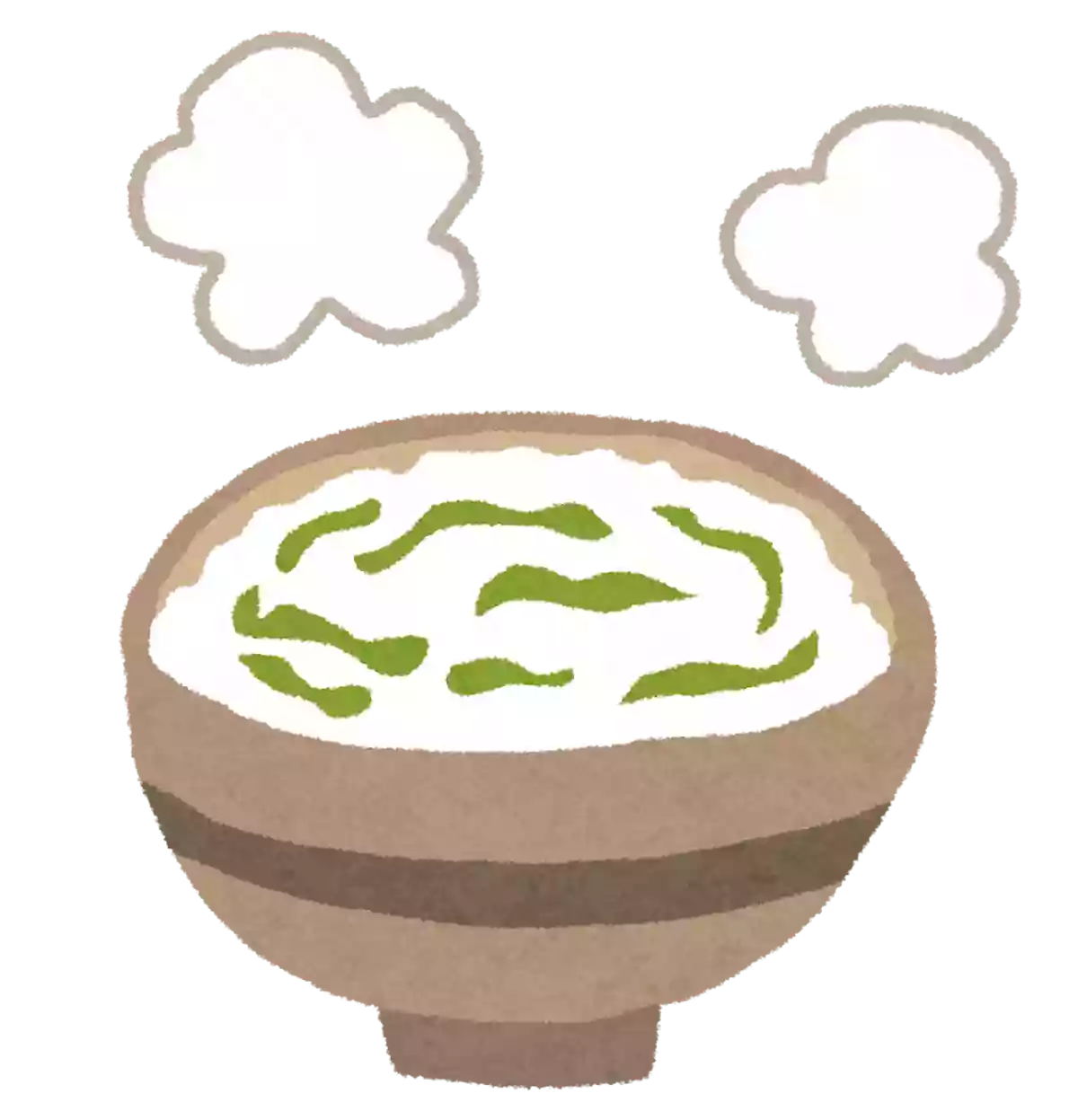
What is the origin of eating seven-herb porridge (nanakusa-gayu)?
1.bp.blogspot.com
- Repel evil energy and invite prosperity
- Eat weeds to cultivate a weed-like fighting spirit.
- Be kind to your digestive system and wish for good health free of illness.
See the answer
Be kind to your digestive system and wish for good health free of illness.
Many people tend to overeat during the New Year holidays, don’t they? That’s why on January 7th, there’s a custom of eating nanakusa-gayu (seven-herb rice porridge) to give your stomach and intestines a rest. It’s said that nanakusa-gayu has the power to soothe a tired digestive system, so people eat it while praying for good health and safety from illness.
What should you not do on New Year’s Day?
2.bp.blogspot.com
- Cleaning
- karaoke
- footbath
See the answer
Cleaning
New Year’s Day is the day we welcome the god of good fortune. That’s why cleaning is considered inauspicious, as it would be like driving the deity away. It may also carry the meaning of encouraging people to rest their bodies and spend the holiday at a leisurely pace.
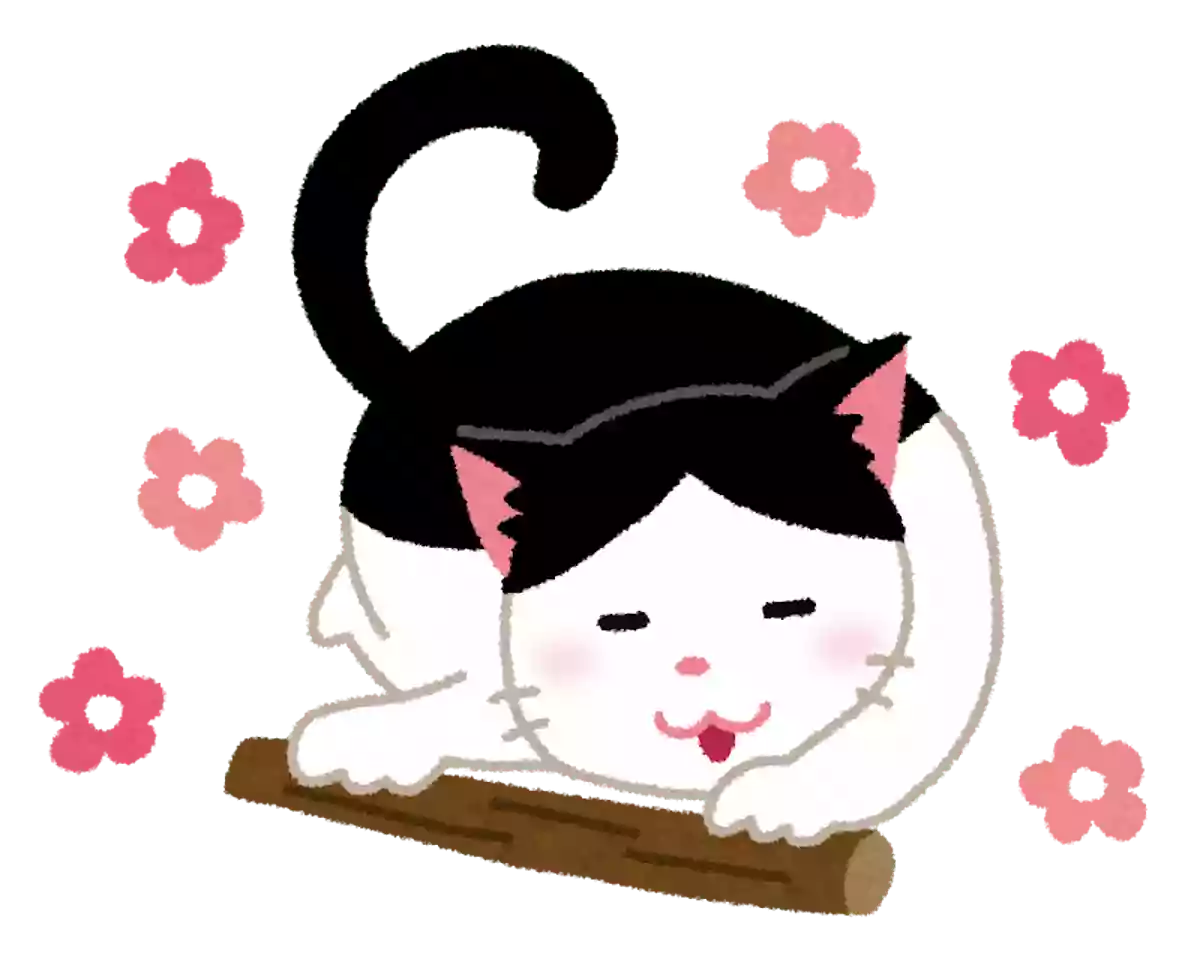
What is the left paw of the beckoning cat believed to invite?
2.bp.blogspot.com
- Fortune
- money
- guest
See the answer
guest
What an adorable maneki-neko. Displaying it in your room seems like it would bring good fortune, doesn’t it? The left paw of a maneki-neko is said to beckon customers, while the right paw is said to invite money. They’re often displayed in shops to pray for prosperous business.
What New Year’s game originated in the Edo period?
1.bp.blogspot.com
- Fukuwarai (a traditional Japanese “lucky laugh” face-making game)
- karuta (traditional Japanese playing cards)
- kite flying
See the answer
Fukuwarai (a traditional Japanese “lucky laugh” face-making game)
Many of you may have fond memories of playing fukuwarai together during the New Year. It’s fun because, with your eyes covered, you never know what kind of face you’ll end up making. This classic New Year’s game is said to have originated in the Edo period, and it apparently became widely popular in the Meiji period.